


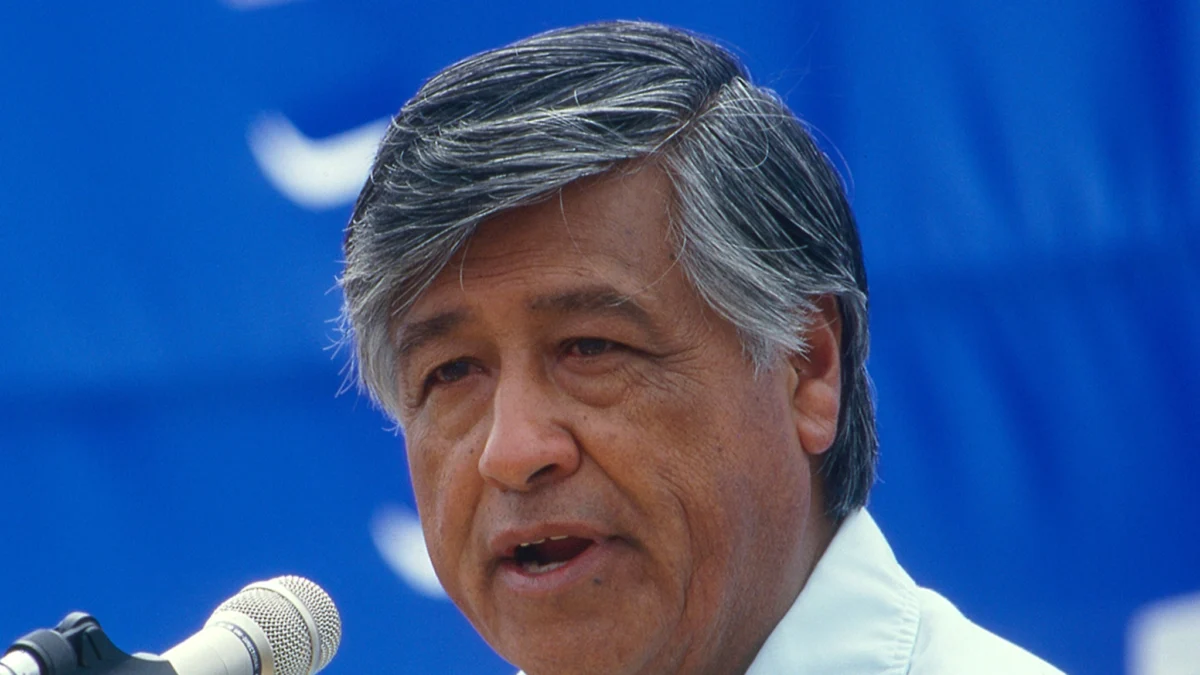
The revered legacy of Cesar Chavez, the late labor leader and civil rights icon, is facing an unprecedented challenge following the emergence of deeply disturbing allegations of abuse involving young women and minors. These accusations, which have surfaced posthumously, threaten to unravel the carefully constructed narrative of a man celebrated globally for his tireless advocacy for farm workers’ rights and non-violent social change. In response to the gravity of the claims, organizations closely associated with Chavez, including the United Farm Workers (UFW), which he co-founded, and the Cesar Chavez Foundation, have acknowledged the seriousness of the situation, leading to the immediate cancellation of celebratory events planned for the upcoming Cesar Chavez Day. This unfolding crisis, revealed on March 18, 2026, casts a long shadow over the enduring symbols of his movement and forces a difficult re-evaluation of his historical stature.
The Unveiling of Troubling Allegations
The United Farm Workers released an official statement on Tuesday, March 17, 2026, confirming its awareness of "deeply troubling allegations" concerning Cesar Chavez’s conduct. The statement articulated that Chavez "behaved in ways that are incompatible with our organization’s values," a stark admission that signals a profound internal reckoning for an institution built upon his principles. While some of the initial reports touched upon general "family issues," the UFW emphasized that the "far more troubling" allegations specifically pertain to the abuse of young women and minors. The organization clarified that it does not possess firsthand knowledge of these specific allegations, but stressed their severity, stating that they are serious enough to warrant "urgent steps" to gather more information and to extend support to potential victims. This proactive stance by the UFW highlights the gravity with which these claims are being treated, signaling a commitment to addressing the truth, irrespective of the impact on their foundational figure.
Further underscoring the weight of the accusations, the Cesar Chavez Foundation, another key organization dedicated to preserving and promoting his legacy, issued its own statement. The Foundation expressed being "deeply shocked and saddened" by the revelations. Their statement corroborated the nature of the claims, specifying that they involve "inappropriate sexual behavior with women and minors" that allegedly occurred during Chavez’s tenure as president of the UFW. This convergence of acknowledgments from both pivotal organizations indicates that the allegations are not isolated whispers but have reached a level of credibility that demands immediate institutional response and investigation. The statements from both the UFW and the Cesar Chavez Foundation represent a critical turning point, shifting the narrative from a revered icon to a complex figure whose past actions are now subject to intense scrutiny.
Immediate Repercussions: Cesar Chavez Day Cancellations
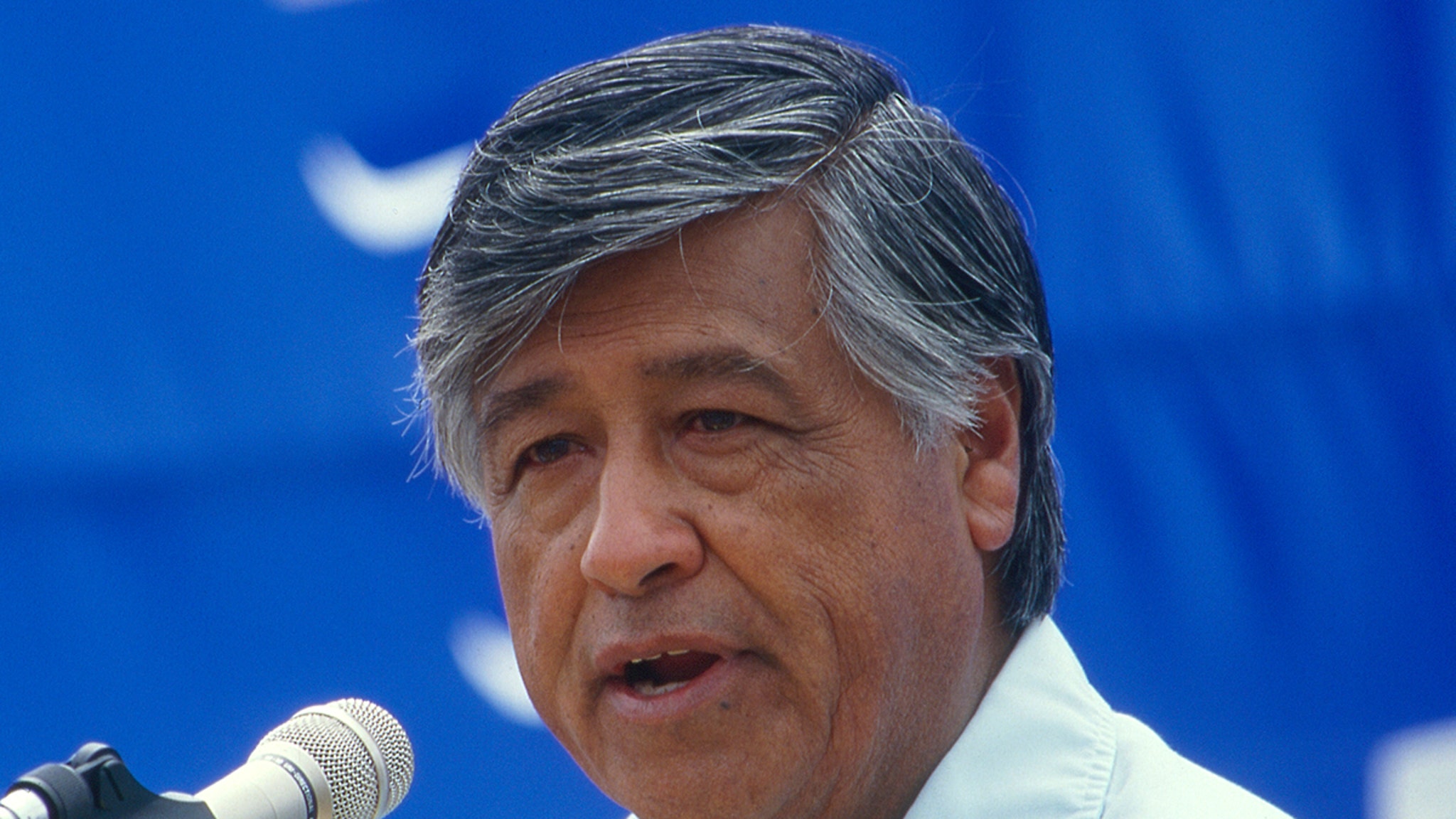
The timing of these allegations could not be more poignant, surfacing just weeks before Cesar Chavez Day, observed annually on March 31st. This day holds significant cultural and political importance, particularly in states with large Latino populations and strong labor movements. In light of the unfolding scandal, the UFW has declared its decision to "sit out" all Cesar Chavez Day celebrations this year, a powerful symbolic gesture that underscores the organization’s commitment to prioritizing truth and accountability over commemoration. This decision sends a clear message to its members, supporters, and the public about the seriousness of the allegations and the UFW’s dedication to its stated values.
The ripple effect of these allegations and the UFW’s stance has already begun. Several cities and institutions, including San Antonio, Texas, have announced the cancellation of their planned events honoring Chavez. San Antonio, a city with a rich Mexican-American heritage and a history of civil rights activism, typically observes Cesar Chavez Day with parades, educational programs, and community gatherings. The cancellation of these events marks a significant departure from tradition and illustrates the immediate and profound impact of the allegations on public perception and planned observances. Other cities and states that recognize Cesar Chavez Day as a holiday or a day of service are now grappling with similar decisions, prompting urgent discussions about whether to proceed with celebrations, modify them, or cancel them entirely. This period of uncertainty and re-evaluation threatens to disrupt a deeply entrenched cultural observance, forcing communities to confront a painful juxtaposition between a celebrated past and a troubling present.
The Enduring Legacy of Cesar Chavez: A Brief Context
To fully grasp the magnitude of these allegations, it is essential to understand the towering figure Cesar Chavez represented. Born in Yuma, Arizona, in 1927, Chavez’s early life was marked by the arduous experiences of a migrant farm worker, moving across California with his family in search of agricultural work. These formative years instilled in him a profound empathy for the plight of exploited laborers, laying the groundwork for his future activism. Inspired by the non-violent civil disobedience of Mahatma Gandhi and the civil rights movement led by Martin Luther King Jr., Chavez dedicated his life to organizing farm workers, a demographic historically marginalized and denied basic labor protections.
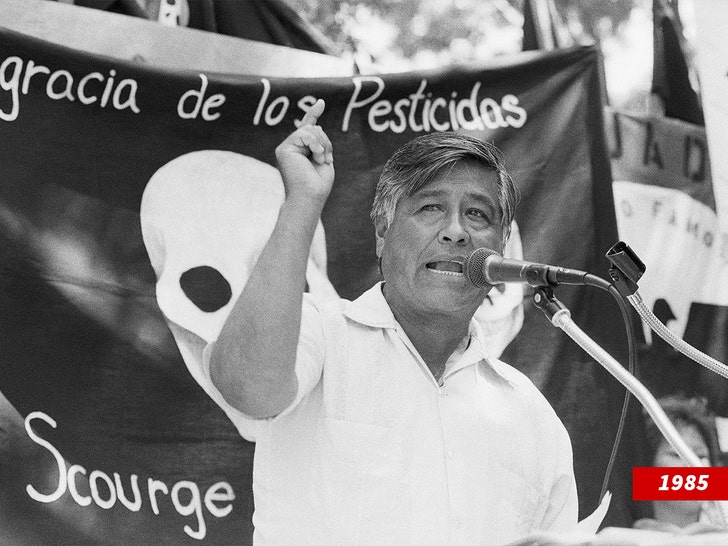
In 1962, alongside Dolores Huerta, Chavez co-founded the National Farm Workers Association, which later became the United Farm Workers (UFW). The UFW quickly rose to national prominence through its pioneering use of non-violent tactics, most notably the Delano grape strike and boycott that began in 1965. This five-year struggle, characterized by strikes, marches, and nationwide boycotts, brought the dire working conditions of farm laborers to the forefront of American consciousness. Chavez’s commitment to fasting as a form of spiritual protest and a means to draw attention to the cause garnered immense public sympathy and support, transforming the struggle of a forgotten segment of the workforce into a national civil rights issue. His efforts led to significant victories, including the first collective bargaining agreements for farm workers in U.S. history, securing better wages, working conditions, and benefits.
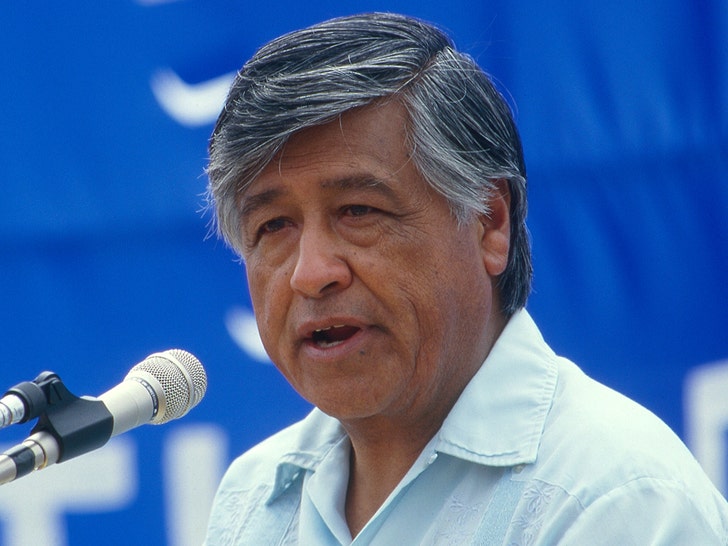
Chavez’s influence extended far beyond labor rights. He became a potent symbol of the Chicano Movement, advocating for social justice, cultural pride, and political empowerment for Mexican Americans. His rallying cry, "Sí, se puede" (Yes, we can), transcended the labor movement, becoming an enduring slogan for various social justice causes. His death in 1993, at the age of 66, was widely mourned, and his contributions were further recognized posthumously when President Bill Clinton awarded him the Presidential Medal of Freedom in 1994, the nation’s highest civilian honor.
In 2014, President Barack Obama officially established Cesar Chavez Day as a federal commemorative holiday, designating March 31st as a day to honor his legacy. While not a federal holiday with paid time off, it is observed by several states, including California, Texas, Colorado, and Arizona, often through school closures, community service events, and educational programs. The establishment of this day cemented Chavez’s place in the pantheon of American civil rights heroes, ensuring that his message of non-violence, social justice, and collective action would continue to inspire future generations. The current allegations, therefore, strike at the very heart of this revered legacy, forcing a reconsideration of how society remembers and honors its historical figures.
Navigating the Investigation and Accountability
The UFW’s commitment to taking "urgent steps" to learn more about the allegations and help potential victims suggests a multi-faceted approach to addressing the crisis. These steps could encompass a range of actions:
- Internal Review: An immediate internal investigation within the UFW and potentially the Cesar Chavez Foundation to identify any past knowledge, complaints, or records related to the alleged misconduct. This would involve reviewing archived documents, personnel files, and interviewing long-serving members or staff.
- External Independent Investigation: Given the seriousness and sensitivity of the allegations, particularly those involving minors, it is highly probable that an independent third-party investigation will be commissioned. Such an investigation would be crucial for ensuring objectivity, impartiality, and credibility in the findings. This could involve legal experts, forensic investigators, or specialized victim advocacy groups.
- Victim Support Services: A critical component of the "urgent steps" will be the establishment of secure and confidential channels for alleged victims to come forward. This could include a dedicated hotline, counseling services, legal aid, and psychological support. The UFW and Foundation’s statements explicitly mention a desire to "help potential victims," signaling a commitment to their well-being and validation.
- Transparency and Communication: As the investigations progress, the organizations will face immense pressure to maintain transparency with the public, their members, and the media. Regular updates, while respecting the privacy of alleged victims and the integrity of the investigation, will be vital for rebuilding trust and demonstrating accountability.
The legal implications of posthumous allegations are complex. While criminal charges cannot be brought against a deceased individual, the focus shifts to civil accountability, historical accuracy, and moral reckoning. Statute of limitations issues might arise for civil claims, but the primary goal will be to establish the truth of the allegations, provide validation for alleged victims, and ensure that lessons are learned to prevent future abuses within organizations. The challenge lies in gathering evidence and corroborating testimony from events that may have occurred decades ago, often without formal records or living witnesses beyond the alleged victims themselves.
Broader Implications and Societal Reckoning
The allegations against Cesar Chavez reverberate far beyond the UFW and the Foundation, sparking a broader societal reckoning with historical memory, hero worship, and the #MeToo movement.
- Impact on Historical Legacy: For many, Chavez is synonymous with integrity, sacrifice, and moral courage. These allegations force a painful re-evaluation of his character and actions, complicating a previously unblemished public image. It raises difficult questions about how society grapples with the imperfections and potential transgressions of individuals who have otherwise contributed immensely to social progress. Can a hero’s achievements be separated from their alleged personal failings? This debate will undoubtedly ignite across academic, social, and political spheres.
- The #MeToo Context: These allegations emerge in an era profoundly shaped by the #MeToo movement, which has empowered survivors of sexual abuse to come forward and demand accountability from powerful figures, often years or decades after the fact. The movement has fostered a cultural shift that prioritizes victim voices and challenges institutions to confront uncomfortable truths about misconduct. The posthumous nature of these allegations against Chavez aligns with a growing trend of re-examining historical figures through a contemporary ethical lens, where past behaviors, once overlooked or excused, are now subject to rigorous moral scrutiny.
- Future of Cesar Chavez Day: The most immediate and tangible impact will be on the future observance of Cesar Chavez Day. If the allegations are substantiated, or even if the cloud of suspicion persists, it is plausible that there will be calls to reconsider its status as a commemorative holiday. States and cities may face pressure to rename it, recontextualize its purpose, or even abolish it. This would represent a profound cultural shift, potentially removing a significant symbol of Latino pride and labor solidarity from the public calendar. The debate will involve balancing Chavez’s undeniable contributions to social justice against the imperative to condemn abuse and support victims.
- Divisions within Communities: The news is likely to create deep divisions within the Latino community, the labor movement, and civil rights organizations. For many, Chavez remains an almost sacred figure, and the allegations will be met with disbelief, denial, or accusations of smear campaigns. For others, particularly survivors of abuse, the allegations will validate a painful truth and demand a reckoning. Navigating these internal community tensions will require sensitive leadership and a commitment to fostering open, honest dialogue.
- Lessons for Institutions: The crisis serves as a stark reminder for all institutions, particularly those built around charismatic leaders, of the importance of robust ethical frameworks, transparent accountability mechanisms, and independent oversight. It underscores the need for organizations to create environments where individuals feel safe to report misconduct, regardless of the perpetrator’s status or historical significance, and to have those reports taken seriously and acted upon decisively.
The unfolding situation surrounding Cesar Chavez represents a profound moment of reflection for American society. It is a moment that demands a commitment to truth, justice for alleged victims, and a willingness to engage in the complex and often uncomfortable process of re-evaluating historical narratives. The legacy of Cesar Chavez, once seemingly immutable, now faces its greatest test, challenging individuals and institutions alike to reconcile an iconic past with a deeply troubling present. The investigations by the UFW and the Cesar Chavez Foundation will be crucial in shedding light on these allegations, shaping not only how future generations remember Chavez but also how society collectively confronts the difficult truths that emerge from its history.