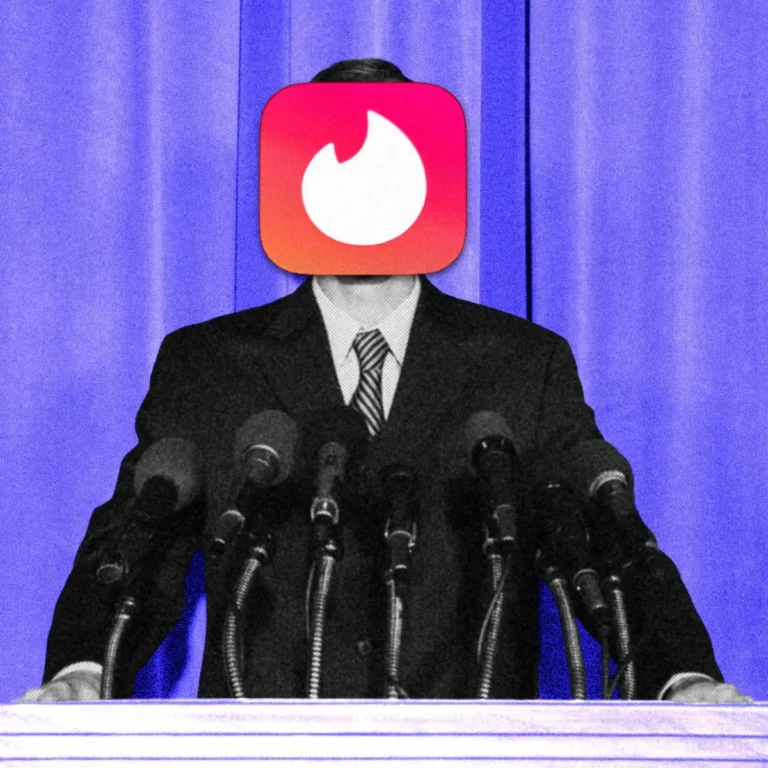


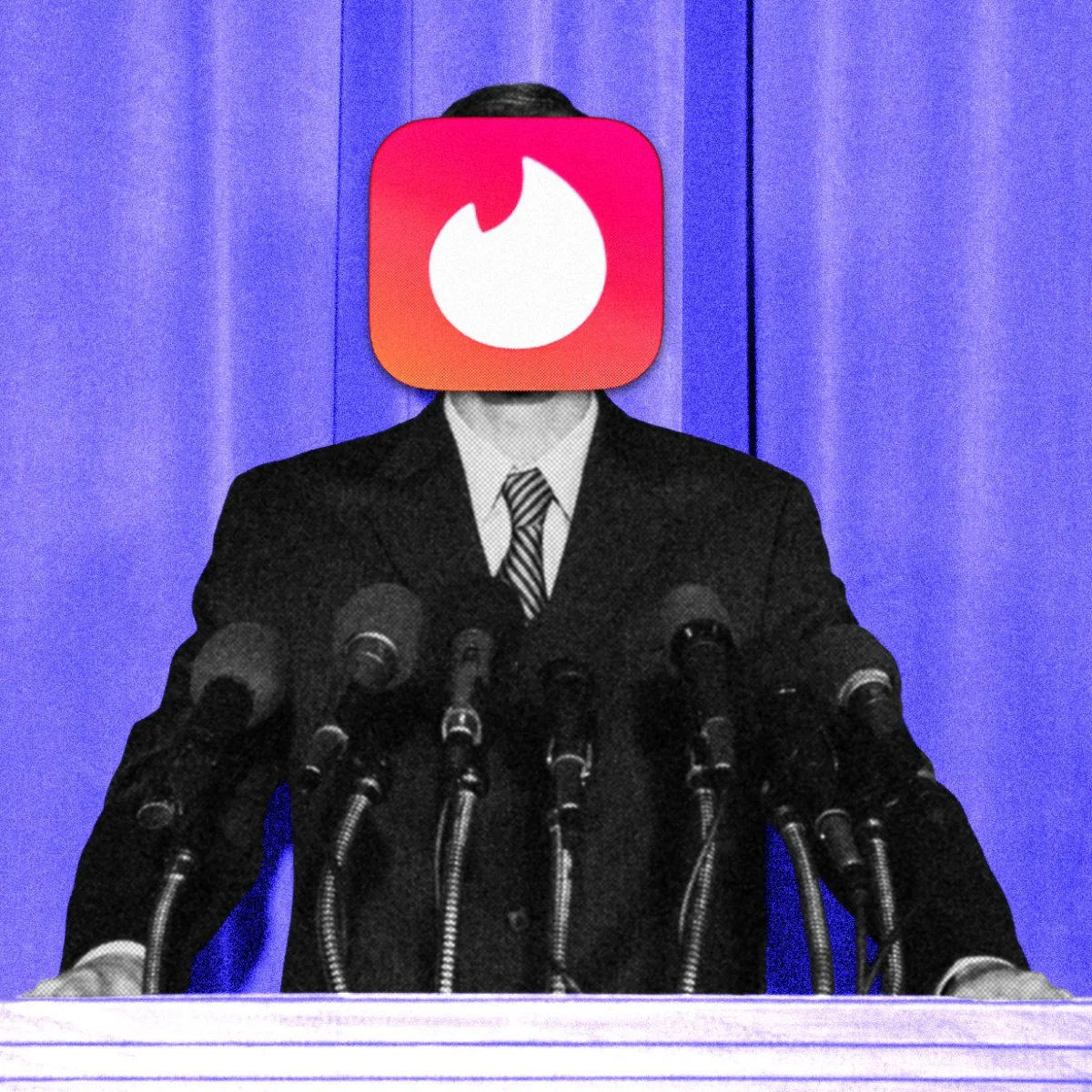
The digital dating landscape is currently undergoing its most significant transformation since the inception of the smartphone, centered largely on a comprehensive rebrand of Tinder, the industry’s most prominent player. Under the leadership of Chief Executive Officer Spencer Rascoff, Tinder is attempting to navigate a precarious transition from a "hookup app" synonymous with the "swipe" to a sophisticated social platform prioritized around low-pressure, authentic human connections. This strategic pivot comes at a critical juncture for the company, as it faces a dual challenge: a dwindling subscriber base and a growing sentiment of "dating app fatigue" among its core demographic. The introduction of features such as "Double Date" and AI-driven "Chemistry" tools represents an effort to modernize the user experience, yet these innovations have also highlighted long-standing frictions between the platform’s strict enforcement policies and the organic behaviors of its users.
The Irony of Algorithmic Innovation and User Enforcement
The tension inherent in Tinder’s evolution is perhaps best illustrated by the experience of Lauren Grauer, a New York-based talent marketer. Recently, Grauer encountered an advertisement for Tinder’s new "Double Date" feature, which allows users to pair their profiles with friends to browse other matched pairs. The irony was not lost on Grauer, who had been permanently banned from the platform four years prior for attempting a nearly identical setup. At the time, Grauer’s attempt to create a joint profile with a friend was flagged as a violation of Tinder’s community guidelines, which strictly prohibit account sharing and require each profile to represent a single individual.
Grauer’s experience, documented in a viral TikTok testimonial, underscores a broader disconnect. While Tinder is now marketing group-based swiping as a breakthrough in social connection, the platform’s legacy of rigid moderation has left many former users feeling alienated. "The reason I got banned from Tinder is what they’re advertising now," Grauer noted, reflecting a sentiment shared by many who feel the app’s past enforcement of "criminal-like" bans for creative profile use contradicts its current marketing goals. This scenario highlights the difficulty of rebranding a platform that has spent over a decade enforcing a specific, individualistic mode of interaction.
A Chronology of the Dating App Revolution
To understand the weight of Tinder’s current rebrand, one must examine the chronology of the mobile dating industry. The foundation was laid in 2009 with the launch of Grindr, the first major app to utilize geo-location for real-time connections, specifically tailored for the LGBTQ+ community. However, it was the arrival of Tinder in 2012 that democratized this technology for a mainstream global audience. Tinder’s introduction of the "swipe" mechanic revolutionized digital courtship, turning the search for a partner into a gamified, high-speed experience.
By 2016, Tinder had secured its position as a cultural juggernaut, capturing approximately 25 percent of the U.S. market share with an estimated 50 million active users. This era saw the emergence of numerous competitors, including Bumble, which prioritized women’s agency, and niche platforms like Feeld and Raya. However, as the market saturated, the novelty of the swipe began to fade. By the early 2020s, cultural critics and users alike began to describe a "dating apocalypse," characterized by endless cycles of matching without meaningful interaction. This decline in user satisfaction eventually translated to financial metrics; in the final quarter of 2025, Tinder reported an 8 percent drop in paying members, falling to 8.8 million.
The Rascoff Era: Shifting Benchmarks of Success
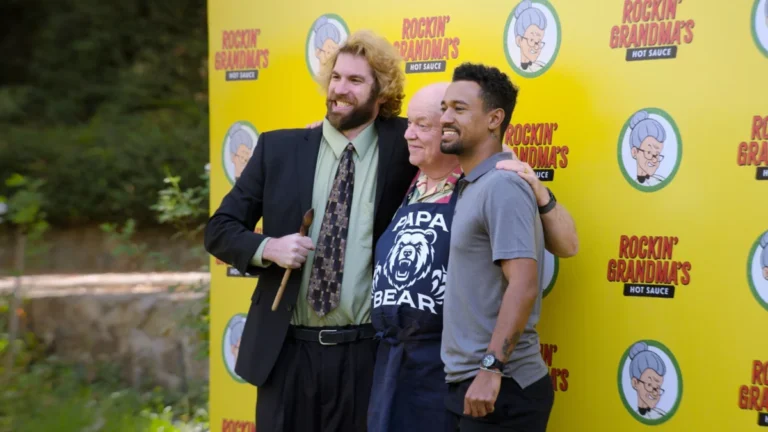
In response to these headwinds, Spencer Rascoff has initiated a total overhaul of the Tinder experience. During a recent media event at the El Rey Theater in Los Angeles, Rascoff officially reintroduced the platform, signaling a move away from the "swipe" as the primary metric of success. "Just getting matches is not the goal," Rascoff stated, emphasizing that the platform’s new priorities revolve around fostering genuine connection. The executive’s vision involves transforming Tinder into a space where "humans need humans," moving away from the transactional nature of its early years.
This rebrand is not merely cosmetic; it is backed by a significant restructuring of the company’s internal operations. In May 2025, Rascoff oversaw a 13 percent reduction in the workforce of Match Group, Tinder’s parent company, as part of a streamlining effort to prioritize artificial intelligence (AI) development. Today, Tinder reports that AI is responsible for writing more than 50 percent of the platform’s new code, a move intended to accelerate innovation and improve the efficiency of the matching algorithm.
The AI Arsenal: Chemistry, Astrology, and Profile Optimization
At the heart of Tinder’s new identity are several marquee AI-powered features designed to remove the friction of profile creation and initial conversation. The "Chemistry" tool is perhaps the most ambitious of these. By analyzing a user’s camera roll, the AI attempts to discern interests, personality traits, and aesthetic preferences to build a more comprehensive profile. Despite concerns regarding data privacy—particularly following an alleged data breach in early 2025—Tinder maintains that it does not store the raw data from these photo analyses.
In addition to Chemistry, the app has introduced "Astrology Mode," a feature specifically designed to appeal to Gen Z users by pairing individuals based on zodiac compatibility. This move reflects a broader industry trend toward "interest-based" matching rather than purely aesthetic swiping. Furthermore, Tinder is leveraging Large Language Models (LLMs) to assist users in the "flirting" process. According to the 14th annual "Singles in America" study, conducted by Match and The Kinsey Institute in 2025, 26 percent of U.S. singles have already utilized AI to help build profiles or enhance their messaging.
Trust, Safety, and the Challenges of Moderation
As Tinder integrates AI into its core functionality, it is also tasking the technology with solving the platform’s most persistent social issues: harassment and safety. The company has announced a $125 million investment in trust and safety initiatives for the current year. Central to this is the global rollout of "Face Check," a mandatory facial verification process for all new users designed to eliminate bots and "catfishing" accounts, which currently represent 98 percent of the platform’s content moderation workload.
Tinder’s Head of Trust and Safety, Yoel Roth, has detailed how the company’s internal LLMs are being trained to understand the "nuance" of human communication. This includes distinguishing between "playful profanity" and "abusive profanity." Features such as "Are You Sure?" and "Does This Bother You" have been upgraded to detect patterns associated with coercive behavior, hate speech, and sexual harassment. However, the efficacy of these tools remains a point of contention, particularly for marginalized users.
Kobe Mehki, a 23-year-old singer-songwriter and trans woman, describes the platform as a challenging environment where AI moderation often fails to prevent hypersexualization and identity-based harassment. "Men are only hypersexualizing me or asking questions about me as if I’m not even a real person," Mehki noted, highlighting the gap between technical safety measures and the lived experience of users who feel their humanity is disregarded in the digital dating space.
Demographic Realities and the Gender Imbalance
A significant hurdle for Tinder’s rebrand is the demographic composition of its user base. A 2024 analysis revealed that 75 percent of Tinder’s U.S. users identify as male. This imbalance often leads to a "humiliation ritual" for both genders: men frequently experience a lack of matches despite high activity, while women are often overwhelmed by a high volume of low-quality or inappropriate interactions. Mark Kantor, Tinder’s Head of Product, has stated that the new AI features are specifically geared toward improving the experience for women and Gen Z. The prevailing theory is that by solving the platform’s issues for its most vulnerable or selective demographics, the entire ecosystem will stabilize.
Broader Implications: Can AI Revitalize Digital Intimacy?
The ultimate question facing Tinder is whether technological intervention can solve what many perceive as a fundamentally human problem. While Rascoff and his team are betting $125 million and a total algorithmic rebuild on the idea that AI can foster connection, some users remain unconvinced. Bobby Fitzgerald, a 32-year-old nonprofit worker, rejoined the app in early 2025 only to find the experience remained "formulaic" and "tough to discern if anyone was actually there earnestly."
Fitzgerald’s decision to retreat from apps in favor of "in real life" (IRL) interactions reflects a growing trend. As digital tools become more sophisticated, a segment of the population is moving in the opposite direction, seeking organic encounters that lack the algorithmic mediation of a platform like Tinder.
As Tinder continues its rollout of AI-driven features, the industry will be watching closely to see if these innovations can reverse the decline in paid subscriptions and restore user trust. The company’s success or failure will likely serve as a bellwether for the entire social media landscape, determining whether AI is a tool for genuine human connection or merely a new layer of complexity in the "dating apocalypse." For now, Tinder remains a platform in transition, caught between its legacy as the architect of the swipe and its ambition to be the curator of modern intimacy.