

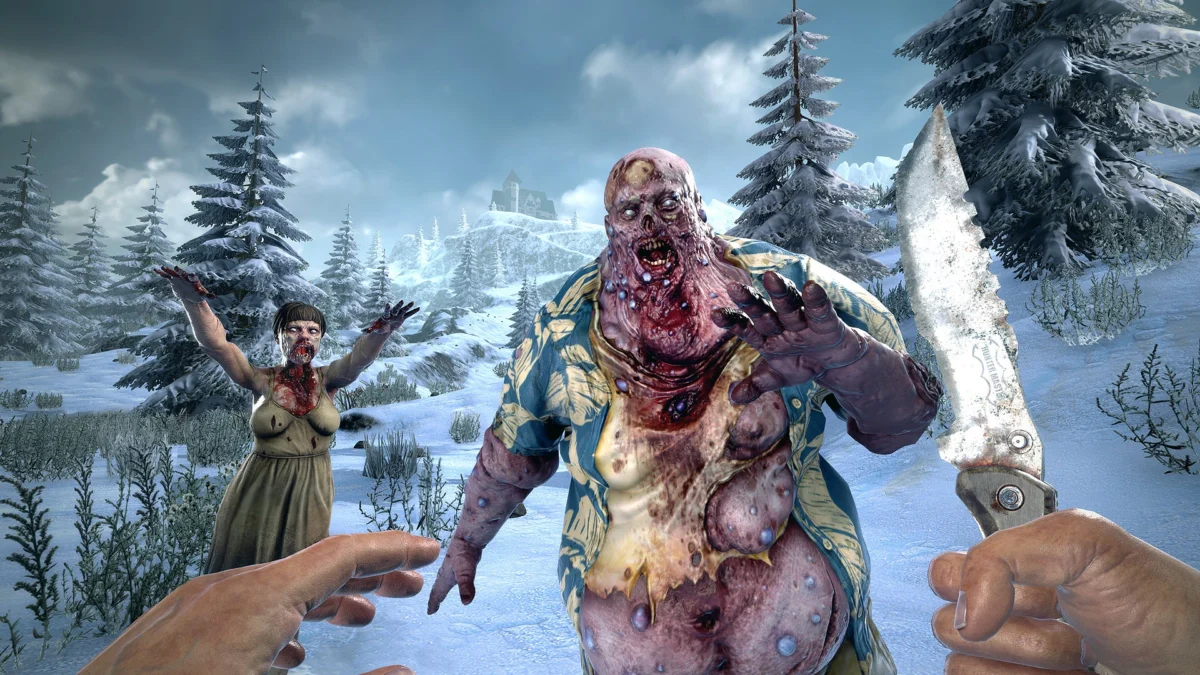
Behaviour Interactive, the Montreal-based powerhouse behind the asymmetrical horror hit Dead by Daylight, has officially announced the acquisition of The Fun Pimps, the independent studio responsible for the long-running survival-crafting phenomenon 7 Days to Die. While the financial terms of the transaction remain undisclosed, the move marks a significant consolidation within the horror and survival genres, bringing together two of the most resilient and commercially successful properties in the PC and console gaming markets. The acquisition follows a period of rapid expansion for Behaviour Interactive, which has increasingly sought to diversify its portfolio by absorbing established independent studios with proven track records in atmospheric and community-driven gameplay.
The Fun Pimps, based in Dallas, Texas, has overseen the development of 7 Days to Die for over a decade, navigating a famously long early access period that culminated in a massive "1.0" release in 2024. The game has achieved a rare level of longevity, surpassing 20 million copies sold and maintaining a "Very Positive" rating on Steam with hundreds of thousands of user reviews. By bringing The Fun Pimps into its fold, Behaviour Interactive secures a cornerstone of the survival-crafting genre, further cementing its status as a dominant force in the global horror gaming landscape.
A Decadelong Evolution: The History of 7 Days to Die
The journey of 7 Days to Die began in November 2012, when brothers Richard and Joel Huenik conceptualized a game that would blend the creative freedom of voxel-based building with the tension of high-stakes zombie survival. At the time, the survival genre was in its infancy, with titles like DayZ and Minecraft beginning to redefine player expectations. The Fun Pimps launched a Kickstarter campaign in 2013, successfully raising over $500,000 to fund the project’s initial development.
The game entered Alpha in late 2013 and quickly became a staple of the Steam Early Access program. Over the next eleven years, the title underwent radical transformations. What began as a visually rudimentary project evolved through twenty-one major "Alpha" updates, each introducing systemic overhauls to graphics, artificial intelligence, vehicle mechanics, and procedural world generation. This slow but steady development cycle fostered a deeply loyal community that remained engaged even as other survival titles rose and fell.
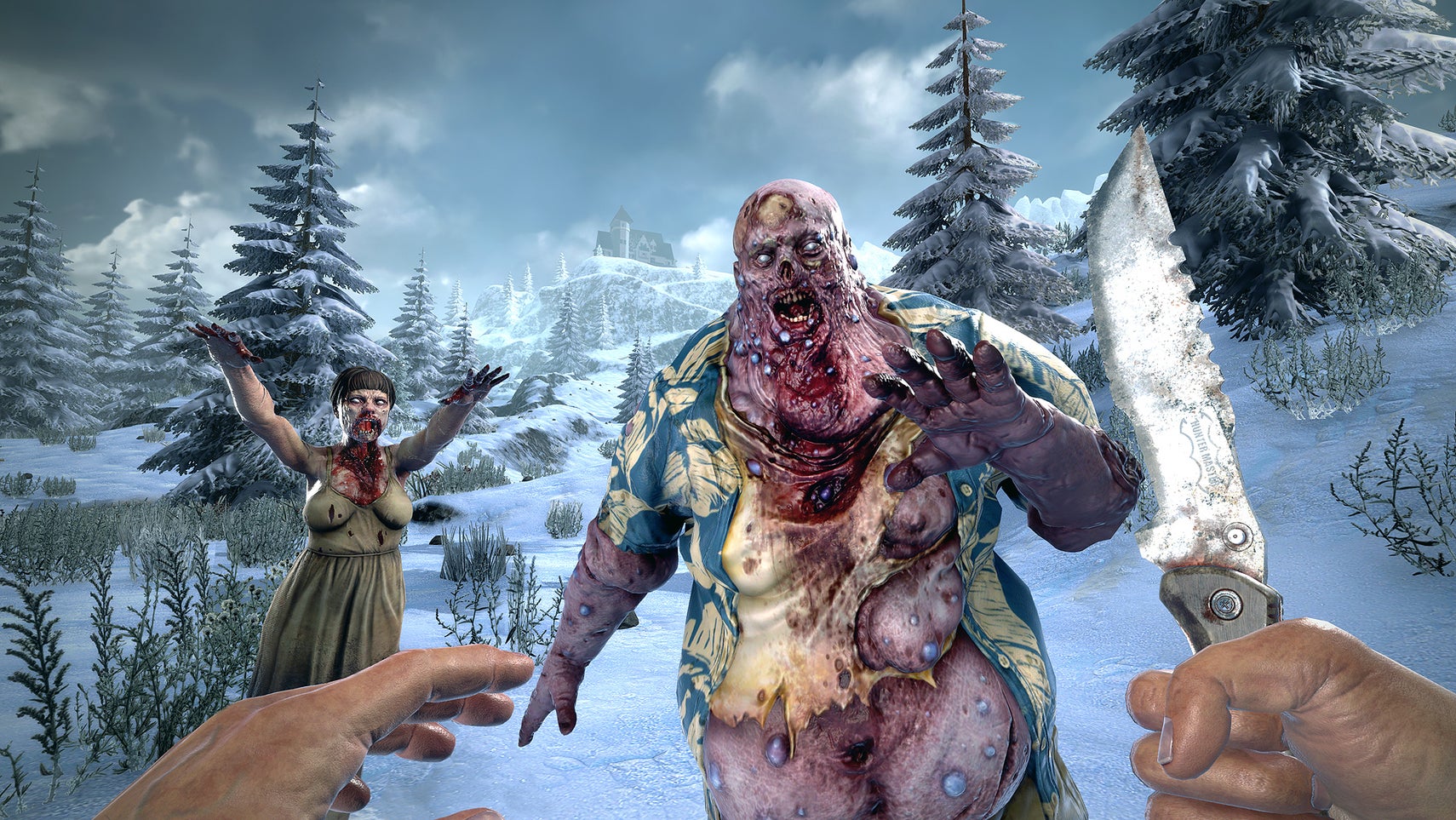
In June 2024, the game finally shed its Early Access label with the launch of version 1.0. This milestone brought significant optimizations, a revamped character system, and a renewed marketing push that saw the game reach new heights of popularity on platforms like Twitch and YouTube. The acquisition by Behaviour Interactive arrives at a pivotal moment, as The Fun Pimps transition from the "completion" of the core game to a long-term live-service and expansion model.
Strategic Synergy and Resource Expansion
The partnership is framed not as a change in creative direction, but as a massive infusion of technical and operational resources. Richard Huenik, co-founder of The Fun Pimps, emphasized that the core leadership and vision of the studio would remain intact. According to Huenik, the primary motivation behind the sale was the realization that the studio’s "ambitious ideas" for the future of 7 Days to Die required a level of support that an independent team of their size could not sustain alone.
Under the new ownership structure, The Fun Pimps will gain access to Behaviour Interactive’s extensive infrastructure, which includes specialized departments in art, engineering, quality assurance, and global community management. This is expected to accelerate the development of upcoming features, including the highly anticipated "Storm’s Brewing" update, which aims to introduce weather-based threats and enhanced environmental storytelling.
For Behaviour Interactive, the acquisition is a logical extension of its corporate strategy. The company has spent the last several years reinvesting the profits from Dead by Daylight into strategic acquisitions. In the autumn of 2024, Behaviour acquired Red Hook Studios, the creators of the Darkest Dungeon series, another critically acclaimed horror franchise. By adding 7 Days to Die to its roster, Behaviour now controls three of the most influential IPs in the horror space, creating a diverse ecosystem that spans asymmetrical multiplayer, turn-based roguelikes, and open-world survival.
Supporting Data and Market Performance
The commercial viability of 7 Days to Die remains exceptionally high, a factor that undoubtedly influenced Behaviour’s valuation of the studio. While many games see a sharp decline in players after a decade, 7 Days to Die has demonstrated an "evergreen" performance profile.

- Sales Milestones: With over 20 million units sold, the game sits in the top tier of independent success stories, rivaling the lifetime sales of major AAA titles.
- Concurrent Player Stability: Data from SteamDB indicates that 7 Days to Die consistently maintains between 40,000 and 100,000 concurrent players on the Steam platform alone, with spikes occurring during seasonal sales and major content drops.
- Monetization and Growth: Unlike many modern titles that rely on aggressive microtransactions, 7 Days to Die has historically relied on premium sales and a robust modding community. Behaviour Interactive’s expertise in live-service monetization—demonstrated by the extensive cosmetic and character-based economy in Dead by Daylight—may provide new avenues for sustainable revenue without alienating the existing player base.
The survival-horror market has proven to be one of the most resilient sectors of the gaming industry. Titles like Rust, DayZ, and Project Zomboid continue to command massive audiences years after their initial debuts. Analysts suggest that the acquisition of The Fun Pimps allows Behaviour to tap into the "crafting and building" demographic, a segment of the market that overlaps with horror fans but offers different gameplay loops and retention mechanics than the session-based matches found in Dead by Daylight.
Official Responses and Community Engagement
The announcement has elicited a mix of excitement and cautious optimism from the 7 Days to Die community. In a blog post addressed to fans, The Fun Pimps reiterated their commitment to the game’s "heart." The studio stated, "Nothing about the heart of the game is changing. Our vision stays the same, our team stays the same, and our focus remains on the community that has carried 7 Days to Die for over a decade."
Behaviour Interactive’s leadership echoed these sentiments, praising The Fun Pimps for their "unwavering dedication" and "extraordinary world-building." The Montreal studio has a reputation for allowing its acquired subsidiaries a degree of creative autonomy, as seen with its management of previous acquisitions.
To address specific player concerns regarding potential changes to modding support, server hosting, and the game’s roadmap, The Fun Pimps have scheduled an extensive Reddit Q&A session for March 25th. Modding, in particular, has been a cornerstone of the 7 Days to Die experience, with total conversion mods like "Darkness Falls" and "Ravenhearst" significantly extending the game’s lifespan. Huenik has gone on record stating that Behaviour shares their philosophy on modding, suggesting that the open-access nature of the game’s files will likely remain protected.
Broader Implications for the Gaming Industry
The acquisition of The Fun Pimps is emblematic of a broader trend of consolidation in the mid-tier gaming market. As the costs of development and marketing continue to rise, many successful independent studios are seeking the safety and resources of larger parent companies. For Behaviour Interactive, this move signals an intent to move beyond being a "one-hit wonder" with Dead by Daylight and instead become a multifaceted publisher and developer of horror-themed entertainment.

Furthermore, this deal highlights the increasing value of "legacy" Early Access titles. 7 Days to Die is a prime example of a game that grew alongside its audience, using a transparent development process to build a brand that is now worth hundreds of millions of dollars. Large publishers are increasingly looking to acquire these "pre-vetted" communities rather than taking the high-risk gamble of launching entirely new IPs from scratch.
As the integration process begins, the industry will be watching closely to see how the cultures of a scrappy Texas-based indie studio and a large Canadian corporate entity merge. If successful, the partnership could set a new standard for how long-running survival games are managed in their post-release years, potentially leading to sequels, spin-offs, or even cross-media adaptations—a path Behaviour is already exploring with the upcoming Dead by Daylight film.
In the immediate future, players of 7 Days to Die can expect a more rigorous update schedule and improved technical support. While the "undisclosed amount" of the deal keeps the exact financial scale a secret, the strategic intent is clear: Behaviour Interactive is building a horror empire, and The Fun Pimps are now a central pillar of that foundation. The next chapter for 7 Days to Die will likely be its most ambitious yet, as the "survival" of the game is no longer a question of funding, but of how far its creators can push their original vision with the backing of a global industry leader.