



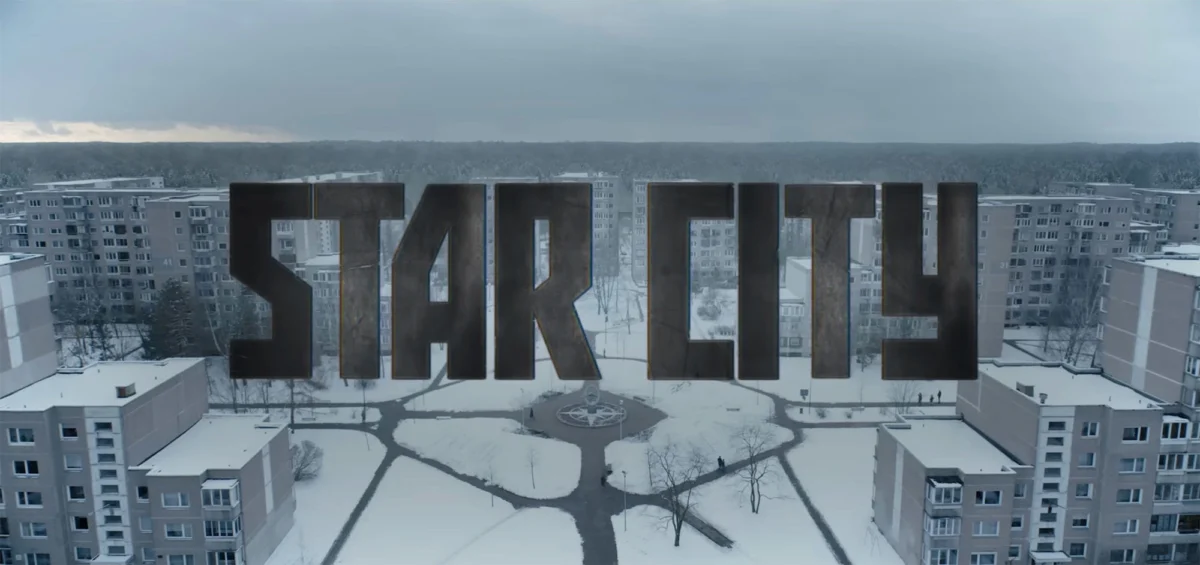
Apple TV+ has officially lifted the veil on Star City, an ambitious spin-off series set to expand the critically acclaimed alternate history universe established by its flagship space drama, For All Mankind. The streaming service released the inaugural teaser for Star City on March 25, 2026, offering audiences a tantalizing glimpse into a reimagined Cold War where the Soviet Union achieves a pivotal victory in the global space race. Slated for a May 29, 2026 premiere, the series will explore the monumental events of the Space Race from the hitherto unseen perspective of the Soviet Union, presenting a compelling "what if" scenario: what if the Soviets were the first to land a human on the Moon? This announcement arrives concurrently with the news that For All Mankind has been renewed for a sixth and final season, signaling Apple TV+’s strategic intent to build out its most successful original intellectual properties.
The premise of Star City centers on a profound re-imagining of the 20th century’s most intense technological and ideological contest. While For All Mankind meticulously chronicled the ramifications of the United States falling behind in the lunar landing, Star City promises to delve into the intricate lives and high-stakes decisions of Soviet cosmonauts, engineers, and intelligence officers. The series aims to portray the immense personal and national risks involved in the Soviet space program, operating under the mantra, "Where reaching for space meant risking everything on Earth." This narrative choice allows for a rich exploration of the internal dynamics within the Soviet system, the human stories behind the Iron Curtain, and the profound societal shifts that would ensue from such an unprecedented triumph.
The Genesis of an Alternate Universe: From For All Mankind to Star City
The foundation for Star City was meticulously laid over five seasons of For All Mankind, which premiered in 2019. Created by Ronald D. Moore, Ben Nedivi, and Matt Wolpert, For All Mankind began with the premise of Soviet cosmonaut Alexei Leonov becoming the first man on the Moon in June 1969, a month before Neil Armstrong’s historic Apollo 11 mission in our timeline. This singular divergence set off a cascade of alternate events, intensifying the Cold War, accelerating space technology, and reshaping social and political landscapes globally. The series earned widespread acclaim for its meticulous attention to historical detail, compelling character development, and breathtaking visual effects, establishing a loyal fanbase eager for further explorations of its richly imagined universe.
The success of For All Mankind demonstrated the significant appetite for high-quality alternate history narratives, particularly those that offer a fresh lens on well-trodden historical periods. Star City represents a natural, yet bold, evolution of this concept. By shifting the perspective entirely to the Soviet side, the creators are not merely rehashing events from a different angle but are constructing an entirely new narrative arc, fraught with its own unique challenges, triumphs, and moral ambiguities. The decision to launch Star City as For All Mankind concludes its run suggests a deliberate strategy by Apple TV+ to ensure continuity for its viewers within this popular sci-fi genre, allowing fans to seamlessly transition into a new chapter of the saga.

Cast and Creative Forces Behind the Iron Curtain
The ensemble cast assembled for Star City features a blend of established talent and rising stars, signaling a commitment to nuanced performances vital for such a historically-charged drama. Headlining the series are Rhys Ifans, known for his versatile roles in film and television, and Anna Maxwell Martin, an acclaimed actress with a strong background in British drama. They are joined by Agnes O’Casey, Adam Nagaitis, Alice Englert, Josef Davies, Solly McLeod, and Ruby Ashbourne Serkis. While specific character roles have yet to be fully disclosed, the caliber of these actors suggests they will embody a diverse array of figures crucial to the Soviet space effort – from daring cosmonauts and brilliant, often-underappreciated engineers, to shadowy intelligence officers and their families living under immense pressure.
The creative team behind Star City is largely drawn from the acclaimed architects of For All Mankind, ensuring a consistent vision and thematic depth. Ben Nedivi, Matt Wolpert, and Ronald D. Moore serve as creators and writers for the spin-off, leveraging their deep understanding of the alternate history framework they so successfully established. Additional writing contributions come from Andrew Chambliss, George Mastras, Megan McDonnell, Gursimran Sandhu, K.C. Scott, and Liba Vaynberg. Directorial duties are shared by Nick Murphy and Stefan Schwartz, both experienced in crafting compelling dramatic narratives. The series is produced by Tall Ship Productions and Sony Pictures Television, with executive production handled by Nedivi, Wolpert, Moore, Maril Davis, Andrew Chambliss, and Steve Oster. This continuity in leadership bodes well for maintaining the high production values and intricate storytelling that audiences have come to expect from this universe.
Historical Context and the Real "Star City"
To fully appreciate the narrative potential of Star City, it is crucial to understand the historical reality it reinterprets. The real Space Race was a furious technological and ideological competition between the United States and the Soviet Union during the Cold War (roughly 1957 to 1975). It began with the Soviet launch of Sputnik 1 in October 1957, the world’s first artificial satellite, which sent shockwaves through the American scientific and political establishments. The USSR continued its early lead by sending the first human into space, Yuri Gagarin, in April 1961. These early Soviet successes spurred the United States to commit immense resources to its own space program, culminating in President John F. Kennedy’s ambitious goal of landing a man on the Moon before the end of the decade.
The actual "Star City" (Звёздный городок, Zvyozdny gorodok) is a real, closed town located northeast of Moscow, Russia. It was established in the early 1960s as the primary training center for Soviet cosmonauts. For decades, it was shrouded in secrecy, a symbol of the Soviet Union’s highly centralized and clandestine approach to its most sensitive scientific and military endeavors. This real-world setting, imbued with historical mystique and a legacy of pioneering space exploration, provides a potent backdrop for the fictional series. The very name evokes a sense of both ambition and isolation, perfectly aligning with the "behind the Iron Curtain" narrative.
Implications of a Soviet Lunar Triumph in an Alternate History
The central conceit of Star City – a Soviet first Moon landing – carries profound implications within the alternate history framework. In the real world, the American victory in the lunar race was a massive propaganda coup for the United States, bolstering its image as a technological superpower and a beacon of democracy. Had the Soviets succeeded first, the geopolitical landscape of the Cold War would have been irrevocably altered.

- Propaganda and Ideology: A Soviet lunar triumph would have been hailed as irrefutable proof of the superiority of the communist system. It would have fueled immense national pride within the USSR and significantly boosted Soviet influence globally, particularly among developing nations. The series could explore how this propaganda machine would operate, both internally to maintain control and externally to project power.
- The Cold War Dynamic: Such a victory would likely have intensified the Cold War, potentially leading to an even more aggressive space race as the US scrambled to catch up and surpass its rival. It might have also emboldened Soviet foreign policy, leading to different outcomes in proxy conflicts and diplomatic engagements around the world. The "paranoid thriller" aspect hinted at in the description suggests the heightened tension and espionage that would permeate such an environment.
- Internal Soviet Politics: The series will likely explore the complex internal politics within the Soviet Union. A successful space program, while outwardly a triumph, would have been managed by various factions – the military, the Communist Party, scientific institutions, and the KGB. The narrative could delve into the rivalries, purges, and moral compromises made in the pursuit of national glory, highlighting the human cost of ambition under an authoritarian regime.
- Technological Trajectory: With a different victor, the entire trajectory of space exploration could have diverged. Would the Soviets have continued to dominate, or would the pressure of maintaining such a costly program have eventually led to different priorities? The series has the opportunity to imagine entirely new technological advancements and their societal impacts.
- American Response (from a Soviet View): While For All Mankind showed the American struggle to catch up, Star City will offer the Soviet perspective on this rivalry. How would Soviet intelligence agencies analyze US reactions? What fears and opportunities would arise from watching their capitalist adversary grapple with defeat?
Apple TV+’s Strategy: Building a Universe
The commissioning of Star City is a clear indicator of Apple TV+’s evolving content strategy. Since its launch, Apple has invested heavily in high-concept, prestige dramas like For All Mankind, Severance, and Ted Lasso, aiming for quality over sheer volume. The decision to create a spin-off within an existing, successful universe aligns with broader industry trends seen in platforms like Disney+ (Marvel, Star Wars) and HBO (Game of Thrones). This approach allows streamers to leverage established fanbases, reduce marketing costs, and create a sense of an expansive, interconnected narrative world.
For Apple TV+, For All Mankind has been a critical darling and a significant draw for subscribers interested in intelligent science fiction and historical drama. Star City not only capitalizes on this success but also demonstrates Apple’s commitment to nurturing its intellectual property. By offering a fresh, yet familiar, entry point into this alternate history, Apple aims to keep existing fans engaged while potentially attracting new viewers drawn to the unique Soviet perspective. This expansion also paves the way for potential future spin-offs, further solidifying the For All Mankind universe as a cornerstone of Apple TV+’s original programming.
Production Values and Anticipated Impact
Based on the reputation of For All Mankind, it is reasonable to anticipate that Star City will feature exceptional production values. The original series was lauded for its stunning visual effects, meticulous period recreation, and authentic depiction of space travel and technology. Star City will face the unique challenge of authentically recreating Soviet-era design, architecture, and technology, much of which was deliberately opaque to the West. This demands extensive research and attention to detail to ensure visual accuracy and immersive world-building. The brief 30-second teaser, while limited, already hints at a similar commitment to visual grandeur and a palpable sense of historical atmosphere.
The series is poised to resonate with a diverse audience. Fans of For All Mankind will undoubtedly be eager to delve deeper into the origins of this alternate timeline. Beyond that, the show’s blend of historical drama, science fiction, and political thriller elements will appeal to a broad demographic interested in Cold War narratives, space exploration, and intricate character studies. The ambitious undertaking of telling such a story from the Soviet viewpoint offers a rare and compelling opportunity for viewers to challenge their preconceptions and engage with a complex historical period from a dramatically different angle.
Chronology of a Spanning Narrative
The journey of this alternate history universe began with the premiere of For All Mankind in November 2019, establishing the core premise of a Soviet lunar landing in 1969. Over its subsequent seasons, the flagship series progressed through decades, portraying the rapid acceleration of space technology and its societal impacts. The announcement of For All Mankind‘s renewal for a sixth and final season in March 2026 signifies the culmination of its primary narrative arc, allowing for a planned and satisfying conclusion.

Concurrently, the release of the Star City teaser on March 25, 2026, strategically positions the spin-off to launch just as its predecessor begins to wind down. With its premiere set for May 29, 2026, Star City offers an immediate and complementary viewing experience, diving into the formative years of this alternate timeline. This carefully orchestrated release schedule underscores Apple TV+’s commitment to building a cohesive and engaging narrative ecosystem, ensuring that viewers have continuous, high-quality content within this captivating alternate universe.
Conclusion
Star City represents a significant and intriguing expansion of Apple TV+’s acclaimed For All Mankind universe. By shifting the narrative lens to the Soviet Union and exploring the profound implications of a Soviet first lunar landing, the series promises a fresh, complex, and potentially groundbreaking reinterpretation of one of history’s most pivotal rivalries. With a strong creative team and a talented ensemble cast, the series is well-positioned to deliver a compelling "propulsive paranoid thriller" that delves into the human cost and ideological stakes of the Space Race from an entirely new perspective. As the premiere date approaches, anticipation is building for what could be another landmark series in the burgeoning landscape of prestige streaming dramas, further cementing Apple TV+’s reputation for bold and innovative storytelling.