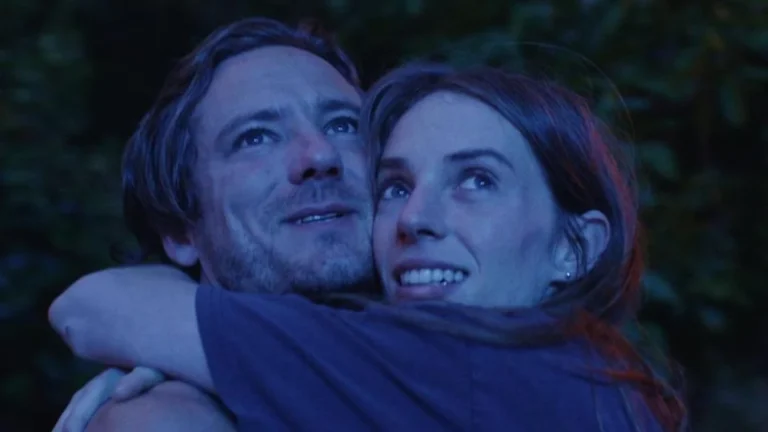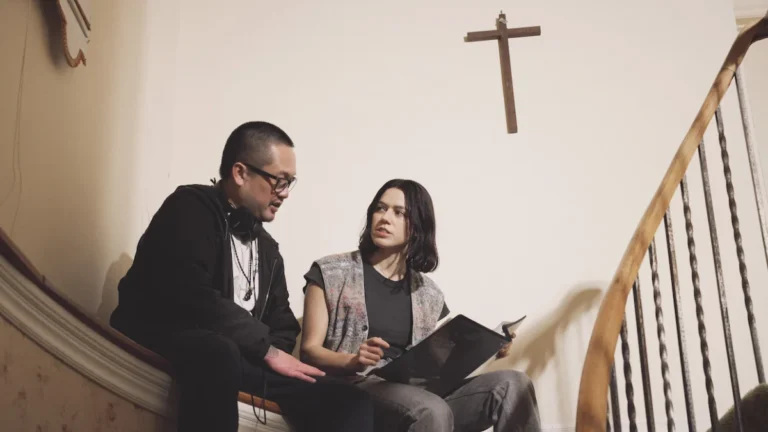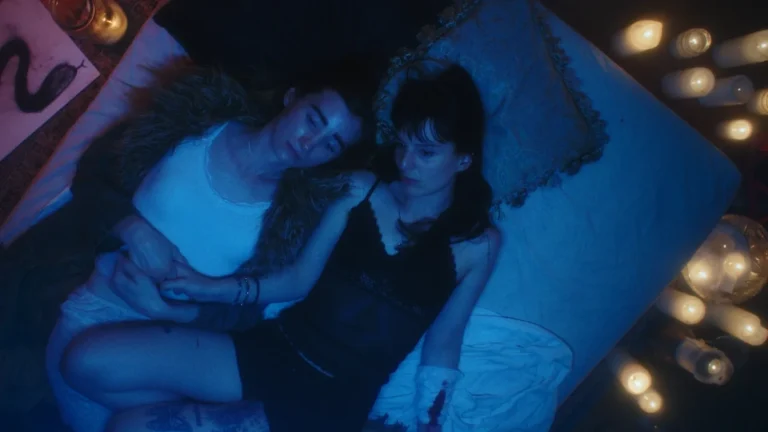

The South by Southwest (SXSW) Film & TV Festival marks its 40th anniversary in 2026, solidifying its position as a premier global destination for the intersection of technology, music, and cinema. This year’s event features a massive slate of 119 feature films, a testament to the festival’s enduring influence in the independent film landscape. As Austin prepares to host thousands of industry professionals, critics, and cinephiles, the 2026 lineup reflects a strategic pivot toward high-concept genre fare, auteur-driven narratives, and a renewed focus on the evolving landscape of episodic television. The festival’s role as a launchpad for both major studio acquisitions and avant-garde discoveries remains central to its identity, particularly as the industry navigates the complexities of post-strike production and the integration of artificial intelligence in creative workflows.
A Strategic Emphasis on Genre and Midnight Premieres
The 2026 selection demonstrates a clear commitment to genre cinema, a category that has historically performed well with the Austin audience. Leading the charge is Hokum, the latest effort from Irish filmmaker Damian McCarthy. Following the success of his previous low-budget horror ventures, McCarthy has scaled his production for this folk-horror narrative. Distributed by Neon, Hokum is scheduled for a wide theatrical release just two and a half weeks after its SXSW debut. This rapid turnaround suggests a high level of confidence from the distributor, positioning the film to capitalize on the immediate social media buzz generated by festival screenings.
In addition to traditional horror, the festival highlights the "dark comedy thriller" subgenre. Jorma Taccone, a member of The Lonely Island, returns to the director’s chair with Over Your Dead Body. Starring Jason Segel and Samara Weaving, the film explores a fractured relationship that devolves into a mutual murder plot during a remote cabin retreat. This marks Taccone’s first directorial feature since the 2016 cult hit Popstar: Never Stop Never Stopping, signaling a move toward more cynical, character-driven humor. Samara Weaving maintains a double presence at the festival, also starring in Ready or Not 2: Here I Come. Directed by the Radio Silence collective, the sequel follows the 2019 sleeper hit that grossed $57 million globally. The inclusion of such high-profile sequels indicates SXSW’s growing importance as a venue for commercial genre franchises seeking to maintain "indie" credibility.
The Return of Auteur Visionaries and Visual Artists
The 40th edition also serves as a homecoming for several established auteurs who have previously found success within the Austin circuit. Boots Riley, whose 2018 debut Sorry to Bother You became a cultural touchstone, returns with I Love Boosters. Starring Keke Palmer, the film follows a crew of professional shoplifters targeting a high-fashion mogul. Riley’s work continues to blend absurdist humor with radical social commentary, exploring the "means of production" through a satirical lens. Industry analysts suggest that Riley’s return to SXSW, rather than a fall festival like TIFF or Venice, reinforces the festival’s reputation as the primary hub for subversive, politically charged American independent cinema.
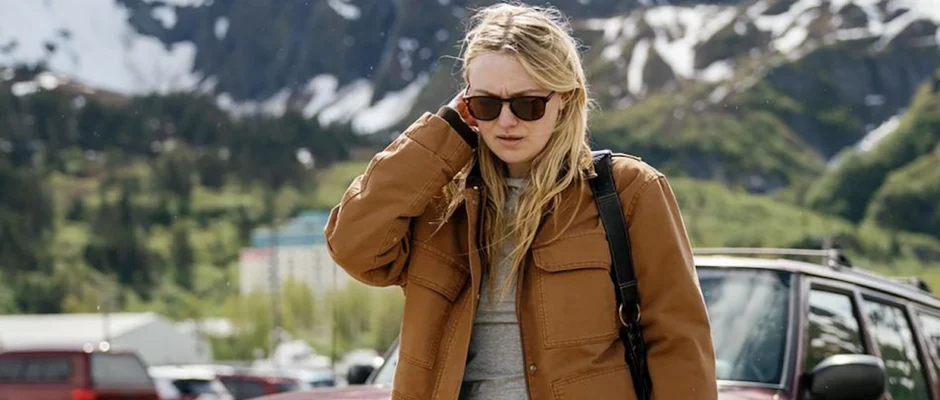
Similarly, Joe Swanberg, a pioneer of the "mumblecore" movement, returns after a six-year hiatus with The Sun Never Sets. Shot on 35mm film in the rugged landscapes of Alaska, the project stars Dakota Fanning and Jake Johnson. Swanberg’s transition from ultra-low-budget digital aesthetics to celluloid reflects a broader trend among indie veterans seeking a more tactile, cinematic quality. The film’s narrative—a tense love triangle involving an unexpected reunion with an ex-partner—aligns with Swanberg’s career-long interrogation of modern intimacy and communication.
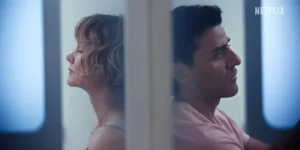
Alex Prager, a visual artist celebrated for her highly stylized, cinematic photography, makes her feature directorial debut with DreamQuil. Featuring Elizabeth Banks and John C. Riley, the film is set in a near-future dystopia where environmental degradation has forced society into digital isolation. The plot, involving a virtual wellness retreat and an android domestic substitute, offers a timely critique of the wellness industry and the dehumanizing potential of artificial intelligence. Prager’s involvement highlights the festival’s ongoing tradition of bridging the gap between the fine art world and narrative filmmaking.
Non-Fiction Explorations: From Personal Identity to Bio-Hacking
The documentary slate for SXSW 2026 is characterized by its intimate scale and its willingness to confront niche or controversial subjects. Adam’s Apple, a collaborative project between filmmaker Amy Jenkins and her son Adam, offers a 20-year longitudinal look at a transgender teen’s coming-of-age. By utilizing archival footage and ceding the camera to her subject, Jenkins avoids the pitfalls of the "cisgender gaze," providing a holistic portrait of gender identity and familial evolution.

In contrast, Daniel Lambroso’s Manhood investigates the fringes of the "looksmaxxing" subculture. The documentary follows Bill Moore, a Dallas-based bio-hacker promoting a controversial penis-enlargement procedure. Executive produced by Penny Lane, a filmmaker known for her rigorous examination of fringe beliefs and scientific anomalies, Manhood serves as a case study in body dysmorphia and the volatile intersection of masculinity and cosmetic technology.
The festival also pays homage to musical history with We Are the Shaggs. Directed by Ken Kwapis, the documentary revisits the legacy of the Wiggins sisters, whose 1969 album Philosophy of the World is frequently cited as the "best worst album" ever made. The film features interviews with the surviving sisters, Dorothy and Betty, offering a retrospective on how a project once dismissed as discordant and erratic eventually gained a cult following among avant-garde legends like Frank Zappa and Kurt Cobain.
Episodic Content and the Impact of Artificial Intelligence
The "TV" portion of the SXSW Film & TV Festival has seen exponential growth over the last decade, and 2026 features a landmark revival. Lisa Kudrow returns as Valerie Cherish in the third season of The Comeback. The HBO series has historically served as a meta-commentary on the state of the television industry, with its first season tackling the rise of reality TV and its second exploring the prestige cable era.
Season 3 is set to address the most pressing issue in contemporary Hollywood: the integration of generative AI in creative writing. The narrative reveals that Valerie’s latest writers’ room consists of human comedians, such as John Early and Abbi Jacobson, working alongside AI software. This plot point reflects real-world anxieties that led to the 2023 WGA and SAG-AFTRA strikes, positioning The Comeback as a critical reflection on the labor shifts currently reshaping the industry.
Industry Implications and the Austin Economic Landscape
The 40th edition of SXSW arrives at a time of transition for the film industry. With 119 features on the schedule, the festival remains a vital marketplace for acquisitions. In previous years, SXSW has been the site of major deals involving streamers like Netflix, Apple TV+, and Amazon MGM Studios. The 2026 lineup, with its mix of star-driven genre pieces and experimental docs, is designed to appeal to both theatrical distributors and SVOD platforms.
Furthermore, the festival continues to be a significant economic driver for the city of Austin. According to historical data from the SXSW Economic Impact Reports, the festival typically contributes over $300 million to the local economy. The 2026 iteration is expected to meet or exceed these figures, particularly with the inclusion of high-traffic panels such as "Youth in Front and Behind the Cameras," featuring rising actors like Ora Duplass and Dempsey Bryk. This panel, scheduled for March 13, underscores the festival’s commitment to fostering the next generation of talent, a core tenet of the Duplass Brothers’ production philosophy, which is heavily represented in this year’s program through the film Their Town.
Chronology of Key Events and Programming
The festival’s structure for 2026 follows a strategic timeline designed to maximize engagement across different sectors:
- Opening Weekend (March 13–15): Focus on high-profile world premieres and the "Midnight" genre section. Major studio-backed titles like Ready or Not 2 and Hokum are expected to anchor these dates.
- Mid-Week (March 16–19): Shift toward the "Concert Showcase" and music-related cinema, including Chandler Levack’s Mile End Kicks and the documentary We Are the Shaggs.
- Closing Weekend (March 20–22): Announcement of the Jury and Audience Awards, followed by encore screenings of the festival’s most popular titles.
As the 40th SXSW Film & TV Festival approaches, the diversity of its programming suggests an industry that is simultaneously looking backward at its roots—honoring mumblecore legends and cult musical acts—and forward toward a future defined by technological disruption and shifting social identities. Whether through the lens of a 35mm camera in Alaska or an AI-driven writers’ room in Los Angeles, the films of SXSW 2026 aim to capture a snapshot of a global culture in flux.