



Amazon MGM Studios has initiated a significant restructuring within its Worldbuilding Series team, a pivotal division responsible for the development and production of the company’s ambitious genre television content. This latest internal adjustment has resulted in the departures of two key executives, Matthew King and Adrienne O’Riain, as the studio continues to refine its operational structure under the leadership of Peter Friedlander, Head of Television. The move is framed as an effort to foster a more agile and streamlined organization, capable of responding swiftly to the dynamic demands of the global streaming landscape.
The Evolving Landscape of Genre Television at Amazon MGM Studios
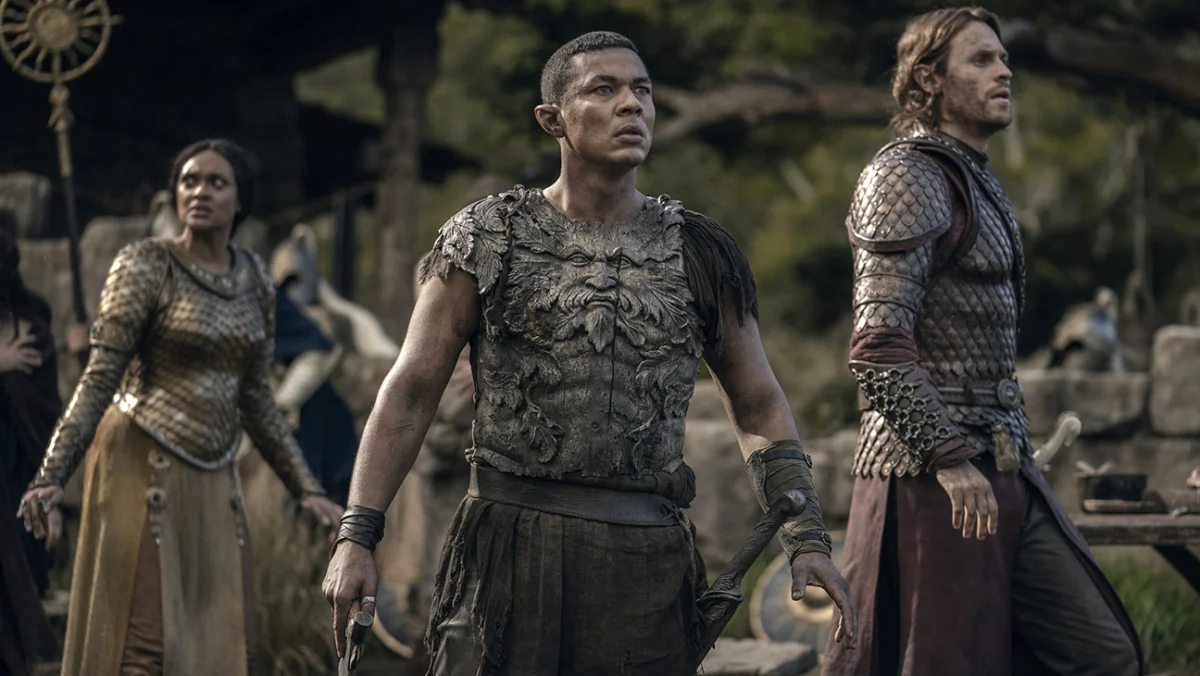
The Worldbuilding Series team, as its name suggests, is the engine behind Amazon MGM Studios’ expansive slate of fantasy, science fiction, and other large-scale genre narratives. This category of content has become increasingly critical in the fiercely competitive streaming wars, serving as a primary driver for subscriber acquisition and retention. Blockbuster genre series, often characterized by their intricate narratives, high production values, and dedicated fan bases, demand substantial investment and a highly specialized development and production pipeline. Amazon’s commitment to this space is evident in its multi-billion-dollar investment in titles such as The Lord of the Rings: The Rings of Power, a flagship series designed to anchor its Prime Video offering and compete with established franchises on rival platforms like HBO’s House of the Dragon or Disney+’s Star Wars universe.
This current reorganization is not an isolated event but rather the latest iteration in a series of strategic shifts that began in earnest with Peter Friedlander’s arrival. Friedlander, who joined Amazon MGM Studios in early October of last year after a distinguished 14-year tenure at Netflix, was brought in to overhaul the studio’s television operations. His mandate was clear: to streamline content development and production, optimize efficiency, and sharpen Amazon’s competitive edge in original programming. He replaced Vernon Sanders, whose previous organizational model was structured around wholly owned productions versus co-productions. Friedlander’s vision, heavily influenced by his experience at Netflix, has been to pivot towards a genre-based framework, believing it fosters greater specialization and strategic alignment.
A Chronology of Transformation: From Broad Divisions to Specialized Units
The seeds of the current Worldbuilding team restructuring were sown in January of this year, when Friedlander initiated a sweeping reorganization of the television division. This foundational change saw the creation of distinct, genre-focused teams for both development and current programming. These new pillars included dedicated units for Drama, Comedy, Animation, Unscripted, and, crucially, Worldbuilding.
This initial shake-up in January led to several high-profile executive transitions. Laura Lancaster and Nick Pepper, who had held significant leadership roles, departed the organization. Their exits paved the way for new leadership aligned with Friedlander’s genre-centric strategy. Jenn Levy stepped in to lead the Unscripted team, while Melissa Wolfe took the reins of the Animation division. Concurrently, Blair Fetter was brought on board to head the newly formed Worldbuilding team, tasked with overseeing Amazon MGM’s ambitious slate of fantasy and sci-fi projects. Fetter’s arrival marked a new chapter for the genre content strategy, with a clear directive to build and manage a robust pipeline of epic narratives.
The latest changes, announced internally by Blair Fetter, represent a further refinement of this genre-focused approach, specifically within the Worldbuilding Series team. It signals an ongoing process of optimizing structure and personnel to achieve peak operational efficiency and creative output.
Blair Fetter’s Vision: A Flatter, More Nimble Worldbuilding Team
In an internal memo circulated today, Blair Fetter communicated the specifics of the reorganization to his staff. The memo outlined a strategic shift towards a "flatter, more streamlined structure" for the Worldbuilding Series organization. This move is designed to empower leaders who are "nimble and versatile enough to move fluidly between development and current production," ultimately fostering "greater autonomy" within the team. The overarching goal, as articulated by Fetter, is to enable the team to continue developing "ambitious, global series our audiences love."
Fetter’s memo also addressed the departures of Matthew King and Adrienne O’Riain. He acknowledged their significant contributions, stating, "Matt and Adrienne have each been incredible partners and have given so much to this team." King was specifically credited with bringing a "distinct vision to the wholly owned development team," contributing to the successful launch of 56 Days and the upcoming series Carrie and Criminal. O’Riain was similarly lauded for her work on 56 Days and her championing of the "highly anticipated series Elle." While such announcements are standard practice during executive transitions, they underscore the impact these individuals had on specific projects within the studio’s pipeline. The studio’s decision to move towards a new structural paradigm, despite the successes of individual executives, reflects a broader strategic imperative rather than a commentary on individual performance.
The concept of a "flatter" organizational structure typically implies fewer layers of management, designed to expedite decision-making and enhance communication channels. In the context of content production, this could mean a more direct path from concept to greenlight, and a more integrated approach to managing a series from its initial development stages through to active production and post-launch management. This increased agility is paramount in a streaming environment where speed to market and the ability to adapt to evolving viewer preferences can significantly impact a platform’s competitive standing.
The Strategic Imperative: Amazon’s Bid for Streaming Dominance
These continuous reorganizations at Amazon MGM Studios are intrinsically linked to Amazon’s overarching corporate strategy for Prime Video. The acquisition of MGM Studios in 2022 for approximately $8.5 billion underscored Amazon’s commitment to bolstering its content library and intellectual property, providing a rich foundation for future series and films. The integration of MGM’s storied catalog and production capabilities with Amazon’s existing Prime Video operations has been a complex, multi-stage process, and these internal restructurings are a natural consequence of merging disparate corporate cultures and operational methodologies.
Amazon’s substantial investment in original content, estimated to be in the tens of billions annually across all its content initiatives, places immense pressure on its studio operations to deliver commercially successful and critically acclaimed series. The streaming market is saturated, with fierce competition from established players like Netflix, Disney+, Max (formerly HBO Max), and Hulu, all vying for subscriber attention and loyalty. In this high-stakes environment, the ability to consistently produce captivating, high-quality "worldbuilding" content is not just an advantage—it’s a necessity. Such content tends to have broad international appeal, allowing Amazon to leverage its global reach through Prime Video.
By streamlining the Worldbuilding Series team, Amazon MGM Studios aims to optimize its creative output and operational efficiency. The goal is to ensure that its substantial investments translate into compelling content that resonates with a global audience, driving subscriber growth and solidifying Prime Video’s position as a premier entertainment destination. The focus on "nimble and versatile" leadership also suggests a desire to foster a more entrepreneurial and adaptable approach to content creation, crucial for navigating the unpredictable currents of audience tastes and technological advancements in the entertainment industry.
Implications for Content Development, Creative Partnerships, and the Future Pipeline
The shift towards a flatter, more autonomous Worldbuilding team carries several implications for content development and Amazon MGM’s relationships with creative partners. For showrunners, writers, and producers, a streamlined structure could potentially mean fewer bureaucratic hurdles and a more direct line of communication with decision-makers. This could accelerate the development process, from pitch to greenlight, and foster a more collaborative environment. The emphasis on leaders moving "fluidly between development and current production" suggests a desire for a more holistic approach to content management, ensuring that creative visions are maintained consistently throughout a project’s lifecycle.
The continued focus on "ambitious, global series" signals Amazon MGM’s intent to double down on high-concept, large-scale productions that can attract and retain a wide international audience. This may lead to a prioritization of projects with broad commercial appeal and strong franchise potential, potentially impacting the diversity of smaller, more niche genre content in favor of tentpole series. The success of projects like The Lord of the Rings: The Rings of Power, despite its mixed critical reception, demonstrates the immense power of established IP and grand narratives in driving subscriber interest.
For the executives remaining within the Worldbuilding team, the reorganization likely means increased responsibilities and a mandate to operate with greater autonomy. The pressure to deliver within this new, leaner framework will be significant, as they are now positioned to directly influence the strategic direction and creative execution of Amazon’s most high-profile genre content.
In conclusion, the reorganization of the Worldbuilding Series team at Amazon MGM Studios is a strategic maneuver within a larger, ongoing effort to optimize its television operations. Under Peter Friedlander’s leadership, the studio is moving towards a more specialized, genre-focused, and streamlined structure designed to enhance efficiency, accelerate content development, and solidify Prime Video’s competitive standing in the global streaming market. The departures of Matthew King and Adrienne O’Riain are part of this evolving landscape, as the studio continues to refine its approach to producing the ambitious, high-impact genre content that has become essential for success in today’s entertainment industry. This signals Amazon’s unwavering commitment to investing heavily in original programming and continually adapting its internal structures to meet the ever-increasing demands of its global audience and the fiercely competitive streaming arena. More developments in this dynamic space are undoubtedly yet to come.