


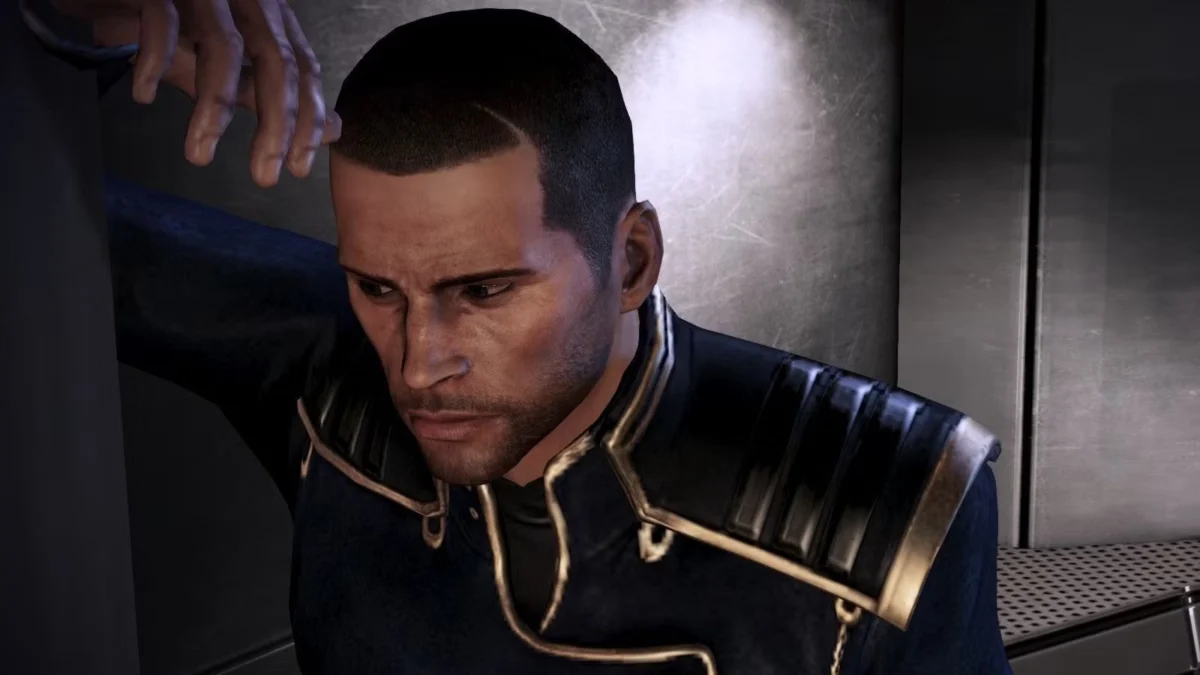
The highly anticipated television adaptation of the Mass Effect franchise is currently navigating a pivotal development phase as Amazon MGM Studios seeks to ensure the project resonates with a demographic beyond the established gaming community. Reports indicate that Peter Friedlander, the newly appointed head of global television at Amazon, has implemented a rigorous review process for all high-profile projects in development, including the sci-fi epic based on BioWare’s iconic role-playing game series. According to industry insiders, Friedlander has requested comprehensive rewrites of the existing scripts to enhance their accessibility for "non-gamers," a move that has placed the production in a state of temporary stasis as it awaits a formal "green light" for full-scale production.
This strategic pivot reflects a broader trend within the entertainment industry, where major streaming platforms are increasingly cautious about the high costs associated with prestige genre fiction. While the Mass Effect intellectual property possesses a massive global following, Amazon’s leadership appears focused on avoiding the pitfalls of niche appeal, seeking instead to replicate the cross-over success of its recent hit, Fallout. The mandate for rewrites suggests that while the core elements of the Mass Effect universe—its complex interstellar politics, diverse alien species, and high-stakes narrative—remain intact, the presentation and entry points for the story are being recalibrated to ensure general audiences can engage with the material without prior knowledge of the video games.
A Chronology of the Mass Effect Adaptation
The journey to bring Mass Effect to the screen has been a protracted one, spanning over a decade of false starts and shifting mediums. The franchise, which debuted in 2007 on the Xbox 360, was originally optioned for a feature film by Legendary Pictures and Warner Bros. in 2010. However, the project languished in "development hell" for years as writers struggled to condense the expansive, choice-driven narrative of the first game into a two-hour cinematic format. By the mid-2010s, the focus shifted toward the burgeoning landscape of prestige television, which offered a more suitable canvas for the series’ episodic structure and deep character development.
In November 2021, reports first surfaced that Amazon was in negotiations to develop a series. It wasn’t until November 7, 2024—a date celebrated by fans as "N7 Day"—that Amazon MGM Studios officially confirmed the project was in active development. The announcement was met with significant enthusiasm, particularly when it was revealed that Daniel Casey, known for his work on F9: The Fast Saga, would serve as the lead writer and executive producer. Joining him are executive producers Karim Zreik, Michael Gamble of BioWare, and Ari Arad.
The production reached a new milestone in mid-2024 when it was confirmed that the creative team behind the Fallout television series would be lending their expertise to Mass Effect. Given that Fallout became one of Amazon’s most-watched original series, attracting over 100 million viewers worldwide, the involvement of its production team was seen as a major endorsement of Mass Effect’s potential. However, the recent intervention by Peter Friedlander underscores the pressure on the creative team to deliver a product that achieves similar universal acclaim.
Analyzing the "Non-Gamer" Mandate
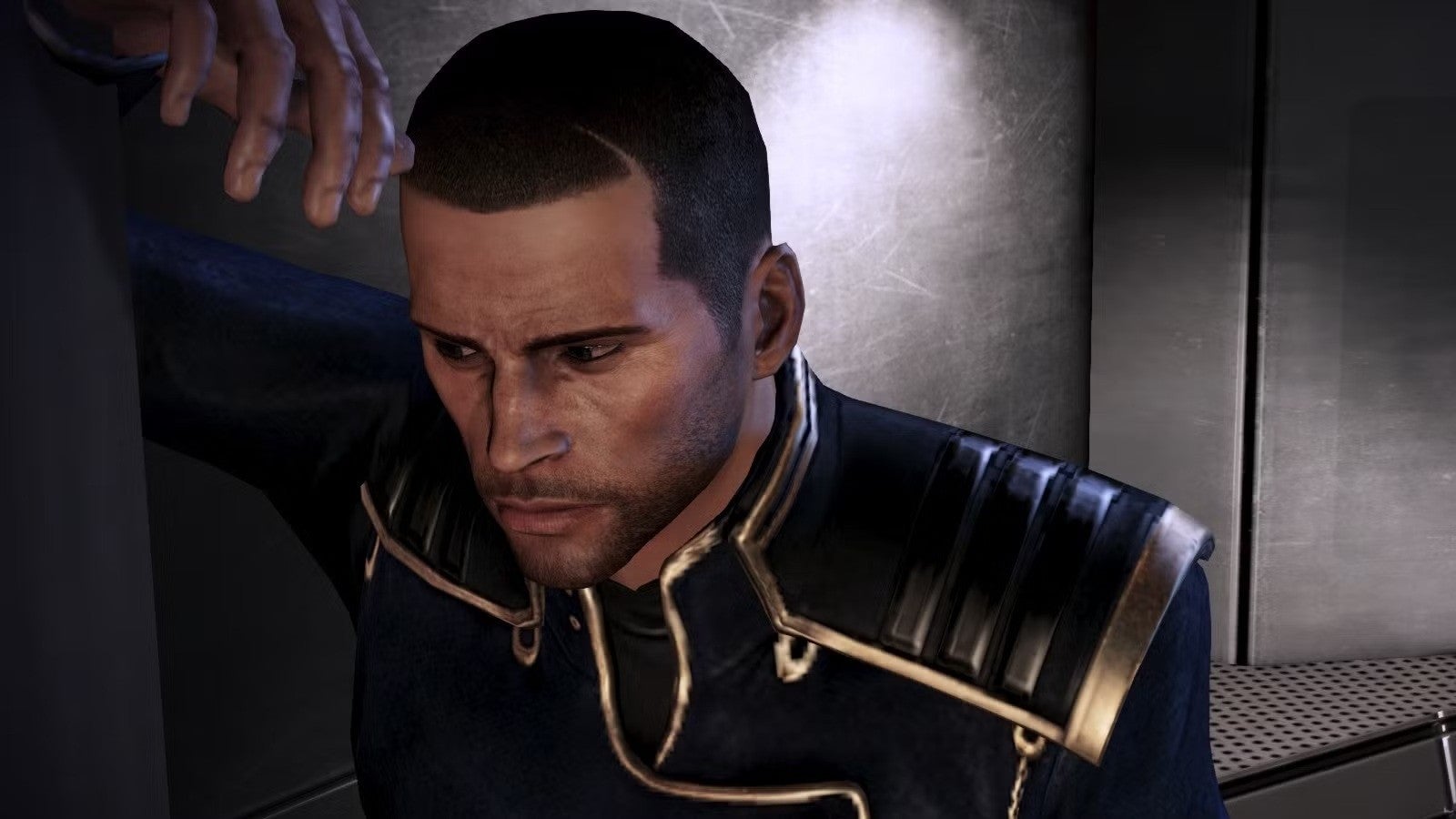
The request to make the show more "appealing to non-gamers" is a nuanced directive that often involves balancing lore fidelity with narrative clarity. In the context of Mass Effect, this likely means a focus on the human element of the story and a streamlining of the complex galactic history that defines the setting. The Mass Effect games are renowned for their "Codex," an in-game encyclopedia detailing everything from the physics of "Mass Effect fields" to the cultural nuances of the avian-like Turians and the amphibious Salarians. For a television audience, conveying this information organically without resorting to heavy-handed exposition is a significant creative challenge.
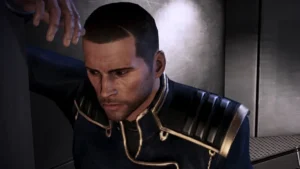
Industry analysts suggest that the rewrites may focus on the show’s "on-boarding" process. In the games, the player assumes the role of Commander Shepard, a character whose background is chosen by the player. In a television format, the protagonist must have a fixed, compelling backstory that grounds the audience. Furthermore, the political landscape of the Citadel—the massive space station that serves as the seat of galactic government—must be presented in a way that mirrors recognizable political dramas, making the stakes clear to those who have never held a controller.
The success of HBO’s The Last of Us and Amazon’s own Fallout has provided a blueprint for this approach. Both series stayed true to the "spirit" of their source material while making tactical changes to the plot to better suit the medium of television. Fallout, in particular, opted for an original story set within the game’s universe rather than a direct adaptation of a specific game’s plot, a strategy that allowed it to surprise veteran fans while remaining perfectly legible to newcomers.
Leaked Casting Calls and Narrative Speculation
Speculation regarding the show’s plot intensified following a series of leaked casting calls in late 2024. These leaks provided the first tangible clues about the characters that will inhabit Amazon’s version of the Milky Way. The most notable casting description was for a lead male character described as a "young Colin Farrell-type" between the ages of 30 and 39. This has led many to believe that the series will indeed feature Commander Shepard as the central figure, despite the franchise’s history of allowing players to choose the gender and appearance of the protagonist.
Other leaked roles include:
- A Female Alien Co-Lead: Requiring extensive prosthetics, this character is described as being in her mid-30s. Fans have speculated this could be Liara T’Soni, a fan-favorite Asari scientist, or Tali’Zorah, a Quarian machinist.
- A Female Human Parallel: This character is reportedly based on Earth, providing a narrative perspective from the human homeworld. This suggests the show may explore the tension between Earth-based interests and the human colonies in deep space.
- The Villain: Described as a "Doug Jones-type" male, implying a role that requires a tall, slender actor capable of expressive physical performance, likely involving heavy makeup or motion capture. This points toward a member of a non-human species, such as a Geth or a Prothean.
- The Soldier: A "wrestler-type" male, suggesting a character with significant physical presence, possibly a Krogan or a veteran human marine like James Vega.
The inclusion of a parallel narrative on Earth is a notable departure from the structure of the first game, which spent very little time on the human homeworld. This addition aligns with the goal of making the series more relatable to non-gamers by providing a familiar setting and human-centric stakes to balance the more fantastical elements of deep-space travel and alien diplomacy.

The Economic Stakes for Amazon MGM Studios
Amazon’s investment in Mass Effect is part of a larger, multi-billion dollar strategy to secure dominant intellectual properties that can serve as "tentpole" franchises for Prime Video. The platform currently hosts The Lord of the Rings: The Rings of Power, which stands as the most expensive television production in history. However, with the mixed critical reception of some high-budget offerings, Amazon is applying more scrutiny to its upcoming slate.
The data supporting the viability of video game adaptations is compelling. According to market research, the "gamer" demographic now encompasses over 3 billion people globally. However, the "prestige TV" audience is even larger. By bridging the gap between these two groups, Amazon aims to maximize its return on investment. The Mass Effect Legendary Edition, a remastered collection of the original trilogy released in 2021, outperformed sales expectations, proving that the IP remains relevant and lucrative nearly two decades after its inception.
Broader Implications for the Genre
The outcome of the Mass Effect rewrites will likely serve as a bellwether for future video game adaptations. If Amazon succeeds in creating a show that satisfies hardcore fans while capturing the "Watercooler" conversation of general audiences, it will solidify the "Fallout model" as the industry standard. Conversely, if the rewrites dilute the unique identity of the source material in an attempt to please everyone, the project risks alienating the very fanbase that provides its foundational support.
Furthermore, the Mass Effect series is entering a crowded sci-fi marketplace. With established giants like Star Trek and Star Wars continuing to expand on streaming, and the critical success of shows like The Expanse and Andor, Mass Effect must distinguish itself through its unique blend of hard sci-fi, philosophical inquiry, and diverse character relationships. The themes of the games—such as the ethics of artificial intelligence, the dangers of genetic engineering, and the necessity of inter-species cooperation in the face of an existential threat—are more relevant today than they were in 2007.
Conclusion and Future Outlook
As of early 2025, the Mass Effect TV series remains in the pre-production phase. While the request for rewrites has caused a delay in the production timeline, it also indicates that Amazon is committed to the project’s long-term success rather than rushing a subpar product to market. Peter Friedlander’s involvement suggests a top-down focus on narrative quality and broad-spectrum appeal.
For the fans, the wait continues. The central question remains whether the television version of Commander Shepard—or whoever leads the series—will be able to capture the "magic" of the games: the feeling that every choice matters and that the galaxy is a vast, beautiful, and dangerous place worth saving. As the scripts are refined and the production moves closer to a formal green light, the industry will be watching closely to see if Amazon can turn one of gaming’s greatest space operas into a definitive television event. For now, the Normandy remains in the hangar, awaiting its new orders.