



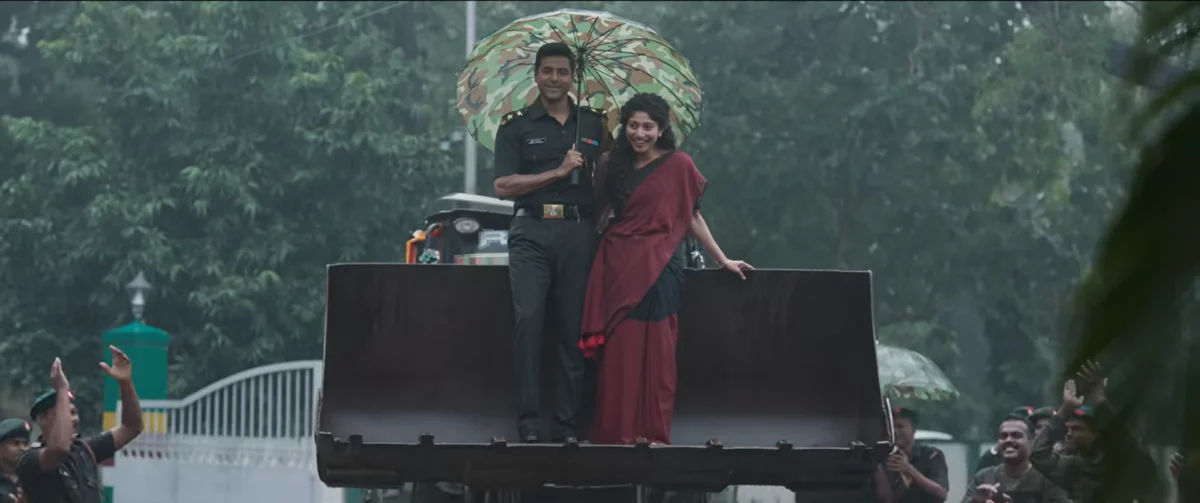
The patriotic biopic genre has long been a potent vehicle for nationalistic storytelling in Indian cinema, capable of uniting audiences across diverse affiliations through shared reverence for heroism. Director Rajkumar Periasamy seizes this established formula with "Amaran," a film that aims to deliver a profoundly engaging and awe-inspiring portrait of Major Mukund Varadarajan, an Indian Army officer whose life was marked by extraordinary courage and unwavering dedication. While the film commendably captures the spirit of its subject, it navigates a narrative path that, despite its initial promise, ultimately grapples with maintaining a cohesive focus, leading to a sprawling yet impactful cinematic experience.
The Genesis of a Biopic: From a Song to the Screen
The genesis of "Amaran" lies in a deeply personal moment for director Rajkumar Periasamy. The film’s narrative gains significant emotional resonance in its latter half with the inclusion of rare archival footage. This footage depicts the real-life Major Mukund Varadarajan and his young daughter reciting the iconic Bharathiyar lyric, "Achamillai Achamillai" (Fearless, Fearless). This poignant scene, deeply embedded within the film’s emotional arc, proved to be the pivotal inspiration for Periasamy to embark on chronicling Major Varadarajan’s life story. The director’s decision to weave this personal anecdote into the cinematic narrative underscores the film’s intent to move beyond a mere historical recounting and delve into the human spirit that defined the decorated soldier.
A Dual Narrative: Love, Duty, and the Shadow of Conflict
"Amaran" initially establishes a compelling narrative framework, presenting itself as the intimate chronicle of a soldier seen through the eyes of his wife, Indu Rebecca Verghese. This perspective, particularly in the early stages of the film, serves as a remarkably effective framing device, imbuing the story with emotional depth and relatability. Sai Pallavi, in her portrayal of Indu, delivers a performance that is both breezy and heartfelt, lending a quiet dignity and unwavering resolve to the character. Her portrayal is instrumental in making the initial segments of the film exceptionally engaging. The college courtship and the eventual challenges to their union are depicted with an easy charm, and the chemistry between Sivakarthikeyan’s Mukund and Pallavi’s Indu forms the emotional bedrock of the movie, compelling audiences to invest in their journey.
The dynamic between Mukund and Indu is further fleshed out through personal anecdotes. Mukund’s affectionate nickname for his wife, "Mammotty," stemming from her Malayali heritage, adds a touch of endearing intimacy, highlighting the warmth and individuality of their relationship. This personal connection is crucial, as it serves as a stark contrast to the perilous reality that Major Varadarajan would soon face.
However, as the narrative progresses into the second half, the initial framing device of Indu’s perspective gradually recedes, becoming more of an ornamental element. The film then pivots to a detailed exploration of Major Mukund Varadarajan’s operational duties as a counter-insurgency officer in Jammu and Kashmir. While the execution of these action sequences is undeniably skillful, characterized by kinetic energy and technical prowess, this shift in focus leads to a perceived dilution of the initial narrative drive. The extensive detailing of counter-insurgency operations, though expertly rendered, contributes to a sense of narrative bloat, extending the film’s runtime to a formidable nearly three hours.
The Hero of the Frontlines: Major Mukund Varadarajan’s Journey
Major Mukund Varadarajan, a distinguished officer of the Indian Army, became a symbol of courage and sacrifice during his service. His career was defined by his unwavering commitment to national security and his bravery in confronting insurgent activities in challenging terrains. Born into a family that instilled strong values, his father’s choice of name, "Mukund," referencing Lord Krishna, foreshadowed a life destined for significant deeds. His mother’s persistent anxieties about his well-being on the frontlines, encapsulated in her poignant question, "Did I take so much pain to give birth to you only to send you away to the Army?", underscore the profound personal cost of military service and the deep familial love that sustained him.
The film attempts to balance the heroic exploits with the exploration of his interior life. Major Varadarajan’s journey is presented not just as a sequence of military operations but as a testament to his strength of character, his leadership abilities, and his dedication to his team. His ability to maintain his resolve and composure amidst life-threatening circumstances, while simultaneously being a devoted family man, is a central theme that resonates throughout the narrative.
Performance and Technical Prowess: Anchors of the Narrative
Sivakarthikeyan anchors the film with a performance that navigates the complexities of Major Varadarajan’s persona. He effectively embodies both the bravado required on the battlefield and the underlying vulnerability that defines a human being facing immense pressure. His portrayal captures the strength and grace that characterized the decorated officer, making his character relatable and inspiring.
Complementing Sivakarthikeyan’s efforts, Sai Pallavi’s contribution in the film’s initial acts is particularly noteworthy. Her performance as Indu is often highlighted as the driving force behind the early emotional resonance of "Amaran." Her character’s journey, from a spirited young woman facing familial opposition to a steadfast wife supporting her husband’s demanding career, is rendered with a nuanced grace that significantly elevates the film’s emotional core.
Technically, "Amaran" is a well-crafted film. The editing by R. Kalaivanan is precise, ensuring that the narrative flows without unnecessary digressions. The pacing is energetic, particularly in the action sequences, where the camera work, guided by C.H. Sai, employs dynamic Steadicam and handheld shots to create an immersive experience. The visual storytelling effectively maintains audience engagement, even during the film’s extensive runtime. A particularly memorable sequence depicts the team in their base, engaged in various pre-operation activities—communicating with families, offering prayers, and training—only to be abruptly interrupted by a mock emergency drill, illustrating the constant state of readiness and the psychological demands of their profession.
The musical score, while not extensively detailed in the original review, likely plays a crucial role in augmenting the emotional tenor of the film, underscoring moments of tension, romance, and patriotic fervor. GV Prakash Kumar’s involvement as the composer suggests a score that would likely be both evocative and impactful, aligning with the film’s thematic ambitions.
The Counter-Insurgency Landscape of Jammu and Kashmir
The operational backdrop of "Amaran" is set against the backdrop of the protracted counter-insurgency operations that have characterized the security landscape of Jammu and Kashmir for decades. These operations, often involving complex tactics and significant risks, aim to combat militant groups and restore normalcy. Major Varadarajan’s role in these operations placed him at the forefront of India’s efforts to maintain territorial integrity and combat internal security threats.
The period during which Major Varadarajan served saw a heightened level of militant activity, necessitating robust military responses. The operations depicted in the film, while dramatized for cinematic effect, reflect the challenging realities faced by soldiers deployed in such volatile regions. These operations often involve intelligence gathering, patrols, ambushes, and significant risks to both security forces and civilian populations. The film’s portrayal, therefore, serves as a reminder of the sacrifices made by the armed forces in maintaining peace and stability in these critical areas.
Broader Implications and Nationalistic Narratives
"Amaran" contributes to a broader trend in Indian cinema where biopics of military personnel and national heroes are increasingly popular. These films often serve multiple purposes: to honor the individuals and their sacrifices, to inspire patriotism among the populace, and to provide a platform for nationalistic discourse. The success of such films is often tied to their ability to resonate with a collective sense of national pride.
The film’s thematic exploration of duty, sacrifice, and familial love taps into universal sentiments that transcend regional and political divides. By focusing on the human element of military service, "Amaran" aims to foster a deeper appreciation for the challenges faced by soldiers and their families. While the film may not present groundbreaking philosophical insights into conflict, its strength lies in its ability to evoke empathy and inspire admiration for its protagonist.
However, the genre also faces scrutiny regarding its potential for glorification of war and its impact on nuanced understandings of conflict. While "Amaran" appears to focus on the individual heroism and personal sacrifice, the broader geopolitical context of the Jammu and Kashmir conflict is a complex issue with multifaceted perspectives. Films of this nature often tread a fine line between honoring bravery and presenting a comprehensive, unbiased account of historical events.
Conclusion: A Noble Endeavor with Enduring Impact
In conclusion, "Amaran" stands as a noble endeavor to immortalize the story of Major Mukund Varadarajan. Despite the narrative challenges posed by its expansive scope and the shift in focus during its latter half, the film successfully delivers a heartfelt and inspiring viewing experience. The performances, particularly those of Sivakarthikeyan and Sai Pallavi, are commendable, providing the emotional anchor that propels the narrative. The technical execution further enhances the film’s impact, creating an engaging cinematic journey. While it may not offer revolutionary insights into the nature of conflict, "Amaran" succeeds in its primary objective: to move and inspire its audience through the testament of a soldier’s courage, dedication, and profound humanity. The film’s intention is undoubtedly honorable, leaving viewers with a lasting impression of the sacrifices made in the service of the nation.