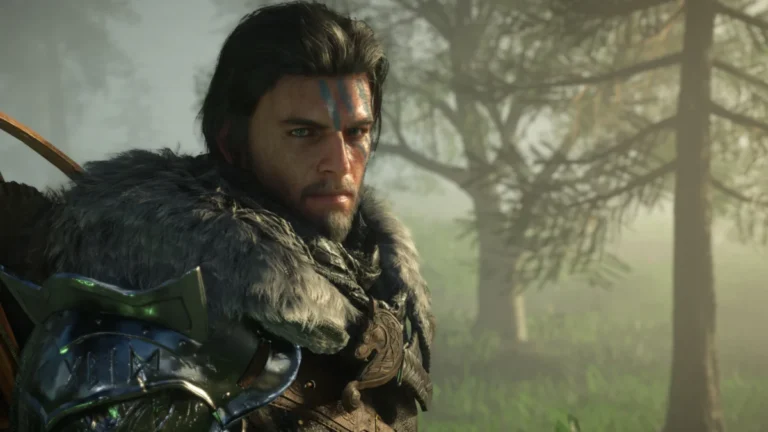



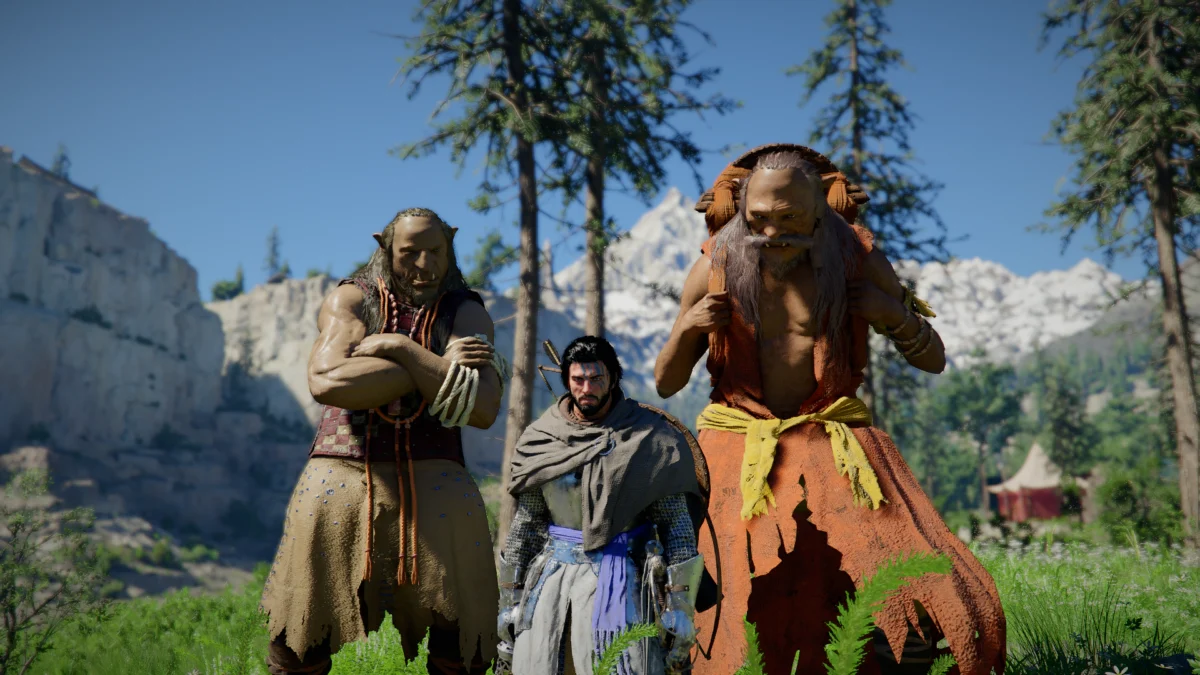
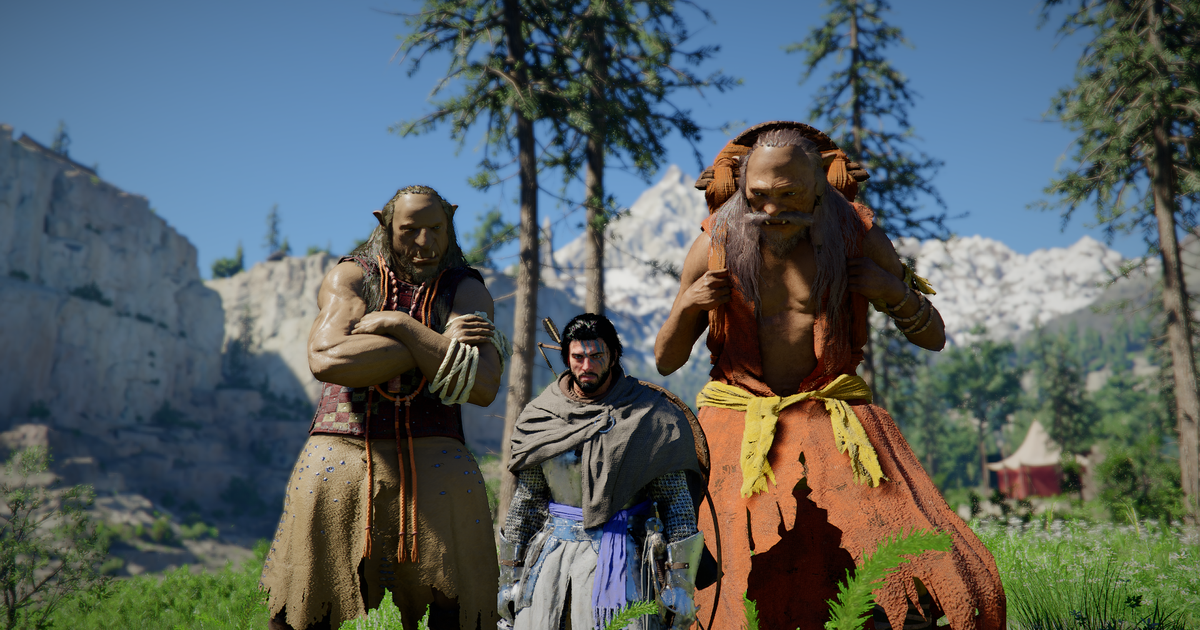
The launch of Crimson Desert, the highly anticipated open-world action-adventure from South Korean developer Pearl Abyss, has been overshadowed by a series of internal allegations suggesting a deeply fractured corporate culture and a chaotic development process. Reports emerging from industry-verified platforms indicate that the project suffered from an "inverted management hierarchy" and a leadership style that prioritized conformity over creative innovation. These claims, primarily circulated through the anonymous professional community Blind, paint a picture of a studio struggling with "toxic positivity" and a lack of clear creative direction, leading to what some staff have described as a "hodgepodge" of mechanics and a narrative that remained unfinished until the final stages of production.
Internal Dissension and Management Hierarchies
The allegations originated from two distinct posts on Blind, a platform that requires users to verify their employment via corporate email, lending a degree of credibility to the claims despite their anonymity. The first whistleblower, who identified as a Pearl Abyss developer, alleged that the studio’s environment was characterized by a suppression of individual opinion. According to this account, the management structure evolved into one where leaders refused to acknowledge any perspective that did not align perfectly with their own.
The developer claimed that a significant power struggle occurred during production, resulting in the resignation of a key director. Following this departure, a General Manager with an art background reportedly took control of the project. The post alleges that this individual, along with subordinate managers, enforced a culture where "individual will" and "personal opinion" were effectively non-existent. Rank and promotion within the team were allegedly reserved for those who remained compliant and refrained from challenging the status quo. This environment, described by the poster as one of "toxic positivity," reportedly prevented the team from addressing glaring issues within the game’s design and narrative structure.
The second whistleblower, who claimed to have been part of the development team for an extended period before departing, echoed these sentiments. They described the organizational structure as an "inverted pyramid," a term used to signify a disproportionate number of "leaders" compared to rank-and-file employees. This top-heavy hierarchy allegedly stifled communication and led to a situation where management remained insulated from the realities of the game’s development. "I believe most of my colleagues involved in development were aware that Crimson Desert was going off the rails," the former employee stated, adding that the studio’s leadership frequently praised their own work as "amazing" while ignoring internal criticism.
Development Turmoil and the Influence of External Titles
Beyond the cultural issues, the reports provide insight into a development cycle that was allegedly reactive rather than visionary. One of the most striking claims involves the influence of Nintendo’s The Legend of Zelda: Tears of the Kingdom. According to the internal reports, after the release of the Nintendo title, Pearl Abyss management ordered the hurried inclusion of "sky islands" and other systems referenced from the game. However, the developers claim these features were integrated without a fundamental understanding of why they worked in their original context.
This "copy-paste" approach reportedly led to a "hodgepodge" of features crammed together, resulting in a control layout and gameplay flow that many within the studio feared would be confusing to players. The narrative development was also reportedly fraught with indecision. The first whistleblower claimed that the story of Crimson Desert was not finalized until "right before release," which they suggest is why there is a perceived disconnect between the game’s title and its actual content. The project allegedly underwent several "overturns" where existing work was scrapped or radically altered at the whim of management, leading to wasted resources and a lack of cohesive identity.
The Generative AI Controversy
These internal allegations coincide with a public controversy regarding Pearl Abyss’s use of generative artificial intelligence. Shortly after the game’s release, the studio was forced to address claims that it had used AI to generate 2D visual assets within the game world. In an official statement, Pearl Abyss admitted that "2D visual props were created as part of early-stage iteration using experimental AI generative tools."
While the studio claimed that it had always intended to replace these assets with hand-drawn art before the final release, it acknowledged that several AI-generated images remained in the launch build. The studio apologized for the oversight, citing the complexity of the final production stages. However, for internal critics, this incident served as further evidence of the "messy" and "hurried" nature of the game’s final development phase. The presence of placeholder AI art in a major AAA release is viewed by industry analysts as a sign of a breakdown in quality assurance and internal communication—issues that align with the claims made by the whistleblowers.
Chronology of Development and Market Expectations
To understand the weight of these allegations, it is necessary to examine the long and often delayed development timeline of Crimson Desert.
- 2019: Crimson Desert is officially announced at G-Star as a prequel to the studio’s hit MMO, Black Desert Online.
- 2020: The project shifts from an MMORPG to a single-player, open-world action-adventure, a move intended to appeal to a global console audience.
- 2021: The game is delayed indefinitely to "incorporate new ideas" and ensure the safety of employees during the pandemic.
- 2022-2023: Pearl Abyss showcases several gameplay trailers at major events like Gamescom, receiving praise for high-fidelity graphics powered by the proprietary BlackSpace Engine. However, a firm release date remains elusive.
- 2024: The game finally launches amid high expectations, only to be met with polarized reviews regarding its performance and mechanical complexity.
The transition from an MMO to a single-player narrative experience is a notoriously difficult pivot for a studio. Industry data suggests that such shifts often lead to "feature creep" and "development hell," as the technical requirements for a narrative-driven RPG differ significantly from those of a persistent online world.
Financial and Industry Implications
The allegations of a toxic workplace and disorganized development have significant implications for Pearl Abyss’s standing in the global market. As a publicly traded company on the KOSDAQ, Pearl Abyss is under immense pressure to deliver consistent hits to maintain investor confidence. Following the reports, market analysts have noted a period of volatility for the company’s stock, as concerns grow regarding the studio’s ability to manage its long-term project pipeline, which includes the highly anticipated DokeV.
The South Korean gaming industry is currently undergoing a period of transition. Traditionally dominated by mobile gaming and PC MMOs, major studios like Pearl Abyss, Neowiz (Lies of P), and Shift Up (Stellar Blade) have been attempting to break into the prestige console market. These "Triple-A" projects require not only high technical skill but also a creative culture that can sustain years of development without burning out staff. If the claims regarding Pearl Abyss are accurate, they suggest a systemic failure to adapt corporate culture to the demands of modern console game development.
Responses and Broader Reactions
While Pearl Abyss has reached out to various outlets to address the AI concerns, they have not yet issued a comprehensive public rebuttal to the specific claims of toxic management and internal power struggles. The posts have reportedly gone viral on Korean social media platforms, with other developers in the Seoul and Anyang regions reportedly verifying the general sentiment regarding the studio’s rigid hierarchy.
The reaction from the gaming community has been bittersweet. While many players have praised the game’s visual ambition and combat depth, the reports of a "disastrous" internal process have led to a re-evaluation of the game’s flaws. Streamers and reviewers have frequently cited "messy" menus and "over-complicated" systems—the exact issues the whistleblowers claimed were raised internally but ignored by leadership.
Conclusion and Future Outlook
The situation at Pearl Abyss serves as a cautionary tale for the global gaming industry regarding the risks of top-down management in creative fields. When "individual will" is suppressed in favor of managerial compliance, the resulting product often lacks the cohesion and polish expected of high-budget titles. For Crimson Desert, the path forward will likely involve a series of significant patches to address the "hodgepodge" of mechanics and the lingering technical debt mentioned by the developers.
For the studio itself, the road to recovery may require more than just software updates. Addressing the cultural "inverted pyramid" and rebuilding trust with a disillusioned workforce will be essential if Pearl Abyss hopes to successfully launch its future projects. As the industry continues to monitor the situation, the focus remains on whether the studio will acknowledge these internal failures or, as one whistleblower feared, "search for someone to pin the responsibility on." In an era where developer transparency is increasingly valued by consumers, the silence or response from Pearl Abyss leadership in the coming months will likely define the company’s reputation for years to come.