
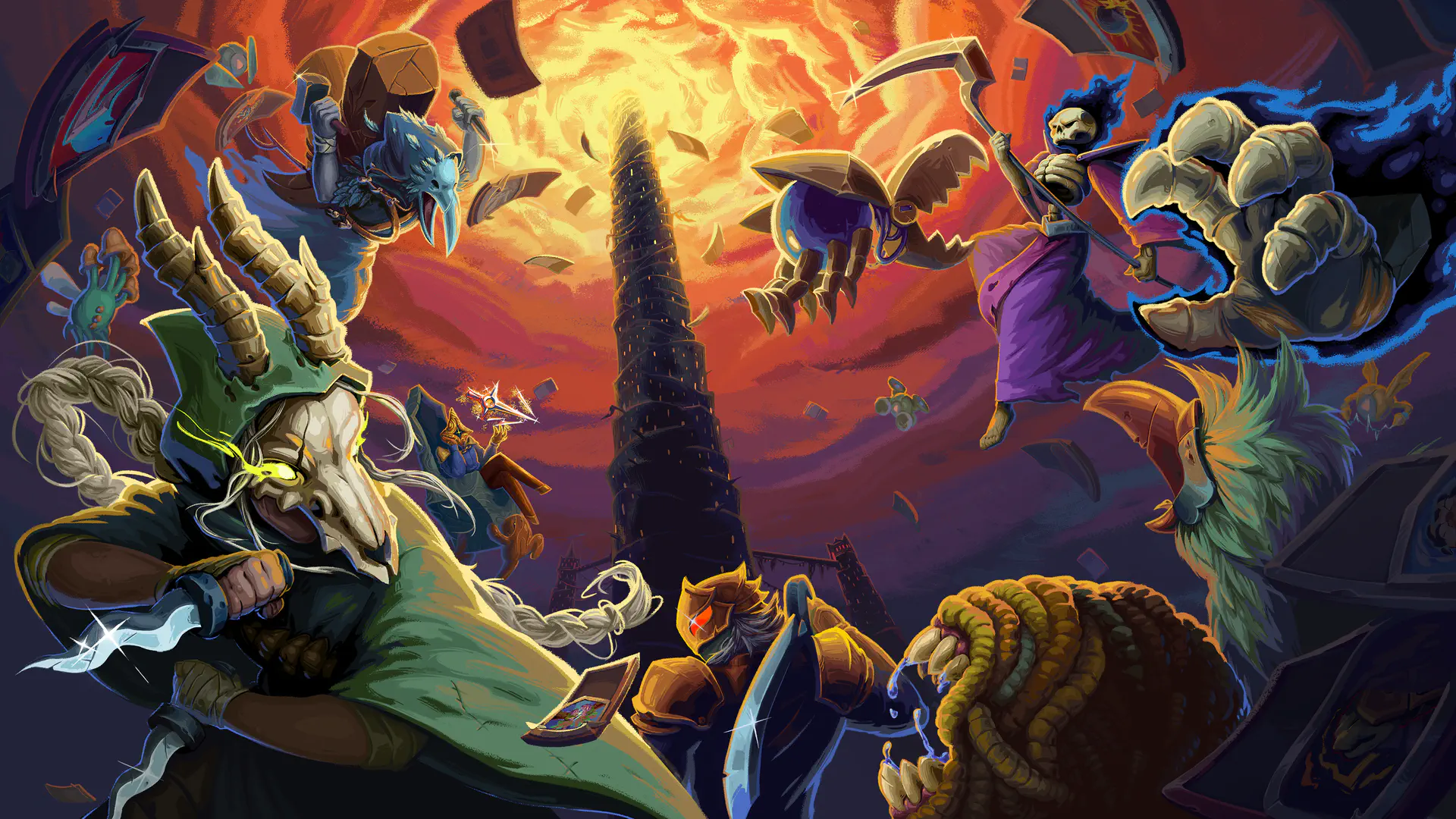
The release of Slay the Spire 2 into Early Access marks a significant milestone for the independent gaming industry, arriving as the successor to the title that effectively defined the roguelike deck-building subgenre. Developed by Mega Crit, the sequel represents years of iterative design informed by nearly a decade of player data and community feedback. While the fundamental architecture of the game—climbing a procedurally generated spire through card-based combat—remains intact, the sequel introduces a suite of technical, mechanical, and presentational upgrades designed to challenge veteran players while expanding the scope of the experience through cooperative multiplayer and advanced engine capabilities.
The Evolution of the Spire: Historical Context and Development
To understand the significance of Slay the Spire 2, one must look at the trajectory of the original title. Released in Early Access in 2017 and seeing a full launch in 2019, the first Slay the Spire became a sleeper hit, eventually selling over 4 million copies by 2022 and maintaining a consistent presence on Steam’s most-played lists. Its success spawned an entire ecosystem of "StS-likes," including titles such as Monster Train, Wildfrost, and the recent sensation Balatro.
The development of the sequel was officially announced in April 2024 during the Triple-I Initiative, a digital showcase for high-profile independent games. A key technical shift in the sequel’s development is the move from the LibGDX framework to the Godot Engine. This transition was partly motivated by the industry-wide discourse surrounding engine licensing and the desire for more robust modern rendering capabilities. This technical migration has allowed Mega Crit to implement a more fluid animation system, moving away from the static, puppet-like movements of the original toward a more "living" aesthetic where enemies and environments react dynamically to player actions.
Advanced Mechanics and Character Innovation
Slay the Spire 2 launches with a roster that both honors and expands upon the original’s archetypes. While familiar faces like the Ironclad, the Silent, and the Defect return with refreshed card pools, the introduction of The Regent and the Necrobinder represents a shift toward more complex resource management.
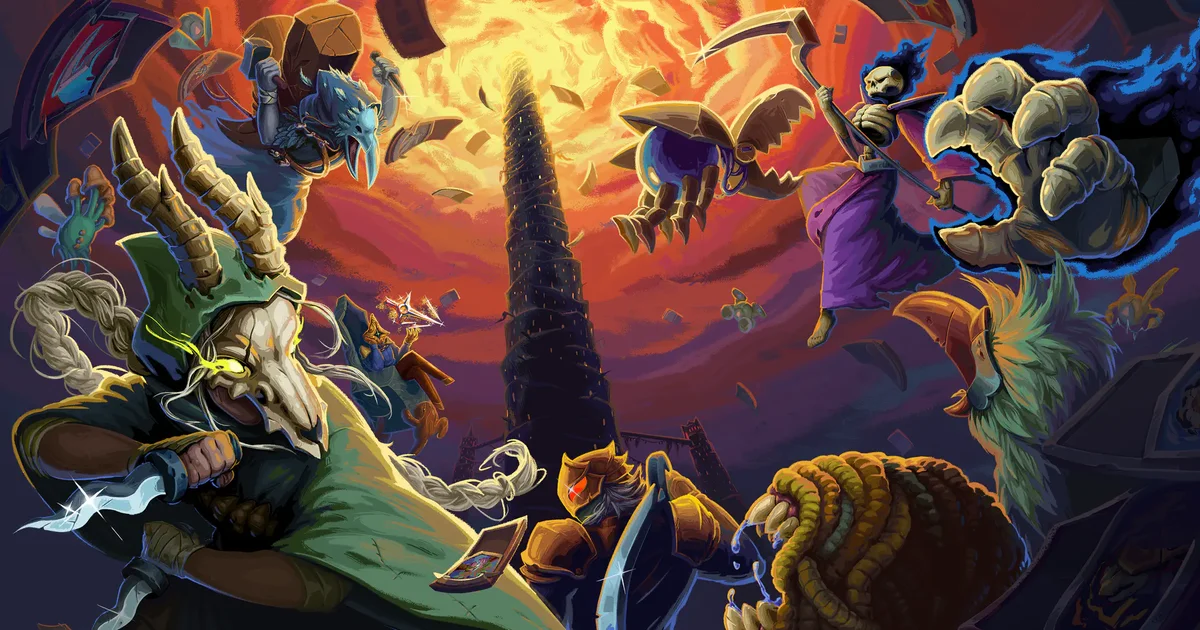
The Necrobinder introduces a summoning mechanic, allowing players to call upon helpers such as "Osty," a large skeletal hand that acts as a persistent entity on the battlefield. This adds a layer of "pet management" previously unseen in the core game. Accompanying this is the "Doom" mechanic, a reverse damage system that calculates a lethality threshold. Unlike traditional damage, Doom accumulates from zero; once an enemy’s current health falls below their accumulated Doom value, they are instantly defeated. This encourages a distinct tactical approach focused on mathematical forecasting rather than raw attrition.
The Regent introduces "Stars," a secondary resource pool that operates alongside the traditional Energy system. This dual-resource requirement adds a new dimension to deck building, as players must balance cards that generate Stars with those that consume them for high-impact effects. These characters are also noted for their increased visual expressiveness. The Regent is depicted as a detached monarch carried by buckling servants, while the Necrobinder’s idle animations emphasize her supernatural levity.
The Transformation of Multiplayer and Social Integration
Perhaps the most radical departure from the original’s design philosophy is the inclusion of a four-player cooperative mode. Historically, Slay the Spire was a solitary experience, with the community interacting primarily through shared seeds and leaderboard competitions. The sequel integrates multiplayer directly into the core loop, allowing players to climb the Spire together in real-time.
In this mode, players can coordinate their deck-building strategies to create synergies. Certain cards are specifically tagged for multiplayer use, offering buffs to teammates or allowing for shared defensive maneuvers. Mega Crit has implemented several quality-of-life features to facilitate communication, such as a "pointing" mechanic where players can indicate specific relics in chests and the ability to draw or write notes directly on the Spire’s map. This social layer is aimed at sustaining long-term engagement, mimicking the longevity seen in other cooperative roguelikes.
Structural Changes: Godlike Beings and Act Transitions
The structure of a "run" in Slay the Spire 2 has been modified to increase the frequency of high-stakes decision-making. In the original game, the many-eyed whale Neow provided a single set of boons at the start of a run. In the sequel, players encounter various "Godlike Beings" at the beginning of every Act. These entities, ranging from a "melting dragon" to a "living rainbow," offer transformative rewards that carry significant risks.

One notable addition is Vakuu, a demonic entity that offers powerful passive buffs, such as permanent extra energy, in exchange for relinquishing control. For instance, Vakuu may demand to play the player’s first turn of cards in every subsequent combat encounter. This "auto-battler" risk introduces a level of unpredictability that challenges the player’s ability to build a deck robust enough to survive its own mismanagement.
Furthermore, the game introduces card crafting and modifiers. Players can now encounter mystery events that allow them to add keywords like "Replay" (causing a card to trigger twice) or remove restrictive keywords like "Exhaust." This level of granular deck customization provides more agency in the mid-game, allowing players to "fix" decks that might otherwise have failed due to poor RNG.
Data-Driven Difficulty and Enemy Design
Mega Crit’s design philosophy for the sequel appears heavily influenced by player behavior observed over the last seven years. The new enemy types are specifically engineered to counter popular "meta" strategies from the first game.
- Anti-Thinning Measures: A common high-level tactic in the original was to keep decks as small as possible (5-10 cards) to ensure consistent draws. New enemies in the sequel aggressively populate player decks with "junk" cards or "status" effects that penalize small deck sizes.
- Action Economy Limits: For players who favor "infinite" loops—using zero-cost cards to play dozens of cards in a single turn—certain new enemies possess traits that limit the number of cards a player can play per turn or trigger punishing counter-attacks after a specific threshold.
- Upgrade Erosion: Some encounters now feature enemies capable of temporarily downgrading cards during combat, forcing players to rely on the base utility of their deck rather than raw, upgraded power.
These changes suggest a "battle of wits" approach, where the developers are actively responding to the community’s mastery of the original game’s mechanics.
Economic and Market Performance
While specific sales figures for the Early Access launch are typically held until quarterly reports, initial indicators suggest a strong market reception. Upon its release, Slay the Spire 2 immediately climbed into the top decile of Steam’s "Most Played" and "Top Sellers" charts. The game’s predecessor maintained a 24-hour peak of approximately 15,000 to 25,000 concurrent players years after its release; early data for the sequel shows a significant multiplication of these figures, bolstered by the multiplayer functionality.

The indie gaming sector has seen a trend toward "Iterative Sequels"—titles that do not reinvent the wheel but instead polish a proven formula to a mirror sheen. Slay the Spire 2 follows the successful blueprint set by titles like Hades II and Risk of Rain 2, prioritizing mechanical depth and technical stability over radical genre shifts.
Early Access Roadmap and Future Outlook
Mega Crit has been transparent regarding the "Early Access" status of the title. While the core gameplay loop is considered "feature-complete" in terms of stability, several components remain in development:
- Content Expansion: Additional Acts and Act variations are planned to increase run diversity.
- Placeholder Assets: Some artwork in the game’s "Timeline" and certain event screens currently utilize placeholder sketches, which will be replaced with final high-fidelity art during the development cycle.
- Mod Support: The original Slay the Spire owed much of its longevity to a vibrant modding community (e.g., Downfall, Packmaster). Mega Crit has confirmed that robust modding tools will be integrated into the sequel to ensure similar community-driven content.
- Console Porting: While currently a PC-exclusive during Early Access, the developer intends to bring the game to PlayStation, Xbox, and Nintendo Switch platforms following the 1.0 release, mirroring the rollout of the first game.
Conclusion and Implications
Slay the Spire 2 represents a confident maturation of the roguelike deck-builder. By integrating modern engine technology, cooperative play, and a "wittier" AI designed to challenge veteran players, Mega Crit has positioned the sequel as a new benchmark for the genre. The transition to the Godot engine and the implementation of complex mechanics like Doom and Stars indicate a developer that is not resting on its laurels but is instead actively engaged in a dialogue with its player base.
As the game progresses through its Early Access period, the focus will likely shift toward balancing the multiplayer experience and expanding the lore of the Spire. For the broader gaming industry, the success of Slay the Spire 2 serves as a case study in how to handle a high-pressure sequel: by respecting the core "fizz" of the original while ruthlessly refining the pressure points that define the player experience.