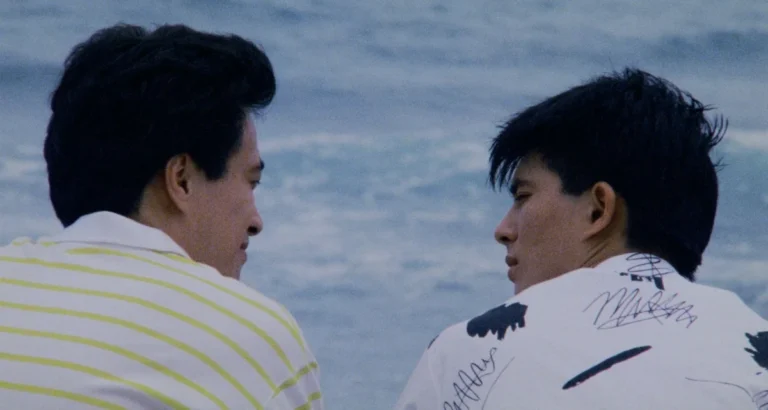




The acclaimed Singaporean film, “A Good Child,” has emerged as a significant talking point in the global cinematic landscape, captivating audiences and garnering critical attention, including a prestigious nomination at the Golden Horse Awards. This deeply personal and socially resonant narrative, which is currently being showcased at the Asian Pop Up Cinema, delves into the multifaceted themes of caregiving, evolving identities, the profound impact of dementia, and the enduring complexities of family trauma. In an in-depth interview with Ong Kuo Sin, the film’s director, and Richie Koh, the lead actor, a comprehensive exploration of the film’s genesis, artistic challenges, and societal relevance unfolded.
The Genesis of a Personal Narrative
The narrative of “A Good Child” is rooted in a deeply personal experience, drawing inspiration from the real-life story of Christopher Lim, whose journey forms the emotional core of the film. Director Ong Kuo Sin elaborated on the genesis of this poignant tale, emphasizing the desire to translate a lived reality into a cinematic experience that could resonate with a wider audience. "The initial spark came from observing the intricate dynamics within families grappling with the onset of dementia and the subsequent shifts in familial roles and identities," Ong stated. "It wasn’t about replicating a specific event, but rather capturing the emotional truth and the universal struggles that arise when loved ones begin to fade, and caregivers find themselves in uncharted territory."
The film’s exploration of identity is particularly nuanced, especially through the character’s engagement with drag performance. This element, while potentially perceived as unconventional, is integral to the narrative’s exploration of self-expression, escapism, and the multifaceted nature of human identity. Koh explained the significance of this aspect, noting, "The drag persona becomes a crucial outlet for the character, a space where he can momentarily shed the immense pressures of caregiving and reclaim a sense of agency and joy. It’s a powerful contrast to the often-strained reality of his daily life, highlighting the complexities of the human psyche and the different facets we present to the world."
Navigating the Spectrum of Emotion: Drama and Comedy
One of the significant artistic challenges in bringing “A Good Child” to the screen was the delicate balance between intense drama and moments of levity. Ong Kuo Sin highlighted the conscious effort to weave in elements of comedy not as mere comic relief, but as an authentic reflection of how humor can surface even in the most trying circumstances. "Life, even in the face of profound hardship, is rarely devoid of humor," Ong observed. "We aimed to capture those fleeting moments of shared laughter, of absurdity, and of resilience that can emerge. These instances are not intended to diminish the gravity of the situation, but rather to underscore the human capacity to find light amidst darkness."
Koh echoed this sentiment, describing the process of embodying a character who navigates such a wide emotional spectrum. "It required a constant calibration of tone," he explained. "One moment you’re immersed in a scene of deep emotional vulnerability, and the next, you might need to tap into a lighter, more observational humor. The key was to ensure that these shifts felt organic and true to the character’s experience, rather than jarring or forced."
Reflecting Singapore’s Aging Society
“A Good Child” offers a potent cinematic reflection of Singapore’s rapidly aging population, a demographic trend with significant societal implications. As of 2023, Singapore has one of the fastest-aging populations in the world, with projections indicating a substantial increase in the proportion of elderly citizens in the coming decades. This demographic shift places immense pressure on healthcare systems, social support networks, and, crucially, on families tasked with caregiving.
Ong Kuo Sin acknowledged the film’s role as a mirror to these societal changes. "We are witnessing a significant demographic transformation in Singapore," he stated. "The film serves as a prompt for conversation, to acknowledge the realities faced by both the elderly and their caregivers. It highlights the need for greater societal understanding, support systems, and resources to navigate the challenges associated with aging and dementia."
The film’s narrative implicitly raises questions about the adequacy of existing support structures and the often-unseen labor of family caregivers. The personal toll, both emotional and physical, that caregiving exacts is a central theme, urging audiences to consider the broader societal responsibility in supporting these individuals and families.
The Demanding Dual Role: Performance and Preparation
Richie Koh’s performance in “A Good Child” has been widely lauded for its depth and complexity, particularly given the demanding nature of his dual role. He portrays a character who must simultaneously navigate the arduous responsibilities of caregiving for an aging parent and express himself through the vibrant and transformative art of drag. This required a meticulous approach to character development and performance preparation.
"Preparing for this role was a journey of discovery, both for myself and for the character," Koh revealed. "On one hand, I delved into the emotional realities of caregiving – the exhaustion, the frustration, the immense love and responsibility. This involved research into dementia, its progression, and the impact it has on family dynamics. On the other hand, embracing the drag aspect required a different kind of immersion. It was about understanding the artistry, the performance, and the sense of liberation it offered the character."
The physical and emotional toll of embodying these contrasting yet intertwined facets of a character was significant. Koh recounted a particularly arduous scene that necessitated multiple takes, a testament to the intensity of the performance. When questioned about potential frustration building towards the director during such demanding sequences, Koh offered a thoughtful response. "There are always moments of intense focus and a desire to get the scene exactly right," he admitted. "But the collaboration with Ong Kuo Sin was always built on mutual respect and a shared vision. We pushed each other to achieve the best possible outcome, and even in challenging takes, there was an underlying understanding that we were working towards a common goal. Frustration, if it arose, was channeled into finding the solution, not into blame."
This collaborative spirit, Koh emphasized, was crucial in navigating the emotional landscape of the film. The director’s ability to create a safe space for vulnerability and experimentation allowed the actors to fully inhabit their characters and explore the raw emotions at the heart of the story.
Artistic Process and Behind-the-Scenes Dynamics
Ong Kuo Sin shared insights into his directorial approach, emphasizing a commitment to authenticity and emotional truth. His creative process often involves extensive research and a deep dive into the psychological nuances of his characters. For “A Good Child,” this meant immersing himself in the experiences of families dealing with dementia and understanding the unique pressures faced by caregivers.
"My aim is always to create a space where the actors feel empowered to explore the depths of their characters," Ong explained. "It’s about building trust and fostering an environment where vulnerability is not only accepted but encouraged. The scenes involving caregiving were particularly sensitive, and it was important to approach them with empathy and respect, ensuring that we portrayed the realities without sensationalizing or trivializing the experience."
The behind-the-scenes dynamics, as described by Koh, paint a picture of a dedicated and supportive film set. The challenges of bringing such a complex narrative to life were met with a collective effort, underscoring the importance of teamwork in filmmaking. The seamless integration of the dramatic and the performative elements of the story required a keen understanding of both aspects, a testament to the cast and crew’s dedication.
Broader Implications and Audience Reception
The acclaim and nominations for “A Good Child” suggest a growing appreciation for character-driven narratives that tackle complex social issues with sensitivity and artistic integrity. The film’s success at festivals like the Asian Pop Up Cinema and its recognition by the Golden Horse Awards indicate a desire among audiences and critics for stories that not only entertain but also provoke thought and foster empathy.
The film’s exploration of dementia, a condition affecting millions worldwide, has particular resonance. According to the World Health Organization, an estimated 55 million people globally live with dementia, and this number is projected to rise significantly in the coming years. Films like “A Good Child” play a vital role in destigmatizing the condition, shedding light on the lived experiences of those affected, and encouraging open dialogue about care and support.
Furthermore, the film’s portrayal of the caregiver’s burden is a critical social commentary. Caregivers often face immense emotional, physical, and financial strain, and their contributions are frequently overlooked. By centering this experience, “A Good Child” prompts a broader societal conversation about the need for accessible and comprehensive support systems for families navigating the challenges of chronic illness and aging.
The engagement with themes of identity, particularly through the character’s drag performance, also speaks to contemporary discussions around self-expression and societal acceptance. The film suggests that identity is not monolithic but fluid and multifaceted, and that individuals may find solace and empowerment in various forms of self-expression, even amidst personal struggles.
For enthusiasts of Asian cinema, Singaporean films, or compelling character-driven narratives, “A Good Child” offers a profound and moving cinematic experience. The interview with Ong Kuo Sin and Richie Koh provides a valuable glimpse into the artistry, dedication, and profound humanistic considerations that shaped this highly regarded film, solidifying its place as a significant contribution to contemporary cinema. The ongoing screenings and accolades underscore its power to connect with audiences on a deeply emotional and intellectual level, sparking important conversations that extend far beyond the confines of the theater.