


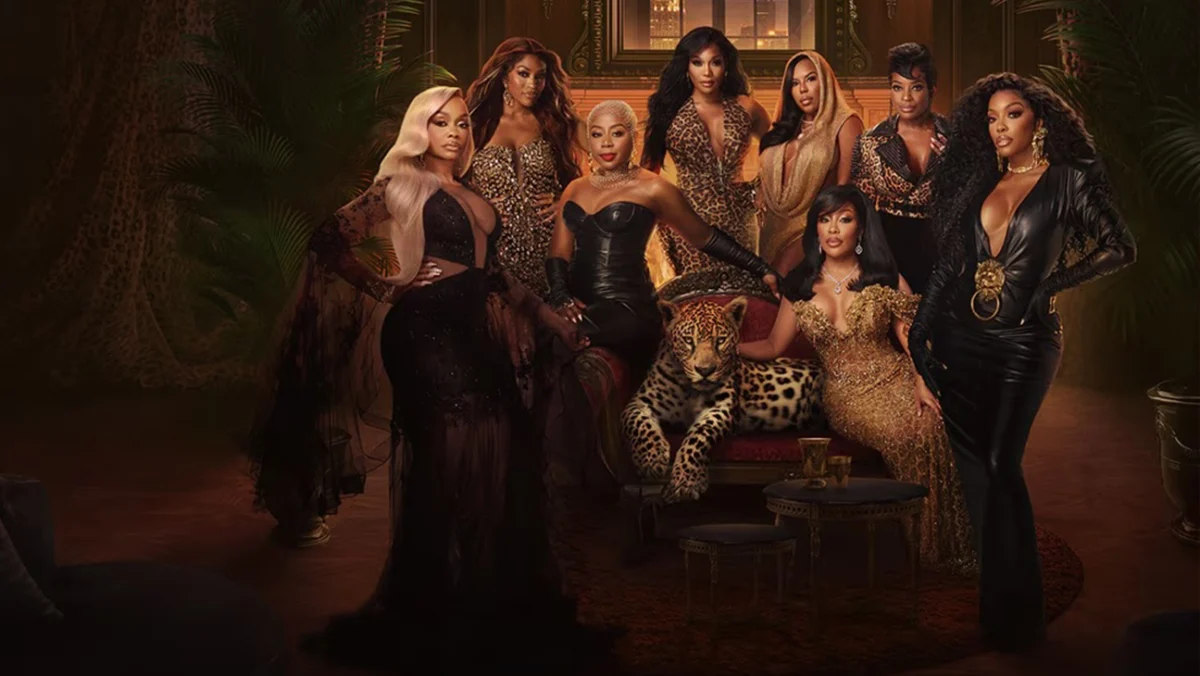
The evening of Sunday, April 5, is poised to be a significant date for enthusiasts of reality television, particularly for the expansive Real Housewives franchise. The highly anticipated Season 17 of The Real Housewives of Atlanta (RHOA) is scheduled to premiere at 8 p.m. PT/ET, immediately followed by the second episode of the nascent Real Housewives of Rhode Island (RHORI) at 9 p.m. PT/ET. Both programs will air on Bravo, the network synonymous with the franchise, offering a substantial block of prime-time unscripted entertainment. For contemporary viewers who have transitioned away from traditional cable subscriptions, known as "cord-cutters," access to these live broadcasts remains readily available through a variety of streaming services that include Bravo in their channel lineups. These platforms encompass DirecTV, which offers a five-day free trial period, as well as Sling and Hulu + Live TV, each providing distinct subscription models and introductory offers. It is important to note that if a product or service is purchased through a link provided within this article on The Hollywood Reporter’s platform, an affiliate commission may be generated, a common practice in digital media to support content creation.
Beyond live viewing, new episodes of both Real Housewives installments will be accessible for on-demand streaming on Peacock, NBCUniversal’s streaming service, beginning the day after their initial Bravo broadcast. This means the RHOA Season 17 premiere will become available on Monday, April 6. While Peacock does not directly provide a free trial period, strategic partnerships enable prospective viewers to gain complimentary access to the service through various existing subscriptions. These include select DirecTV packages, Instacart+ memberships, and Walmart+ subscriptions, presenting multiple avenues for engaging with the latest content from the franchise.
The Enduring Legacy of The Real Housewives of Atlanta
The Real Housewives of Atlanta stands as a cornerstone of Bravo’s programming slate and a pivotal entry in the global Real Housewives franchise. Launched in October 2008 as the third iteration of the series (following Orange County and New York City), RHOA quickly distinguished itself, becoming one of the most commercially successful and culturally impactful reality television programs. Its enduring appeal, now entering its 17th season, can be attributed to its dynamic cast of affluent women residing in Atlanta, Georgia, who navigate complex personal relationships, professional ambitions, and social hierarchies.
Over the past decade and a half, RHOA has consistently delivered compelling narratives, from lavish lifestyle showcases and high-stakes business ventures to intense interpersonal conflicts and poignant personal journeys. The series has not only provided a platform for its cast members to build brands and careers but has also significantly contributed to Atlanta’s image as a vibrant cultural and economic hub. The show’s representation of Black entrepreneurship, fashion, and social dynamics has resonated deeply with a diverse audience, fostering a dedicated and highly engaged fanbase. Its long run and sustained popularity underscore the potent formula of the Real Housewives brand: a blend of aspirational living, relatable struggles, and unscripted drama. Viewership figures for RHOA have historically been robust, often ranking among the highest-rated shows on Bravo and frequently dominating social media conversations, indicating its continued relevance in a fragmented media landscape.

The Expanding Universe: Real Housewives of Rhode Island’s Emergence
The premiere of the second episode of The Real Housewives of Rhode Island signifies the ongoing expansion strategy of the Real Housewives franchise, a testament to its adaptability and broad appeal. While RHOA represents a well-established pillar, RHORI is a newer addition, exploring a different demographic and regional flavor within the United States. The strategic introduction of new cities allows Bravo to continually refresh the franchise, tapping into diverse local cultures and social circles, thereby attracting new viewers while retaining its core audience.
The Real Housewives franchise, originally conceived by executive producer Scott Dunlop, debuted with The Real Housewives of Orange County in 2006. Since then, it has grown into a global phenomenon, spawning numerous domestic spin-offs and international adaptations across continents. Each new location brings a unique set of challenges and opportunities, aiming to capture the essence of its locale through the lives of its featured women. For a newer series like RHORI, its second episode is crucial for establishing its narrative arcs, introducing the cast dynamics more deeply, and beginning to carve out its distinct identity within the crowded Housewives universe. The success of these newer iterations is vital for the continued vitality and growth of the franchise, ensuring a steady pipeline of content that appeals to varying tastes and regional interests. Industry analysis suggests that Bravo and its parent company, NBCUniversal, are actively leveraging the proven success of the Real Housewives format to explore untapped markets and maintain their dominance in the reality television genre.
Navigating the Modern Media Landscape: Live Broadcasts and Cord-Cutting Solutions
The simultaneous airing of these two high-profile Real Housewives programs on Bravo highlights the network’s commitment to its traditional linear broadcast model while simultaneously acknowledging the profound shifts in consumer viewing habits. Bravo, as a flagship cable channel, has historically been a primary destination for reality television. However, the widespread phenomenon of "cord-cutting"—the trend of consumers canceling traditional cable or satellite television subscriptions in favor of streaming services—has necessitated adaptable distribution strategies.
To cater to this evolving audience, Bravo’s content is made available through various live TV streaming services. These platforms essentially replicate the cable TV experience over the internet, offering bundles of channels, including Bravo, for a monthly subscription fee.
- DirecTV Stream: This service provides live access to Bravo and a comprehensive suite of other channels. Its inclusion of a five-day free trial is a strategic move to attract new subscribers, allowing them to sample the offering without immediate financial commitment. DirecTV Stream’s packages are designed to offer flexibility, ranging from more basic channel lineups to extensive premium selections, with starting prices from $19.99 per month for build-your-own options, though full packages typically start higher. This hybrid approach allows DirecTV to maintain its presence in both traditional satellite and modern streaming markets.
- Sling TV: Known for its more à la carte approach to channel bundles, Sling TV offers Bravo within its "Blue Plan," which typically starts at $45.99 per month. Sling’s business model is built around providing more affordable and customizable options compared to traditional cable, often featuring introductory discounts, such as a half-off promotion for the first month on select plans like the "Orange & Blue" bundle (regularly $65.99 per month). This appeals to budget-conscious cord-cutters seeking specific channels.
- Hulu + Live TV: This service combines Hulu’s extensive on-demand library with a robust selection of live television channels, including Bravo. Priced from $89.99 per month, it represents a more premium offering that often bundles additional streaming services like Disney+ and ESPN+. Hulu + Live TV typically provides a three-day free trial, allowing potential subscribers to experience its integrated content ecosystem before committing.
These services are crucial for Bravo’s continued reach, ensuring that its popular content remains accessible across different viewing preferences and technological platforms. The competition among these live TV streaming providers is intense, driving them to offer competitive pricing, diverse channel lineups, and attractive trial periods to capture market share.

The On-Demand Imperative: Peacock and Strategic Partner Deals
Complementing the live broadcast schedule, the availability of new Real Housewives episodes on-demand the following day via Peacock underscores the critical role of asynchronous viewing in contemporary media consumption. For viewers who miss the live broadcast or prefer to watch content at their convenience, Peacock serves as the dedicated streaming hub for Bravo’s extensive library. This strategy aligns with broader industry trends where media conglomerates leverage their own streaming platforms to consolidate content and attract subscribers.
Peacock, as NBCUniversal’s flagship streaming service, provides both free (ad-supported) and premium subscription tiers. While Real Housewives content typically falls under the premium tier, its strategic integration with partner subscriptions offers alternative access points:
- DirecTV Bundles: Customers who subscribe to specific DirecTV signature packages (Entertainment, Choice, Ultimate, or Premier) can often receive promotional access to Peacock Premium. For instance, a common offer includes two months of the "Movies Extra Pack + Peacock" at no additional cost, a value of $19.98. This bundling incentivizes DirecTV subscriptions by adding value through premium streaming content.
- Instacart+: The grocery delivery and pickup service, Instacart+, has partnered with Peacock to offer its subscribers complimentary access to Peacock Premium. This cross-industry collaboration aims to enhance the value proposition for Instacart+ members, leveraging content as a perk to boost retention and attract new users to the delivery service.
- Walmart+: Similarly, Walmart+, the retail giant’s membership program, includes Peacock Premium as a benefit for its subscribers. This partnership exemplifies how traditional retailers are diversifying their offerings to compete in the digital age, using streaming content as a powerful incentive to drive loyalty and subscriptions to their broader service ecosystems.
These multifaceted distribution strategies—combining linear broadcasts, live TV streaming, and on-demand access via a dedicated streaming platform with partner integrations—illustrate the complex and evolving landscape of content delivery. They represent a concerted effort by media companies to maximize audience reach and engagement across all available channels, adapting to consumer demands for flexibility and convenience.
The Ensemble Dynamic: Season 17 Cast of RHOA
The success of The Real Housewives of Atlanta hinges significantly on its cast, and Season 17 introduces a blend of returning fan favorites and fresh faces, promising to inject new energy into the long-running series. The strategic recruitment of cast members is crucial for maintaining viewer interest and generating compelling storylines.
This season welcomes newcomers Pinky Cole and K. Michelle, whose additions are expected to bring distinct perspectives and narratives to the group. Pinky Cole, a renowned entrepreneur and founder of the popular vegan restaurant Slutty Vegan, represents Atlanta’s burgeoning business scene and culinary innovation. Her inclusion is likely to showcase the intersection of entrepreneurship, community impact, and personal ambition. K. Michelle, a celebrated R&B singer and television personality, brings a background in music and entertainment, along with a history of unfiltered commentary and strong opinions, which traditionally fuels much of the franchise’s drama.

Their integration into the existing dynamic will be observed closely, especially alongside the return of veteran cast members:
- Phaedra Parks: Her return is particularly notable, given her long history with the show and her dramatic exit in previous seasons. Her re-entry is anticipated to reignite old rivalries and introduce new alliances, capitalizing on fan nostalgia and a desire for resolution or renewed conflict.
- Porsha Williams: A prominent figure in the franchise, Porsha Williams’ continued presence, especially after her recent appearance on The Traitors Season 4, highlights her cross-franchise appeal and established fanbase. Her ability to navigate different reality TV formats speaks to her strong personality and entertainment value.
- Drew Sidora: Having been a part of recent seasons, Drew Sidora’s storyline often revolves around her personal life and relationships, offering a contemporary perspective on the challenges faced by modern women.
- Kelli Ferrell, Shamea Morton Mwangi, and Angela Oakley: These returning cast members contribute to the ensemble’s overall chemistry, each bringing their unique experiences and relationships within the Atlanta social scene.
- Cynthia Bailey: A long-standing fixture of RHOA, Cynthia Bailey’s return in a "friend-of" capacity is significant. This role allows her to participate in key events and discussions without being central to every major storyline, providing a bridge between past seasons and the current narrative. It also serves to satisfy long-time fans who appreciate her presence.
The carefully curated mix of new personalities, returning veterans, and familiar faces in supporting roles is a deliberate strategy to ensure RHOA Season 17 remains fresh, engaging, and capable of generating the high-impact, conversation-driving moments that have defined its success for over a decade.
Viewer Engagement and Future Outlook
The continued success and strategic expansion of the Real Housewives franchise, exemplified by the simultaneous premieres on April 5, underscore the enduring power of reality television in the entertainment landscape. These shows do more than just entertain; they foster vibrant online communities, drive social media trends, and provide a cultural touchstone for discussions around lifestyle, relationships, and celebrity.
The multi-platform distribution strategy—encompassing live linear broadcasts, various live TV streaming services, and a dedicated on-demand platform—reflects a sophisticated understanding of contemporary media consumption habits. By offering flexible viewing options, Bravo and NBCUniversal aim to maximize audience reach and engagement, ensuring that the franchise remains accessible to its diverse viewership, regardless of their preferred viewing method.
Looking ahead, the model employed by the Real Housewives franchise—combining established hits with new market explorations, and leveraging both traditional and digital distribution channels—is likely to serve as a blueprint for other media properties. The ability to adapt to technological changes, respond to audience demands for flexibility, and consistently deliver engaging content will be paramount for sustained success in an increasingly competitive global media environment. The April 5 programming block is not just a night of entertainment; it is a snapshot of the evolving strategies shaping the future of television.