


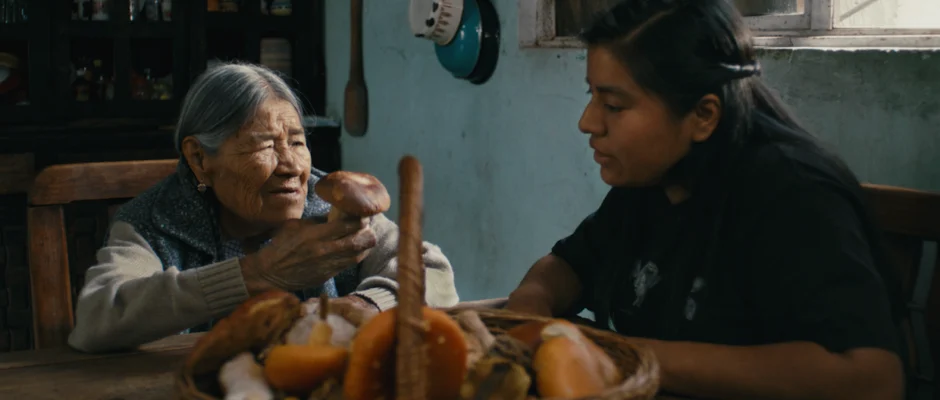
For generations, the Indigenous communities of Mexico have maintained a sophisticated understanding of the fungal kingdom, categorizing mushrooms based on their medicinal, culinary, spiritual, and toxic properties. This knowledge is traditionally passed through matrilineal lines, creating a social structure that mirrors the mycelial networks found beneath the forest floor. In Daughters of the Forest, Padua documents how this ancient wisdom is being adapted by a new generation of women who refuse to choose between their roots and their professional ambitions.
The Convergence of Traditional Knowledge and Academic Science
The primary narrative arc of the film centers on Lis and Juli’s pursuit of degrees in agricultural sciences. While the women are already experts in the practical application of mycology, they recognize that institutional "legitimacy" is a necessary tool for the protection of their communities. This pursuit is not presented as a conflict between homeopathy and "hard" science; rather, it is depicted as a strategic enmeshing of the two. By entering academia, Lis and Juli aim to secure formal acknowledgment for the contributions their ancestors have made to the field of mycology—contributions that have historically been overlooked or exploited by external researchers.
However, the path to academic success is fraught with systemic barriers. Indigenous students in Mexico frequently face institutional discrimination, language barriers, and economic instability. According to data from the National Institute of Indigenous Peoples (INPI), while Indigenous people represent a significant portion of Mexico’s population, they remain underrepresented in higher education, particularly in specialized scientific fields. Lis and Juli’s journey highlights the "uphill battle" of maintaining one’s identity in an environment that often demands assimilation.
Environmental and Cultural Threats to Mycological Heritage
The documentary situates the personal stories of its subjects within a broader context of environmental crisis. The forests that sustain these mushroom varieties are under constant threat from illegal logging and climate change. In Mexico, illegal logging remains a critical issue, driven by organized crime and the expansion of agricultural frontiers. The loss of forest cover does not only destroy the physical habitat of the mushrooms but also erodes the cultural practices tied to the land.
Furthermore, the film addresses the precarious state of Indigenous languages. As younger generations are pressured to adopt Spanish for economic and educational mobility, the specific terminology used to describe fungal varieties and ecological relationships risks being lost. Padua’s film suggests that the disappearance of a language is synonymous with the disappearance of a specific way of interacting with the natural world.
Cinematic Innovation: The Mushroom as Protagonist
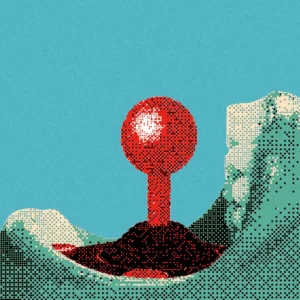
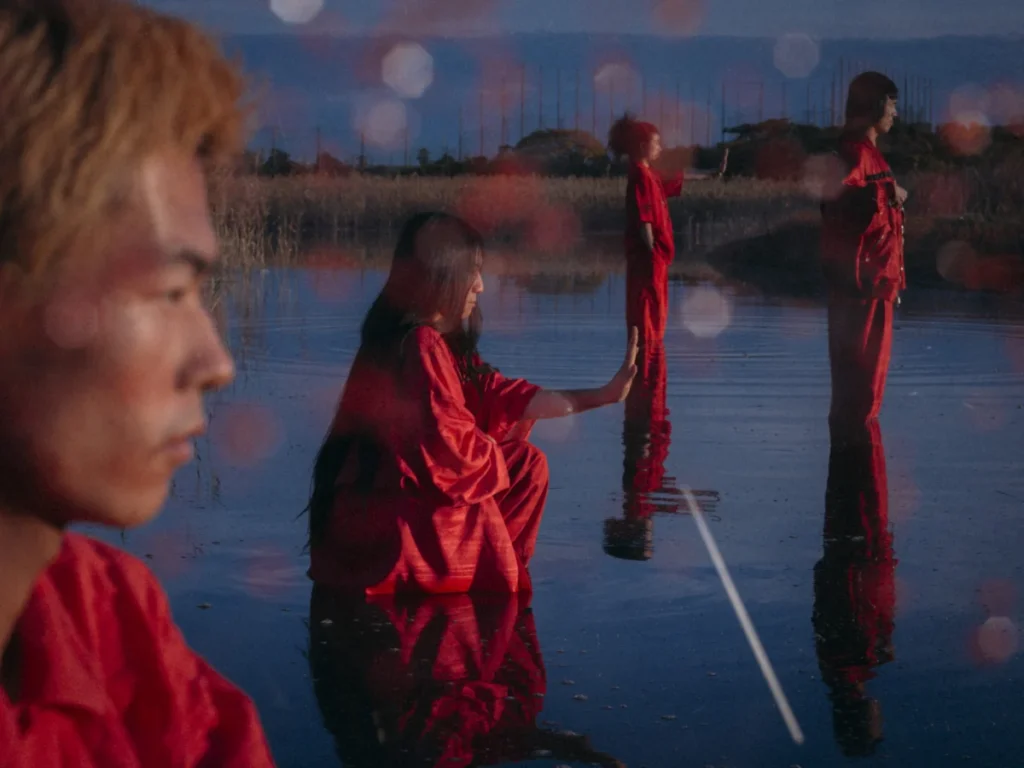
One of the most distinctive features of Daughters of the Forest is Padua’s decision to grant the mushrooms themselves a narrative voice. Eschewing traditional documentary tropes, the filmmaker employs what she describes as a "science-fiction lens" to personify the fungi. Through 2D composites and layered visuals—filmed largely in the director’s own garage rather than through 3D generation—the film visualizes the journey of a spore.
The mushrooms are given a multi-layered voice, composed of the voices of the human subjects, including Juli and her grandmother. This creative choice serves to decenter the human perspective, forcing the audience to consider the "agency" of non-human organisms. The dialogue assigned to the fungi focuses on the cycle of decomposition and rebirth, with the organisms whispering about their role in "transforming death into life."
The Spiritual Dimension and the "Holy Mushroom"
The film reaches a stylistic and emotional peak during a sequence involving the consumption of a psychedelic "holy mushroom." This practice, deeply rooted in the spiritual traditions of several Mexican Indigenous groups, is portrayed with reverence and abstract visual flair. Juli undertakes the journey seeking guidance from the spirit of her late father, illustrating the mushroom’s role as a bridge between the living and the ancestral world.
Padua’s approach to this sequence was informed by post-experience interviews with Juli. By translating Juli’s descriptions into an abstract visual language, the film avoids the clichés of "magic mushroom" depictions often seen in Western media. Instead, it emphasizes the personal and revelatory nature of the experience. The filmmaker noted that Juli’s reaction to the finished film was one of validation, as the abstract visuals accurately captured the essence of her internal journey.

From Architecture to Ecosystem: The Director’s Vision
Otilia Portillo Padua’s background in architecture significantly informs the structure of the documentary. In discussions regarding her process, Padua noted that both architecture and film are inherently collaborative and spatial. She views her films not as linear narratives, but as "ecosystems" where various elements—human subjects, environmental factors, and non-human entities—interact.
This perspective led Padua to reject the traditional "hero’s journey" in favor of a structure dictated by the nature of fungi. Just as mycelium spreads in a non-linear, interconnected web, the film’s narrative unfolds through a series of thematic spores and connections. This "speculative fiction" approach allows the film to imagine a future where Indigenous knowledge and modern science coexist without hierarchy.
Socio-Economic Context and the Global Mushroom Boom
The production of Daughters of the Forest coincided with a global surge in interest in mycology. In recent years, mushrooms have been marketed in the West as everything from "superfoods" to sustainable building materials and alternatives to traditional antidepressants. However, Padua’s film critiques the capitalistic lens through which the Global North often views these organisms.
While the "mushroom boom" focuses on how fungi can serve human needs, Daughters of the Forest focuses on the people who serve and protect the fungi. The film highlights the irony that while Western markets are beginning to value mushrooms for their "innovative" properties, the Indigenous communities who have stewarded this knowledge for millennia continue to live in poverty and face racial discrimination.
Chronology of Production and Festival Recognition
The development of the film began during the COVID-19 pandemic, a period that saw a heightened public interest in foraging and nature. Producers Paula Arroio and Padua initially explored the concept of foraging before narrowing their focus to the specific relationship between Indigenous Mexican women and their local ecosystems.
The film’s premiere on March 13 at both SXSW in Austin, Texas, and CPH:DOX in Copenhagen, Denmark, marks a significant milestone for Mexican documentary cinema. SXSW is known for its embrace of innovative and genre-bending storytelling, while CPH:DOX is one of the world’s most prestigious festivals for non-fiction film. The dual premiere ensures that the film’s message regarding Indigenous rights and environmental conservation reaches both North American and European audiences.
Analysis of Broader Implications
Daughters of the Forest contributes to a growing movement in cinema that utilizes "Indigenous futurism" to rethink the present. By refusing to label the film’s spiritual elements as "magical realism"—a term Padua finds limiting—the documentary asserts that these experiences are a tangible part of the subjects’ reality.
The film’s implications extend into the realms of:
- Environmental Policy: Highlighting the need for Indigenous-led conservation efforts in Mexico’s forests.
- Educational Reform: Advocating for a science curriculum that respects and incorporates traditional ecological knowledge.
- Scientific Ethics: Raising questions about the "bioprospecting" of Indigenous knowledge by academic and pharmaceutical institutions.
In its final analysis, the film suggests that the survival of the forest—and by extension, the survival of the human communities that depend on it—relies on the recognition of "other forms of knowledge." As Padua noted, if the film inspires even one Indigenous girl to see that her belief in the "holy mushroom" and her ambition to be a scientist are compatible, it will have achieved its most vital purpose. The "spore-like" actions of individuals like Lis and Juli, though small in isolation, have the potential to transform the entire environment around them, much like the fungi they study.