The 1990 Murder of William Newton
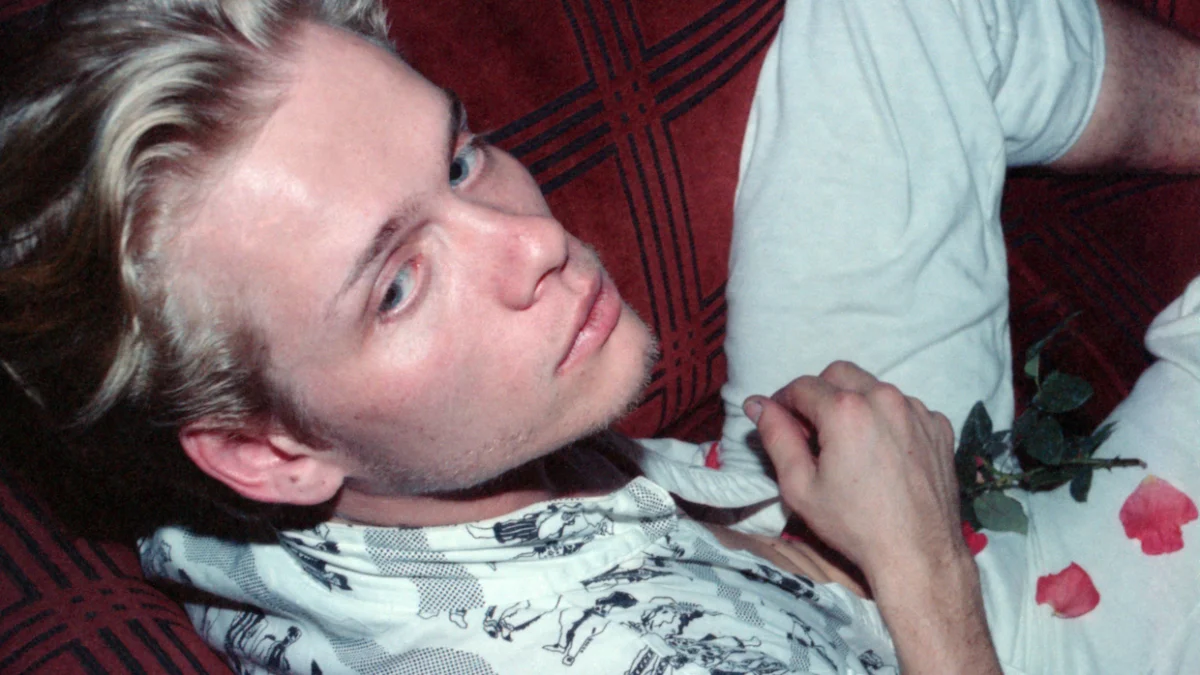
The central narrative of the documentary concerns the death of 25-year-old William Newton, a native of rural Wisconsin who had relocated to Los Angeles with aspirations of becoming a film director. On October 28, 1990, a transient discovered Newton’s dismembered remains in a dumpster located on Santa Monica Boulevard in West Hollywood. At the time, the discovery sent shockwaves through the local community, briefly capturing national headlines during a period when the media was largely preoccupied with the escalating mortality rates of the AIDS pandemic.
Newton, who performed in adult films under the pseudonym Billy London, was a fixture in the West Hollywood scene of the early 1990s. The documentary highlights his arrival in California as a teenager, hitchhiking from the Midwest in search of the acceptance and liberation promised by the burgeoning "gay mecca" of the era. However, the film reveals a darker side to this migration, illustrating how young men from small towns often found themselves navigating a landscape fraught with substance abuse, specifically methamphetamine, and predatory environments.
Despite the initial intensity of the police investigation, the case eventually went cold. The lack of forensic technology at the time, combined with the transient nature of the adult film industry and the overwhelming volume of deaths occurring due to the AIDS crisis, led to Newton’s file being shelved for decades.
A Chronology of Discovery and Resolution
The resolution of the Newton case, as detailed in the film, was not the result of a single breakthrough but rather a convergence of efforts from various "good Samaritans" and professional investigators. The documentary outlines a timeline of events that led to the identification and apprehension of the killer:
- October 1990: The body of William Newton is discovered. Initial leads focus on the adult film industry and the local West Hollywood nightlife.
- 1991: LAPD detectives receive a communication from homicide investigators in Milwaukee, Wisconsin. This lead suggests a potential connection to serial killer Jeffrey Dahmer, who had been arrested earlier that year. The documentary reveals a 1991 letter confirming that Dahmer was questioned specifically about the Newton murder, though no definitive link was established at the time.
- The 2000s and 2010s: The case remains dormant, though it becomes a subject of interest for true crime enthusiasts and amateur sleuths on internet forums and podcasts.
- 2020s: A renewed interest in the case is sparked by Rachel Mason’s research for her previous project, Circus of Books. Concurrent with Mason’s investigation, an "empty nester" in Eau Claire, Wisconsin—born the same year as Newton—begins her own amateur inquiry, which eventually aligns with the work of a curious LAPD detective and modern DNA profiling.
- 2024-2025: Forensic advancements and the corroboration of witness statements from Newton’s former boyfriends and roommates lead to a definitive identification of the perpetrator.
The Jeffrey Dahmer Lead and Forensic Challenges
One of the most striking revelations in My Brother’s Killer is the depth of the investigation into Jeffrey Dahmer’s potential involvement. The documentary presents primary source documents, including a letter from Milwaukee detectives, which show that the LAPD took the Dahmer lead seriously enough to conduct cross-jurisdictional interviews. In 1991, Dahmer was the primary suspect for many unsolved murders involving young men across the United States.
The film argues that the Dahmer "red herring" may have inadvertently contributed to the case going cold, as it diverted resources away from local suspects who were more likely to have committed the crime. Detective John Lamberti, featured in the film, emphasizes that while the Dahmer connection was a dead end, the thoroughness of those initial reports provided the "paper trail" necessary for contemporary investigators to eventually find the real killer.
Socio-Political Context: AIDS and White Nationalism
The documentary places the murder within a broader sociological framework, examining the twin threats facing gay men in the early 1990s: the biological threat of HIV/AIDS and the physical threat of targeted hate crimes.
According to data cited in the film and historical records, by 1990, AIDS had become the leading cause of death for men aged 25 to 44 in the United States. This atmospheric "omnipresence of death" created a unique psychological environment in West Hollywood. Mason’s film suggests that the community’s resilience was often expressed through defiant celebration—an era defined by the "Queer Nation" movement and militant activism.

Furthermore, the film investigates the ideological motivations behind Newton’s murder. It establishes a link between the killer and the white nationalist skinhead movements that were active in Southern California during the late 1980s and early 1990s. The documentary notes that the weekend of Newton’s death coincided with public calls for violence from extremist leaders targeting the LGBTQ+ community. This analysis elevates the film from a standard true crime narrative to a cautionary tale about the persistence of hate-based ideologies.
Creative Direction and Personal Connection
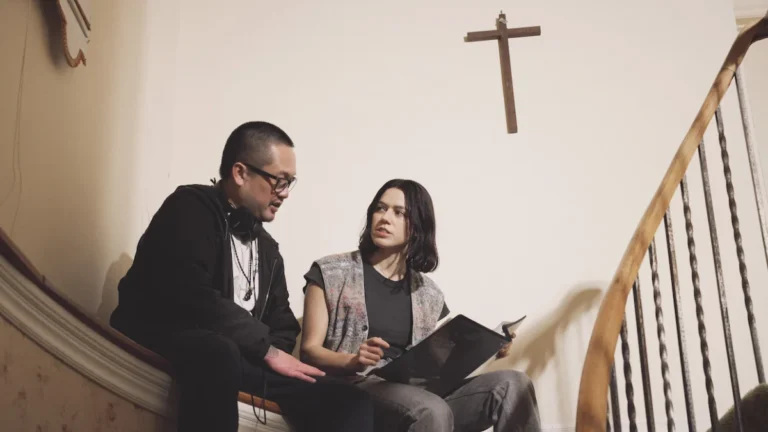
Director Rachel Mason’s involvement in the story is deeply personal. Her parents owned Circus of Books, a famous gay porn bookstore and community hub in West Hollywood. Mason grew up in this environment, viewing the men who frequented the store—including Newton—as a kind of extended family.
The documentary’s title, My Brother’s Killer, was inspired by a correspondence Mason had with one of Newton’s sisters. The sister’s inquiry—"Have you been talking to my brother’s killer?"—served as the catalyst for the film’s final structure. Mason explores the concept of "brotherhood" both literally, through Newton’s surviving siblings, and metaphorically, through her own brother’s experiences with coming out and the trauma associated with the era.
The film’s aesthetic and emotional resonance are heavily credited to editor Dion Labriola. Labriola, who shares Newton’s birth year and a similar Midwestern background, utilized Newton’s personal archives, including a series of stream-of-consciousness poems. One poem in particular, titled "A Piece of Me," bookends the film. The use of Newton’s own voice through his writings allows the documentary to center the victim’s humanity rather than focusing solely on the brutality of his death.
Implications and Broader Impact
My Brother’s Killer arrives at a time of renewed national interest in cold cases and the ethics of the true crime genre. Unlike many entries in the genre that focus on the perpetrator, Mason’s work is analyzed as a "restorative" documentary that seeks to provide closure for a marginalized community.
The film’s implications are twofold:
- Justice for Cold Cases: It demonstrates the efficacy of combining traditional detective work with amateur research and documentary filmmaking to solve cases that have been neglected by the system.
- Historical Documentation: It preserves the history of the "cyberpunk" and VHS era of West Hollywood, ensuring that the lives lost during the AIDS crisis—whether to disease or violence—are not erased from the historical record.
The documentary concludes with a reflection on the current political climate, drawing parallels between the extremist movements of the 1990s and contemporary surges in white nationalism. By highlighting the Queer Nation slogan, "An attack on one of us is an attack on all of us," the film reinforces the necessity of communal vigilance and the enduring importance of historical memory.
As My Brother’s Killer moves from the festival circuit to wider distribution, it is expected to spark further dialogue regarding the safety of LGBTQ+ individuals in rural-to-urban migrations and the continued need for resources dedicated to solving cold cases involving marginalized victims. The film stands as a testament to the fact that no life is disposable and that even after thirty years, the truth can be reconstructed, piece by piece.