
The Disappearance and Discovery of Billy London
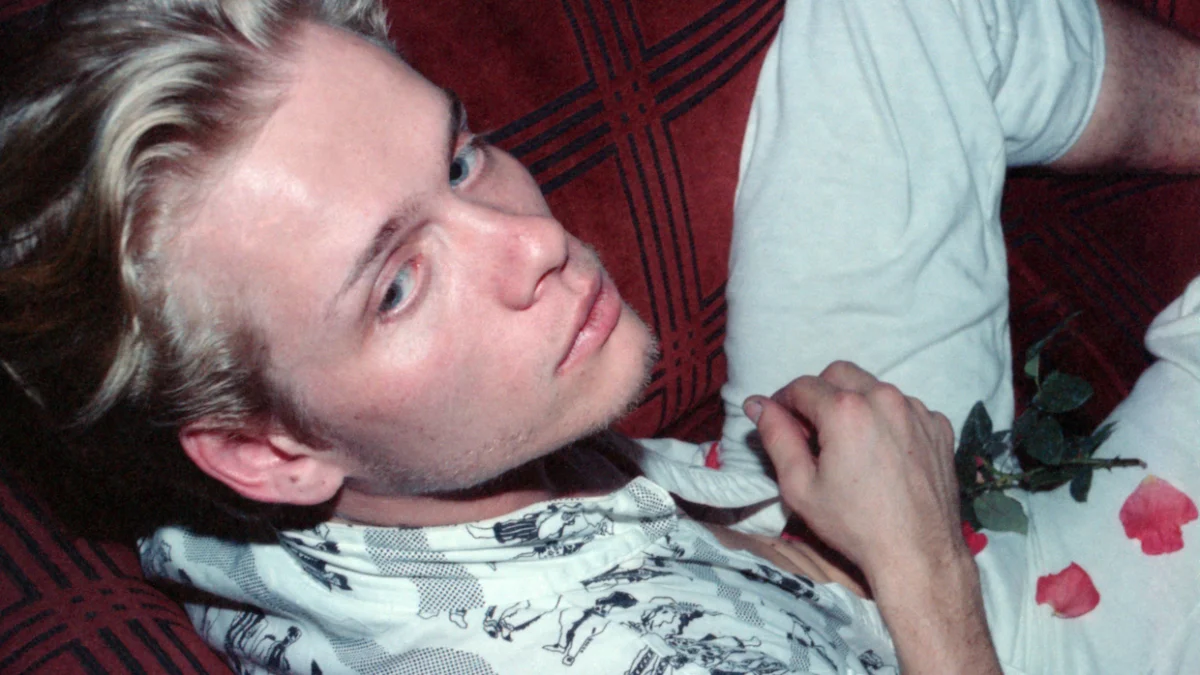
On October 28, 1990, the life of 25-year-old William Newton came to a violent end. Newton, who had migrated from rural Wisconsin to Los Angeles in search of community and professional opportunity, had become a fixture in the West Hollywood scene. He was a frequent visitor to Circus of Books, the iconic gay porn bookstore and community hub owned by Rachel Mason’s parents. Newton’s aspirations extended beyond his work in the adult industry; he was a prolific poet and an aspiring director, representing a generation of queer youth who sought liberation in the urban enclaves of the West Coast.
The circumstances of his death were horrific. A transient searching for recyclables discovered Newton’s dismembered remains—specifically his head and feet—in a dumpster located in West Hollywood. The brutality of the crime sent shockwaves through the local community, yet the national media coverage remained largely peripheral. In 1990, the American press and public consciousness were dominated by the escalating HIV/AIDS crisis, a factor that Mason argues contributed to the dehumanization of victims like Newton and the subsequent cooling of his case.
A Boulevard of Brutality: West Hollywood in the 1990s
The documentary meticulously recreates the atmosphere of Santa Monica Boulevard in the early 1990s. While often remembered through a nostalgic lens of neon lights and burgeoning queer pride, the film exposes a "boulevard of brutality." This era was defined by a sharp dichotomy: the vibrant, defiant celebration of queer life and the omnipresent threat of systemic violence and disease.
Mason utilizes a wealth of archival material, including VHS tapes, magazine spreads, and footage from the era of pioneering adult film directors like Bruce LaBruce and Chi Chi LaRue. This aesthetic choice serves to ground the viewer in the "cyberpunk" and "magazine era" of West Hollywood. However, beneath the surface of this subculture lay a dangerous landscape for young men like Newton, who often arrived in the city with little more than what they could carry, hitching rides from truck drivers and navigating a world where methamphetamines and economic precarity were common.
The Shadow of the AIDS Crisis and Systemic Neglect
A central theme of the film is the intersection of the murder investigation with the HIV/AIDS epidemic. During the early 1990s, the death toll from AIDS-related complications was so overwhelming that individual acts of violence against gay men were frequently overshadowed. Mason notes that the trauma of the era was so pervasive that the community often lacked the emotional bandwidth to process a single murder when dozens of friends and neighbors were dying every month from the virus.
This environment of mass death created a "patina over the past," where the nuances of homophobic violence were sometimes lost to the broader tragedy of the epidemic. The documentary suggests that law enforcement’s failure to solve the case in 1990 was not merely a matter of missing evidence but a reflection of a society that viewed gay men—particularly those in the adult industry—as disposable. The film highlights how the "Queer Nation" movement emerged as a militant response to this neglect, using slogans like "An attack on one of us is an attack on all of us" to demand justice and visibility.
The Investigation Reopened: A Chronology of Discovery
The resolution of the William Newton case was not the result of a single breakthrough but a confluence of efforts by a diverse group of individuals over three decades. The timeline of the investigation, as presented in the film, reveals the critical role of modern true-crime culture and persistent amateur sleuthing.
- 1990–1991: The initial investigation by the Los Angeles County Sheriff’s Department and the LAPD yields few leads. Despite the gruesome nature of the crime, the case eventually goes cold.
- 2010s–2020s: True crime podcast hosts and digital archivists begin revisiting the "Billy London" case, bringing renewed attention to the unidentified remains.
- The Wisconsin Connection: A pivotal moment occurs when an "empty nester" in Eau Claire, Wisconsin, who shared Newton’s birth year and hometown, began her own investigation. Her persistence helped bridge the gap between Newton’s past in the Midwest and his death in California.
- The Role of John Lamberti: LAPD Detective John Lamberti is credited with applying modern forensic techniques and a renewed sense of urgency to the case. Lamberti’s willingness to "leave no stone unturned" eventually led to the definitive identification of the perpetrator.
The Milwaukee Connection: Jeffrey Dahmer as a Suspect
One of the most startling revelations in the documentary is the historical link between the Newton case and the investigation into serial killer Jeffrey Dahmer. In 1991, following Dahmer’s arrest in Milwaukee, homicide detectives questioned him regarding several unsolved murders across the United States, including the death of William Newton in Los Angeles.

A letter uncovered by Mason, written by Milwaukee detectives in 1991, confirms that Dahmer was considered a viable suspect due to a reported sighting of him in the Los Angeles area around the time of Newton’s death. While Dahmer was eventually ruled out as the killer, Mason argues that the Dahmer connection was instrumental in keeping the case file active. The "Dahmer lead" forced detectives to maintain a level of documentation that would later prove invaluable when modern investigators revisited the evidence.
White Nationalism and the Hate Crime Motive
The eventual solving of the murder revealed a motive rooted in the white nationalist skinhead movement of the early 1990s. The film provides a chilling analysis of how extremist ideologies targeted queer individuals. During the weekend of Newton’s murder, prominent leaders of neo-Nazi organizations had issued calls for increased violence against gay people and non-white populations.
The perpetrator, identified decades later, was deeply entrenched in these movements. Mason’s documentary draws a direct line between the radicalization of the 1990s and the contemporary resurgence of white nationalism. The film posits that Newton’s murder was not a random act of violence but a calculated hate crime fueled by a political establishment that, even then, had fringe ties to extremist groups. This revelation shifts the narrative from a standard true-crime mystery to a broader sociological warning about the dangers of unchecked bigotry.
Artistic Integrity and Personal Grief
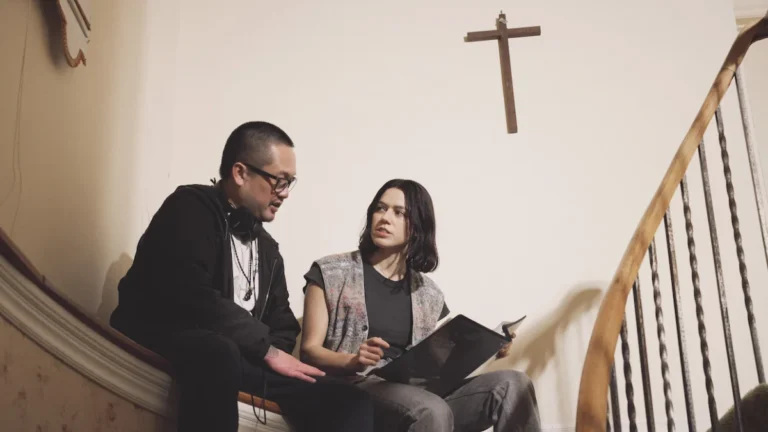
The making of My Brother’s Killer was deeply personal for Rachel Mason. Having grown up in the environment where Newton spent his final days, Mason felt a familial responsibility to tell his story. The film’s title reflects this sentiment, inspired by a question from one of Newton’s sisters: "Have you been talking to my brother’s killer?"
Mason’s collaboration with editor Dion Labriola was essential to the film’s tone. Labriola, who shares Newton’s birth year and Midwestern roots, brought a specific sensitivity to the project. Together, they made the conscious choice to center Newton’s own voice. The film is bookended by Newton’s poetry, specifically a piece titled "A Piece of Me," which serves as a hauntingly prophetic metaphor for the dismemberment of his body and the subsequent reassembling of his life’s story by the filmmakers.
The production of the film was also marked by personal tragedy. Mason began the interview process shortly after the death of her close friend and cinematographer Halyna Hutchins. Mason recounts how the grief of losing a friend to violence informed her approach to interviewing Newton’s loved ones, such as his former partner Marc Rabins. This shared experience of loss provided a layer of empathy that permeates the documentary’s investigative segments.
Broader Impact and Implications
My Brother’s Killer arrives at a time of heightened awareness regarding cold cases and the potential for forensic technology to provide closure to long-suffering families. However, the film’s impact extends beyond the resolution of a single crime. It serves as a historical record of a community that survived both a plague and a wave of targeted violence.
The documentary’s premiere at SXSW 2026 highlights the ongoing relevance of Newton’s story. By contextualizing a thirty-year-old murder within the framework of modern political extremism and queer resilience, Mason provides a roadmap for understanding how past traumas continue to shape contemporary society. The film concludes that while the individual killer has been identified, the systemic "killers"—homophobia, neglect, and extremist ideology—remain active threats.
In its final analysis, the film is a testament to the power of memory. Through the preservation of Billy London’s poems and the persistent efforts of a small group of "good samaritans," William Newton is no longer merely a victim in a cold case file. He is restored as a human being, a poet, and a brother, whose life and death offer profound insights into the American experience at the end of the twentieth century.