


A compelling new trailer for Ken August Meyer’s autobiographical documentary, Angel Applicant, emerged online on May 1, 2026, reigniting interest in a film that garnered significant critical acclaim since its 2023 premiere. Distributed by Grasshopper Film, which initiated its DVD release in 2025, the film delves into the profound connection between Meyer, an American independent filmmaker, and the iconic Swiss-German modernist painter Paul Klee, both grappling with the debilitating effects of systemic scleroderma. The documentary, celebrated for its unique narrative and empathetic exploration of art, illness, and mortality, offers a powerful testament to the human spirit’s capacity for creation amidst destruction.
The Genesis of a Shared Affliction and Artistic Exploration
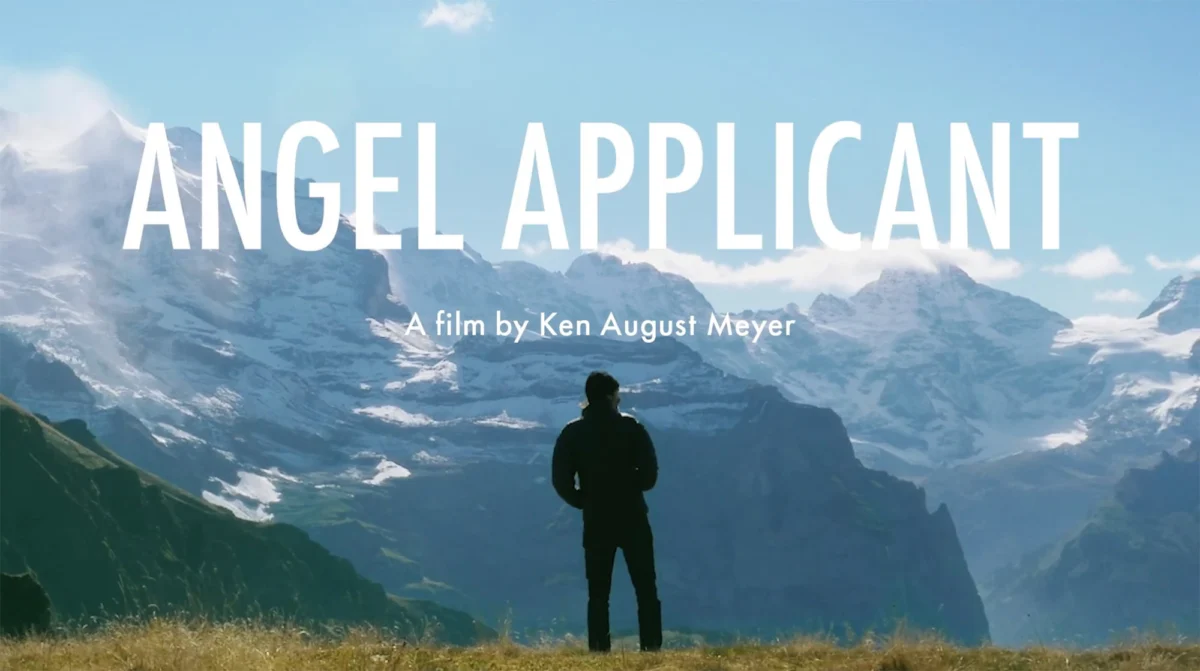
Angel Applicant is not merely a biographical study of a celebrated artist; it is a deeply personal and interwoven narrative. Filmmaker Ken August Meyer embarked on this cinematic journey after receiving a diagnosis of systemic scleroderma, a rare and severe autoimmune disease. This life-altering news prompted a profound introspection, leading him to discover that Paul Klee, whose late-period works captivated Meyer, had suffered from what is now widely believed to be the same mysterious illness. This shared affliction became the crucible for Meyer’s film, transforming a potential art history documentary into an intimate dialogue across time and circumstance. The film’s central premise hinges on Meyer’s quest to understand Klee’s artistic output during his final years, seeking not just historical context but also empathetic wisdom and a framework for coping with his own formidable challenges. His journey to Switzerland, tracing Klee’s footsteps through the mountains and to the Zentrum Paul Klee in Bern, serves as both a physical and metaphorical pilgrimage, immersing the viewer in the landscapes that shaped Klee’s later, increasingly introspective art.
Paul Klee: A Visionary Artist Under Duress

Paul Klee (1879-1940) stands as one of the most influential figures in 20th-century art, renowned for his highly individualistic style that fused elements of Expressionism, Cubism, and Surrealism. Born in Switzerland, Klee was a pivotal member of the German Expressionist group Der Blaue Reiter and later became a revered master at the Bauhaus school of art and design. His work is characterized by its whimsical abstraction, rich symbolism, and a deep engagement with nature, music, and the subconscious. Klee’s artistic career was inextricably linked with the turbulent political landscape of Europe. In 1933, with the rise of the Nazi Party in Germany, Klee, like many other modern artists, was branded as "degenerate." His works were removed from German museums, and he was dismissed from his teaching position at the Düsseldorf Academy. This political persecution forced Klee to flee Germany and return to his native Switzerland, where he spent his remaining years in relative isolation.
It was during this period of exile, beginning around 1935, that Klee developed a mysterious, debilitating illness. Modern medical consensus, as explored in Meyer’s documentary, suggests this was systemic scleroderma. The disease progressively hardened his skin and internal organs, leading to increasing physical discomfort, joint pain, and difficulty in movement. Despite the immense suffering, Klee continued to produce a remarkable volume of work, often drawing with a pencil held between cramped fingers. His late works, numbering nearly 5,000 pieces in his final five years, underwent a profound transformation. Lines became thicker, figures more monumental and hieroglyphic, and themes often explored concepts of angels, death, and resilience. This artistic evolution, directly influenced by his deteriorating health, is a central focus of Angel Applicant, showcasing how Klee channeled his pain into powerful, expressive creations, embodying the film’s core tenet that "destruction can feed creation." The iconic painting "Angel Applicant" itself, created during this period, exemplifies Klee’s late style and his contemplation of spiritual and existential themes.
Systemic Scleroderma: A Shared Affliction Across Time
Systemic scleroderma, also known as systemic sclerosis, is a chronic, progressive autoimmune disease that affects the body’s connective tissue. It is characterized by the hardening and tightening of the skin and can also impact internal organs such as the lungs, heart, kidneys, and gastrointestinal tract. The disease is relatively rare, affecting an estimated 75,000 to 100,000 people in the United States, with women disproportionately affected. Symptoms vary widely but commonly include Raynaud’s phenomenon (a condition causing blood vessels in the fingers and toes to narrow in response to cold or stress), joint pain, fatigue, and thickening of the skin. As the disease progresses, it can lead to significant disability and life-threatening complications.
For both Paul Klee and Ken August Meyer, this diagnosis presented not only a severe physical challenge but also a profound psychological and existential crisis. The documentary carefully draws parallels between Klee’s documented symptoms and Meyer’s contemporary experience, highlighting the shared vulnerability and the universal human struggle against a body that betrays itself. This commonality transforms Klee from a historical figure into a relatable companion for Meyer, offering a unique lens through which to explore the psychological impact of chronic illness. The film delicately navigates the medical realities of scleroderma, emphasizing its progressive nature and the profound changes it exacts on daily life and creative output, thus enriching the viewer’s understanding of both Klee’s artistic transformation and Meyer’s personal journey.

A Cinematic Exploration of Empathy and Creativity
Ken August Meyer’s directorial debut, Angel Applicant, distinguishes itself through its innovative blend of autobiographical narration, archival footage, and whimsical, colorful visuals that intentionally echo Klee’s artistic aesthetic. Meyer, serving as both narrator and subject, guides the audience through his own diagnosis and subsequent deep dive into Klee’s life and work. The film’s visual language, often employing animation and vibrant imagery, mirrors Klee’s playful yet profound approach to art, even as it tackles somber themes of illness and mortality. This stylistic choice is not merely an homage but a deliberate effort to embody the spirit of Klee, demonstrating how creativity can inspire resilience and provide a means to overcome personal suffering.
The documentary’s journey takes Meyer to the very landscapes that influenced Klee, particularly the Swiss Alps and the city of Bern, where the artist spent his final years and where the Zentrum Paul Klee now houses a significant collection of his works. These on-location explorations are not just scenic backdrops but integral parts of Meyer’s search for connection, allowing him to physically inhabit Klee’s world and gain deeper insight into the environment that shaped his later creations. By juxtaposing Klee’s historical struggle with his own contemporary battle, Meyer crafts a narrative that transcends time, illustrating how art can serve as a powerful conduit for empathy, understanding, and self-discovery. The film’s core message revolves around the transformative power of art – not just as a means of expression, but as a therapeutic tool for processing trauma, grief, and the inevitability of human fragility.
Festival Acclaim and Distribution Journey
Angel Applicant first captivated audiences at the prestigious 2023 SXSW Film Festival, where it received the coveted Audience Award for Best Documentary Film. This early recognition immediately signaled the film’s significant impact and artistic merit within the independent documentary circuit. SXSW, known for premiering groundbreaking independent cinema, provided a crucial launchpad for Meyer’s debut feature, validating its unique premise and compelling execution. Following its successful premiere, the documentary continued its festival run, screening at other highly regarded events such as Hot Docs, one of North America’s largest documentary festivals, and DOC NYC, New York City’s premier documentary film festival. These additional selections further solidified its reputation as a must-see independent documentary.

Despite its festival accolades, the broader public release strategy for Angel Applicant has followed a more gradual trajectory, characteristic of many independent films tackling niche subjects. Grasshopper Film, a distributor known for its curated selection of critically acclaimed independent and international cinema, took on the film, making it available for purchase on DVD in 2025. The recent appearance of an official trailer online on May 1, 2026, suggests a renewed push for wider digital and streaming availability, aiming to reach a broader audience beyond the festival circuit and early DVD adopters. This staggered release approach, while not uncommon for art-house documentaries, underscores the challenges of bringing nuanced, personal stories to mainstream attention, even with strong critical backing. The anticipation generated by the trailer indicates a growing interest in the film’s profound themes and its unique blend of art history and personal narrative.
The Enduring Legacy of Klee and Meyer’s Contribution
Angel Applicant stands as a powerful testament to the enduring legacy of Paul Klee, not just as an artistic innovator but as a symbol of human resilience. The film ensures that Klee’s late works, often overshadowed by his earlier Bauhaus period, receive renewed attention, contextualized within the extraordinary circumstances of his final years. By presenting Klee’s artistic response to severe illness, Meyer invites viewers to reconsider the relationship between suffering and creation, illustrating how adversity can sharpen focus and deepen artistic expression. The documentary significantly contributes to the understanding of Klee’s psychological state and the symbolic richness of his later iconography, which often features angels, abstract figures, and a palpable sense of the metaphysical.
Beyond its contribution to art history, Angel Applicant offers a deeply moving and universally resonant message about coping with mortality and finding meaning in the face of debilitating illness. Ken August Meyer’s courage to share his own vulnerability, intertwined with Klee’s historical struggle, creates a powerful empathetic bridge for audiences. The film encourages introspection on how individuals process trauma and illness, and how creative outlets, whether painting or filmmaking, can serve as vital tools for self-preservation and communication. In a world grappling with various forms of suffering, Angel Applicant‘s exploration of finding beauty and meaning amidst destruction offers a poignant and timely message of hope and the indomitable spirit of human creativity. It solidifies Meyer’s position as a filmmaker capable of transforming personal adversity into a compelling and deeply impactful cinematic experience.
Ultimately, Angel Applicant is more than a documentary about an artist; it is an exploration of the human condition itself, viewed through the prism of shared illness and artistic legacy. Its continued promotion, highlighted by the recent trailer, invites a broader audience to engage with its profound themes, celebrating the lives of two individuals who found solace and strength in the transformative power of art.