
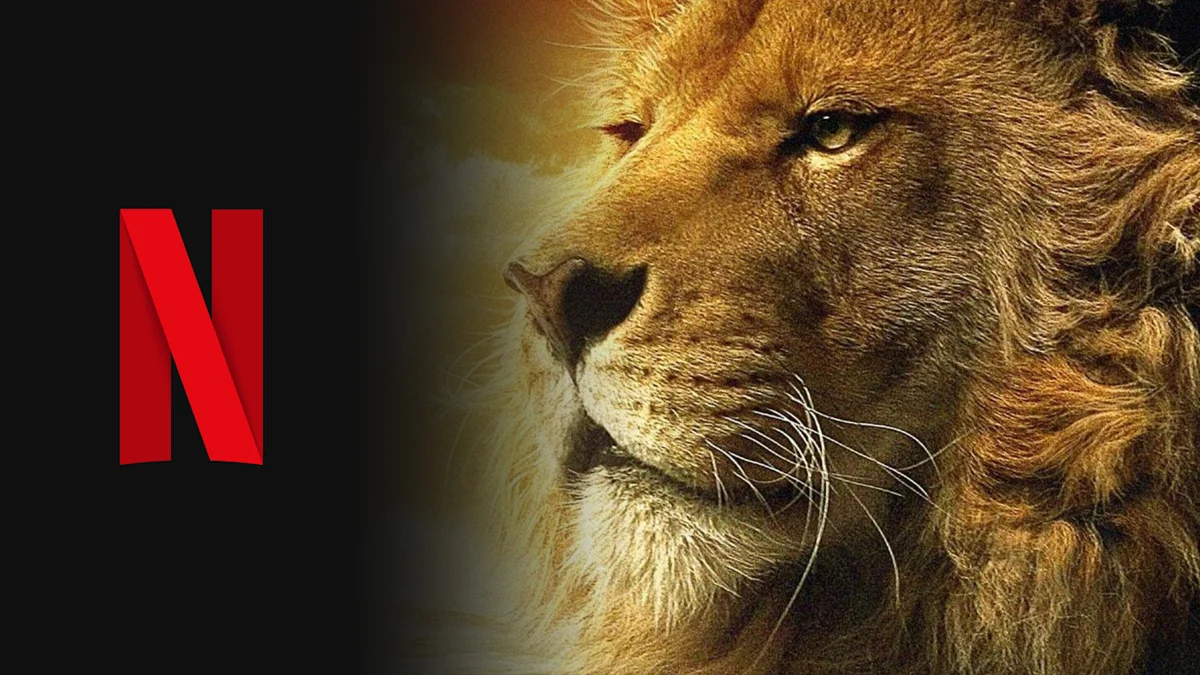
Netflix’s highly anticipated fantasy epic, Narnia: The Magician’s Nephew, has announced a significant shift in its release schedule, moving its exclusive theatrical debut to February 2027 and its streaming release to April 2, 2027. This postponement from its initially planned 2026 holiday season slot marks a pivotal moment for the streaming giant, signaling an unprecedented commitment to a traditional theatrical window for one of its marquee productions. The announcement, coincidentally made on the 71st anniversary of the C.S. Lewis novel The Magician’s Nephew‘s publication, has sent ripples through both the film industry and dedicated Narnia fan communities.
The Evolving Release Timeline
The initial strategy for Narnia: The Magician’s Nephew involved an IMAX theatrical release during Thanksgiving 2026, followed by a streaming premiere on Netflix on December 25, 2026. The revised plan now sees the film entering exclusive theatrical release on February 12, 2027, with special previews exclusively in IMAX cinemas beginning two days earlier, on February 10, 2027. Following this extended theatrical engagement, the movie will become available for global streaming on Netflix on April 2, 2027. This new schedule grants the film a substantial 49-day exclusive theatrical window, a remarkable departure from Netflix’s established distribution practices, particularly for an English-language feature of this magnitude. Historically, Netflix has opted for limited theatrical runs, often for awards qualification or a mere one-to-two-week engagement, making this seven-week commitment a significant strategic pivot.
A Bold New Chapter in Netflix’s Distribution Strategy
The decision to provide Narnia: The Magician’s Nephew with an extended theatrical run underscores a potential paradigm shift in Netflix’s approach to content distribution. For over a decade, the company has largely championed a direct-to-consumer streaming model, often prioritizing immediate global availability on its platform over traditional cinema releases. While Netflix has occasionally experimented with theatrical windows for prestige films like Roma, The Irishman, or Glass Onion: A Knives Out Mystery, these engagements were typically brief and designed primarily to satisfy awards eligibility requirements or provide a limited "event" experience.
The 49-day window for Narnia suggests a more ambitious goal: to maximize both theatrical box office revenue and the film’s cultural impact before its streaming debut. Industry analysts interpret this move as Netflix’s recognition of the value of the theatrical experience in building anticipation, critical acclaim, and ultimately, subscriber engagement. By positioning Narnia as a standalone global blockbuster rather than merely a holiday streaming offering, Netflix aims to compete directly with traditional studio tentpoles. This strategy could also be a response to the evolving landscape of the entertainment industry, where hybrid release models and longer theatrical windows are becoming increasingly common among major studios. The move could also serve as an olive branch to top-tier filmmakers like Greta Gerwig, who often prefer the prestige and communal experience of a broad theatrical release.
Greta Gerwig’s Vision for Narnia
At the helm of this ambitious project is Academy Award-nominated filmmaker Greta Gerwig, known for her critical and commercial successes with Little Women and the record-breaking Barbie. Her involvement has been a significant draw for the Narnia adaptation, promising a fresh, nuanced perspective on C.S. Lewis’s beloved world. Gerwig’s ability to blend commercial appeal with artistic integrity makes her a compelling choice for initiating a new Narnia cinematic universe.
In a statement regarding the release shift, Gerwig expressed her enthusiasm: "Working with Netflix to bring this film to life has been extraordinary, and IMAX continues to be an incredible partner. I cannot wait for people to see the film in theaters on February 12 and on Netflix on April 2." Her remarks highlight the collaborative nature of the production and the importance placed on the IMAX experience, suggesting a visually immersive film designed for the big screen.
The C.S. Lewis Company, custodians of the author’s legacy, also shared their approval of Gerwig’s direction. "It’s incredibly moving to see how deeply Greta Gerwig has embraced C. S. Lewis’s world, and infused Narnia: The Magician’s Nephew with joy, heart, and genuine love for the story," they stated. "We’re so excited for audiences everywhere to experience her vision – and to share the magic of Narnia with a whole new generation." This endorsement from the rights holders reinforces confidence in the film’s faithfulness to the source material while allowing for creative interpretation. The film is produced by Mark Gordon, Amy Pascal, and Vincent Sieber, all seasoned industry veterans with a track record of delivering successful projects.
The Origin Story: "The Magician’s Nephew"
Narnia: The Magician’s Nephew is based on C.S. Lewis’s novel of the same name, which serves as the chronological first story in The Chronicles of Narnia series. Unlike previous film adaptations, which typically commenced with The Lion, the Witch, and the Wardrobe, this Netflix production delves into the very genesis of Narnia. The story chronicles the adventures of Digory Kirke and Polly Plummer, two children from London who are inadvertently transported to various worlds, including the desolate land of Charn and the nascent world of Narnia. It reveals how Jadis, the formidable White Witch, first entered Narnia and how Aslan the Lion sang the world into existence. This foundational narrative provides critical context for the entire Narnia saga, offering a fresh entry point for both new audiences and long-time fans. Adapting this particular novel first allows Netflix to build a comprehensive cinematic universe from the ground up, establishing its lore and characters before moving to more familiar tales.
An All-Star Ensemble Cast Brings Narnia to Life
The film boasts an impressive ensemble cast, signaling Netflix’s commitment to attracting top-tier talent for this franchise. David McKenna is cast as the young Digory Kirke, with Beatrice Campbell portraying Polly Plummer. Emma Mackey, acclaimed for her roles in Sex Education and Barbie, takes on the pivotal role of Jadis, the White Witch, a character whose origins are central to this story. Carey Mulligan is set to appear as Mabel, and the legendary Meryl Streep is also part of the cast, though her specific role remains under wraps, sparking considerable speculation. Daniel Craig will portray Andrew Ketterley, Digory’s eccentric and morally ambiguous uncle, whose magical experiments inadvertently set the story in motion. Ciarán Hinds adds further gravitas to the cast. Recent additions include Denise Gough and Susan Wokoma, alongside Kobna Holdbrook-Smith, who has been confirmed to play Francis. This stellar lineup not only elevates the film’s profile but also promises compelling performances to anchor the fantastical narrative.
PG Rating and the Future of the Franchise
Producer Mark Gordon recently confirmed that Narnia: The Magician’s Nephew will carry a PG (Parental Guidance) age rating, aligning with previous Narnia adaptations, including Disney’s highly successful 2005 film The Lion, the Witch, and the Wardrobe. "It is a four-quadrant, all-audience movie that will be a delight for kids," Gordon stated during an appearance on The Gary & Kenny Show, affirming the film’s family-friendly target audience. This rating ensures accessibility for a broad demographic, a crucial factor for a fantasy franchise aiming for multi-generational appeal.
Gordon also provided insight into Netflix’s long-term vision for the Narnia universe, indicating plans to adapt the subsequent six novels in C.S. Lewis’s series. While no further installments have been officially confirmed, he expressed optimism, stating, "Hopefully, it’ll be more than one [movie]." This commitment suggests Netflix is investing in a sprawling, multi-film saga, potentially rivaling other major fantasy franchises in scope and ambition. The consistent PG rating across the planned series would maintain a cohesive tone and target audience throughout the cinematic universe.
Navigating the Competitive Landscape and Awards Season
The shift to a February 2027 release date is also a strategic maneuver to avoid the highly competitive 2026 holiday season. The original Thanksgiving/Christmas 2026 slot would have pitted Narnia: The Magician’s Nephew against formidable contenders such as Dune 3 and Avengers: Doomsday, both expected to be massive box office draws. By moving to February, a typically less crowded period for major blockbusters, Netflix aims to give Narnia more breathing room to capture audience attention and achieve stronger theatrical performance.
Furthermore, the revised timeline has implications for awards season. The film’s 2027 release means it will no longer be eligible for the 2027 Academy Awards (which honor films released in 2026). Instead, it will contend for the 2028 awards cycle, giving it ample time to build critical momentum throughout 2027. This strategic positioning underscores Netflix’s ambition for Narnia to be not just a commercial success but also a critical darling, potentially garnering nominations in technical categories, visual effects, and even major awards, leveraging Greta Gerwig’s reputation for critically acclaimed work.
Historical Context of Narnia Adaptations
C.S. Lewis’s The Chronicles of Narnia have a rich history of adaptations, beginning with BBC television series and animated features. The most prominent cinematic attempts prior to Netflix’s acquisition were Disney’s The Chronicles of Narnia: The Lion, the Witch and the Wardrobe (2005) and Prince Caspian (2008), followed by 20th Century Fox’s The Voyage of the Dawn Treader (2010). While the first film was a significant box office success, grossing over $745 million worldwide and earning an Academy Award for Best Makeup, subsequent installments saw diminishing returns, leading to the franchise’s cinematic dormancy.
Netflix’s acquisition of the film and television rights to The Chronicles of Narnia in 2018 was a landmark deal, granting the streamer unprecedented control over Lewis’s entire fantasy universe. This move signaled Netflix’s intent to develop a cohesive, multi-project Narnia world, a feat that previous studios struggled to achieve. With Gerwig at the helm and a clear strategy for launching with The Magician’s Nephew, Netflix is poised to deliver the definitive cinematic interpretation of Narnia, leveraging its global reach and substantial production capabilities. The extended theatrical window for the inaugural film further emphasizes the company’s belief in the franchise’s potential to transcend its streaming platform and become a global cultural phenomenon.
Broader Industry Implications
Netflix’s evolving distribution strategy with Narnia: The Magician’s Nephew holds significant implications for the wider entertainment industry. It signals a growing recognition among streaming services of the symbiotic relationship between theatrical exhibition and streaming success. A strong theatrical run can generate invaluable buzz, critical validation, and word-of-mouth marketing that amplifies a film’s eventual streaming performance. For exhibition chains like IMAX, this represents a welcome shift, offering more premium content with longer exclusive windows. This move could encourage other streaming platforms to re-evaluate their own distribution models, potentially leading to a broader industry trend of longer theatrical runs for major streaming-backed features. The Narnia project, therefore, is not just a film release; it is a bellwether for the future of film distribution in the age of streaming.
Narnia: The Magician’s Nephew is slated to begin streaming on Netflix on April 2, 2027, following its exclusive theatrical engagement starting February 12, 2027. The industry and audiences alike will be keenly watching how this strategic play unfolds and shapes the future of both the Narnia franchise and Netflix’s place in the global film landscape.