

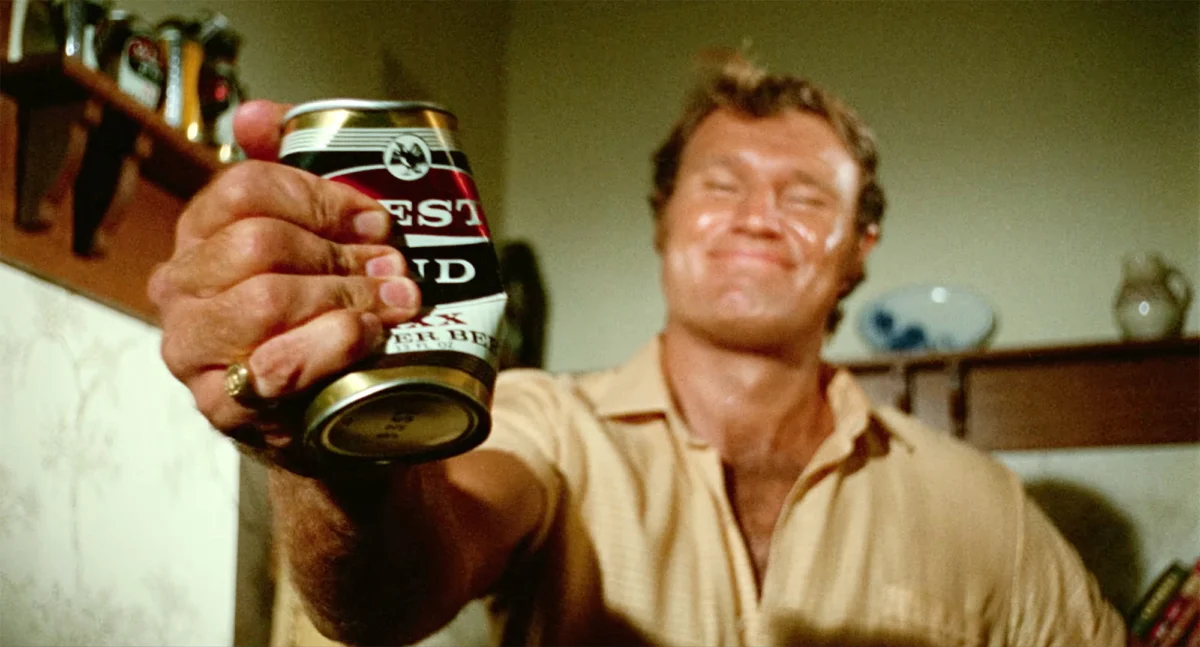
Arrow Video has officially released the stunning 4K restoration trailer for the revered Australian cult classic, Wake in Fright, signaling an impending re-release that promises to bring this visceral cinematic experience to a new generation of viewers in unprecedented clarity. Originally titled Outback for its 1971 Australian premiere, the film, directed by the late Ted Kotcheff, delves into the harrowing psychological descent of a schoolteacher stranded in the remote, unforgiving Australian Outback. This announcement, made on May 1, 2026, via YouTube, highlights the film’s enduring power and its re-establishment as a landmark work of international cinema, following decades of obscurity and a remarkable journey of rediscovery and preservation.
The Film’s Enduring Legacy and Initial Reception
Wake in Fright premiered at the prestigious Cannes Film Festival in 1971, where it was nominated for the Palme d’Or, marking an early recognition of its artistic merit and unsettling power. Despite this critical acclaim, the film struggled to find a wide audience, particularly in its home country, where its brutal honesty about Australian culture and masculinity proved confronting. The film depicts John Grant (Gary Bond), a refined English schoolteacher, who, en route to Sydney for Christmas holidays, makes an ill-fated stopover in the fictional mining town of Bundanyabba, colloquially known as "The Yabba." After a disastrous gambling bet strips him of his savings, Grant finds himself trapped in a vortex of hard-drinking, violent, and intensely masculine men, led by the enigmatic Doc Tydon (Donald Pleasence). What begins as an inconvenience quickly devolves into a nightmarish exploration of primal urges, cultural alienation, and self-destruction.
The raw and unsparing portrayal of Outback drinking culture, toxic masculinity, and the psychological toll of isolation distinguished Wake in Fright from its contemporaries. Its unflinching depiction of kangaroo hunting, which utilized real footage and was controversial even at the time, added to its reputation for brutal realism. The film’s initial theatrical run was brief, and it subsequently faded into obscurity, becoming a "lost film" for many years. This period of disappearance, however, only intensified its mystique and contributed to its later rediscovery and critical reappraisal. Figures like Martin Scorsese and Nick Cave have lauded the film, with Scorsese famously describing it as "a deeply — and I mean deeply — unsettling and scary experience."
A Journey from Lost to Legend: The Restoration Story
The narrative of Wake in Fright‘s survival is almost as compelling as the film itself. After its initial release, the original film negatives were believed to be lost, effectively consigning the film to cinematic purgatory. For decades, only degraded copies circulated, if at all, making it nearly impossible for new audiences to experience Kotcheff’s original vision. The turning point came in the early 2000s when editor Anthony Buckley, a key figure in the film’s initial production, embarked on a dedicated quest to locate the missing materials.

His persistent search ultimately led him to an archive in Pittsburgh, Pennsylvania, where, against all odds, a single print of the film was discovered in a storage facility designated for films awaiting destruction. This print was not just any copy; it was a pristine, untouched original negative, complete with its original sound elements. This discovery was hailed as a monumental event in film preservation. The arduous process of restoration then began, spearheaded by the National Film and Sound Archive of Australia (NFSA) and funded by organizations dedicated to preserving cinematic heritage. The initial restoration, completed in 2009, brought Wake in Fright back to life, allowing it to screen again at Cannes – this time in the "Cannes Classics" section – where it received a rapturous reception, nearly four decades after its debut. This 2009 restoration marked its rebirth, paving the way for its re-evaluation by critics and scholars worldwide.
The current 4K restoration by Arrow Video represents the pinnacle of this preservation effort. Leveraging advanced digital scanning and restoration techniques, the new version aims to present the film with unparalleled visual fidelity, bringing out the stark beauty and terrifying detail of the Australian landscape and the psychological torment within. This new release is not merely an upgrade in resolution; it is a testament to the dedication required to safeguard cinematic history and ensure that films of significant cultural and artistic value remain accessible and impactful.
Ted Kotcheff’s Vision and Career
Ted Kotcheff, the Canadian filmmaker behind Wake in Fright, crafted a diverse career spanning over five decades, yet this Australian thriller remains one of his most talked-about and critically acclaimed works. Kotcheff, who sadly passed away just last year, left behind a filmography that showcased his versatility across genres, from dramas to comedies and action thrillers. Before Wake in Fright, he directed films like Two Gentlemen Sharing (1969), and afterward, he continued to explore complex characters and intense narratives.
Perhaps his most widely recognized work following Wake in Fright is the 1982 action classic First Blood, the inaugural film in the Rambo franchise. The thematic threads of a protagonist pushed to his breaking point, forced to confront a hostile environment and violent men, resonate strongly between the quiet desperation of John Grant and the explosive rage of John Rambo. Kotcheff’s ability to extract raw, intense performances from his actors and his keen eye for portraying psychological distress were hallmarks of his directorial style, brilliantly demonstrated in Wake in Fright. His recent passing underscores the importance of this 4K restoration, serving as a timely tribute to his profound contribution to cinema.
The Outback as a Character: Themes and Symbolism
The desolate, dusty landscape of the Australian Outback is not merely a backdrop in Wake in Fright; it functions as a central character, a force that both entraps and transforms John Grant. The film masterfully uses the harsh environment to symbolize the raw, untamed aspects of human nature that emerge when societal conventions are stripped away. The "Yabba" becomes a microcosm of a particular brand of Australian masculinity, characterized by heavy drinking, gambling, hunting, and a deep-seated distrust of outsiders or perceived weakness.

Grant’s descent into moral degradation is a gradual, horrifying process. Initially repulsed by the crude behaviors of the locals, he finds himself increasingly entangled in their rituals, participating in acts that challenge his own sense of self and morality. The film explores themes of identity, the clash between urban sophistication and rural barbarity, and the terrifying notion of losing oneself in an alien environment. The question posed in the trailer – "What happened to John Grant? The Outback happened to John Grant" – encapsulates this thematic core, suggesting an environmental and cultural absorption that devours individuality. It’s a profound "Australian nightmare," a counter-narrative to the romanticized visions of the country, revealing a darker, more unsettling aspect of its national psyche.
Cast and Performances
The power of Wake in Fright is significantly amplified by its exceptional cast, who deliver performances that are both unsettling and unforgettable. Gary Bond, in the lead role of John Grant, perfectly embodies the increasingly desperate and unhinged schoolteacher. His portrayal of a man teetering on the edge of sanity, caught between his civilized upbringing and the primal forces of the Outback, is central to the film’s impact.
Donald Pleasence, renowned for his roles in films like Halloween, delivers a mesmerizing performance as Doc Tydon, a perpetually drunk, philosophical, and menacing character who serves as Grant’s primary tormentor and guide into the abyss. Pleasence’s ability to imbue Tydon with both intellectual menace and a repulsive charm makes him one of the film’s most memorable figures.
The ensemble also includes Australian cinema stalwarts like Chips Rafferty, in his final film role, as the jovial yet intimidating local policeman, Jock Crawford. Sylvia Kay portrays the film’s sole significant female character, Janette Hynes, offering a brief moment of potential connection that quickly dissipates. Jack Thompson, then a rising star in Australian cinema, plays Dick, one of the aggressive locals, further cementing the film’s authentic portrayal of Outback life. The raw, unvarnished performances from the entire cast contribute immensely to the film’s unsettling realism and lasting psychological impact.
Critical Reappraisal and Influence
Following its rediscovery and the 2009 restoration, Wake in Fright underwent a significant critical reappraisal. It moved from being a forgotten curio to being widely recognized as a pivotal work in Australian cinema and a psychological thriller of international renown. Critics lauded its uncompromising vision, its masterful blend of suspense and social commentary, and its prescient exploration of themes that continue to resonate today. The film is now frequently cited in discussions of the "Australian New Wave" of the 1970s, though it predates much of that movement, offering a darker, more cynical counterpoint to the more celebrated romanticism or historical epics of the era.

Its influence can be seen in subsequent films that explore the darker side of Australia, from thrillers set in the Outback to examinations of toxic masculinity. It challenged the prevailing, often romanticized, image of Australia as a land of mateship and adventure, exposing a substratum of violence, alienation, and cultural insularity. The film’s enduring power lies in its ability to disturb, provoke, and force audiences to confront uncomfortable truths about human nature and societal constructs.
Arrow Video’s 4K Presentation
The upcoming 4K Ultra HD release from Arrow Video is poised to be the definitive edition of Wake in Fright. Known for their meticulous attention to detail and commitment to film preservation, Arrow Video’s 4K restoration promises to elevate the viewing experience, allowing audiences to appreciate the film’s cinematography, sound design, and performances with unprecedented clarity. The release is expected to be a limited edition, complete with new cover art and likely a host of supplementary materials, including interviews, documentaries, and critical analyses, providing comprehensive context for this complex and important film.
Such a release is crucial for a film like Wake in Fright, which relies heavily on its oppressive atmosphere and visual storytelling. The enhanced resolution and dynamic range of 4K will allow the stark beauty of the Australian landscape to be rendered with breathtaking detail, further immersing viewers in John Grant’s terrifying journey. It represents a capstone to the film’s incredible journey from oblivion to its rightful place as a celebrated masterpiece.
Conclusion
The unveiling of the 4K restoration trailer for Wake in Fright is more than just an announcement of a new home video release; it is a celebration of cinematic resilience, dedicated preservation, and the enduring power of a film that refused to stay lost. Ted Kotcheff’s 1971 thriller, a harrowing journey into the heart of darkness within the Australian Outback, continues to challenge, disturb, and fascinate. Its re-emergence in pristine 4K quality ensures that its unsettling narrative, profound psychological insights, and unflinching portrayal of human nature will continue to captivate and provoke audiences for generations to come, solidifying its place as an indispensable work in the annals of cinema. Fans and new viewers alike are encouraged to secure their copy of this definitive edition to experience a film that truly happened to cinema.