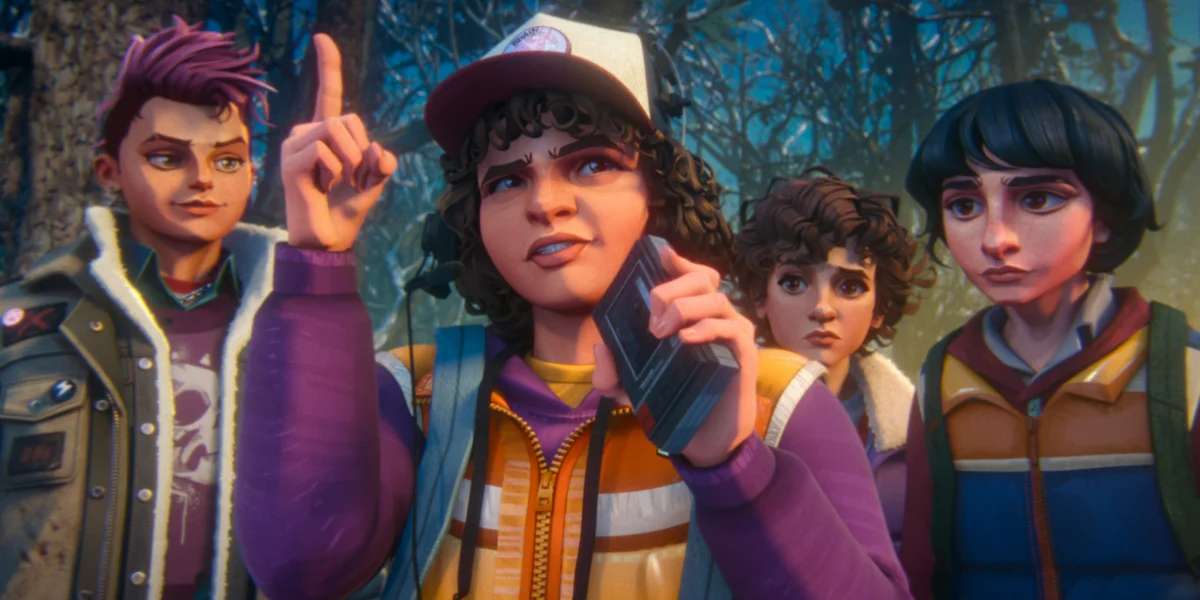
Netflix has expanded the beloved Stranger Things universe with the release of Stranger Things: Tales From ’85, an animated series designed to bridge the narrative gap between the second and third seasons of the flagship live-action show. This new venture, streaming globally, offers fans an immersive journey back to Hawkins, Indiana, exploring untold stories and deepening the lore without disrupting the established canon crafted by the Duffer Brothers. Conceived as a "lost chapter," akin to celebrated expansions within franchises like Star Wars, the series aims to keep the spirit and mystery of Stranger Things alive through the unique lens of animation.
A Deep Dive into Hawkins’ Past: Bridging Seasons Two and Three
Stranger Things: Tales From ’85 is meticulously positioned within the timeline of the Stranger Things saga, specifically after the events of Season 2, which saw Eleven closing the gate to the Upside Down, and leading into Season 3, characterized by the mall and summer adventures. This interstitial setting presents a unique challenge: to introduce new narratives and threats that resonate with the established world without undermining the Duffer Brothers’ original storyline. The creative team behind the animated series, led by Eric Robles and Ian Graham, embarked on this ambitious project with a profound respect for the source material, ensuring that any new developments seamlessly integrate into the intricate mythology of Hawkins.
The foundational concept for the series, as articulated by co-EP Ian Graham, revolved around "keeping the world alive without opening a gate." This narrative constraint proved to be a complex puzzle for many, but it was creator Eric Robles who devised a "brilliant idea" to navigate this challenge. While the specifics of this solution remain under wraps, its successful implementation underscores the team’s commitment to canonical integrity. This delicate balancing act involved extensive collaboration with the Duffer Brothers’ team, including Paul Dichter, a writer on the flagship series, who served as a consultant during early development to ensure the narrative stayed on track. Later, Caitlin Schneiderhan joined as head writer, guiding the series’ story arcs with an eye toward consistency and authenticity. This rigorous process, which Robles referred to as "a lot of math," was essential to honor the Duffer Brothers’ property and ensure that every new piece of the Stranger Things puzzle fit perfectly.
The Architects of Animation: Eric Robles and Ian Graham
The genesis of Stranger Things: Tales From ’85 lies in the collaborative synergy between creator Eric Robles and co-executive producer Ian Graham. Eric Robles, a seasoned animation veteran known for his work on Cartoon Network’s The Grim Adventures of Billy & Mandy and as the creator of Netflix’s Glitch Techs, brings a wealth of experience in crafting imaginative worlds. His vision for expanding the Stranger Things narrative through animation provided the initial spark for the project. Ian Graham, Senior Vice President of Creative at the esteemed Australian studio Flying Bark Productions LA, and a director on critically acclaimed series such as Avatar: The Last Airbender and The Legend of Korra, serves as Robles’ "number one guy," according to Robles himself. Their partnership, forged during their time on Glitch Techs, established a "creative language" that proved invaluable in tackling the intricate demands of the Stranger Things universe.
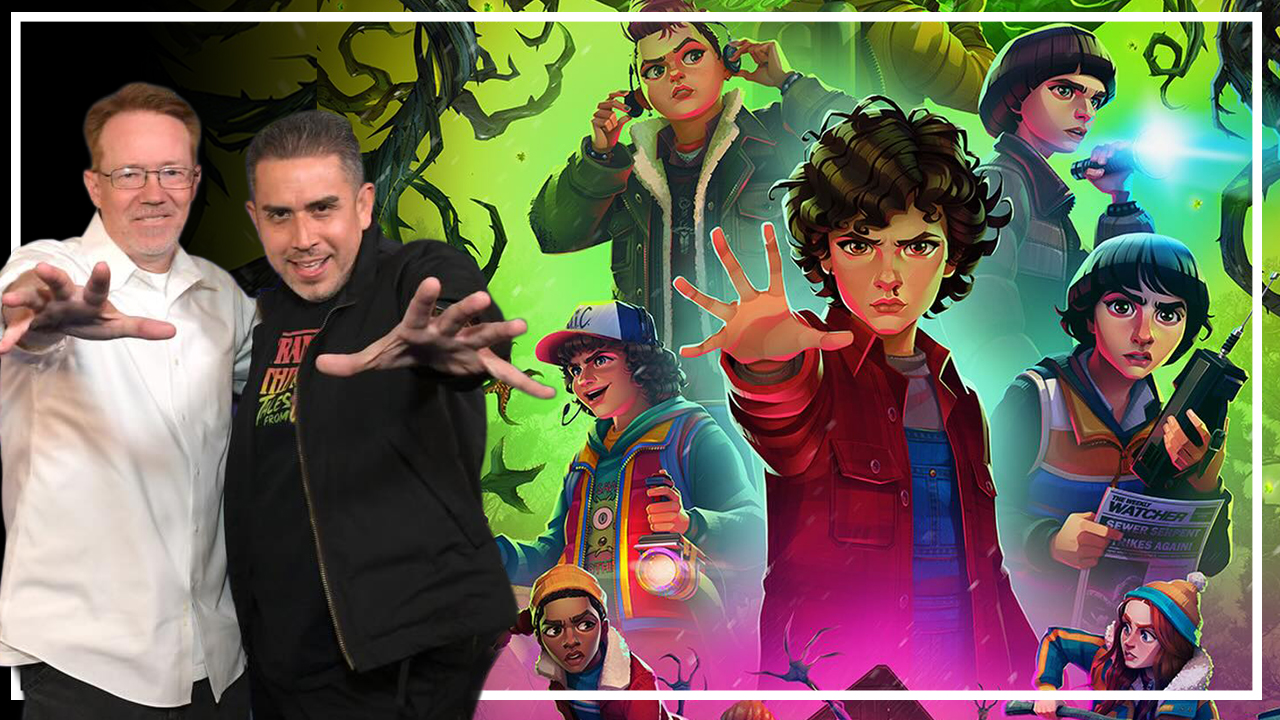
Flying Bark Productions, one of Australia’s largest animation studios, known for its high-quality output, provided the infrastructure for bringing this ambitious vision to life. The studio’s expertise, combined with Graham’s extensive background in directing sophisticated animated narratives, ensured that the production met the high standards associated with the Stranger Things brand.
The assembly of the creative team was a deliberate process aimed at gathering top-tier talent. Leveraging their prior collaborations, Robles and Graham reunited key members from their Glitch Techs team, effectively "getting the band back together." This included securing Sarah Partington as supervising director for Season 1, recognized for her exceptional storytelling abilities, and Ben Choi, who played a crucial role in establishing the visual foundation of the series. Graham, with his three decades of experience in animation, drew upon his vast network from projects like Avatar and Korra to enlist high-caliber artists. This strategic "casting for storytelling" approach ensured a diverse pool of talent, where each artist brought a "specifically unique voice to the table," fostering a rich, multi-faceted creative environment crucial for a series of this scale.
Elevating Animated Storytelling to Cinematic Heights
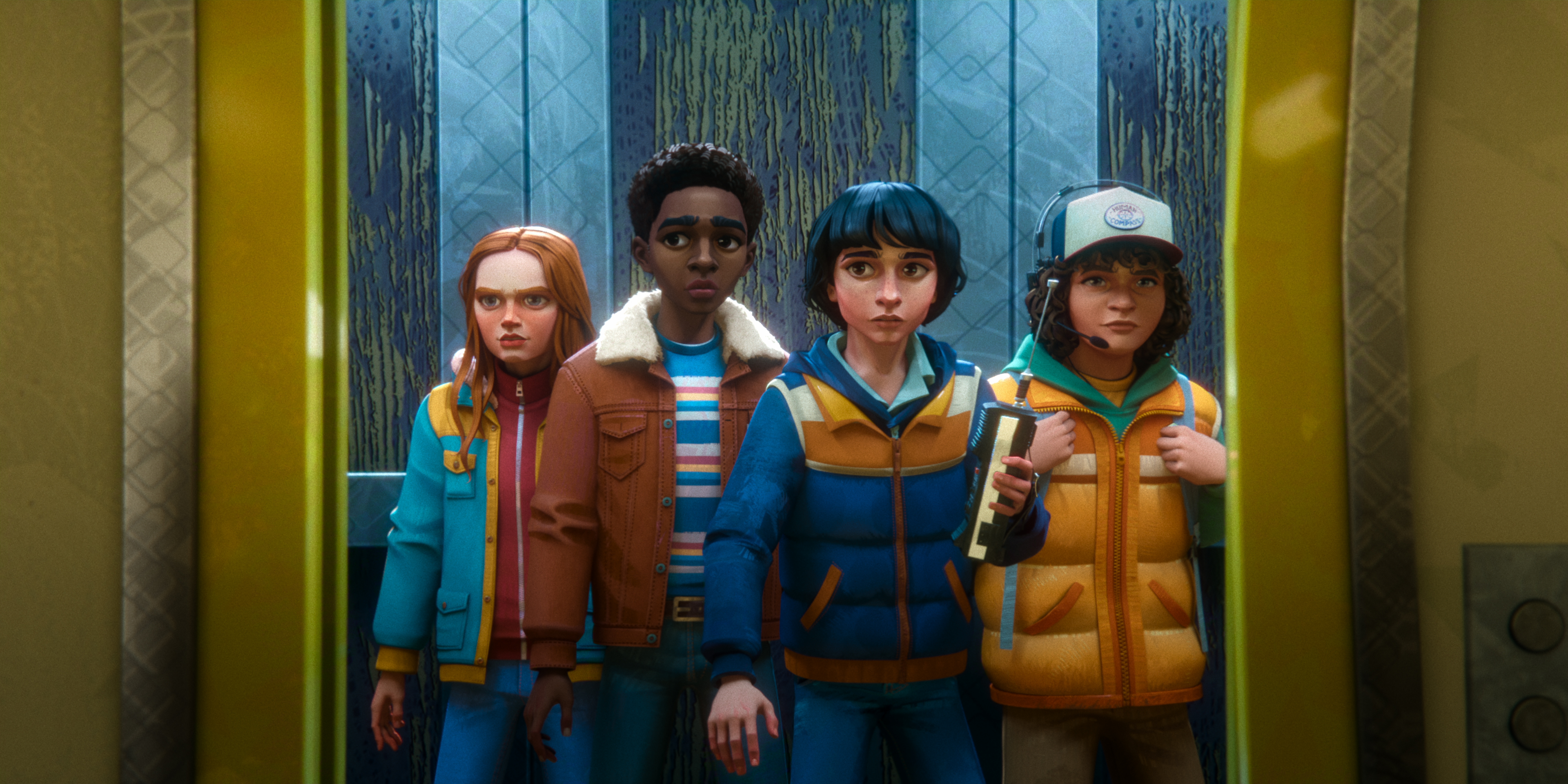
A core ambition for Stranger Things: Tales From ’85 was to achieve the same cinematic grandeur and emotional depth as its live-action counterpart. Robles and Graham were acutely aware of the "huge shoes to fill," given the sophisticated filmmaking techniques employed by the Duffer Brothers. Their strategy involved treating animation not as a limitation, but as a powerful tool to push creative boundaries.
Eric Robles emphasizes the camera’s role as "a voice of its own," intimately involved in the story’s journey. In animation, the camera can execute movements and perspectives that would be prohibitively expensive or technically challenging in live-action. This allows the team to capture both "heavy moments" and "big epic moments" with unparalleled dynamism. Robles points out the ability to move beyond conventional "headshot to headshot" dialogue scenes, opting instead for wider shots that emphasize character isolation or the vastness of their surroundings, thereby deepening the emotional resonance of subtle interactions.
Ian Graham further elaborates on this cinematic philosophy, noting that the Duffer Brothers themselves were inspired by the masters of 80s filmmaking: Steven Spielberg, George Lucas, Francis Ford Coppola, and Martin Scorsese. Consequently, Tales From ’85 consciously references iconic films such as Jaws, Raiders of the Lost Ark, Star Wars, and The Empire Strikes Back. This commitment to "high-level, sophisticated filmmaking" ensures that the animated series not only pays homage to the era but also upholds the aesthetic and narrative standards set by the original show. The freedom of animation allows for imaginative sequences and visual metaphors that might be difficult to achieve otherwise, reinforcing the decision to tell these stories in animated form.
The Sonic Landscape of ’85: Music as the Soul of Filmmaking
Music plays an indispensable role in the Stranger Things universe, not merely as background accompaniment but as a vital component of its narrative and atmospheric identity. For Stranger Things: Tales From ’85, the sonic landscape was crafted with the same meticulous care, deeply rooted in the 1980s zeitgeist and designed to amplify the storytelling.
Ian Graham, who grew up in the 80s, personally invested considerable time in curating the soundtrack, recognizing music as "the soul of filmmaking." He recounts spending weekends sifting through tracks to find the perfect fit for specific scenes. This dedication is vividly illustrated in the choice of Black Sabbath’s "Children of the Grave" for a pivotal pumpkin patch action sequence. Graham explained that for a horror sequence, "nothing could possibly sell horror more than early-days Black Sabbath," citing their "hardcore energy" combined with a "creepy vibe." The title itself, as Robles aptly points out, adds another layer of thematic resonance to the scene.
The strategic use of music ensures that sequences are not "hollow" but are instead imbued with the intended emotion and intensity. The creators understand that the wrong song can diminish a great scene, while the right one can elevate it to iconic status. This passion for musical integration was applied to "every single sequence" in the series, ensuring that the soundtrack is not just a nostalgic callback but an active participant in the narrative, enhancing the horror, adventure, and emotional beats that Stranger Things fans have come to expect. This careful curation contributes significantly to the series’ authenticity and its ability to transport viewers back to the palpable atmosphere of 1985 Hawkins.
Upholding the Lore: Collaboration with the Duffer Brothers’ Universe
The integrity of the Stranger Things lore was paramount for the creators of Tales From ’85. Operating within such a well-established and beloved universe required constant vigilance and close collaboration with the original architects, the Duffer Brothers. Their direct support and oversight were crucial in ensuring that the animated series remained faithful to the intricate mythology and character arcs.
The involvement of Paul Dichter, a writer from the flagship Stranger Things series, as a consultant during the early development phases, provided an essential link to the Duffer Brothers’ vision. Dichter’s role was to ensure that the new narratives stayed "on track," preventing any accidental deviations from established canon. Once production commenced, Caitlin Schneiderhan assumed the role of head writer for the series, tasked with weaving new stories that felt organic and consistent with the existing lore.
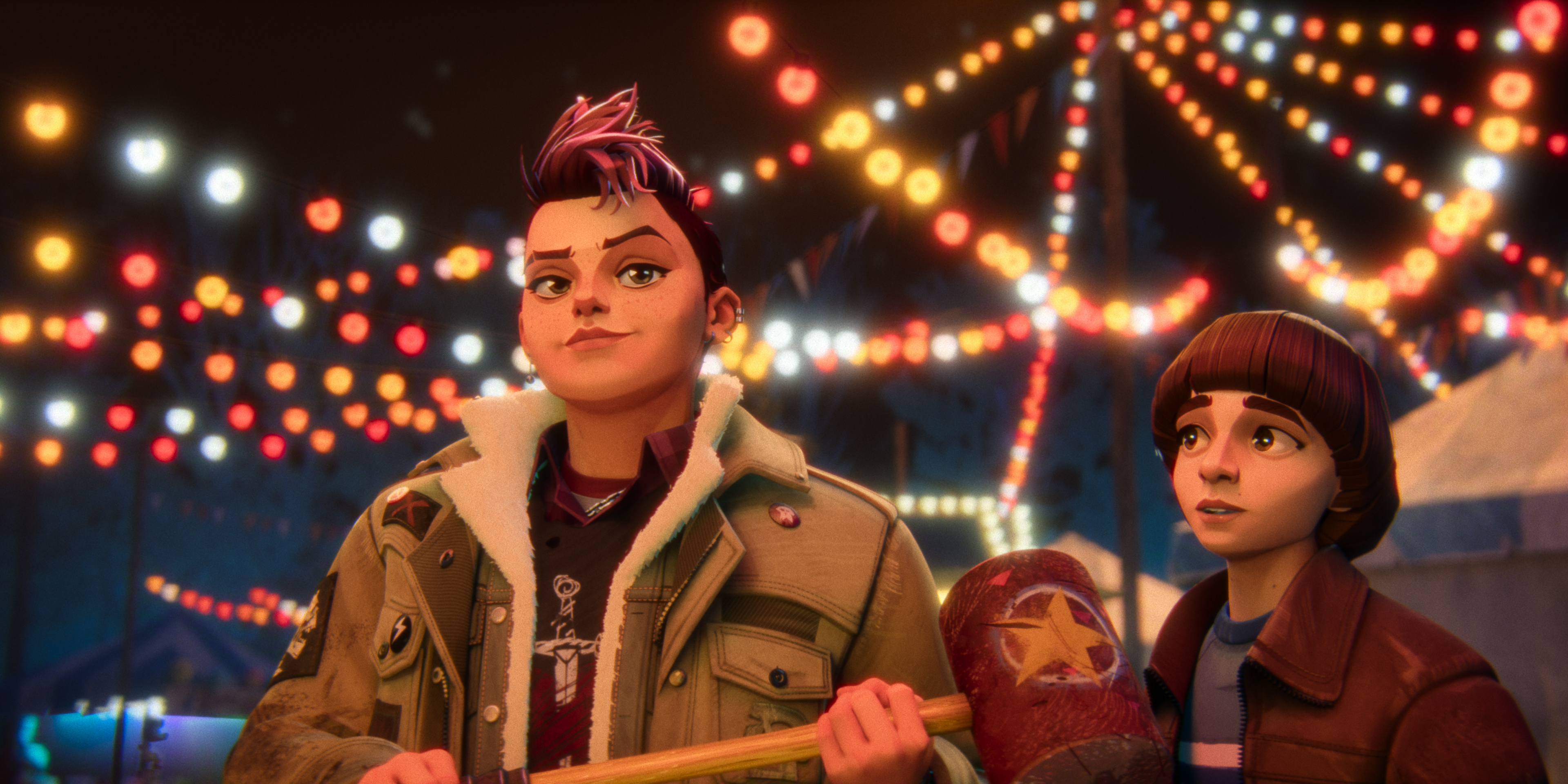
Robles and Graham describe the writing process as "the heart of it all" and acknowledge its inherent complexities. The challenge lay in creating new threats and adventures in Hawkins during a period when the gate to the Upside Down was supposedly closed. This required meticulous attention to "the math" of the Stranger Things universe—how events unfolded, the evolution of characters, and the rules governing the supernatural elements. The team was resolute in avoiding superficial additions, stating, "We didn’t want to just do something and be like, ‘Ah, nobody’s going to know. Who cares? It’s just going to be cool monsters.’ No, we had to make sure that the math was matching." This dedication extended to ensuring that all characters tracked well within their established personalities and developmental stages.
The creators found immense joy in the writer’s room, a space where "there’s no boundaries" in the initial creative phase. This blend of playful creativity and rigorous adherence to established lore allowed them to expand the Stranger Things world in meaningful ways, respecting its foundations while forging new paths. This careful approach underscores the deep respect the animation team holds for the Duffer Brothers and the universe they created, ensuring that Tales From ’85 serves as a legitimate and enriching addition to the franchise.
The Distinct Visual Language: Bringing Kyle Lambert’s Art to Life
The question of "why animation?" was a fundamental consideration for Stranger Things: Tales From ’85. Both Ian Graham and Eric Robles firmly believed that animation offered unique advantages that live-action could not replicate, particularly in capturing a distinct aesthetic and pushing narrative boundaries. The series’ visual style is a deliberate artistic choice, carefully constructed to stand on its own while honoring the roots of the Stranger Things phenomenon.
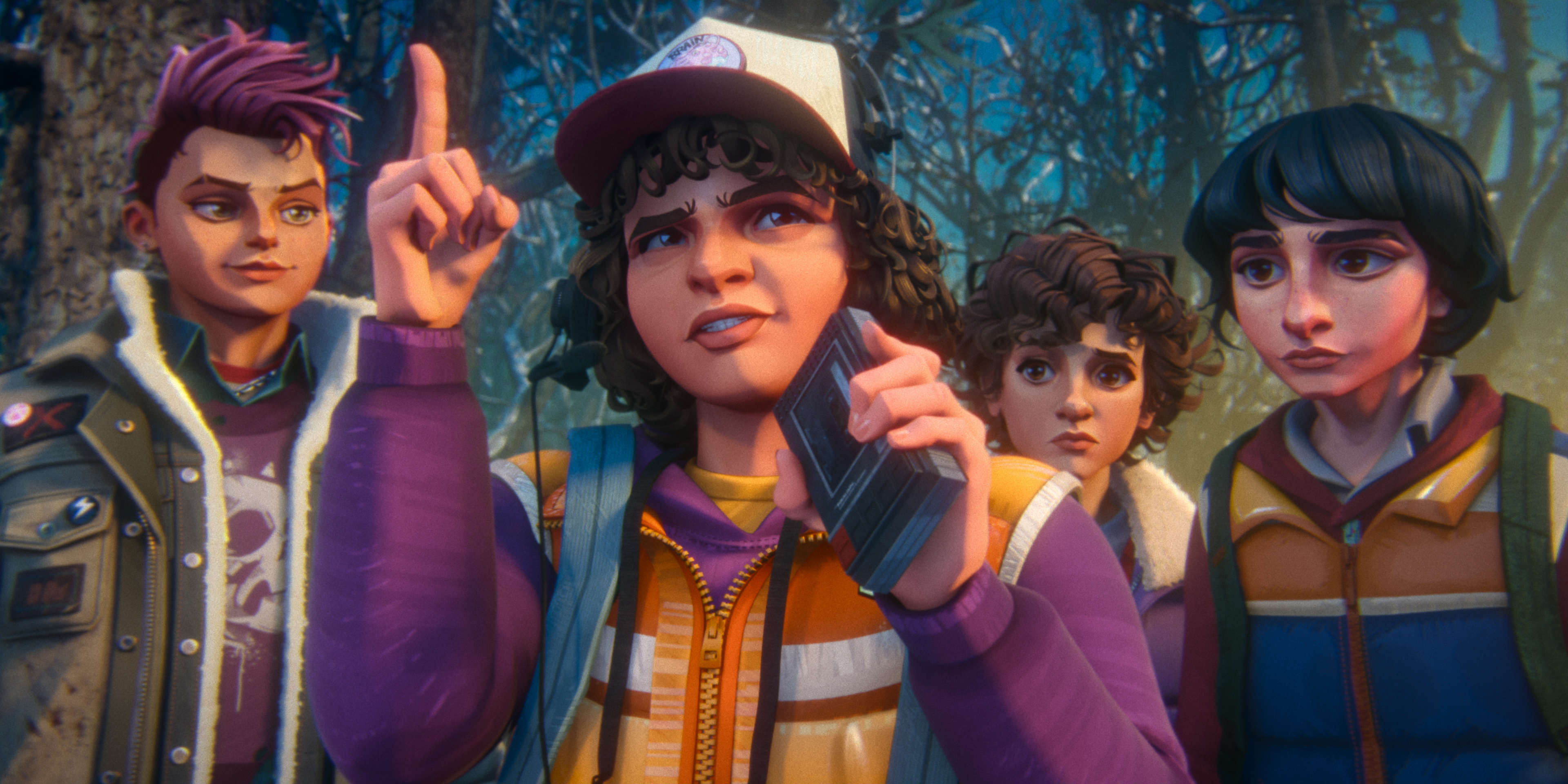
Eric Robles revealed that the iconic Stranger Things posters created by artist Kyle Lambert served as their "north star." Lambert’s retro-inspired, hand-painted artwork, known for its dramatic composition and evocative atmosphere, became the blueprint for the animated series’ unique look. Robles articulated this vision, stating, "If we can bring those posters to life in animation form, we’ve got ourselves a pretty cool series, man." This artistic ambition meant developing a style that was both recognizable to fans and distinct enough to justify the animated format.
Animation provided the freedom to explore visual storytelling in ways that would be either impossible or prohibitively expensive in live-action. Graham highlights that the animated medium allows them to "do things with L that are harder for the flagship" and "explore those avenues that animation only can do." This includes dynamic camera movements, fantastical creature designs, and visually striking environments that seamlessly blend the mundane reality of Hawkins with the surreal horrors of the Upside Down. The art style itself is a celebration of art coming to life, embodying the creative spirit that first captivated audiences with the original series. By choosing animation, Stranger Things: Tales From ’85 not only expands the narrative but also enriches the visual lexicon of the franchise, offering a fresh yet familiar perspective on the beloved world of Hawkins.
Stranger Things: Tales From ’85 season 1 is now streaming on Netflix, offering fans a compelling and canon-compliant expansion of the Duffer Brothers’ critically acclaimed universe. Through the masterful collaboration of Eric Robles, Ian Graham, Flying Bark Productions, and a dedicated team, the animated series stands as a testament to creative storytelling, meticulous lore-keeping, and the enduring power of animation to bring beloved worlds to new life.