The recent exchange of sharp criticisms between Pope Leo XIV and former President Donald Trump has ignited a media firestorm, culminating in a viral parody song that satirizes the unusual papal beef. Stephen Colbert’s The Late Show produced a segment titled "They Not Pious," which cleverly reimagines Kendrick Lamar’s chart-topping hit "Not Like Us" to address the escalating war of words between the pontiff and the former president. The parody video, released on April 16, 2026, has quickly become a trending topic, amplifying the public’s attention on the unprecedented clash.
The genesis of this unusual conflict can be traced back to a controversial AI-generated image depicting Donald Trump in a Christ-like pose, bestowing blessings upon a sick individual. This image, widely circulated on social media, sparked immediate backlash from religious leaders, political figures, and the public alike. While the White House eventually removed the image, the controversy had already set the stage for a pointed public commentary from Pope Leo XIV. The Pope, in what many interpreted as a direct response to the AI depiction and Trump’s consistent self-aggrandizement, alluded to the former president’s perceived overreach and questioned his spiritual authority.
Donald Trump, never one to shy away from a public dispute, retaliated with a series of critical remarks aimed at the Holy See. He characterized Pope Leo XIV as "weak on crime" and "terrible on foreign policy," effectively drawing the Vatican into the partisan political arena. This unprecedented engagement from both sides has left many observers stunned, marking a significant departure from traditional papal decorum and presidential discourse.

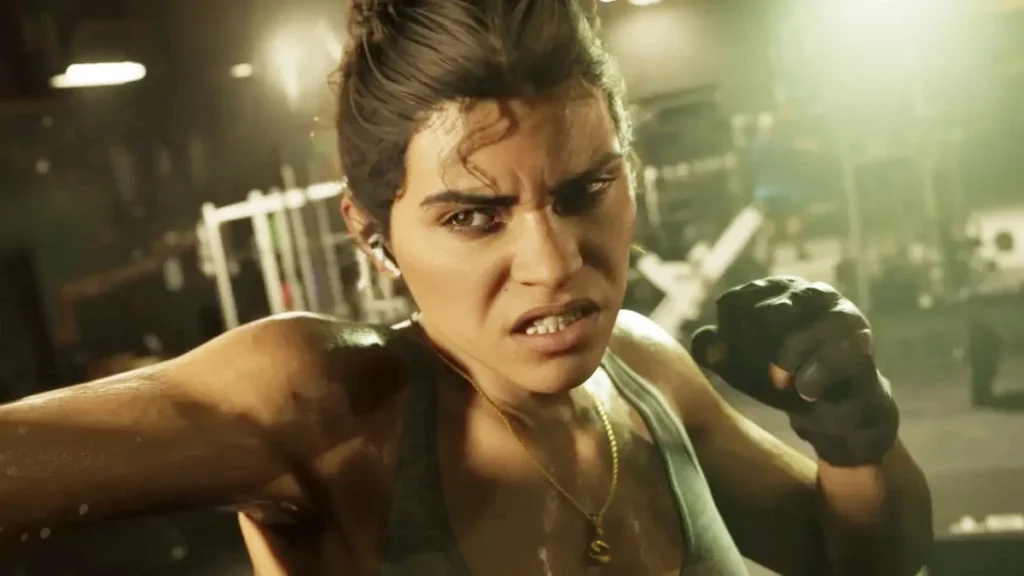
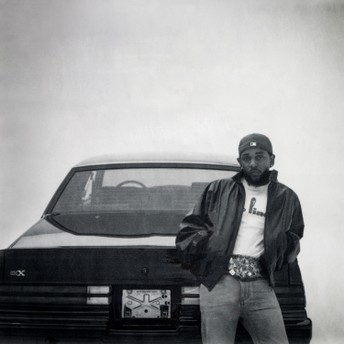
It was within this context of escalating tensions that The Late Show writers saw an opportunity for satirical commentary. Recognizing the potent cultural resonance of Kendrick Lamar’s 2024 rap battle with Drake, particularly the Grammy-winning track "Not Like Us," the show’s creative team decided to adapt its infectious beat and confrontational lyrical style to address the papal spat. The result is a meticulously crafted parody that mirrors Lamar’s cadence and thematic elements, transforming political and religious critique into a rap battle.
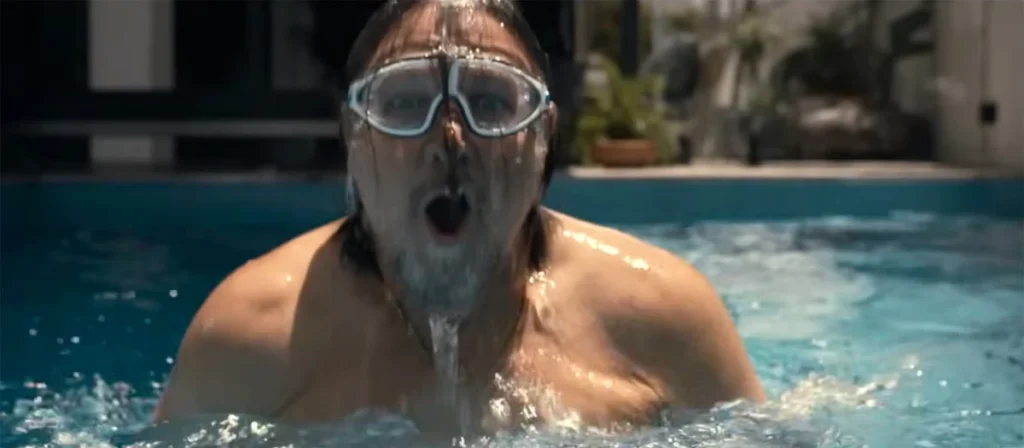
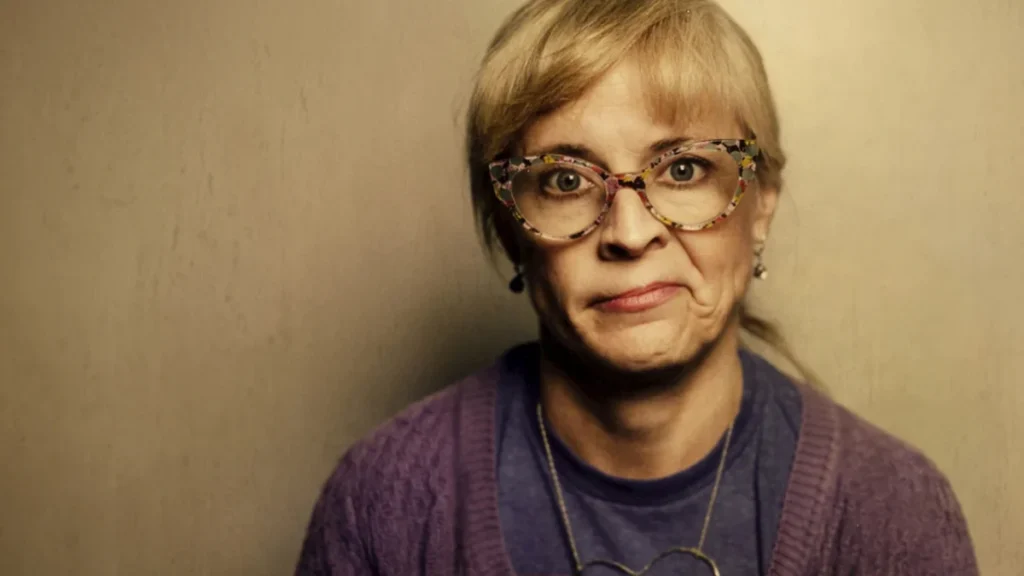
The parody, performed by a Colbert-esque impersonator of Pope Leo XIV, opens with a direct address to the former president: "Hey, peppers on my beef, yo/ Leo/ Here to defend my papacy, bro." The lyrics then delve into pointed comparisons, juxtaposing spiritual authority with perceived political shortcomings. The faux pontiff raps, "You got JD/ I got JC, though/ You keep Rubio/ I ride around with the holy trio/ I’m up in the Vatican/ You’re still in denial/ I’m the Holy See/ You’re the holy senile." This line directly references the common acronym for Jesus Christ (JC) and contrasts it with the former president’s perceived political affiliations and mental state, employing a play on words that highlights the absurdity of the situation.
The song further escalates its critique by referencing highly sensitive and controversial topics. The lyrics include the stinging accusation, "How many mentions of you in the Epstein files?/ Certified bestie with that certified pedophile." This line alludes to the ongoing investigations and public scrutiny surrounding Jeffrey Epstein’s sex trafficking ring and Trump’s past associations with Epstein. The visual accompaniment to these lyrics in the parody video features clips of Trump engaging in public appearances, including footage of him wielding a sword, attending parties, and juxtaposed with the AI-generated image that initiated the controversy. The use of these images, alongside the sharp lyrics, amplifies the satirical intent, forcing a direct confrontation with the controversial aspects of Trump’s public image and past.
The parody’s chorus adopts a rhythmic chant, echoing Lamar’s signature style: "Pope, Pope, Pope, Pope, Pope/ Lemme do my prayer/ Pope, Pope, Pope, Pope, Pope/ Big hat on my hair." This section then transitions into a more direct attack on Trump’s mental acuity and his controversial remarks about Jesus Christ. The lyrics state, "Seems like it’s past time you retired/ Called Jesus a doctor/ And it’s probably Alzheimer’s." This jab at the former president’s age and perceived cognitive decline, coupled with his public comments, is designed to highlight what critics view as a lack of respect and understanding. The song concludes its core refrain with the powerful declaration, "They not pious, they not pious," directly challenging the spiritual legitimacy of those it criticizes.
The AI image that served as a catalyst for this entire exchange has been a focal point of condemnation. The White House’s decision to remove the image after widespread criticism underscores the sensitive nature of such depictions. The backlash was not limited to political opponents; many religious leaders across denominations and even some of Trump’s staunchest supporters expressed dismay at the perceived blasphemy. This broad condemnation suggests a rare moment of bipartisan and interfaith agreement on the inappropriateness of the AI-generated imagery.
However, the removal of the image did not de-escalate the rhetoric. Trump continued his public criticism of Pope Leo XIV, doubling down on his claims of the Pope’s perceived inadequacies in leadership and policy. This persistent engagement from Trump signals a willingness to confront even the highest religious authority, further blurring the lines between political discourse and spiritual commentary.
The controversy has also drawn sharp reactions from cultural figures. Jack White, a former altar boy and prominent musician, publicly questioned the loyalty of Catholic voters to Donald Trump in light of these events. White penned a powerful social media post, reposting the controversial AI image and directly addressing evangelical Christians. He wrote, "Hey evangelical Christians? Remember that anti-Christ you been squawking about all these years and how he’d present himself as Christlike and bring about the end of days with a final war in the Middle East involving Jerusalem? Well…check out your boy now!" White’s statement continued, listing a series of alleged transgressions, including "felonies, epstein files, rapes, bombing of schoolchildren, gestapo ICE agents attacking his own citizens, threatening to invade Greenland, Cuba, Venezuela and Iran," and concluded by asking, "If all of this didn’t convince you that you fell for this deranged grifter, maybe this lil’ post will?" This statement by White reflects a broader sentiment among some who see Trump’s actions and persona as antithetical to Christian values.
The "They Not Pious" parody video itself is a testament to the power of satire in navigating complex and sensitive issues. By adapting a popular cultural artifact like Kendrick Lamar’s "Not Like Us," The Late Show has provided a platform for public commentary that is both entertaining and thought-provoking. The video’s success and virality underscore the public’s engagement with the unusual intersection of politics, religion, and popular culture.

The implications of this papal-presidential conflict are far-reaching. It highlights a growing trend of public figures, including religious leaders, engaging more directly and sometimes contentiously with political discourse. The use of AI in generating provocative imagery and the rapid spread of such content through social media platforms further complicate the landscape. The parody song serves as a cultural barometer, reflecting public sentiment and providing a humorous yet critical lens through which to examine these unfolding events. As the 2026 election cycle progresses, the echoes of this papal beef and its satirical deconstruction are likely to resonate, shaping public perception and political discourse in the process. The incident also raises questions about the boundaries of appropriate discourse when it comes to religious figures and political leaders, and the role of satire in holding power accountable. The unprecedented nature of this clash ensures it will be a talking point for the foreseeable future, prompting discussions about faith, politics, and the evolving nature of public dialogue in the digital age.