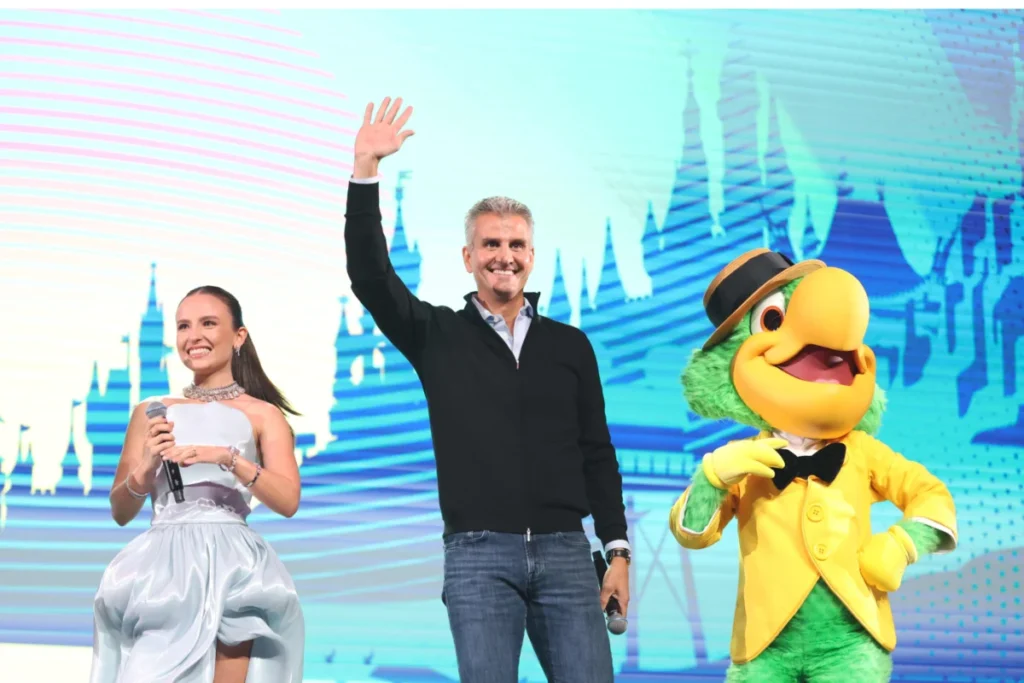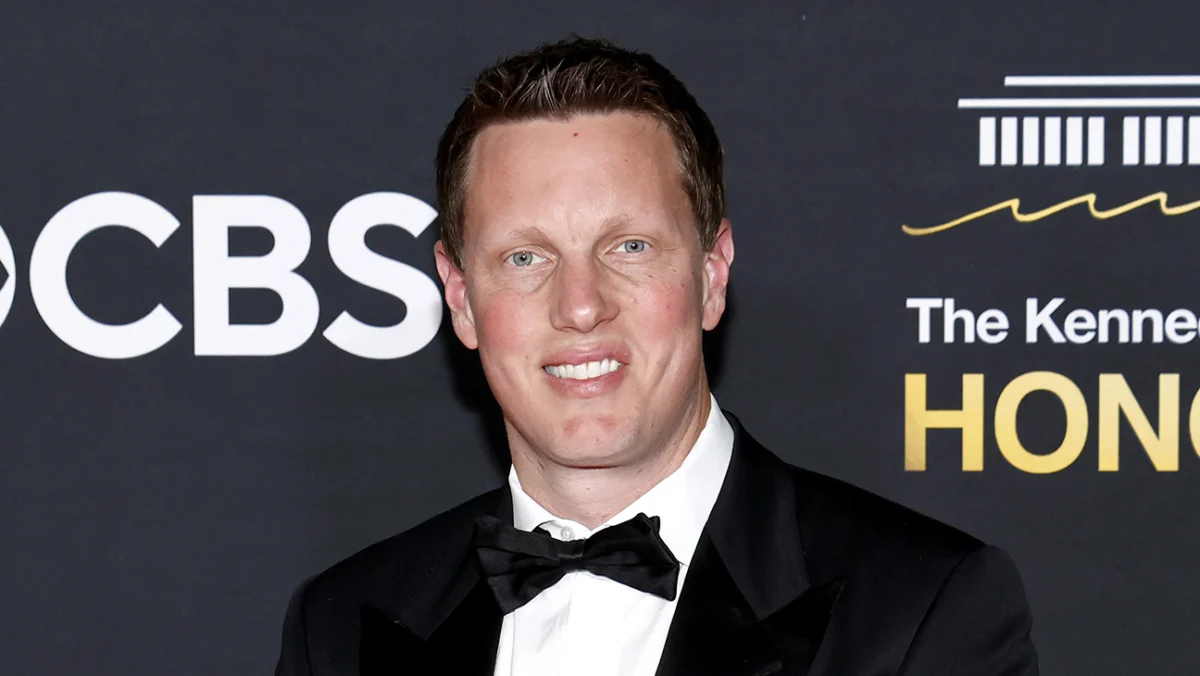
In a move that sent ripples through the annual CinemaCon gathering of theater owners in Las Vegas, David Ellison, CEO of Skydance Media, made an unannounced appearance on Thursday, delivering a potent message of reassurance and ambition to an industry grappling with rapid change. Ellison, the driving force behind the impending acquisition of Paramount Global and a key bidder for parts of Warner Bros. Discovery, took the stage to directly address cinema operators’ anxieties, vowing a future rooted firmly in robust theatrical releases. His appearance was met with a mix of surprise and palpable relief, signaling a potential new era of studio-exhibitor partnership.
Ellison’s core pledge was unambiguous: "I want to look every single one of you in the eye and promise once we combine with Warner Bros., we are going to make a minimum 30 movies a year. Every film will be released in theaters with minimum 45-day window and SVOD in 90 days." This declaration directly confronted one of the exhibition industry’s most pressing concerns: the shrinking theatrical window and the perceived prioritization of streaming platforms by major studios. His commitment to a defined 45-day theatrical exclusivity period, followed by a 90-day window before subscription video-on-demand (SVOD) release, established a clear and favorable framework for exhibitors, distinguishing his vision from the more fluid or compressed strategies adopted by some competitors in the post-pandemic landscape.
A New Vision for Paramount and Beyond
Ellison’s unexpected address followed a meticulously produced video presentation orchestrated by the new regime at Paramount, a company he effectively took control of in August 2025. Directed by acclaimed filmmaker Jon M. Chu, the video served as a powerful herald for the revitalized studio, showcasing a star-studded roster of talent currently in business with Paramount. The montage featured industry luminaries such as Tom Cruise, Timothée Chalamet, legendary producer Sherry Lansing, director Gina Prince-Bythewood, visionary filmmaker James Cameron, and actors Chris Pratt and Will Smith. The presentation culminated with a symbolic image of Tom Cruise perched atop the iconic Paramount water tower, gazing out at the horizon, a visual metaphor for renewed ambition and an optimistic outlook.
Ellison, a friend of Chu’s from their USC film school days, echoed the sentiment of the video, stating, "Long lived the movies. That’s something I know all of us deeply believe in." His remarks underscored a profound belief in the enduring power of the cinematic experience, a sentiment that resonated deeply with the assembled theater owners who have long championed the communal aspect of moviegoing. He went further, lauding the theater business as "smart business," emphasizing its unique capacity to foster multi-platform franchises and intellectual property that can "grow and thrive for generations to come." This strategic view positions cinemas not just as distribution channels but as foundational launchpads for enduring entertainment ecosystems, vital for long-term value creation. "It’s good for the heart, it’s good for our business, and most importantly, it’s good for our people," Ellison added, highlighting both the emotional and economic benefits of a robust theatrical sector.
Rebuilding Paramount: A Chronology of Renewal
The narrative of Paramount’s turnaround under Ellison’s leadership began in earnest with Skydance Media’s formal acquisition of the studio in August 2025. This pivotal moment marked the culmination of extensive negotiations and a strategic maneuver to inject new life into a storied studio that, as Ellison implicitly acknowledged, had faced significant headwinds in recent years. Prior to Skydance’s intervention, Paramount Global had navigated a challenging period characterized by declining legacy media revenues, intense competition in the streaming wars, and a valuation struggle that saw it become a prime target for potential suitors. The "almost driven into the ground" comment by Ellison served as a candid acknowledgment of the studio’s precarious position before the new leadership took the helm.
Since the takeover, Ellison’s team has wasted no time in demonstrating their commitment to increasing content output. He proudly touted the progress, stating, "At Paramount, we’ve already demonstrated since launching the new company just eight months ago, our ability to increase output with 15 films currently dated for 2026 up from eight in 2025." This nearly twofold increase in projected film releases for 2026 is a tangible indicator of the new management’s aggressive strategy to bolster Paramount’s content pipeline and, by extension, its theatrical presence. This commitment to higher volume directly addresses exhibitors’ need for a consistent supply of diverse, high-quality films to fill their screens and attract audiences.
The Looming Warner Bros. Acquisition: A Game Changer
While the revitalization of Paramount is a significant undertaking, Ellison’s aspirations extend even further, specifically to the ongoing bid for parts of Warner Bros. Discovery. This potential merger, which would combine the assets of Skydance/Paramount with a substantial portion of Warner Bros., represents one of the most significant potential consolidations in recent Hollywood history. Should the deal materialize, the combined entity would boast an unprecedented library of intellectual property, a vast infrastructure, and, critically, a stated commitment to producing a minimum of 30 theatrical films annually. This scale of production would immediately position the new conglomerate as one of the dominant forces in global entertainment, potentially reshaping the competitive landscape for years to come.
The integration of Warner Bros. into Ellison’s burgeoning media empire would bring with it iconic franchises from DC Comics, the Wizarding World, and extensive film and television catalogs that span nearly a century of cinematic history. This immense creative arsenal, combined with Paramount’s own rich legacy of franchises like Mission: Impossible, Top Gun, and Star Trek, would create a formidable content powerhouse. The promise of 30 films per year, backed by such a deep well of IP and talent, would be a boon for exhibitors globally, offering a consistent slate of highly anticipated releases.
The Significance of Theatrical Windows
Ellison’s explicit commitment to a 45-day theatrical window and a 90-day SVOD window is not merely a detail; it’s a strategic declaration in the ongoing debate over film distribution models. In the wake of the pandemic, many studios experimented with drastically shortened windows, simultaneous theatrical and streaming releases, or even direct-to-streaming premieres, leading to considerable tension with theater owners. While some studios have since returned to more traditional windows, the landscape remains varied. Ellison’s firm stance signals a strong belief in the value chain of theatrical exhibition as the primary revenue driver and brand builder for major films.
A 45-day exclusive theatrical run allows films to maximize their box office potential, build critical buzz, and establish cultural relevance before moving to other platforms. This period is crucial for smaller and mid-sized films to find their audience, and for blockbusters to achieve their full commercial impact. The subsequent 90-day SVOD window provides an additional buffer, ensuring that the theatrical experience retains its premium status while still allowing for a relatively swift transition to home viewing, satisfying subscriber demand without cannibalizing box office returns. This balanced approach aims to optimize revenue across all windows, reassuring exhibitors that their investment in showcasing films is respected and prioritized.
Industry Reactions and Implications
The reaction from the exhibition community to Ellison’s address is expected to be overwhelmingly positive. For years, theater owners have lobbied for clarity and consistency regarding theatrical windows, and Ellison’s direct, unambiguous promises provide exactly that. His affirmation of the theatrical business as "smart business" and a vital component for IP growth is a powerful endorsement from a major new player in Hollywood. This commitment could encourage other studios to maintain or reinforce similar windowing strategies, solidifying the importance of the theatrical experience in the broader entertainment ecosystem.
Industry analysts will likely view Ellison’s ambitious plans with a mix of optimism and scrutiny. The commitment to 30 films annually from a combined entity is a significant undertaking, requiring massive capital investment, robust production infrastructure, and a deep roster of creative talent. While Skydance has a strong track record with successful franchises, scaling up to this level across multiple brands and genres will be a monumental challenge. The financial implications of such a high output, coupled with the ongoing integration of complex media assets, will be a key area of focus. However, the potential upside of creating a dominant, content-rich studio with a clear distribution strategy is immense.
Furthermore, Ellison’s aggressive entry and expansion signal a new phase of consolidation and competition in Hollywood. His vision positions the Skydance/Paramount/Warner Bros. entity as a direct rival to established giants like Disney, Universal, and Netflix, each with their own unique strategies for content creation and distribution. This heightened competition could ultimately benefit consumers, leading to a greater diversity of films and more compelling cinematic experiences.
Conclusion: A Conquering Hero’s Promise
David Ellison’s surprise appearance at CinemaCon was more than just a public relations exercise; it was a foundational statement of intent from Hollywood’s new conquering hero. By directly engaging with the exhibition community and offering concrete assurances about theatrical commitment and film output, Ellison sought to forge a renewed partnership with the very people who bring movies to the masses. His words, delivered with conviction, aimed to dispel uncertainty and instill confidence in a future where cinema remains a vibrant, indispensable cornerstone of the entertainment industry.
"People can speculate all they long, but I’m standing here telling you personally that you can count on our complete commitment and we’ll show you again. Thank you for your partnership. We’re thrilled to have you on this journey with us, and we are incredibly excited for what’s ahead," Ellison concluded, sealing his pledge with a direct appeal for trust and collaboration. As the industry looks ahead to a rapidly evolving landscape, Ellison’s bold vision for a content-rich, theater-first future presents a compelling and potentially transformative blueprint for success in the global entertainment arena. The coming years will undoubtedly reveal whether this ambitious promise can be fully realized, but for now, the message from CinemaCon is clear: the movies, in Ellison’s vision, are here to stay, and they will be seen first on the big screen.