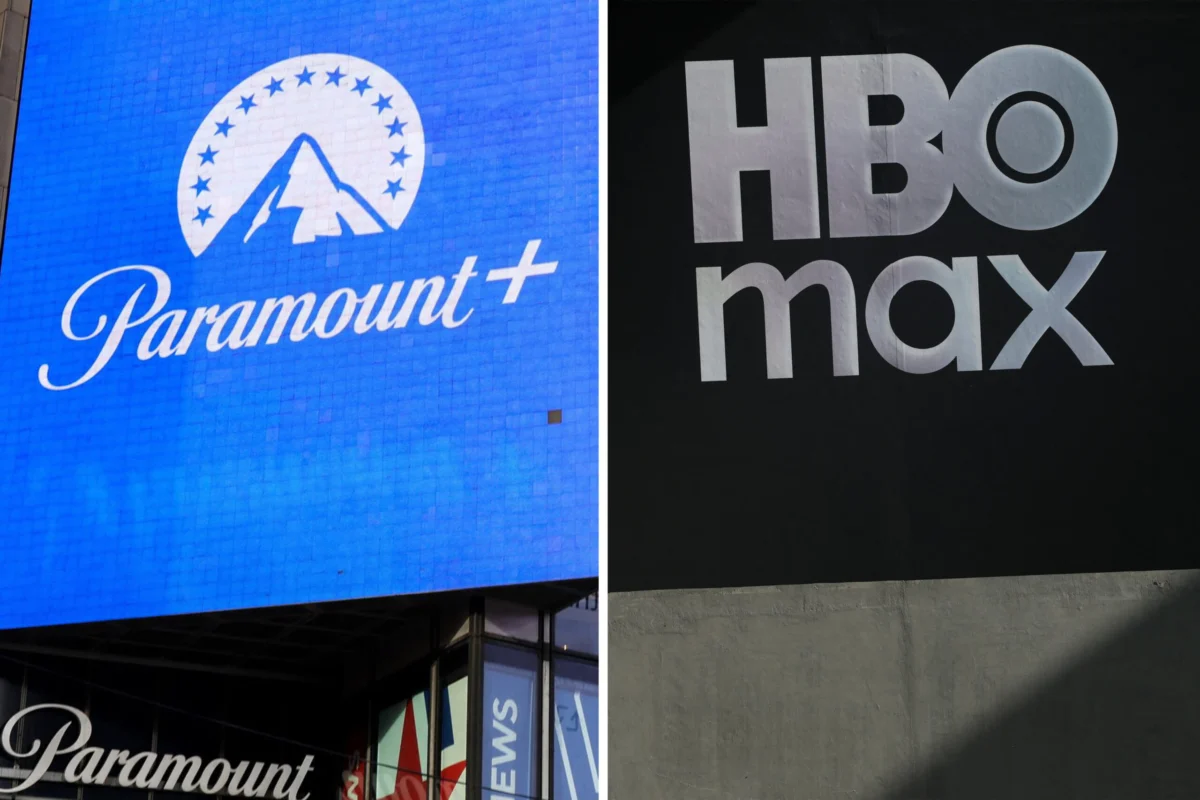
In a move that signals a tectonic shift in the global media landscape, Paramount CEO David Ellison confirmed on Monday that Paramount+ and HBO Max are slated to be integrated into a single, unified streaming powerhouse. This strategic consolidation is contingent upon regulatory approval of Paramount Skydance’s acquisition of Warner Bros. Discovery (WBD), a deal that promises to reshape the competitive dynamics of the "streaming wars" and create a formidable challenger to industry leaders Netflix and Disney.
During an expansive investor call following the announcement, Ellison detailed a vision for a combined service that would immediately command a subscriber base of approximately 200 million users. The transaction, which sees Paramount Skydance acquiring Warner Bros. Discovery at a valuation of $31 per share, comes on the heels of a protracted bidding process that concluded after Netflix withdrew its interest, clearing the path for the Skydance-led consortium to finalize terms. While specific details regarding the name of the new platform or its eventual pricing tiers remain under wraps, Ellison was emphatic about one core tenet of the merger: the preservation of the HBO brand. "HBO should stay HBO," Ellison stated, acknowledging the network’s decades-long reputation as a bastion of high-quality, prestige programming.
The Strategic Vision Behind the Merger
The decision to merge the two platforms is rooted in the necessity of scale in a maturing digital market. For years, media analysts have predicted a period of consolidation as legacy media companies struggled to balance the declining revenues of linear television with the high capital expenditures required to build competitive direct-to-consumer (DTC) platforms. By combining the vast libraries of Paramount and Warner Bros. Discovery, the new entity seeks to reduce churn—the rate at which subscribers cancel their service—by offering a more comprehensive content catalog that appeals to every demographic.
The combined library would be unparalleled in its diversity. It would house the storied film archives of Paramount Pictures and Warner Bros., the prestige television of HBO, the massive reality TV portfolio of Discovery, and the extensive children’s programming from Nickelodeon and Cartoon Network. According to sources familiar with the internal planning, HBO is expected to function as a premium sub-brand within the larger application, much like how Disney+ utilizes the "Star" or "Marvel" hubs. This allows the company to leverage HBO’s brand equity without diluting it with more general-interest content like "SpongeBob SquarePants" or "90 Day Fiancé."
A Powerhouse in Live Sports and News
One of the most significant advantages of the merger lies in the realm of live sports. The integration of TNT Sports (a WBD asset) and CBS Sports (a Paramount asset) creates a sports broadcasting titan. During the investor call, Paramount executives highlighted the sheer breadth of their combined portfolio, which would include broadcasting rights for the NFL, March Madness (NCAA Men’s Basketball), Major League Baseball (MLB), the National Hockey League (NHL), NASCAR, the French Open, The Masters, and a wide array of college football and basketball conferences.
Addressing potential regulatory hurdles, Paramount executives noted that they have not yet received any formal signals from the Department of Justice (DOJ) or the Federal Trade Commission (FTC) that would suggest antitrust concerns regarding the sports portfolio. They argued that the sports market remains highly competitive, with Amazon, Apple, and Disney (via ESPN) continuing to bid aggressively for rights. However, the concentration of so many "crown jewel" sporting events under one corporate umbrella will undoubtedly be a focal point for regulators concerned about consumer choice and advertising dominance.
The Evolution of HBO’s Streaming Identity
The path to this merger has been marked by a decade of rebranding and corporate restructuring for HBO. The prestige network has navigated a dizzying array of streaming iterations as its parent companies shifted strategies.
- HBO Go and HBO Now (2010–2015): Originally launched by Time Warner, HBO Go was a secondary service for cable subscribers. HBO Now followed in 2015, marking the first time the network was available as a standalone "over-the-top" (OTT) service, bypassing the traditional cable bundle.
- The AT&T Era and HBO Max (2018–2020): Following AT&T’s acquisition of Time Warner (renamed WarnerMedia), the company launched HBO Max. This service was designed to be a "big tent" platform, adding content from across the WarnerMedia portfolio to the core HBO offering.
- The Discovery Merger and "Max" (2022–2023): After AT&T spun off WarnerMedia to merge with Discovery Inc., CEO David Zaslav famously dropped the "HBO" from the service’s name, rebranding it simply as "Max." The goal was to signal that the service offered more than just prestige dramas, incorporating Discovery’s unscripted content.
- The Reversal (2025): Last year, in a surprising pivot, Zaslav and HBO head Casey Bloys decided to revert the name to HBO Max, citing the need to lean into the brand’s strength to differentiate it in a crowded market.
The current plan under David Ellison represents the fifth major shift in streaming strategy for the HBO brand in fifteen years. The stability of the brand remains a priority, especially given the current leadership. Casey Bloys, the architect of HBO’s recent successes like "The Last of Us" and "Succession," is currently under contract through 2027. His continued involvement is seen as vital to maintaining the creative culture that defines the network.

Financial Implications and Market Reaction
The $31 per share acquisition price represents a significant premium over Warner Bros. Discovery’s recent trading averages, reflecting Paramount Skydance’s confidence in the long-term value of WBD’s intellectual property. The deal is structured to address the significant debt load that has hampered WBD since its inception, while also providing Paramount with the global infrastructure needed to compete on a world stage.
Market analysts have reacted with cautious optimism. "The logic of this deal is undeniable from a content perspective," said one senior media analyst at a top-tier investment firm. "However, the execution risk is enormous. Integrating two massive corporate cultures, two different technology stacks, and two distinct advertising sales teams is a Herculean task."
The financial community is also watching the "200 million subscriber" figure closely. While the raw addition of Paramount+ and HBO Max totals suggests this number is attainable, there is significant overlap between the two services. Many households currently subscribe to both. Therefore, the "net" subscriber count after the merger may initially be lower than the sum of its parts, though the company expects to offset this through increased Average Revenue Per User (ARPU) and reduced marketing costs.
Addressing Regulatory and Antitrust Hurdles
The primary obstacle remains the regulatory environment. In recent years, the FTC and DOJ have taken a more aggressive stance toward "vertical" and "horizontal" mergers in the media and tech sectors. Regulators will likely scrutinize the impact of the merger on the following areas:
- Content Production: Will the merger reduce the number of "greenlight" opportunities for independent creators and production houses?
- Advertising Power: A combined Paramount-WBD entity would control a massive share of the television and digital advertising market, potentially giving them outsized leverage over agencies and brands.
- Consumer Pricing: With one less major player in the market, will the combined entity be able to raise prices without fear of losing subscribers to competitors?
Paramount’s legal team is expected to argue that the merger is a defensive necessity in an era where tech giants like Amazon and Apple—who do not rely solely on media revenue for survival—are distorting the marketplace. They will likely frame the deal as a way to ensure the survival of legacy American storytelling institutions.
Looking Ahead: The Future of the "New" Paramount
If approved, the merger will create a media company with a footprint that spans every corner of the globe. From the CBS broadcast network in the United States to international networks like Channel 5 in the UK and Network 10 in Australia, the combined entity will have a unique ability to "window" content across different platforms and regions.
For the consumer, the immediate impact will be the convenience of a single app. However, the long-term impact will depend on how David Ellison and his leadership team manage the delicate balance between HBO’s high-brow artistry and the broad-based appeal of Paramount’s blockbuster franchises like "Mission: Impossible," "Star Trek," and "Yellowstone."
As the industry moves away from the era of "growth at all costs" and toward a focus on profitability, the Paramount-WBD merger represents the most ambitious attempt yet to find a sustainable business model for the digital age. Whether this new titan can successfully integrate its disparate parts and maintain its creative soul will be the defining story of the media industry for years to come. For now, the focus remains on the regulators in Washington, whose decision will determine whether the 200-million-subscriber dream becomes a reality or remains a bold vision on a conference call.