The music video for Christian Nodal’s latest single, "Un Vals," has ignited a significant online debate, centered on the striking resemblance of the video’s lead model to both Cazzu, Nodal’s former partner, and Ángela Aguilar, his current wife. The director of the visually narrative clip, Juan Antonio Barbazán, has stepped forward to clarify the circumstances surrounding the casting, admitting to an oversight that led to the unintended controversy.
The Unforeseen Resemblance and its Fallout
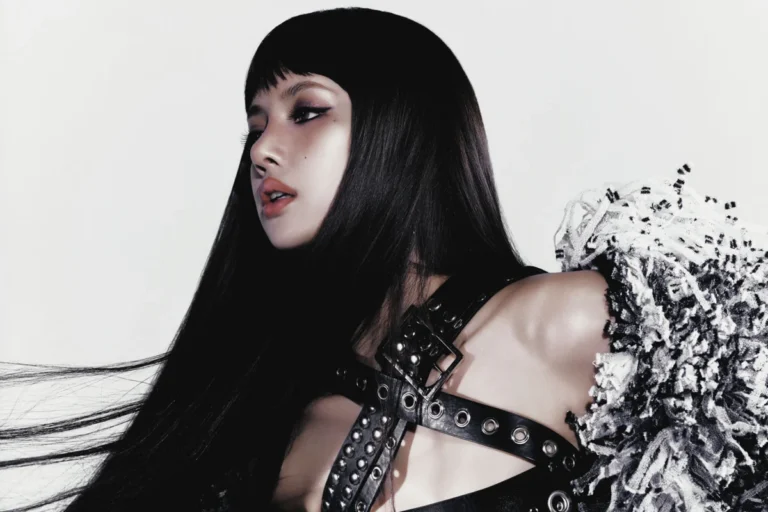
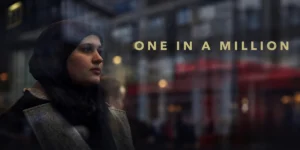
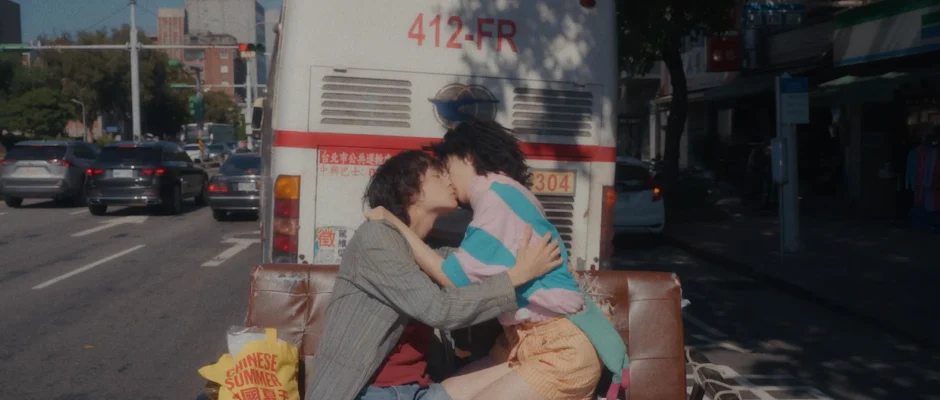
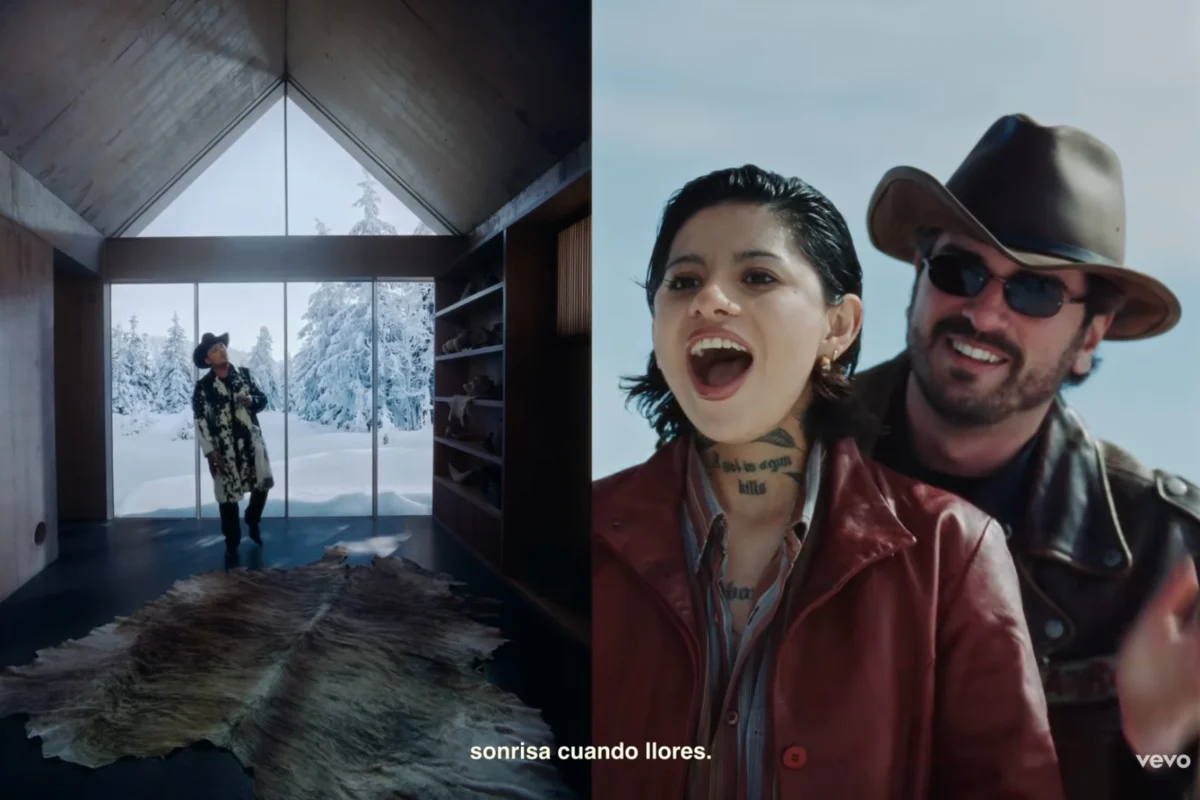
Released on Thursday, April 9th, "Un Vals" employs a distinctive split-screen format. On the left side, Nodal is captured performing the song, his segment filmed in Guadalajara, Mexico. The right side of the screen unfolds a romantic narrative featuring a model and an actor, their scenes shot in Spain. It was the model in this on-screen pairing, identified as Dagna Mata, a Mexican content creator based in Madrid, who quickly drew widespread attention and scrutiny on social media platforms. Users and fans alike noted an uncanny similarity between Mata and both Cazzu and Aguilar, leading to a flurry of speculation and commentary.
The implications of this perceived resemblance quickly escalated, creating an uncomfortable situation for all parties involved. Many interpreted the casting as a deliberate, albeit potentially insensitive, choice, given Nodal’s well-documented and highly publicized romantic history. The situation was further amplified by the fact that Cazzu and Aguilar are prominent figures in the Latin music industry, and their relationship dynamics with Nodal have been a constant subject of public interest.
Director’s Acknowledgment and Explanation
In a virtual press conference held on Saturday, April 11th, from Madrid, director Juan Antonio Barbazán directly addressed the burgeoning controversy. Speaking with select media outlets, including Billboard Español, Barbazán stated, "It was our mistake not to realize this could happen." He emphasized that the decision-making process for the music video’s visual elements, including casting, did not solely rest with the artist.
"JG Music approved the video, not Christian Nodal," Barbazán clarified, referring to Nodal’s record label, which is owned by the singer’s father, Jaime González. This statement aimed to delineate responsibilities and suggest that the final approval for the visual content was a label-level decision, rather than a direct artistic choice by Nodal himself.
Barbazán elaborated on the casting process, explaining that his production company was tasked with finding suitable actors for the narrative segments. "The casting was done by us, the production company," he stated. "We were looking for Mexican actresses in Spain, which wasn’t easy to find, and Dagna’s profile was sent to us. We liked her, so we chose her." He further revealed that Christian Nodal did not personally approve the actress for the video. "No, we always choose the figurative actors. Christian didn’t see her. The comments about her resemblance to Cazzu and Ángela Aguilar slipped past us. At no point was there a strategy or anything of the sort. We didn’t consider it relevant to show her to Christian. Ultimately, other people appear in the video. It’s a large process, and not everything is consulted with the artist. It was our decision."
The director also firmly refuted any suggestions that the resemblance was part of a deliberate marketing strategy. "As a production company, this damages us – the idea that it was a planned marketing campaign. It affects our work because at no point was this the intention. The production staff didn’t know who Cazzu was; honestly, we didn’t notice that detail."
The Model’s Perspective and Nodal’s Reaction
Dagna Mata, the model at the center of the controversy, also broke her silence. On Friday, April 10th, she posted a video on her Instagram account expressing her feelings. In the caption, she wrote, "I hope the focus remains on what it is – a job – because I wouldn’t want to hurt anyone." She added, "It hurts me to see an artist involved who doesn’t deserve any of this and shouldn’t be compared to anyone else either. I had to emigrate from a country to achieve my dream of modeling and growing in the fashion industry." Her statement highlighted the personal impact of the situation and underscored her professional aspirations.
Christian Nodal himself shared a cryptic message via his Instagram Stories on Friday, acknowledging the widespread discussion. "I don’t own my name, my image, or my music, and what has happened with the video is proof of that… But my voice, which is the only thing I have left, will always belong to you," he posted. This statement, while not directly addressing the casting issue, alluded to a perceived lack of control over his artistic output and image, suggesting a feeling of being caught in circumstances beyond his immediate influence.
A representative for Nodal and JG Music informed Billboard Español on Saturday that neither the singer nor the label would be issuing further statements on the matter. This indicates a desire to de-escalate the situation and avoid further fueling the public discourse.
Chronology of Events
- Thursday, April 9th: The music video for Christian Nodal’s song "Un Vals" is released.
- Friday, April 10th: Social media users begin to notice and comment on the model’s resemblance to Cazzu and Ángela Aguilar. Dagna Mata posts a statement on her Instagram account addressing the controversy. Christian Nodal shares a reflective message on his Instagram Stories.
- Saturday, April 11th: Director Juan Antonio Barbazán holds a virtual press conference to explain the casting decision and address the controversy. A representative for Nodal and JG Music confirms no further statements will be made.
Broader Implications and Analysis
The "Un Vals" music video incident underscores the intricate relationship between artists, their creative teams, and the public’s perception. In an era of constant online connectivity and heightened social media engagement, even seemingly minor casting decisions can have significant repercussions. The rapid dissemination of opinions and interpretations on platforms like X (formerly Twitter) and Instagram can quickly transform a localized concern into a global talking point.
The situation also highlights the complex dynamics within the music industry, particularly concerning artist control over their visual content. While artists often have a vision for their music, the execution of music videos typically involves a collaboration with directors, producers, and record labels. The director’s assertion that Nodal did not approve the specific actress suggests a potential disconnect or a defined division of labor, where creative execution falls under the purview of the production company and the label.
Furthermore, the controversy brings to the forefront the pressures faced by artists navigating highly publicized personal lives. Nodal’s statement about not owning his image suggests a vulnerability to external narratives and interpretations, even when his direct involvement in specific creative choices is limited. The public’s fascination with his relationships, amplified by social media, creates a challenging environment where even accidental resemblances can be interpreted through the lens of ongoing personal drama.
The director’s admission of error and apology, coupled with Mata’s plea for focus on her professional work, represent attempts to mitigate the damage. However, the incident serves as a case study in the heightened scrutiny artists and their creative projects face today, where unintended consequences can arise from decisions made behind the scenes. The lingering impact of such controversies can affect public perception, artist morale, and the overall reception of artistic works, demonstrating the delicate balance required in the modern entertainment landscape. The incident also raises questions about the vetting processes for casting in high-profile music videos, especially when dealing with artists whose personal lives are under intense public scrutiny. The production company’s admission that the resemblance was not even noticed by the production staff suggests a potential need for more thorough background checks or sensitivity training for creative teams working on projects involving artists with prominent public profiles and complex personal histories. The unintended consequences of this oversight have clearly created a difficult situation for the director, the model, and Christian Nodal himself, underscoring the importance of foresight and careful consideration in all aspects of creative production.