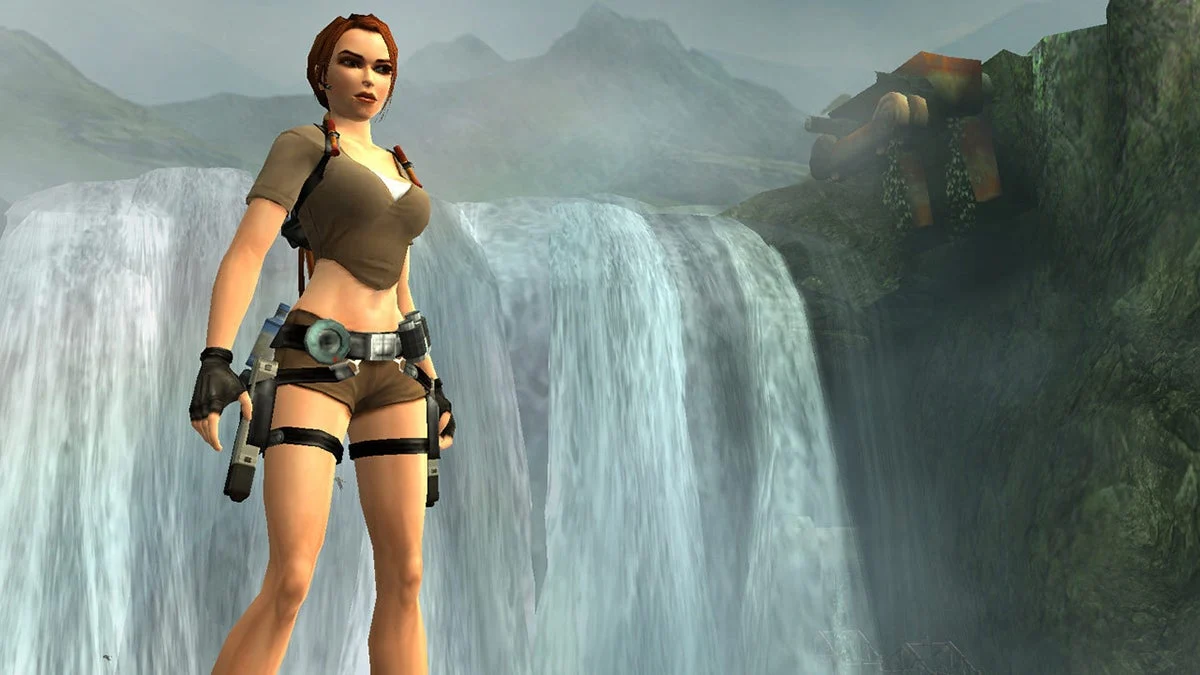
The Tomb Raider franchise, one of the most enduring pillars of the interactive entertainment industry, has reached a significant historical milestone as Crystal Dynamics celebrates the 20th anniversary of Tomb Raider: Legend. To commemorate two decades since the release of the title that effectively revitalized the series, official Tomb Raider channels have released previously unseen development footage, offering a rare window into the creative process of the mid-2000s. This retrospective look comes at a pivotal moment for the intellectual property, which is currently preparing for a major resurgence with the upcoming releases of Tomb Raider: Legacy of Atlantis in 2026 and Tomb Raider: Catalyst in 2027.
The newly surfaced gameplay demonstration provides a fascinating glimpse into a version of Tomb Raider: Legend that differs substantially from the final product released in 2006. Most notably, the footage features an early character model for Lara Croft that appears to be a modified version of her aesthetic from the 2003 predecessor, Tomb Raider: The Angel of Darkness. According to official statements from Crystal Dynamics, this model served as a foundational asset for gameplay testing and conceptual development before the project underwent a significant visual overhaul. This redesign was spearheaded by the return of Toby Gard, the original creator of Lara Croft, who collaborated with character artist Kam Yu to establish the more athletic and modern look that eventually defined the Legend era.
Historical Context: The Crisis of 2003 and the Transition to Crystal Dynamics
To understand the significance of Tomb Raider: Legend and this newly released footage, one must examine the precarious state of the franchise at the turn of the millennium. By 2003, the series had reached a critical low point following the release of Tomb Raider: The Angel of Darkness. Developed by the original creators at Core Design, the game was plagued by a troubled development cycle, resulting in a product that was widely criticized for technical instability and clunky controls. The commercial and critical disappointment of The Angel of Darkness led the publisher, Eidos Interactive, to make the radical decision to strip Core Design of the intellectual property and hand development duties to the California-based studio Crystal Dynamics.
Crystal Dynamics, known at the time for the critically acclaimed Legacy of Kain series, was tasked with a monumental challenge: modernizing Lara Croft for a new generation of hardware while recapturing the spirit of exploration and adventure that had made the 1996 original a global phenomenon. Tomb Raider: Legend was the result of this effort. It introduced a physics-based puzzle system, a more cinematic narrative, and a fluid control scheme that moved away from the "tank controls" of the 32-bit era. The 20th-anniversary footage serves as a digital artifact of this transition, showing the studio’s early attempts to bridge the gap between the dark, urban tone of the previous game and the globe-trotting archeological focus of the new vision.
Analysis of the Uncovered Footage and Cut Content
The footage released by Crystal Dynamics confirms long-standing fan theories regarding the evolution of the game’s opening levels. The demonstration showcases an early iteration of a jungle environment that would eventually be refined into the "Bolivia: Tiwanaku" stage, which serves as the final game’s introduction. In this early build, the narrative setup appears more militaristic; Lara Croft is seen infiltrating a warzone by leaping from a helicopter, searching for a hidden map within an ancient temple.
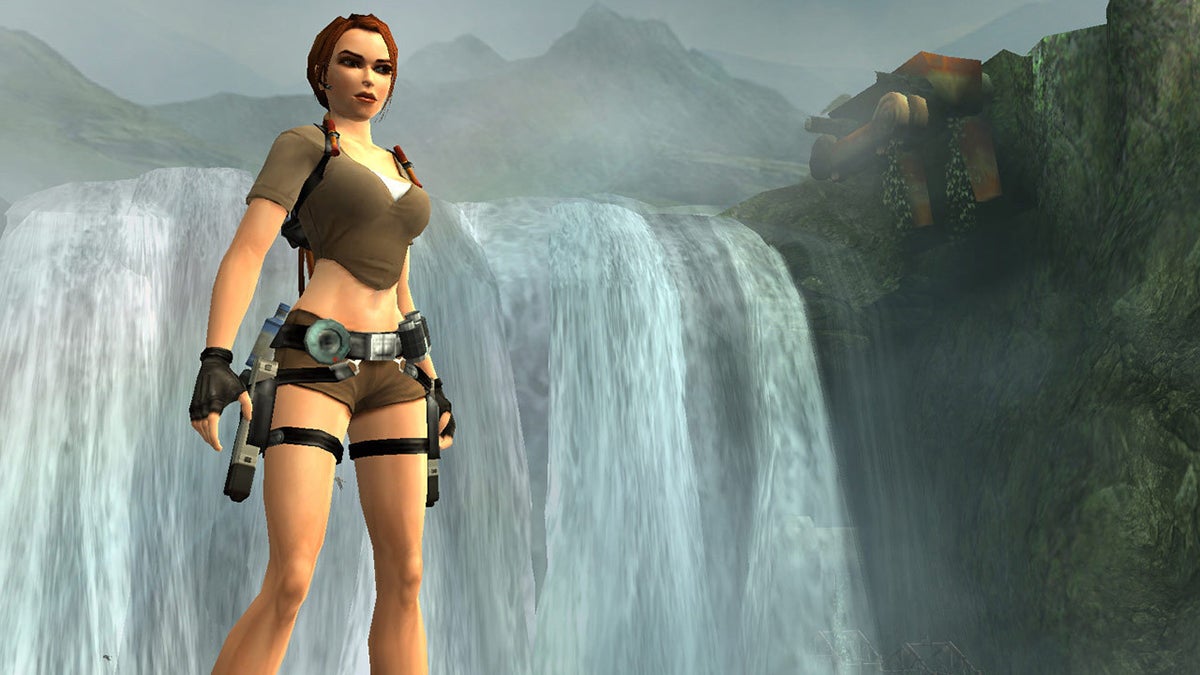
Technical observers have noted several key differences in Lara’s movement and interaction with the environment. The prototype footage highlights a level of environmental reactivity that fans argue was somewhat scaled back in the retail release. Interactions with foliage, water, and debris appear more emphasized, suggesting that Crystal Dynamics was initially pushing for an even more immersive, simulation-heavy experience. The presence of sections previously only seen in static promotional screenshots has provided veteran players with a sense of closure, as these "lost" areas of the game have finally been seen in motion.
The use of the Angel of Darkness model as a placeholder is particularly significant for enthusiasts of game preservation. It illustrates the iterative nature of AAA game development, where assets from previous iterations—even those from different developers—are often used to "gray-box" levels and test mechanics before final art assets are approved. The transition from this placeholder to the final Toby Gard-designed model represents the moment the franchise truly found its new identity under the Crystal Dynamics banner.
The Technical Legacy of the Legend Engine
Tomb Raider: Legend was not only a narrative reboot but also a technical showcase. It utilized a proprietary engine that allowed for seamless transitions between gameplay and cinematic sequences, a feature that was revolutionary for the PlayStation 2 and Xbox era. Furthermore, it was one of the first titles to bridge the generational gap, receiving a "Next-Gen" enhancement for the then-newly launched Xbox 360.
The success of the "Legend Engine" laid the groundwork for the two subsequent titles in what fans now call the "LAU Trilogy" (Legend, Anniversary, and Underworld). This era of Tomb Raider is characterized by its emphasis on platforming precision and the introduction of the magnetic grapple, a tool that expanded Lara’s verticality and became a staple of the series. The anniversary footage highlights the early experimentation with these traversal mechanics, showing how the team at Crystal Dynamics prioritized fluidity and responsiveness above all else.
Reactions from the Developer and Fan Community
The release of the footage has sparked a wave of nostalgia and renewed interest across social media platforms and gaming forums. Veteran developers who worked on the project have expressed a mixture of pride and reflection. Comments from the community highlight a deep appreciation for the "Legend era" of the character, with many players noting that the 2006 title was their first introduction to the world of tomb raiding.
In the YouTube comments section of the anniversary video, one fan noted, "The way Lara moves and interacts with the environment is so satisfying even in this early state. It’s a testament to how much care Crystal Dynamics put into rescuing this character." Others have pointed out that the grittier, more combat-oriented opening shown in the footage might have been a holdover from the "Angel of Darkness" influence, which the team eventually decided to move away from in favor of a more traditional adventure tone.

Looking Forward: Legacy of Atlantis and Catalyst
While the 20th-anniversary celebration focuses on the past, it serves as a strategic bridge to the franchise’s ambitious future. Crystal Dynamics and its partners are currently working on a multi-year roadmap intended to unify the various timelines of the Tomb Raider universe.
In 2026, the series will return to its roots with Tomb Raider: Legacy of Atlantis. While details remain closely guarded, industry insiders suggest this title will be a comprehensive remake of the 1996 original, utilizing modern technology to realize the scale and atmosphere that was limited by the hardware of the mid-90s. This project is expected to incorporate the "unified Lara" design, which blends elements of the original 1990s adventurer, the Legend-era hero, and the "Survivor" version of the character seen in the 2013 reboot trilogy.
Following closely in 2027 is Tomb Raider: Catalyst. Early reports indicate that Catalyst will be a brand-new entry in the series, potentially continuing the story after the events of Shadow of the Tomb Raider while integrating characters and lore from the earlier games. This "unified timeline" approach is part of a broader strategy to make the franchise more accessible to new fans while honoring the loyalty of long-term enthusiasts.
The Broader Impact on the Gaming Landscape
The resurgence of Tomb Raider comes at a time when the "action-adventure" genre is more competitive than ever. With the success of titles like the Uncharted series and the recent Horizon games, Crystal Dynamics faces the challenge of proving that Lara Croft remains the definitive icon of the genre. The studio’s decision to look back at Tomb Raider: Legend is a calculated move to remind the public of their proven track record in successfully rebooting the IP.
Furthermore, the franchise is expanding beyond the realm of gaming. With a high-profile animated series on Netflix and a live-action project in development at Amazon, the Tomb Raider brand is being positioned as a cross-media powerhouse. The "Catalyst" and "Legacy of Atlantis" games will be the interactive anchors of this expanded universe.
As the industry reflects on the 20 years of Tomb Raider: Legend, it is clear that the game was more than just a sequel; it was a survival story for the character herself. By sharing these early development secrets, Crystal Dynamics is not only celebrating a successful past but also signaling a transparent and engaged approach to its future. For fans who have followed Lara Croft from the pixelated tombs of 1996 to the cinematic landscapes of today, the next few years promise to be the most significant in the franchise’s storied history.