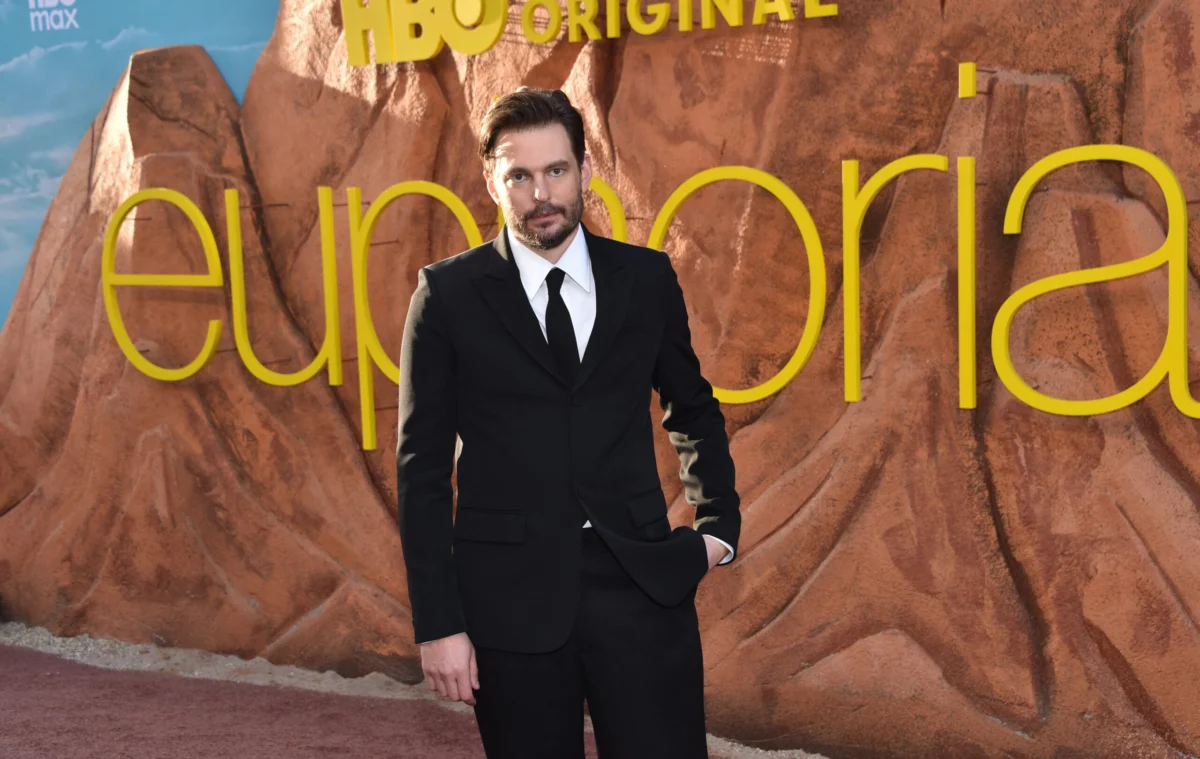
After a four-year hiatus, HBO’s critically acclaimed drama Euphoria is poised for its highly anticipated third season, promising a dramatic departure from its high school roots and delving into the complexities of early adulthood. The new season, which premiered on Tuesday in Los Angeles, immediately distinguishes itself with a significant time jump, propelling its troubled ensemble of characters beyond the confines of East Highland High and into the sprawling, often disorienting landscape of post-adolescent life. This strategic narrative shift sets the stage for a season laden with mature themes, profound character development, and the poignant shadow of real-life loss.
Creator Sam Levinson, the visionary force behind the series, articulated his creative impetus for this temporal leap at the season three premiere. "I liked the idea of sort of the wild west of adulthood and this frontier feeling where anything is possible," Levinson explained, encapsulating the essence of his new narrative direction. "That was sort of the backdrop that interested me, is who had these characters become and what are the consequences to those actions?" This statement underscores a pivot from the often-insular world of teenage angst to the broader, more unforgiving realities faced by young adults navigating personal ambitions, relationships, and lingering traumas in the "real world." The series, known for its unflinching portrayal of drug addiction, identity, and mental health, is now set to explore how these issues evolve and manifest when the structured environment of high school is replaced by the daunting freedoms and responsibilities of adulthood.
A Transformative Leap into Adulthood
The decision to implement a substantial time jump is a bold move that redefines the narrative framework of Euphoria. Trailers for the upcoming season offer glimpses into the transformed lives of its protagonists. Sydney Sweeney’s Cassie and Jacob Elordi’s Nate appear to have taken a drastic step, seemingly entering into marriage, a development that promises to unravel the tangled web of their tumultuous relationship. Meanwhile, Maude Apatow’s Lexi and Alexa Demie’s Maddy are depicted pursuing their careers in the bustling, often cutthroat world of Hollywood, suggesting new challenges and shifting alliances as they navigate professional and personal growth. At the heart of the show’s enduring struggles, Zendaya’s Rue Bennett continues her arduous journey toward sobriety, battling drug-related complications that remain a central, defining aspect of her character’s arc. This shift allows the series to explore how the characters’ foundational experiences in high school have shaped their adult identities, choices, and ongoing struggles, presenting a fresh perspective on the long-term consequences of their past actions.
This narrative strategy also offers Levinson greater artistic freedom to delve into more mature, complex themes. The transition from high school to adulthood is a period of immense change, characterized by self-discovery, career pursuits, serious relationships, and the often-harsh realities of financial independence and personal accountability. By fast-forwarding, Euphoria can avoid the potential pitfalls of rehashing familiar high school dramas and instead tackle universal adult experiences, from the pressures of career building to the complexities of long-term relationships and the ongoing battle with personal demons. This evolution mirrors the trajectory of many successful dramas that have allowed their characters to age, offering a natural progression that can deepen audience engagement and expand the show’s thematic scope.
The Road to Season Three: A Chronology of Anticipation and Challenges
The journey to Euphoria Season 3 has been marked by an extended hiatus, creating an unprecedented four-year gap between seasons. The first season premiered in June 2019, quickly establishing itself as a cultural phenomenon and earning critical acclaim for its raw honesty and stylistic innovation. Season 2 followed in January 2022, maintaining the show’s intense narrative and garnering even greater viewership, solidifying its status as a flagship series for HBO. However, the subsequent wait for Season 3 proved significantly longer than anticipated.
Several factors contributed to this prolonged production timeline. The global COVID-19 pandemic caused widespread disruptions across the entertainment industry, leading to delays in scripting, pre-production, and filming for countless projects. Beyond the pandemic, the skyrocketing careers of its lead actors, particularly Zendaya, whose star power soared with major film roles in franchises like Spider-Man and Dune, presented significant scheduling challenges. Balancing the commitments of such an in-demand cast required meticulous planning and flexibility. Furthermore, Sam Levinson is known for his hands-on approach to writing and directing, often fine-tuning scripts and creative visions over extended periods. This dedication, while contributing to the show’s distinctive quality, naturally extends production timelines.
Throughout this hiatus, audience anticipation reached fever pitch. Social media platforms buzzed with fan theories, speculation, and longing for the show’s return. HBO, recognizing the immense value and cultural impact of Euphoria, demonstrated remarkable patience and commitment, allowing Levinson and his team the necessary time to craft a season that not only addressed the narrative demands but also navigated unforeseen real-world tragedies. The network’s investment in the series, which has garnered numerous accolades including multiple Emmy Awards for Zendaya for Outstanding Lead Actress in a Drama Series, underscores its importance to their streaming catalogue and its ability to captivate a coveted demographic.
Honoring Legacies: Navigating Loss Behind and In Front of the Camera
Season three arrives under a cloud of profound real-life losses, deeply influencing the creative direction and emotional core of the series. Sam Levinson openly discussed how these personal tragedies compelled him to reconsider the overarching themes of the season, pushing him towards a narrative focused on meaning, purpose, faith, and belief in something greater than oneself.
The Enduring Spirit of Angus Cloud’s Fezco
One of the most significant and heartbreaking challenges for the production was the passing of actor Angus Cloud in July 2023. Cloud, who portrayed the beloved drug dealer Fezco with a compelling blend of menace and vulnerability, quickly became a fan favorite. Levinson shared his deep affection for Cloud and his personal efforts to support the actor, stating, "I loved Angus very deeply and I fought very hard to keep him clean while he was here." His death prompted a profound re-evaluation of the show’s direction. "I think when he passed away, it made me sort of step back and go what is the story I want to tell, what is it I want to say? What matters in life?" Levinson told The Hollywood Reporter. "And if I was going to do another season I wanted to make sure that it spoke to kind of a larger idea about meaning and purpose and who we are. It made me want to kind of tackle the idea of faith and belief in something greater than ourselves."
In a poignant and unusual narrative decision, Levinson chose to keep Fezco’s character alive within the story, a choice that will unfold as the season progresses. "I couldn’t keep him alive in real life but I could keep his character alive in the show," Levinson emotionally explained. "I kept him alive and the character has got a great arc. I think he’d be very proud of it." This decision is a powerful tribute, allowing Cloud’s legacy to continue through his character, providing both a sense of continuity for the narrative and a deeply personal way for the showrunner and audience to honor the actor. The continuation of Fezco’s storyline, particularly in a season exploring adulthood and consequence, will undoubtedly carry significant emotional weight, serving as a constant, tender reminder of the talent lost and the lives impacted.
Eric Dane’s Continued Portrayal of Cal Jacobs
Another central figure in Euphoria‘s ensemble is Eric Dane, who delivers a masterful and nuanced performance as Cal Jacobs, Nate’s father. Cal’s complex journey of self-discovery, repression, and eventual reckoning has been a cornerstone of the series’ exploration of identity, sexuality, and the destructive nature of secrets. Levinson underscored the profound commitment to fostering a supportive and adaptable production environment for all cast members, acknowledging the intensity of their roles and the personal dedication required. He specifically lauded Eric Dane’s magnificent performance as Cal Jacobs, a character whose complex journey continues to unfold this season, highlighting the collaborative effort to ensure a comfortable and productive set for such demanding portrayals. Dane’s return to the role is crucial, as Cal’s storyline remains integral to understanding the foundational traumas and generational cycles explored within the series, particularly as the characters transition into their adult lives. His portrayal continues to add depth and a critical, often uncomfortable, layer of societal commentary to Euphoria‘s narrative.
The Broader Impact and Cultural Resonance of Euphoria
Beyond its compelling storylines and stylistic flair, Euphoria has cemented its place as a cultural touchstone. Since its debut, the series has garnered widespread critical acclaim, lauded for its bold storytelling, raw performances, and visually stunning cinematography. Zendaya’s portrayal of Rue Bennett has been particularly lauded, earning her two Primetime Emmy Awards for Outstanding Lead Actress in a Drama Series, making her the youngest two-time winner in the category. The show consistently achieves high ratings, with its second season premiere drawing 2.4 million viewers across HBO and HBO Max, becoming the most-watched episode of any HBO series on HBO Max at the time. Its Metacritic score of 76 for Season 1 and 68 for Season 2, alongside strong Rotten Tomatoes ratings, reflect its consistent critical praise despite its controversial themes.
The series has profoundly influenced youth culture, inspiring trends in fashion, makeup, and music. Its distinctive aesthetic, characterized by glitter, vibrant colors, and Y2K-inspired looks, has permeated mainstream fashion, sparking countless tutorials and editorial features. The show’s soundtrack, curated with a blend of established artists and emerging talent, has also garnered significant attention, contributing to its immersive atmosphere.
However, Euphoria has also been a subject of intense discussion and, at times, controversy due to its explicit depictions of drug use, sexual content, and mental health struggles among teenagers. While some critics praise its unflinching honesty and realistic portrayal of contemporary youth issues, others have raised concerns about its potential glamorization of risky behaviors. Regardless of the debates, the show has undeniably sparked important conversations about the challenges faced by young people today, prompting dialogue among parents, educators, and mental health professionals. Its ability to generate such widespread discourse underscores its significant cultural resonance and its role in shaping contemporary television.
The Lingering Question: Is This the Final Act?
Adding another layer of intrigue and urgency to the new season is the pervasive speculation that Euphoria Season 3 might be its last. Zendaya recently hinted at this possibility, suggesting that the series could be drawing to a close. This prospect has amplified fan anticipation, as viewers brace for potential character resolutions and a definitive conclusion to the tumultuous journeys they have followed for years.
When pressed on the red carpet about the show’s future, Sam Levinson remained elusive, offering a philosophical perspective rather than a direct confirmation. "I go into every season like it’s the last season, I really do," he stated. "I write it like it’s the last, when I put down my pencil at the end of the day or when I lock that final sound mix I go is this something I’m proud of? If this was it, am I happy? And I leave the rest on God’s desk." This approach suggests a commitment to delivering a complete and satisfying narrative arc for each season, irrespective of whether it ultimately serves as a series finale. It places the creative integrity of the current story above long-term franchise planning, a testament to Levinson’s artistic vision.
The cast members themselves offered varied reactions to the possibility of a final season. Sydney Sweeney pleaded innocent, claiming, "Everybody’s been talking about what may or may not happen but I honestly have no idea," reflecting the common experience of actors often being among the last to know the ultimate fate of their projects. Alexa Demie, however, admitted, "I don’t know — it feels like it," suggesting an intuitive sense that the narrative might be building towards a culmination.
The implications of a potential finale are significant, both for the show’s narrative and for HBO. For the creators, it would mean immense pressure to provide a satisfying conclusion to the complex, often unresolved storylines of its diverse cast, tying up loose ends while honoring the show’s commitment to raw, ambiguous realism. For HBO, the conclusion of a flagship series like Euphoria would necessitate strategizing for new content to maintain its competitive edge in the streaming landscape. Regardless of its ultimate fate, Season 3 is poised to deliver a high-stakes, emotionally charged chapter that will undoubtedly resonate with its dedicated audience.
For now, Euphoria makes its much-awaited return to HBO on Sunday, inviting viewers to witness the next, perhaps final, chapter in the lives of East Highland’s most compelling inhabitants as they grapple with adulthood, navigate profound loss, and search for meaning in a world where anything is possible.