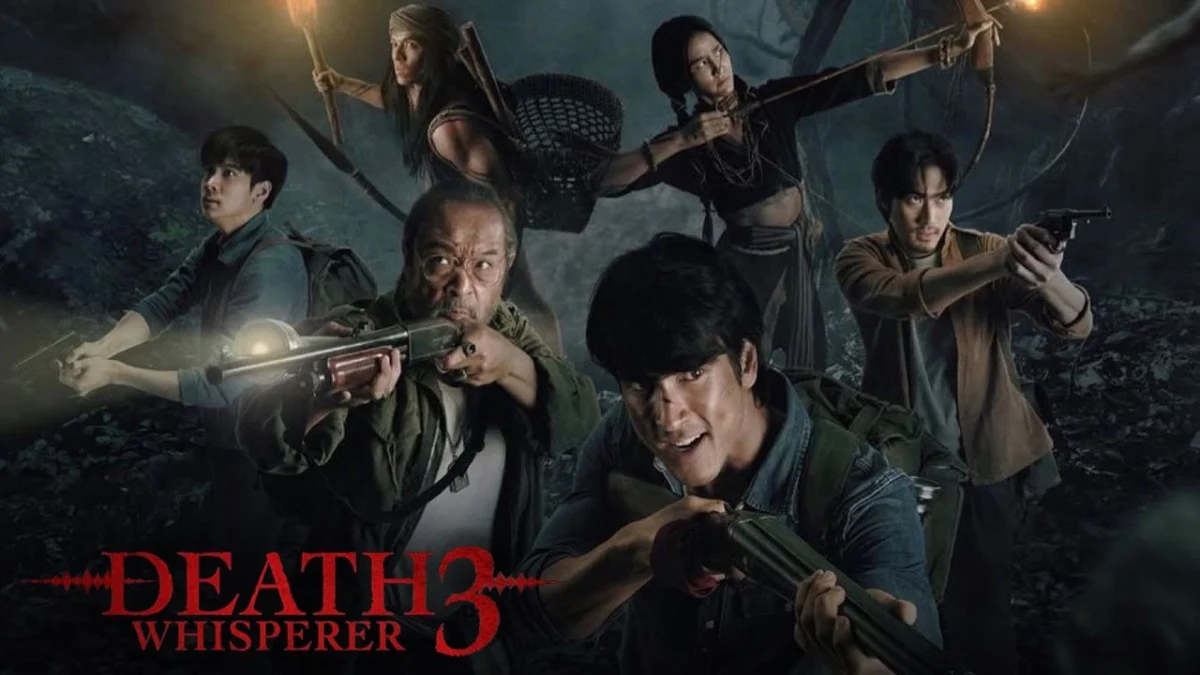
Thailand’s answer to the sprawling, interconnected universe of supernatural horror, often drawing parallels to the iconic Sam Raimi’s "Evil Dead" franchise, has returned with its third installment in as many years. "Death Whisperer 3," building upon the considerable success of its Netflix blockbuster predecessor, once again features the remarkably versatile Nadech Kugimiya in a role that has cemented his status as the "Ash Williams" of Southeast Asian cinema. Kugimiya, reprising his character Yak, once again navigates his family through the perilous and corrupted jungles of Bongsanodbiang, a fictional locale now synonymous with supernatural dread. This latest cinematic outing, while promising a brand-new adventure, treads on remarkably familiar thematic ground, raising questions about the franchise’s creative trajectory.
The narrative thrust of "Death Whisperer 3" centers on Yak and his kin, whose lives have become irrevocably intertwined with the spectral realm. Death, no longer a distant threat, has transformed into a relentless, ever-present specter, a constant wake-up call that plunges them into a living nightmare. The film opens with a fragile semblance of normalcy, as Yak’s sister, Yard (portrayed by Denise Jelilcha Kapaun), returns to the family home to seek solace and good fortune during her pregnancy. However, this brief period of tranquility is shattered with the sudden disappearance of the youngest sister, Yee (Natcha Nina Jessica Padovan). What follows is a characteristic descent into the macabre, where a seemingly sentimental buildup quickly gives way to a grim second act. The catalyst for this descent is a spirit-calling ritual, inspired by the mechanics of a Ouija board, which directs the siblings towards Yee’s presumed location deep within the accursed Bongsanodbiang jungle.
For dedicated followers of the "Death Whisperer" saga, the third film offers a deeper exploration of the lore surrounding the Black Spirit (brought to life by Manita Chobchuen, who once again embraces a physically transformative and unsettling performance) and the various other entities that haunt the dense forest. These expansions into the established mythology are, arguably, among the more imaginative narrative elements in this installment, providing moments of genuine intrigue for fans. However, this is set against a backdrop where the series, by its own admission, is beginning to show signs of creative fatigue. Despite these challenges, "Death Whisperer 3" does manage to introduce some novel, albeit inconsistent, elements that attempt to inject fresh life into the formula.
The film’s visual and thematic presentation includes a series of abrupt and often gratuitous jump scares, a common trope in the horror genre. The makeup effects, while occasionally demonstrating a level of detail that might be considered akin to graduate-level work in the field, do not consistently translate into genuine terror. A notable sequence involves a "creature from the black lagoon-esque" reveal, which, despite its ambitious presentation, ultimately falls short of its intended horrifying impact. While the filmmakers clearly aimed to avoid pulling any punches in terms of shock value, the overall effect is one of impact that is felt rather than truly experienced by the audience.
Nadech Kugimiya’s performance continues to be a standout element, his established prowess as an action star translating effectively into a compelling and entertaining portrayal of Yak. His bravado and screen presence lend a significant degree of credibility to the character’s struggle against supernatural forces. However, the same cannot be said for many of his supporting castmates. Their characters are often relegated to fleeting appearances, serving primarily as plot devices or fodder for the film’s various horrors. The lack of significant development for these individuals makes their potential demise a matter of indifference to the audience, a recurring criticism of the franchise’s ensemble approach.
The narrative progression of "Death Whisperer 3" is further hampered by stretches of dialogue that are, at best, functional and, at worst, nonsensical. An example of this hollowness can be seen in lines like, "We should ask somebody, but there is no one here," highlighting a lack of organic storytelling. The plot often relies on characters running in circles, metaphorically and sometimes literally, like dogs on leashes, desperately seeking solutions that remain perpetually out of reach. This repetitive structure, which proved highly engaging in the initial film, loses its potency with each subsequent iteration, suggesting a need for more innovative narrative approaches.
Despite these criticisms, "Death Whisperer 3" does retain certain core elements that have made its predecessors popular. The film liberally employs graphic gore, with violence depicted in a grotesque and often exaggerated manner. This over-the-top presentation, coupled with moments of sheer outrageousness, frequently veers into territory that elicits laughter rather than fear. Consequently, "Death Whisperer 3" can still be considered an enjoyable, if somewhat shallow, experience for audiences seeking a visceral, popcorn-fueled horror spectacle to cap off an evening.
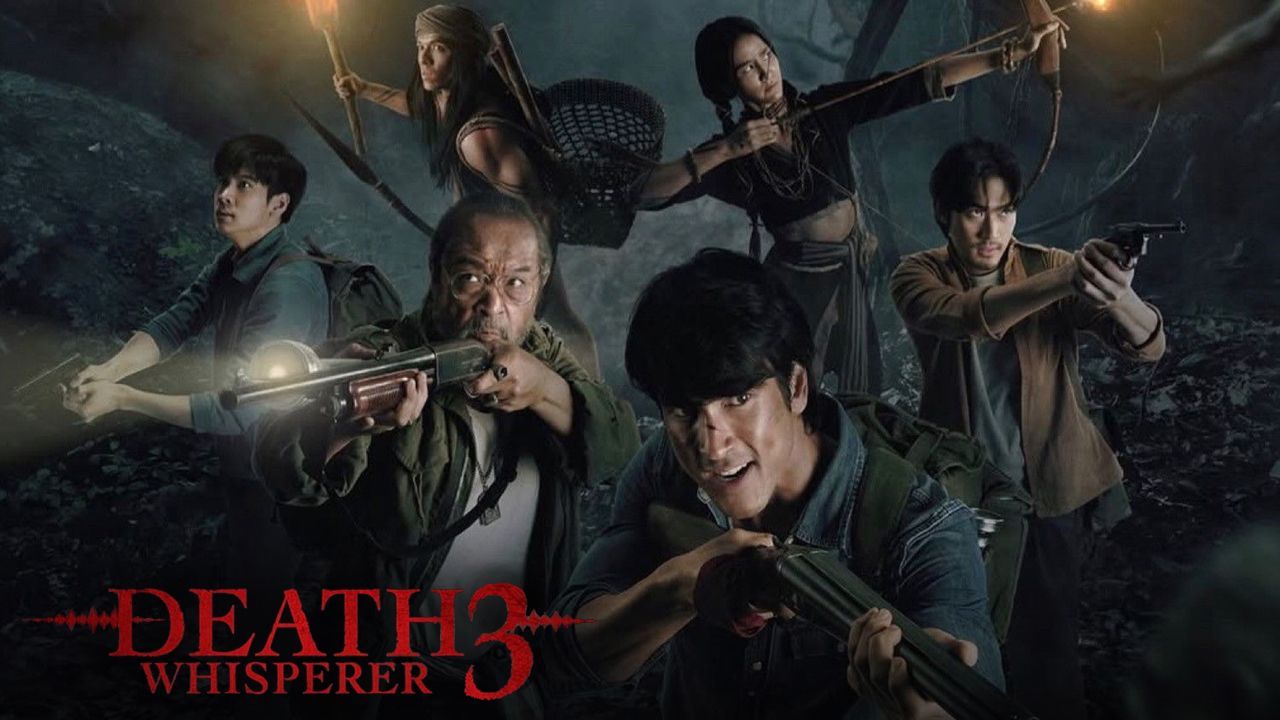
Looking ahead, the "Death Whisperer" franchise is not showing signs of slowing down. Reports confirm that a spin-off and a further sequel are already in development. This continued commitment to expanding the universe, however, raises a critical question: will director Narit Yuvaboon be able to introduce genuine innovation? Without a significant injection of inventive storytelling and a departure from the established, and increasingly predictable, formula, the future of the Black Spirit and her cohorts may indeed lead back to the graveyard of forgotten horror tropes. The success of these future endeavors will likely hinge on the creative team’s ability to evolve the narrative and introduce new dimensions to the established lore, rather than relying solely on the established brand recognition and its penchant for visceral, if uninspired, terror.
The genesis of the "Death Whisperer" franchise can be traced back to a growing demand for localized horror narratives that resonate with Thai audiences while also having the potential for international appeal. The initial film, released in 2022, achieved significant critical and commercial success, particularly through its distribution on Netflix, which exposed it to a global viewership. This success was largely attributed to its unique blend of traditional Thai superstitions, intense gore, and the charismatic performance of Nadech Kugimiya, who was strategically cast to leverage his existing popularity. The film’s ability to tap into cultural anxieties surrounding spirits and the afterlife, while employing modern cinematic techniques, proved to be a winning formula.
The subsequent release of "Death Whisperer 2" in 2023 further solidified the franchise’s identity. While maintaining the core elements, it expanded the mythology and introduced new characters and challenges. This rapid production schedule, with a new film annually, is indicative of a studio’s confidence in the property’s marketability. However, it also presents a significant challenge in maintaining narrative freshness and avoiding creative burnout. Industry analysts have noted that such rapid-fire sequels, while potentially lucrative in the short term, can lead to a dilution of quality if not carefully managed, with audience fatigue setting in sooner rather than later.
The critical reception of "Death Whisperer 3" suggests that this concern is not unfounded. While acknowledging Kugimiya’s consistent performance and the film’s adherence to its established brand of extreme horror, many reviews have pointed to a lack of narrative progression and an over-reliance on familiar scares. This has led to a debate within the film’s fandom and among critics about the franchise’s long-term sustainability. The question remains whether the filmmakers can pivot from simply replicating successful elements to genuinely innovating and surprising their audience.
The economic implications of the "Death Whisperer" franchise are also noteworthy. The Thai film industry, while rich in cultural heritage, often faces challenges in securing international distribution and funding. The success of this franchise, particularly its Netflix association, provides a valuable case study in how Thai cinema can leverage global streaming platforms to reach a wider audience. The revenue generated from box office sales, streaming rights, and merchandise can significantly contribute to the local film economy, supporting further productions and fostering talent. However, the reliance on a specific formula for continued success can also limit the exploration of more diverse cinematic genres and themes.
The announcement of future installments, including a spin-off, indicates a strategic decision to capitalize on the existing brand equity. A spin-off, if executed effectively, could introduce new characters and storylines while exploring different facets of the "Death Whisperer" universe, potentially alleviating the pressure on the core narrative. This approach has been successful in other major horror franchises, allowing for creative expansion without necessarily reinventing the central story. However, the success of such a venture would depend on the quality of the script and the introduction of compelling new elements that justify the expansion.
In conclusion, "Death Whisperer 3" represents a continuation of Thailand’s burgeoning supernatural horror output, spearheaded by the charismatic Nadech Kugimiya. While it delivers on the franchise’s signature blend of extreme gore and relentless scares, it also exposes the inherent challenges of maintaining creative momentum with a consistent annual release schedule. The film’s reliance on established tropes and a narrative that feels increasingly familiar suggests that the future of the "Death Whisperer" universe may depend on a significant re-evaluation of its storytelling approach. Without a commitment to innovation, the franchise risks becoming a hollow echo of its former self, a sentiment echoed by the very criticisms leveled against this latest installment. The industry will be watching closely to see if Narit Yuvaboon and his team can conjure a fresh spell or if this spectral saga is destined to fade into the annals of horror history.