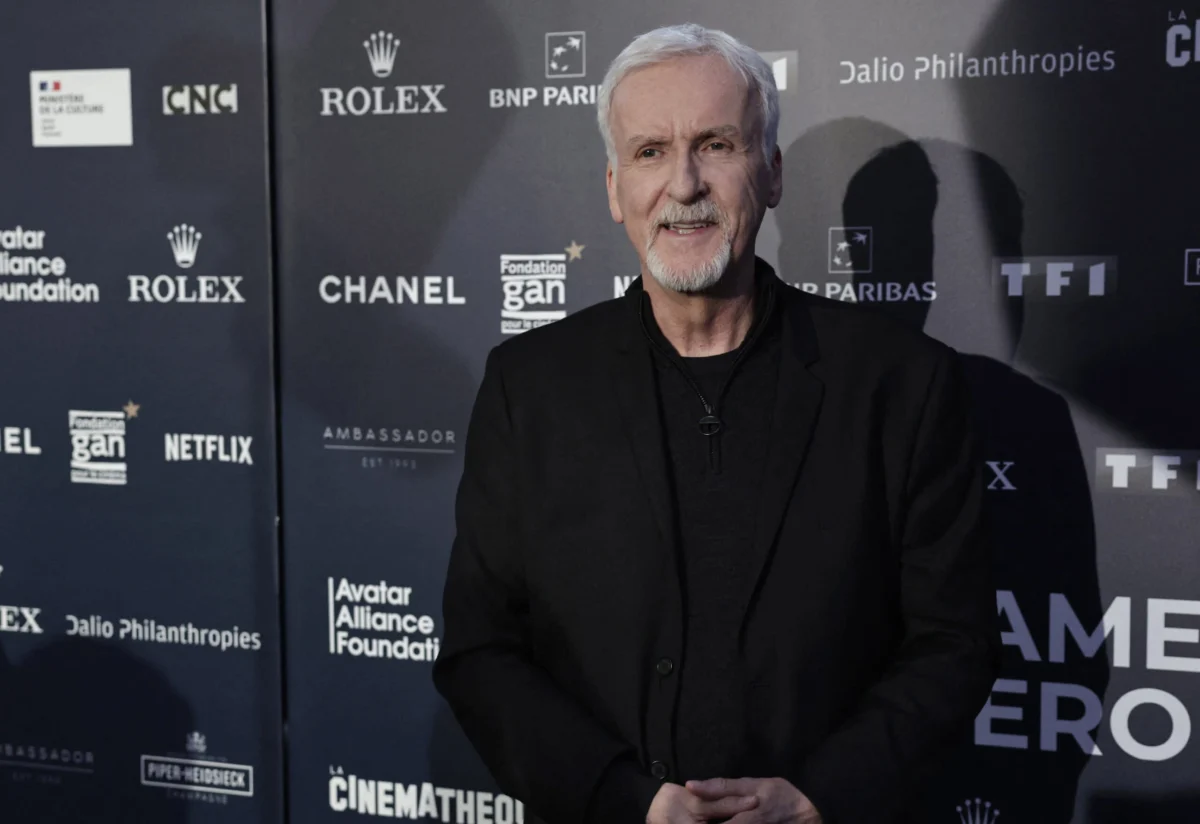
Legendary filmmaker James Cameron, the visionary behind cinematic milestones such as "Titanic" and "Avatar," has issued a stark warning to United States lawmakers regarding the potential acquisition of Warner Bros. Discovery’s film studio by Netflix. In a detailed letter addressed to Senator Mike Lee (R-Utah), Chairman of the Senate Subcommittee on Antitrust, Competition Policy, and Consumer Rights, Cameron characterized the proposed deal as a catastrophic threat to the theatrical experience. Using a metaphor inspired by his most famous work, the director likened the future of the American movie theater industry to a "sinking ship" should the world’s largest streaming service successfully absorb one of Hollywood’s most storied production houses.
The letter, obtained by CNBC and reported here for the first time, follows a pivotal February 3, 2026, Senate hearing during which Netflix co-CEO Ted Sarandos and Warner Bros. Discovery (WBD) executive Bruce Campbell testified on the competitive impacts of the transaction. Cameron, who has spent decades pioneering film technology and advocating for the large-format cinema experience, argued that the merger would fundamentally dismantle the theatrical landscape, trigger massive job losses within the creative community, and jeopardize the United States’ standing as a global leader in cultural exports.
The Core of the Contention: Cinema vs. Streaming
At the heart of Cameron’s opposition is the ideological and operational chasm between traditional movie studios and subscription-based streaming platforms. In his communication to Senator Lee, Cameron emphasized that while his films eventually find success in downstream home video and streaming markets, his "first love" and primary creative focus remains the cinema. He expressed a profound belief that the sale of Warner Bros. Discovery to Netflix would be "disastrous" for the business to which he has dedicated his life’s work.
Cameron’s concerns are rooted in the specific business models of the two entities. Warner Bros. Pictures, a cornerstone of the "Big Five" Hollywood studios, currently maintains a robust theatrical slate, releasing approximately 15 films per year. These releases are vital to the survival of theater operators who rely on a steady volume of high-quality content to sustain their business. Conversely, Cameron pointed to past statements made by Netflix leadership, including Ted Sarandos, who has previously described movie theaters as an "outmoded idea" and an "outdated concept."
The director argued that a company whose primary goal is to drive subscriptions to a digital platform is inherently at odds with a business model that requires exclusive theatrical windows and high-volume physical distribution. "The business model of Netflix is directly at odds with the theatrical film production and exhibition business," Cameron wrote, suggesting that the acquisition would effectively remove a major player from the theatrical ecosystem, thereby reducing consumer choice and limiting the avenues available to filmmakers seeking investment for large-scale projects.
A Timeline of the Proposed Merger and Industry Unrest
The trajectory of this proposed acquisition has been marked by rapid developments and intense scrutiny since its initial announcement.
- December 5, 2025: Netflix and Warner Bros. Discovery publicly announce the proposed acquisition of WBD’s film studio and streaming assets, including the HBO Max platform. The deal is immediately met with skepticism from antitrust advocates and industry guilds.
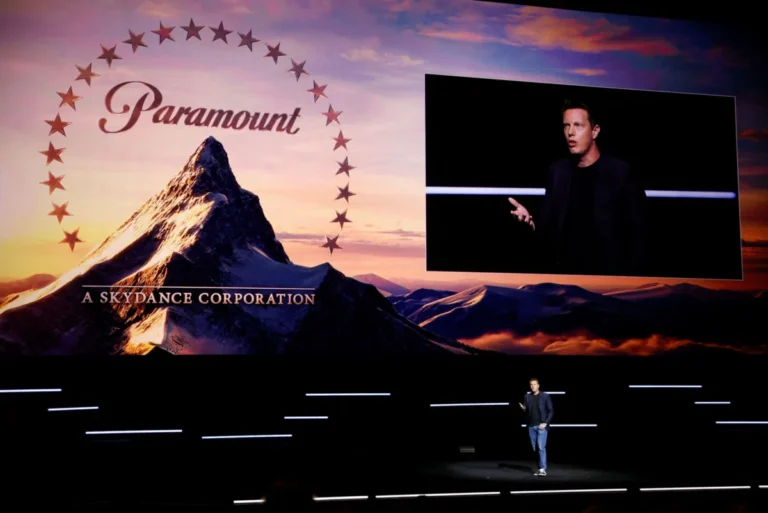
- December 8, 2025: In a surprise move, Paramount Skydance launches a hostile tender offer for the entirety of Warner Bros. Discovery, positioning itself as a "pro-theatrical" alternative to the Netflix deal.
- January 20, 2026: During a Q4 2025 earnings call, Netflix co-CEO Ted Sarandos defends the deal, calling it "pro-consumer, pro-innovation, and pro-worker," and emphasizes that the merger will preserve jobs rather than eliminate them.
- February 3, 2026: The Senate Subcommittee on Antitrust, Competition Policy, and Consumer Rights holds a formal hearing to examine the competitive impact of the transaction. Sarandos and WBD’s Bruce Campbell testify under oath.
- Late February 2026: James Cameron submits his formal letter to Senator Mike Lee, escalating the concerns of the filmmaking community to the federal level.
This timeline reflects a period of unprecedented consolidation in the media sector, following the 2019 Disney-Fox merger and the 2022 Amazon-MGM deal. Filmmakers and industry analysts worry that the "Big Five" studios are rapidly shrinking into a "Big Three," leaving creators with fewer places to pitch and sell their work.
Data and Market Dynamics: The Power of the Combined Entity
The regulatory concerns surrounding the Netflix-WBD deal extend beyond the theatrical experience to the sheer market dominance of the combined streaming entity. As of September 30, 2025, Netflix reported a global subscriber base of 325 million. Warner Bros. Discovery’s HBO Max (often referred to simply as Max) held 128 million subscribers. A merger would create a streaming behemoth with over 450 million subscribers, far outpacing competitors like Disney+, Hulu, and Paramount+.
Critics argue that such a concentration of data and distribution power would allow Netflix to dictate pricing for consumers and licensing fees for creators. Furthermore, the combined library would include some of the most valuable intellectual property in history, from Netflix’s original hits to the vast Warner Bros. archives, including the DC Universe, the Wizarding World, and the HBO prestige catalog.

In its written testimony to the Senate, Netflix attempted to mitigate these concerns by outlining a massive investment plan. The company pledged to spend $20 billion on film and television production in 2026, with a significant portion of that capital allocated to projects within the United States. Netflix highlighted its expanding infrastructure, including its production hub in New Mexico and a massive upcoming studio facility in New Jersey, as evidence of its commitment to the American workforce.
The Defense: Netflix’s Vision for a Combined Future
Despite the outcry from figures like Cameron, Netflix executives have remained steadfast in their belief that the acquisition is a necessary evolution for the industry. Ted Sarandos has argued that the media landscape has changed so fundamentally that Netflix should not be viewed as a dominant monopoly, but rather as one of many players competing for "attention" alongside platforms like YouTube, TikTok, and traditional television.
During the February hearing, Sarandos stated that Netflix intends to honor the legacy of the Warner Bros. studio by maintaining a 45-day theatrical window for major releases. This was a direct attempt to appease theater owners and directors who fear that "day-and-date" releases (simultaneous streaming and theatrical debuts) destroy the box office potential of films. Netflix also claimed it would retain WBD’s specialized theatrical marketing and distribution teams, noting that Netflix currently lacks that specific expertise.
"We are not acquiring these amazing assets to shut them down, but to build them up," the company stated in its official testimony. Sarandos further asserted that the deal would be "pro-worker," suggesting that Netflix’s strong balance sheet would provide stability for WBD employees who have faced years of corporate restructuring and layoffs under previous ownership.
Broader Implications for Hollywood and U.S. Trade Policy
The debate over the Netflix-WBD deal has also entered the realm of national trade policy. In his letter, Cameron touched upon the role of the film industry as a vital American export. He noted that while the United States may have lost its dominance in sectors like automotive or steel manufacturing, it remains the world leader in cinematic storytelling.
Cameron’s mention of the Trump administration’s trade policies and the potential for tariffs to protect Hollywood exports suggests that the filmmaker is appealing to the "America First" economic sensibilities of current policymakers. He argued that weakening the traditional studio system—the engine of American cultural soft power—would ultimately harm the U.S. economy on the global stage.
The director’s skepticism remains focused on the long-term viability of Netflix’s promises. He questioned whether verbal commitments to theatrical windows would evaporate once the acquisition is finalized and the regulatory pressure subsides. "Once they own a major movie studio, that is irrevocable," Cameron warned. "That ship has sailed… And the theatrical experience of movies could become a sinking ship."
Looking Ahead: The Regulatory Path
Senator Mike Lee’s response to the outreach from Cameron and other industry figures indicates that the Senate is far from finished with its investigation. In a public statement, Lee confirmed that he shares many of the concerns raised by actors and directors and intends to hold follow-up hearings to address the potential for market consolidation to stifle competition and innovation.
As the Department of Justice (DOJ) and the Federal Trade Commission (FTC) continue their review of the transaction, the testimony of influential figures like James Cameron carries significant weight. His technological contributions—ranging from 3D production systems to advanced visual effects—have shaped the modern era of filmmaking, making his critique more than just an emotional plea for the past; it is a calculated warning about the future of a multibillion-dollar industry.
The outcome of this regulatory battle will likely define the next decade of entertainment. If the deal is blocked, it may signal a new era of aggressive antitrust enforcement in the digital age. If it proceeds, it will mark the most significant shift in Hollywood’s power structure since the end of the studio system’s Golden Age, potentially fulfilling Cameron’s prophecy of a transformed, and perhaps diminished, theatrical landscape.