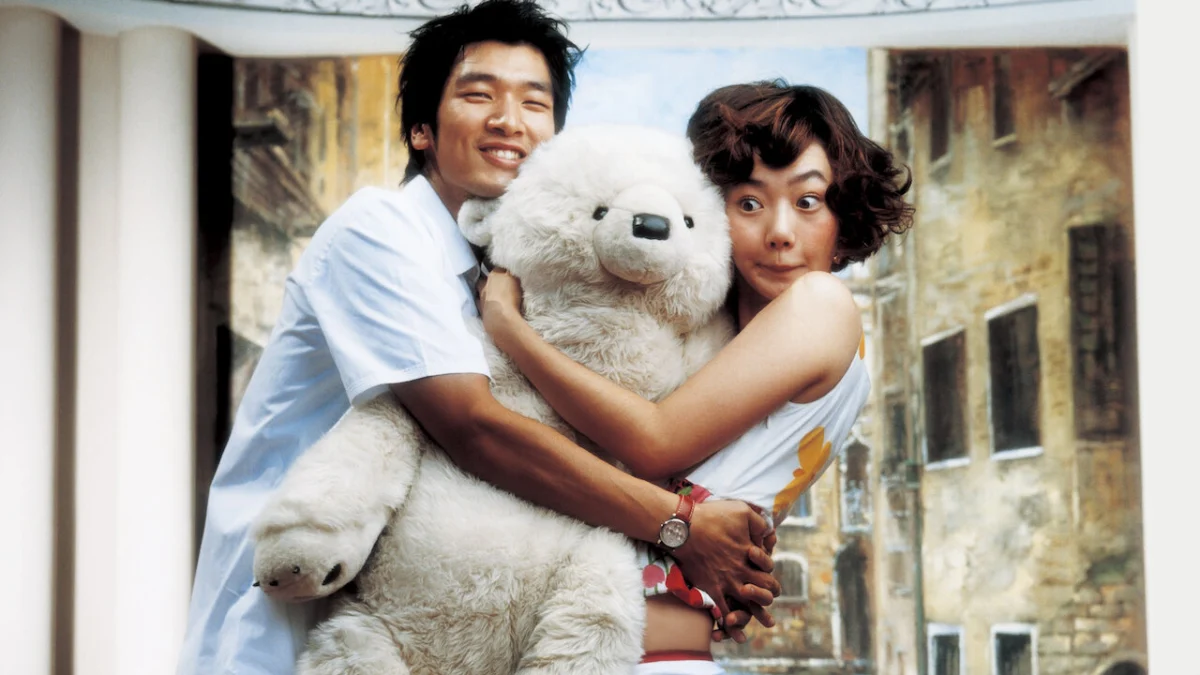
Yong Yi’s directorial debut, "Spring Bears Love," a South Korean romantic drama, premiered to a subdued but generally favorable critical reception, earning praise for its gentle narrative and introspective tone. Despite its artistic merits, the film did not achieve significant box office success, a common challenge for independent romantic dramas in a competitive market. The film’s limited commercial appeal belies its thoughtful exploration of contemporary themes like idealized romance, loneliness, and the often-unseen realities of genuine connection, offering a nuanced perspective on modern relationships.
The Narrative Unfolds: A Quest for Connection Amidst Everyday Realities
At the heart of "Spring Bears Love" is Hyun-chae, portrayed by Bae Doona, a young woman whose earnestness and emotional transparency are paradoxically hindrances in her romantic pursuits. Her life is further complicated by the responsibility of caring for her father, a character described as an alcoholic yet possessing an endearing likability, adding a layer of domestic realism to Hyun-chae’s struggles. The narrative takes an unexpected turn when Hyun-chae discovers a series of handwritten notes concealed within the pages of art books. These messages, beginning with a lyrical confession, ignite her imagination and foster a burgeoning belief that a kindred spirit is reaching out specifically to her. As she meticulously follows the trail of these intimate and thoughtful missives, her initial curiosity deepens into a profound emotional investment, culminating in her falling in love with the imagined author of these poetic declarations.
This romantic idealization stands in stark contrast to the quiet devotion of Dong-ha, played by Kim Nam-jin. Hyun-chae’s childhood friend, Dong-ha has harbored unspoken feelings for her since returning from his military service. His steadfast affection and willingness to fulfill her every whim are consistently overlooked as Hyun-chae becomes increasingly consumed by her fantasy. Her projection of idealized qualities onto the anonymous writer serves as a powerful metaphor for how individuals can become so ensnared in their own desires and expectations that they fail to recognize the genuine, present love in their lives. The film’s progression compels Hyun-chae to confront the chasm between her fabricated romantic ideal and the tangible reality of her existing relationships, forcing a reckoning with truth and illusion.
Directorial Vision: Highlighting Strengths and Navigating Nuance
Director Yong Yi, who transitioned to feature filmmaking after establishing a reputation in commercials and music videos, demonstrates a clear dual objective in "Spring Bears Love." The first is to showcase Bae Doona’s captivating performance and innate charm. Yi consistently positions Hyun-chae as a relatable and endearing protagonist, a "quirky beauty" whose cheerful disposition and likability remain steadfast throughout the film. This focus is amplified by Park Ki-woong’s cinematography, which frequently highlights Bae Doona, even in seemingly mundane settings like a Carrefour supermarket uniform, a detail that suggests a potential product placement or sponsorship arrangement. The visual emphasis on her presence underscores her central role and aims to foster audience affection.
The second directorial imperative is to elicit sympathy for Dong-ha. Kim Nam-jin’s portrayal captures Dong-ha’s unrequited love and his selfless actions in support of Hyun-chae. The film illustrates this through poignant examples, such as Dong-ha immediately abandoning his activities to procure ramen for Hyun-chae, only to be met with her continued focus on her imagined paramour. Crucially, Yong Yi avoids portraying Hyun-chae as a malicious or exploitative character. Her naivety, her responsibilities towards her father, and her job dissatisfaction are presented as contributing factors to her escapism, thereby maintaining a delicate balance that prevents her from becoming a villainous figure and allows for audience empathy towards all characters.
Thematic Resonance and Cinematic Execution
The film’s thematic depth is further enhanced by the strong performances of its lead actors. Bae Doona and Kim Nam-jin imbue their characters with a compelling authenticity, and their shared chemistry provides a solid foundation for the narrative’s central "will-they-won’t-they" tension. "Spring Bears Love" effectively explores the human tendency to project desires and expectations onto others, illustrating how idealized images can supersede reality. This resonates with the film’s exploration of loneliness and the notion that true love is less about grand gestures and more about consistent presence, particularly during challenging times.
However, the film is not without its structural challenges. The editing is often cited as problematic, leading to a fragmented viewing experience where the narrative can feel like a series of loosely connected vignettes, with subplots appearing even more disconnected. The central conceit of Hyun-chae’s prolonged obliviousness to Dong-ha’s importance stretches credulity at times. Furthermore, the film’s conclusion veers into what some critics have identified as forced sentimentality, a common pitfall in romantic dramas striving for emotional catharsis.
Despite these narrative and editing issues, Park Ki-woong’s cinematography stands out as a significant strength. Beyond the deliberate focus on the lead actress, his work masterfully captures the pervasive melancholy that imbues the characters and the realistically bleak environment of the supermarket. The visual style lends a distinct flair to the production, elevating it beyond its structural limitations. The cinematography’s ability to evoke atmosphere and emotion is undoubtedly one of the film’s most commendable aspects.
Critical Reception and Broader Implications
"Spring Bears Love" has been recognized for its thematic resonance, particularly its exploration of the gap between idealized romantic fantasies and the often-mundane realities of love and connection. The film’s commentary on how loneliness can drive individuals to seek solace in imagined relationships, projecting their unmet needs onto an unknown entity, strikes a chord with contemporary audiences grappling with the complexities of modern dating and societal pressures. The film implicitly suggests that the digital age, with its curated online personas and ease of abstract connection, can exacerbate this tendency.
The film’s critique of idealized romance, while gentle, serves as a subtle reminder of the importance of grounded relationships. Dong-ha’s persistent, unglamorous devotion represents a different kind of love – one built on shared history, mutual understanding, and unwavering support, qualities often overlooked in the pursuit of more dramatic or seemingly perfect connections. This contrast between fantasy and reality is a central tenet of the film’s message, encouraging viewers to appreciate the value of authentic human connection over ephemeral, imagined ideals.
The understated critical reception and limited box office performance of "Spring Bears Love" might reflect broader trends in the film industry, where audience engagement is often swayed by genre conventions, star power, and significant marketing budgets. Independent films, particularly those with a more introspective and less action-driven narrative, often face an uphill battle in capturing widespread commercial attention. However, the film’s enduring appeal among those who appreciate its nuanced portrayal of human emotion and its strong performances suggests a dedicated audience for such stories.
Conclusion: A Worthy, Though Imperfect, Exploration of Love
In summation, "Spring Bears Love" presents a compelling, albeit imperfect, exploration of romantic longing and the search for genuine connection. While its narrative structure and editing may present challenges, the film’s strengths lie in its sensitive direction, the luminous presence of Bae Doona, its insightful thematic commentary, and the evocative cinematography. These elements combine to create a work that, despite its shortcomings, offers a thought-provoking and emotionally resonant experience. The film’s ability to rise above its structural issues through its thematic depth and visual artistry makes it a deserving watch for audiences interested in nuanced romantic dramas that delve into the complexities of the human heart. The film’s legacy, therefore, is not one of box office triumph, but of quiet artistic merit and its contribution to the ongoing dialogue about love, illusion, and reality in the modern world.