




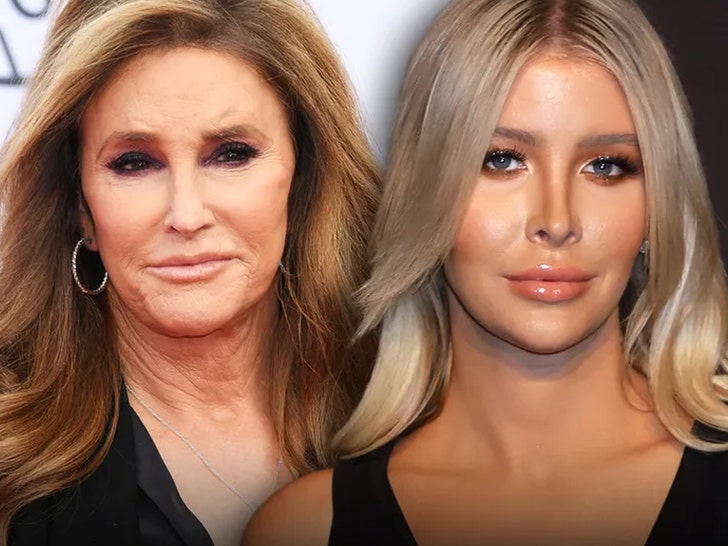
A significant legal development has emerged concerning the estate of Sophia Hutchins, the late friend and former manager of reality television personality and Olympic gold medalist Caitlyn Jenner. Jenner has officially filed a substantial creditor’s claim against Hutchins’ estate, seeking reimbursement for nearly half a million dollars in alleged unpaid expenses. The claim, totaling $439,095.88, details a variety of expenditures that Jenner asserts were incurred by Hutchins during their close personal and professional relationship, but were never repaid. This legal action, occurring months after Hutchins’ tragic death in July 2025, underscores the complex financial entanglements that can arise even in the closest of associations.
The Nature of the Claim: A Detailed Breakdown
According to legal documents exclusively obtained by TMZ and subsequently reviewed, the detailed breakdown of the alleged debt paints a comprehensive picture of the financial transactions between Jenner and Hutchins. The largest component of the claim, exceeding $273,000, stems from credit card charges. These charges are attributed to a wide array of purchases made through various online retailers, including prominent e-commerce platforms such as Shopify, eBay, and high-end antique and art marketplace 1stdibs. This suggests a pattern of significant consumer spending that Jenner alleges was personal to Hutchins, despite being transacted on Jenner’s credit facilities.
Beyond personal shopping, a substantial portion of the claim, specifically over $133,000, relates to shared legal fees. Jenner contends that she and Hutchins jointly retained legal counsel for matters pertinent to their shared professional endeavors or other intertwined interests. These fees, which Jenner claims she covered, were supposedly to be reimbursed by Hutchins for her share, a reimbursement that never materialized before her untimely passing. The existence of shared legal expenses further illustrates the depth of their professional collaboration and shared interests.

In addition to these major categories, the claim also includes nearly $16,000 in debit card charges and approximately $7,000 in cash advances. These smaller, yet cumulatively significant, amounts further demonstrate the extent to which Hutchins allegedly utilized Jenner’s financial resources over time. The legal filing explicitly states that while Hutchins had authorized access to Jenner’s cards for work-related purposes, any personal spending was subject to a reimbursement agreement. It is this alleged failure to reimburse personal expenditures that forms the crux of Jenner’s creditor’s claim.
The Jenner-Hutchins Relationship: A Professional and Personal Bond
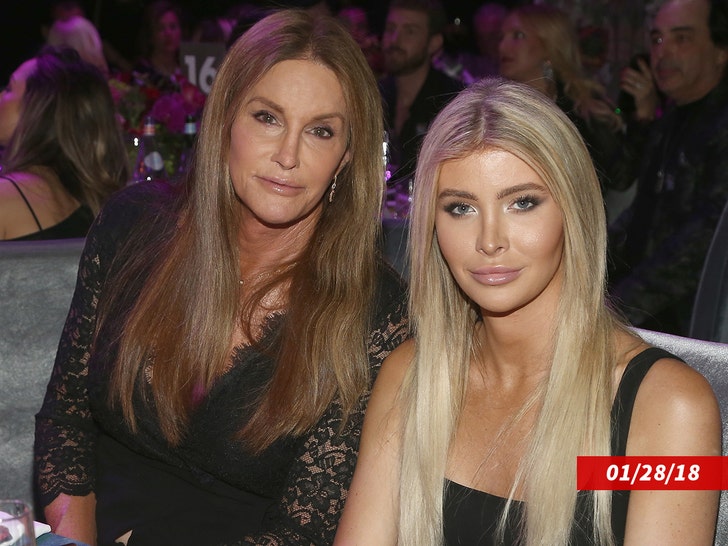
Caitlyn Jenner, a globally recognized figure from her Olympic athletic achievements as Bruce Jenner, and later through her transition and reality television presence on "Keeping Up with the Kardashians" and "I Am Cait," has maintained a high public profile for decades. Sophia Hutchins, a much younger transgender woman, entered Jenner’s life in the mid-2010s, initially as a close friend. Their relationship quickly evolved, with Hutchins taking on the role of Jenner’s manager and frequently appearing alongside her at public events and on social media.
Hutchins’ role extended beyond personal companionship; she was instrumental in managing aspects of Jenner’s brand, public appearances, and business ventures. Their professional partnership was often discussed in media, with Hutchins frequently acting as a spokesperson or confidante for Jenner. This blend of personal friendship and professional management created a unique dynamic, where financial lines could potentially become blurred without meticulous record-keeping and clear agreements. The authorized access to Jenner’s financial accounts for work-related purposes is a testament to the trust placed in Hutchins, a trust that, according to the claim, was allegedly leveraged for personal gain without subsequent repayment.
The public perception of their relationship was often one of unwavering support and mutual respect. They lived in close proximity, with Hutchins residing near Jenner’s Malibu home, further solidifying their intertwined lives. This close bond makes the subsequent creditor’s claim particularly poignant, highlighting the difficult decisions families and estates face when financial obligations surface after a loved one’s death.
A Tragic End: Sophia Hutchins’ Untimely Demise
The circumstances surrounding Sophia Hutchins’ death add a layer of tragedy and complexity to this legal dispute. In July 2025, Hutchins tragically passed away following an ATV accident near Caitlyn Jenner’s Malibu residence. Reports from the time indicated that Hutchins, while operating an all-terrain vehicle, struck a moving car and was subsequently thrown down a ravine. The accident was fatal, cutting short the life of the then-young entrepreneur and manager.
Hutchins’ death sent shockwaves through her close circle and the media. Her passing immediately raised questions about the future of her personal and professional legacy, including any outstanding financial matters. The period following such a sudden and devastating loss is typically a time for grieving and handling immediate arrangements, but it also necessitates the complex legal process of estate administration, during which all debts and assets must be meticulously accounted for.
The Legal Process: Creditor’s Claims Against Estates
In the United States, when an individual passes away, their estate undergoes a legal process known as probate. This process involves validating the deceased’s will (if one exists), inventorying assets, paying off debts, and distributing the remaining assets to beneficiaries. A creditor’s claim is a formal legal document filed by an individual or entity who believes they are owed money by the deceased person’s estate. This claim must be filed within a specific timeframe, as dictated by state law, typically a few months after the estate is opened or notice is given to creditors.
In this instance, Caitlyn Jenner filed her creditor’s claim in November 2025, approximately four months after Sophia Hutchins’ death. This timing aligns with standard probate procedures, allowing creditors to formally assert their claims against the estate. The claim itself serves as a demand for payment, outlining the nature and amount of the debt.
A crucial development in this case occurred in March 2026, when Sophia Hutchins’ estate officially "allowed" the claim in the full amount requested by Jenner. This means that the executor or administrator of Hutchins’ estate reviewed the claim, found it to be legitimate, and agreed that the estate owes Jenner the specified sum of $439,095.88. The allowance of a claim does not necessarily mean immediate payment, but it formally recognizes the debt as a valid obligation of the estate, to be paid out from available assets before distribution to heirs. If the estate had disputed the claim, it would have been denied, potentially leading to further legal action such as a lawsuit.
Financial Implications and Estate Management
The allowance of Jenner’s claim has significant financial implications for Sophia Hutchins’ estate. The sum of nearly $440,000 represents a substantial liability that must be settled. The estate’s ability to pay this debt will depend on the total value of Hutchins’ assets, including any real estate, investments, personal property, and other holdings. If the estate’s assets are insufficient to cover all valid debts, the estate may be deemed insolvent, and creditors might receive only a partial payment or nothing at all, often following a specific hierarchy of payment priorities. However, the fact that the claim was allowed in full suggests that the estate’s administrators believe there are sufficient assets to cover this obligation, or at least acknowledge its validity.
For Caitlyn Jenner, the resolution of this claim would mean the recovery of a significant amount of money that she alleges was expended on behalf of her late friend and former manager. While Jenner possesses considerable wealth, the principle of recovering substantial funds that she believes are rightfully owed remains a powerful motivator for pursuing such a claim. It also underscores the importance of clear financial boundaries and meticulous record-keeping, even in relationships built on trust and friendship.
Broader Context and Ethical Considerations
The filing and subsequent allowance of a creditor’s claim against a deceased friend’s estate, particularly under such tragic circumstances, inevitably invites public scrutiny and raises ethical questions, even if the legal basis is sound. For many, the idea of pursuing financial reimbursement from the estate of a recently deceased friend might seem insensitive. However, from a legal and financial perspective, an estate is a distinct entity responsible for settling all valid debts before distributing assets to beneficiaries. The executor or administrator of an estate has a fiduciary duty to ensure all legitimate debts are paid.

In the world of high-profile individuals and celebrity management, complex financial arrangements are common. Managers often handle significant funds, credit cards, and legal matters on behalf of their clients. Without stringent accounting and clear contractual agreements, the lines between personal and professional expenses can become blurred. This case serves as a stark reminder of the critical importance of formalizing financial understandings, even among trusted associates. It highlights the need for clear agreements regarding expense reimbursement, access to financial accounts, and the separation of personal and business finances to prevent disputes, especially in the event of unforeseen circumstances like death.
While the emotional toll of such a situation cannot be understated, the legal system provides a structured mechanism for resolving financial disputes, even posthumously. Caitlyn Jenner’s decision to file the claim, and the estate’s subsequent allowance of it, indicates a formal process being followed to reconcile financial matters left unresolved by Sophia Hutchins’ untimely death. The resolution of this claim will contribute to the finalization of Hutchins’ estate, ensuring that all valid financial obligations are addressed before her assets are fully distributed.