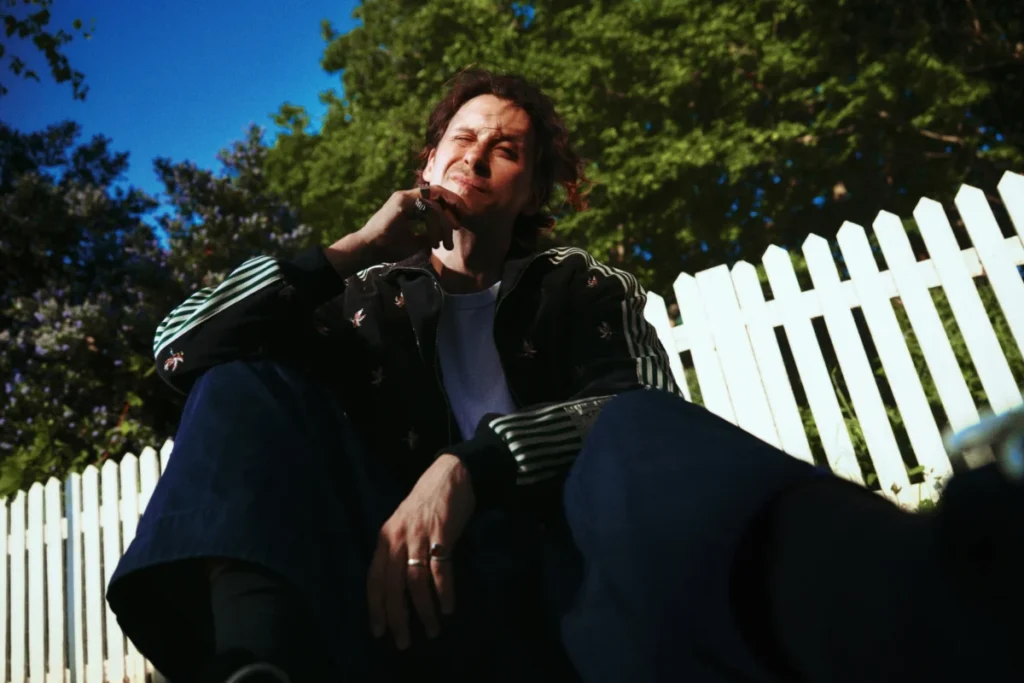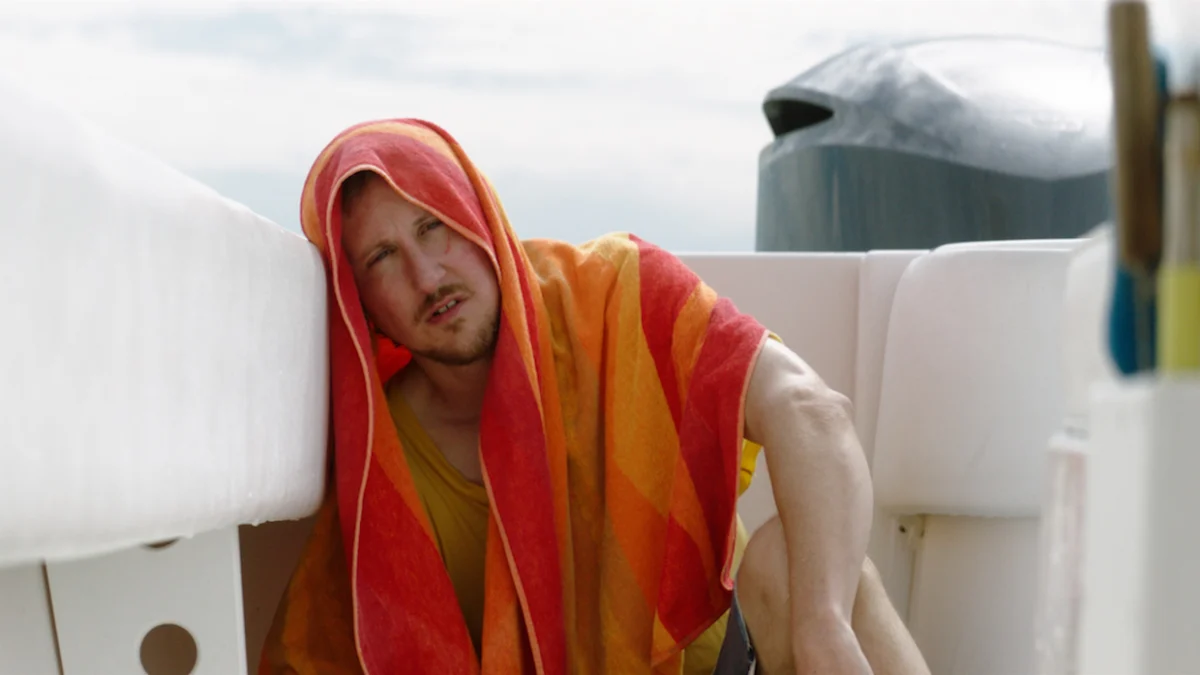
The independent film landscape is increasingly defined by its ability to merge hyper-specific regional subcultures with high-concept genre subversion. Tyler Cornack, the Florida-bred filmmaker who garnered a cult following with his 2019 surrealist debut Butt Boy, is set to release his latest feature, Mermaid, on April 8 via the distribution label Utopia. The film serves as a psychological and satirical exploration of the "Florida Man" phenomenon, utilizing a supernatural premise to interrogate themes of addiction, isolation, and the human-animal divide. By casting Johnny Pemberton as Doug—a man at the end of his tether who discovers an injured, feral mermaid—Cornack transitions from the scatological surrealism of his previous work into a more grounded, albeit still outrageous, form of naturalistic comedy.
The Cinematic Interrogation of the Florida Man Archetype
The "Florida Man" internet meme, which aggregates bizarre and often tragic news headlines originating from the Sunshine State, provides the foundational mythos for Cornack’s narrative. Journalists and cultural critics have long noted that the prevalence of these stories is partially due to Florida’s Government-in-the-Sunshine Act, which provides broad public access to police records. This legal transparency has birthed a modern cryptid: a civilian capable of the most erratic and illogical behaviors. In Mermaid, Doug represents the darker reality behind the meme. He is a man struggling with chemical dependency and profound loneliness, residing in a beachside home that functions as a self-imposed prison.
Cornack’s fascination with his home state is not merely observational but deeply personal. Growing up in a Florida beach town, the filmmaker was surrounded by the "beach bum" subculture—individuals who exist on the periphery of the state’s more manicured theme park and gated community worlds. By placing a mythological creature within this specific socio-economic environment, Cornack bridges the gap between urban legend and cinematic realism. The film suggests that in a state where news headlines routinely feature men discovered with human remains in suitcases or crashing e-bikes into tricycles, the discovery of a mermaid is perhaps the least surprising event that could occur.
Production Chronology and the Ten-Day Creature Build
The development of Mermaid was marked by significant logistical challenges that necessitated rapid creative pivots. The production was filmed on location in Florida, utilizing a house belonging to the executive producer’s aunt and the very beaches Cornack frequented as a child. This geographic authenticity was intended to ground the film’s more absurd elements in a tangible sense of place. However, the film’s central practical effect—the mermaid herself—faced a near-catastrophic setback.
After four months of design consultations with a specialized team, the initial creature effects plan collapsed just days before filming was scheduled to begin. This left the production with a ten-day window to conceive, build, and deploy a fully realized mermaid puppet. Mark Villalobos of Villalobos Studios and Heather Mages were brought in to execute a "from-scratch" build under extreme duress. The result was a design that pivoted away from the aesthetic conventions of Hollywood sirens. Eschewing the ethereal beauty of films like Splash (1984) or the romanticized bioluminescence of The Shape of Water (2017), the Mermaid team created a creature that was unapologetically animalistic. The mermaid in Cornack’s vision is feral, uncommunicative, and physically repulsive, demanding a caretaking role from Doug that mirrors the burden of a wild animal rather than a romantic partner.
Naturalism and Absurdity: The Cornack Aesthetic
A hallmark of Cornack’s directorial style is the "straight-faced" delivery of the impossible. This technique, often referred to as naturalistic absurdism, involves directing actors to treat supernatural or grotesque circumstances with the gravity of a kitchen-sink drama. In Butt Boy, this manifested in a detective story centered on a man whose rectum functioned as a portal to another dimension. In Mermaid, the approach is refined through the lens of a character study.
The film operates on a tonal "wire walk." Cornack notes that the humor is derived not from punchlines, but from the dissonance between the environment and the events occurring within it. By filming in a realistic, almost documentary-like style, the absurdity of a drug-addicted man nursing a shrieking fish-woman back to health becomes more poignant. This stylistic choice forces the audience to engage with Doug’s humanity. The humor is a byproduct of the situation’s inherent ridiculousness, but the performances remain anchored in the genuine desperation of the characters.
Casting and Character Development: Doug as the Tragic Anti-Hero
Johnny Pemberton, known primarily for his comedic roles in projects like Superstore and his various voice-acting credits, provides a performance that Cornack describes as essential to the film’s tonal balance. Doug is a "deadbeat" by traditional societal standards—a man who has failed his family and himself. However, Pemberton brings an inherent likability and a series of "weird mannerisms" that prevent the character from descending into a caricature of a "monster."

The character of Doug serves as a "fish out of water" metaphor that becomes literal upon his encounter with the mermaid. Locked away in his house for years, Doug’s lack of social interaction has stunted his ability to process emotion. The mermaid becomes his only outlet—a creature that cannot judge him, but also cannot help him. This dynamic explores the limits of empathy and the ways in which marginalized individuals often seek connection with those even more vulnerable than themselves.
Subverting the Siren: A Feral Approach to Mythology
The cinematic history of mermaids is largely dominated by two tropes: the predatory siren of ancient folklore or the sanitized, wish-fulfilling maiden of Disney’s The Little Mermaid. Mermaid seeks to carve out a third path by treating the creature as a biological entity governed by instinct rather than magic. Cornack’s inspiration for the creature’s behavior reportedly came from viral internet videos of unidentified ocean noises—unsettling shrieks that suggested a predatory or distressed animal rather than a singing nymph.
This feral approach serves a dual purpose. Narratively, it complicates Doug’s attempt at "rescue." Because the mermaid cannot communicate or reciprocate affection, Doug’s efforts to save her are revealed as increasingly delusional. Theologically and mythologically, the film strips the "mermaid" of its status as a symbol of beauty or temptation, instead presenting it as a displaced organism suffering from the effects of environmental and human interference.
Technical Execution of the Climactic Birthday Party Sequence
One of the film’s most discussed sequences involves a pivotal moment at a children’s birthday party for Doug’s daughter, Layla (played by Devyn McDowell). The scene features the mermaid projectile vomiting a black, bile-like substance over the attendees. Shot in slow motion to a pre-composed musical score, the sequence marks the film’s transition into a pulpier, more chaotic register.
The production utilized a specialized hose rig to dispense the "gak" (a black bile mixture), and the scene was heavily improvised due to time and budget constraints. Cornack’s decision to frame this moment like a "war zone" serves as a narrative pivot point, where the grounded naturalism of the first act gives way to the consequences of Doug’s irrational choices. The use of practical effects in this sequence underscores the film’s commitment to a tactile, visceral viewing experience that CGI often fails to replicate in the low-budget indie space.
Broader Impact and Implications for Independent Genre Cinema
The release of Mermaid via Utopia highlights a growing trend in the distribution of "elevated genre" films that defy easy categorization. Utopia has positioned itself as a home for filmmakers like Cornack who prioritize vision over broad commercial appeal. In an era where mid-budget theatrical releases are becoming rarer, the success of films like Mermaid suggests that there is a robust market for transgressive, original storytelling that utilizes genre tropes to explore regional identities.
Furthermore, Mermaid contributes to a burgeoning subgenre of "Florida Gothic" cinema—films that utilize the state’s unique geography and social volatility to tell stories of American decay and resilience. By interrogating the "Florida Man" myth through a lens of empathy rather than mere mockery, Cornack has created a work that is both a critique of and a love letter to his origins. The film stands as a testament to the power of independent cinema to take a "bonkers" premise and find within it a profound reflection of the human condition.
As the film prepares for its April 8 debut, industry analysts expect it to resonate with audiences who appreciate the works of directors like Yorgos Lanthimos or the Safdie Brothers—filmmakers who similarly find the profound within the profane. Mermaid is not merely a comedy about a fish; it is a rigorous examination of the lengths to which a man will go to find purpose when he believes he has lost everything.