


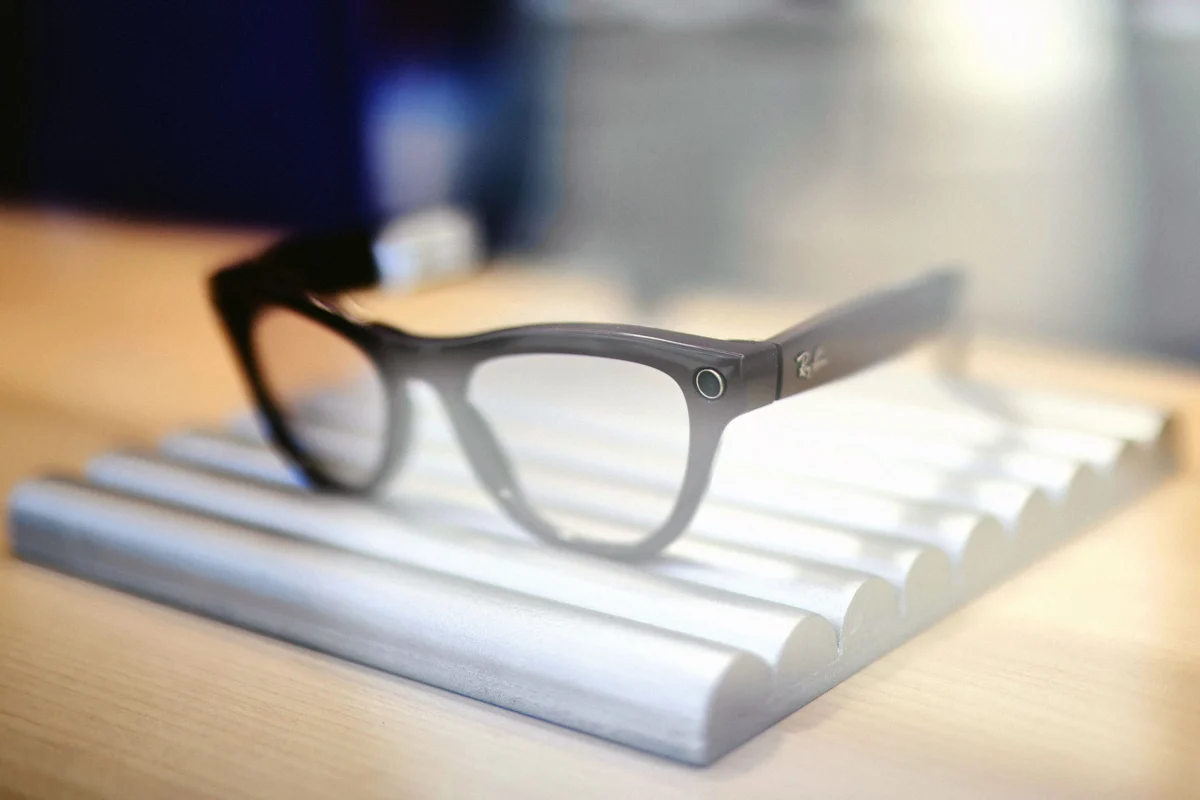
The integration of high-definition cameras and artificial intelligence into everyday eyewear has moved from the realm of science fiction into a pervasive urban reality, sparking a global debate over the right to anonymity in public spaces. In the summer of 2024, Joy Hui Lin, a book researcher residing in Paris, experienced this shift firsthand while walking through the Le Marais district. Approached by two university students who appeared to be admiring her fashion—a sundress and a stylish wide-brimmed hat—Lin engaged in a brief conversation about her outfit. It was only as the interaction concluded that one of the men revealed his black-framed Meta Ray-Ban smart glasses had been recording the entire encounter. The revelation, delivered without prior consent, left Lin feeling violated, highlighting a growing tension between technological convenience and personal privacy.
This incident is not an isolated occurrence but rather part of a burgeoning trend where "smart" wearables are being used to capture candid public interactions for social media consumption. As these devices become increasingly indistinguishable from traditional eyewear, the social contract regarding public recording is being rewritten. Meta’s collaboration with EssilorLuxottica has yielded a product that is both fashionable and technologically potent, selling an estimated 8 million units in 2025 alone. However, the inconspicuous nature of these devices has led to the emergence of a derogatory nickname among critics: "pervert glasses."
The Evolution of Wearable Surveillance: A Chronology
The journey of smart glasses from a niche gadget to a mass-market phenomenon has been marked by both technical triumphs and social friction. The timeline of this evolution reveals a rapid acceleration in adoption and a corresponding lag in regulatory oversight.
In 2013, Google launched Google Glass, a device that became synonymous with the "Glasshole" trope due to its intrusive design and the overt presence of a prism display over the wearer’s eye. The public backlash was so severe that many establishments banned the device, and Google eventually pivoted the product toward enterprise use.
By 2021, Meta (then Facebook) entered the fray with the first generation of Ray-Ban Stories. While these glasses lacked the augmented reality (AR) displays of their predecessors, they focused on sleek aesthetics and seamless social media integration. The second generation, rebranded as Ray-Ban Meta smart glasses, launched in late 2023 with significantly improved camera quality and the integration of Meta AI.
In early 2024, an investigation by Swedish newspapers revealed a significant privacy breach involving the device’s AI capabilities. The report found that Meta utilized overseas contract workers to review footage sent to the company’s servers for AI training. This footage often included highly sensitive and private moments—such as nudity, sexual activity, and bathroom routines—recorded by users who were often unaware that their "point-of-view" videos were being scrutinized by third parties.
By mid-2025, the proliferation of these glasses reached a tipping point. Influencers began utilizing the devices to film "rizz" (charisma) coaching videos and "prank" content. These videos often feature unsolicited flirtations or the harassment of retail workers, uploaded to platforms like TikTok and Instagram for millions of viewers. This era saw the rise of accounts such as @itspolokid and @rizzzcam, which combined have amassed over 3 million followers by showcasing POV footage of women being approached in public spaces.
Technical Capabilities and the Data Privacy Quagmire
The Ray-Ban Meta smart glasses are equipped with a 12-megapixel camera capable of capturing high-resolution photos and 1080p video. Beyond simple recording, the integration of Meta AI allows the glasses to "see" what the wearer sees, providing real-time information about landmarks, translating text, or identifying objects. However, this functionality requires the constant transmission of data to Meta’s cloud infrastructure.
Supporting data suggests that the privacy implications extend far beyond the wearer. According to a consumer protection lawsuit filed in early 2026, Meta’s data collection practices regarding smart glasses may violate several state and international privacy statutes. The lawsuit alleges that Meta’s AI training models are being refined using millions of hours of footage of non-consenting bystanders.
Furthermore, the "stealth" capabilities of these glasses have created a secondary market for hardware modification. While Meta included a small LED light in the corner of the frames intended to signal when the camera is active, users have found numerous ways to bypass this safety feature. On platforms like TikTok, creators such as @asodcutz have advertised "stealth mode" services, charging upwards of $120 to physically remove the LED indicator, effectively turning the glasses into hidden surveillance tools.
Legislative Scrutiny and Official Responses
The rapid adoption of smart glasses has not gone unnoticed by global regulators. In Washington, D.C., Democratic Senators Ron Wyden, Ed Markey, and Jeff Merkley recently addressed a formal letter to Meta CEO Mark Zuckerberg. The letter expressed "grave concerns" regarding reports that Meta plans to integrate facial recognition technology into future iterations of its smart glasses.
The lawmakers argued that such a feature would allow wearers to instantly link the faces of strangers to their personal profiles, workplaces, and home addresses. "This creates serious risks of stalking, harassment, and targeted intimidation," the senators wrote. They demanded that Meta provide a detailed explanation of its biometric data practices and how it intends to obtain "express affirmative consent" from bystanders.
Meta’s official stance, articulated by spokesperson Tracy Clayton, emphasizes user responsibility. "Our terms of service clearly state that users are responsible for complying with all applicable laws and for using Ray-Ban Meta glasses in a safe, respectful manner," Clayton stated. He added that the LED light remains a core feature designed to provide transparency, despite the documented hacks used to disable it.
In Europe, the response has been more proactive. Denmark is currently pioneering legislation that would grant individuals copyright protections over their own likeness. This law is specifically designed to protect citizens from unauthorized AI-generated deepfakes and invasive recordings made with wearable technology. Under this framework, filming a person in public for the purpose of commercializing their likeness or training AI models without consent could result in significant legal penalties.
Community Resistance and Counter-Technology
As legal systems struggle to keep pace, grassroots movements and independent developers are taking matters into their own hands. In Vancouver, British Columbia, residents have used platforms like Reddit to track and warn others about "rizz coaches" who frequent the downtown nightlife district with smart glasses. These community-led "watchdogs" have been successful in identifying individuals who record women without their knowledge, leading to several social media accounts being flagged or removed for violating harassment policies.
Simultaneously, the tech community is developing "defensive" software. Yves Jeanrenaud, a sociologist and programmer at the Osnabrück University of Applied Sciences in Germany, recently released an open-source Android app titled "Nearby Glasses." The app functions by scanning for the specific Bluetooth signals emitted by Meta’s smart glasses and Snap’s Spectacles. When a device is detected within a certain radius, the app alerts the user, providing a digital early-warning system against potential surveillance.
Jeanrenaud’s app has seen more than 59,000 downloads since its launch, reflecting a significant public desire for tools that restore a sense of privacy. However, Jeanrenaud remains skeptical about the long-term efficacy of such measures. "The law seems to be not on the side of those who want privacy," he noted, suggesting that the culture of "entertainment through exploitation" has already become deeply embedded in the digital economy.
Impact Analysis: The End of the Expectation of Privacy?
The broader implications of smart glasses suggest a fundamental shift in the concept of the "public square." For decades, legal precedents in many Western nations have held that individuals have a diminished expectation of privacy in public spaces. However, those precedents were established in an era of stationary CCTV cameras or bulky handheld recorders—not inconspicuous eyewear capable of facial recognition and instant cloud synchronization.
The normalization of frictionless recording creates a "chilling effect" on public life. If individuals feel they are being constantly monitored and potentially broadcast to millions, they may alter their behavior, avoid certain areas, or refrain from engaging in spontaneous social interactions. This "surveillance chill" can stifle political expression and lawful dissent, as noted by the U.S. Senate inquiry.
Moreover, the gendered nature of the current harassment trends—where men use these devices to film women for "pick-up" content—highlights how new technologies can exacerbate existing social inequalities. The "pervert glasses" moniker, while colloquial, points to a very real fear of predatory behavior enabled by high-tech tools.
As Meta and its competitors continue to refine these devices, the boundary between the physical and digital worlds will continue to blur. The challenge for the coming decade will be to find a balance that allows for technological innovation without sacrificing the basic human right to move through the world without being a non-consenting data point in a corporate algorithm. Without robust international standards and hardware-level protections that cannot be easily bypassed, the "stealth mode" of today may become the default reality of tomorrow.