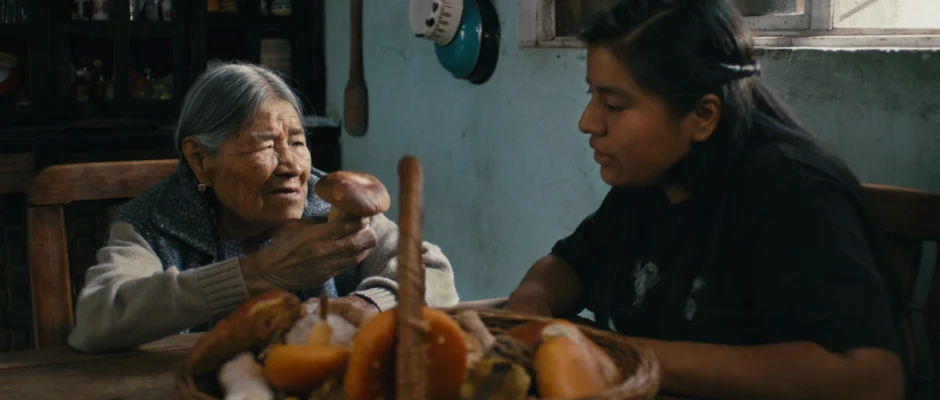
Daughters of the Forest, the latest documentary feature from Mexican filmmaker Otilia Portillo Padua, explores the intricate and often overlooked intersection of Indigenous ancestral knowledge, modern mycology, and environmental stewardship through the lives of two women, Lis and Juli. Premiering simultaneously at the South by Southwest (SXSW) Film & TV Festival in Austin, Texas, and the Copenhagen International Documentary Film Festival (CPH:DOX) on March 13, the film arrives at a critical juncture in the global conversation regarding biodiversity and the preservation of Indigenous heritage. Set within the verdant, mist-shrouded forests of Mexico, the narrative follows its protagonists as they navigate the complexities of academic recognition while maintaining their deep-seated spiritual and practical connections to the fungal kingdom.
The film serves as both a botanical study and a socio-political commentary, highlighting how matrilineal channels have preserved a sophisticated understanding of mushrooms—ranging from the culinary and medicinal to the toxic and the "holy"—for centuries. By documenting the efforts of Lis and Juli to integrate this knowledge into the formal framework of agricultural science, Padua challenges the traditional boundaries between Western academia and Indigenous wisdom. The director, who brings an architectural background to her filmmaking, utilizes an unconventional structural approach, allowing the mycelial patterns of the forest to dictate the rhythm and flow of the narrative rather than adhering to a standard linear progression.
The Convergence of Traditional Wisdom and Academic Rigor
At the heart of the documentary are Lis and Juli, two Indigenous women who seek to validate their ancestral heritage within the rigorous halls of Mexican academia. This pursuit is not born of a desire to replace their traditions, but rather to secure a form of "legitimate" recognition that can shield their communities from external threats. In many Indigenous regions of Mexico, knowledge of mycology is not merely a hobby but a survival mechanism. For generations, during periods of extreme poverty and systemic racism where Indigenous languages were suppressed, mushrooms provided both sustenance and medicine.
However, the transition from forest floor to laboratory is fraught with institutional barriers. The film details the "uphill battle" faced by Indigenous students who must navigate a system that has historically marginalized their contributions. Lis and Juli represent a growing movement of Indigenous scholars who are reclaiming the study of mycology as a tool for community empowerment. By obtaining degrees in agricultural sciences, they aim to bring scientific resources back to their enclaves, ensuring that the study of fungi remains a communal asset rather than a commodity to be exploited by external corporate interests.
Environmental and Cultural Threats to the Mycelial Network
The narrative of Daughters of the Forest is set against a backdrop of increasing environmental precarity. Mexico is home to a vast array of fungal species, many of which are endemic to specific micro-climates within its mountainous regions. Yet, these ecosystems are under constant threat from illegal logging, a practice that destroys the symbiotic relationship between trees and the mycelial networks beneath the soil. When the trees are removed, the underground networks that sustain the mushroom populations wither, leading to a loss of biodiversity that can take decades, if not centuries, to recover.
Coupled with environmental degradation is the ongoing threat of cultural erasure. The film notes that the loss of Indigenous languages is inextricably linked to the loss of botanical knowledge. Many specific names for mushrooms and their nuanced properties exist only in local dialects; as these languages fade, so too does the specialized vocabulary required to transmit this knowledge to the next generation. Padua’s film emphasizes that the preservation of the forest is inseparable from the preservation of the people who inhabit it.
Innovative Visual Language and the "Sci-Fi" Lens
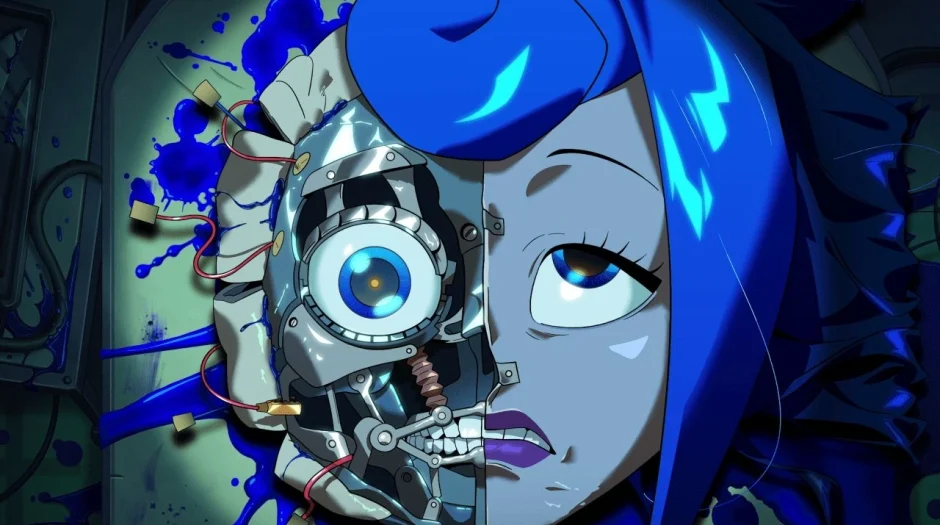
One of the most distinctive elements of the documentary is its visual and auditory style, which Padua describes as having a "science-fiction" slant. Rather than relying solely on observational filmmaking, the director gives the mushrooms themselves a voice. Through layered audio composites, the fungi "speak" to the audience, meditating on their role as the planet’s ultimate recyclers—organisms that transform death into life.

This stylistic choice is bolstered by a unique approach to cinematography. Eschewing 3D-generated imagery, Padua and her team created the film’s "spore-view" sequences using 2D composites, projections, and physical effects filmed in a garage. This DIY approach to high-concept visuals aligns with the film’s theme of making the "invisible visible." By focusing on the microscopic movement of spores and the vast, hidden webs of mycelia, the film invites viewers to perceive the forest not as a collection of individual objects, but as a singular, breathing ecosystem.
The "sci-fi" categorization also serves a deeper philosophical purpose. Padua draws inspiration from "Indigenous futurism" and "speculative fiction" to rethink the present. By moving away from the "magical realism" label often applied to Latin American art, she positions the film within a framework of alternative futures. This perspective suggests that Indigenous knowledge is not a relic of the past, but a sophisticated technology essential for navigating a climate-distressed future.
Chronology of Production and Research
The development of Daughters of the Forest began during the global COVID-19 pandemic, a period that saw a surge in interest in foraging and the "shroom boom" in Western markets. Producer Paula Arroio and director Otilia Portillo Padua initially explored the idea of a project centered on the human relationship with the natural world. They observed a trend where mushrooms were being marketed as "planet-savers" or natural antidepressants within a capitalistic framework—a perspective that often ignored the stewardship of the people who have lived alongside these organisms for millennia.
The research phase led the filmmakers to academic circles in Mexico where Indigenous students were bridging the gap between their home communities and scientific research. Over several years, the team followed Lis and Juli, documenting their academic journeys and their seasonal foraging trips. The production involved significant trial and error, particularly in capturing the psychedelic sequences. One of the film’s most striking moments involves Juli consuming a "holy mushroom" to seek guidance, a practice passed down from her late father. To translate this experience to the screen, the filmmakers interviewed Juli two days after her trip, using her descriptions to craft an abstract visual language that Juli later confirmed accurately represented her journey.
Supporting Data: Mycology and Indigenous Rights in Mexico
The significance of the film is underscored by current data regarding Mexico’s environmental and social landscape:
- Biodiversity: Mexico is considered one of the most fungal-diverse countries in the world, with an estimated 100,000 to 200,000 species of fungi, though only a fraction have been formally classified by Western science.
- Illegal Logging: According to Global Forest Watch, Mexico lost approximately 4.5 million hectares of tree cover between 2001 and 2023. This deforestation directly impacts the soil health necessary for fungal growth.
- Indigenous Demographics: There are 68 recognized Indigenous languages in Mexico. The National Institute of Indigenous Languages (INALI) reports that many of these are at high risk of disappearing, which threatens the oral transmission of traditional ecological knowledge (TEK).
- Economic Context: The global mushroom market was valued at approximately $50 billion in 2023 and is projected to grow. This commercial pressure often leads to "over-harvesting" in Indigenous territories by outside foragers, a theme touched upon by Padua’s subjects.
Broader Impact and Implications
Daughters of the Forest arrives at a time when the "Wood Wide Web"—the concept of trees communicating via fungal networks—has entered the popular consciousness through books like Finding the Mother Tree and Entangled Life. However, Padua’s film adds a necessary layer of human rights and decolonization to this biological fascination. It asserts that we cannot value the fungus without valuing the Indigenous women who are its primary guardians.
The film’s dual premiere at SXSW and CPH:DOX reflects its broad appeal, bridging the gap between high-tech "futurism" and traditional documentary storytelling. By presenting the coexistence of science and spirituality as a viable path forward, the film challenges the binary thinking that often hampers environmental policy.
In her closing reflections on the project, Padua expressed hope that the film would inspire a new generation of Indigenous girls to see no conflict between their cultural beliefs and a career in the sciences. The "spore-like" actions of individuals—small, localized efforts at conservation and education—are framed as the catalyst for transformative environmental change. As the film begins its festival run, it stands as a testament to the resilience of matrilineal knowledge and the vital importance of protecting the "daughters" who keep the forest alive.