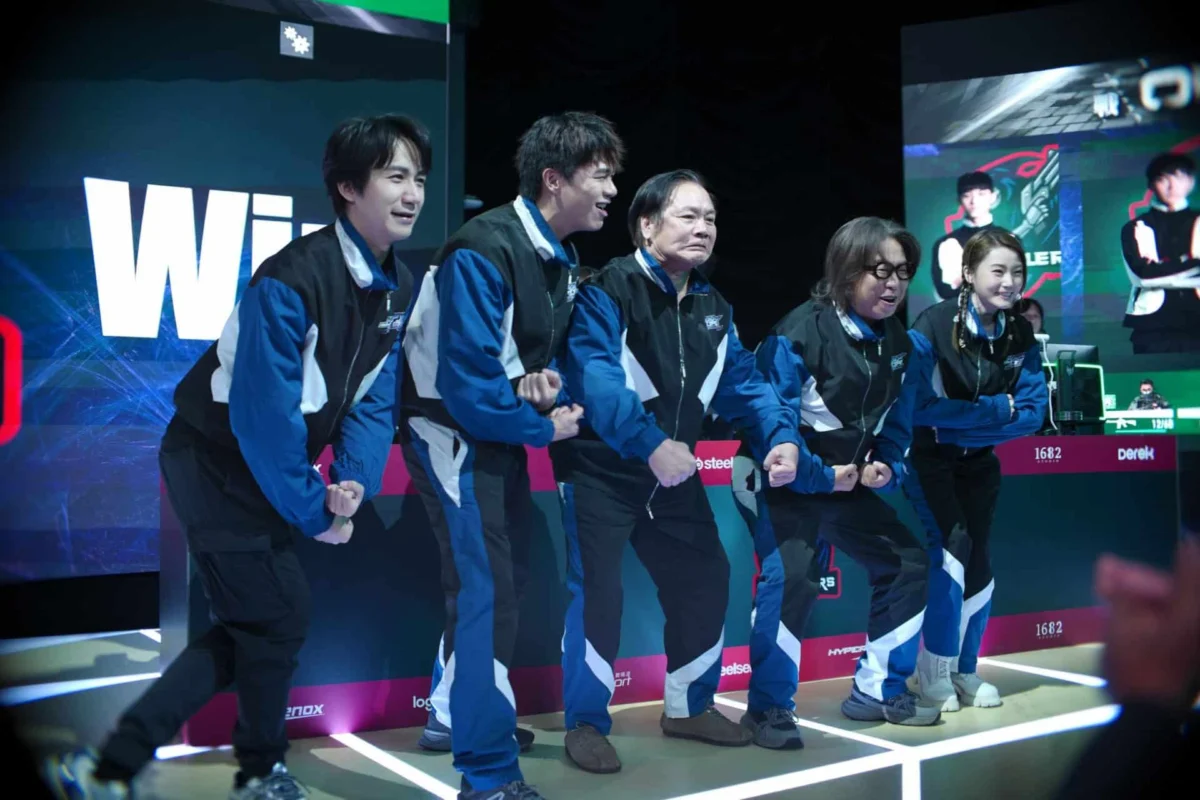
The burgeoning world of esports, once a niche fascination, is increasingly finding its narrative voice within mainstream cinema, and Hong Kong is at the forefront of this exciting intersection. The film "Good Game," distributed by One Cool Pictures and helmed by director Dickson Leung, recently made a significant splash at the Hong Kong Ani-Com & Games Expo 2025, a testament to the event’s growing importance as a promotional hub for productions deeply embedded in gaming culture. Following its presentation at the expo, the film has secured a spot in the prestigious Fantasia film festival lineup, signaling strong international interest ahead of its planned Hong Kong release in 2025. This strategic unveiling at a platform dedicated to animation and gaming underscores a broader trend: filmmakers are actively seeking innovative ways to connect with audiences beyond traditional theatrical releases, tailoring promotional campaigns to resonate with the specific themes and passionate communities surrounding their content.
The Genesis of "Good Game" and its Expo Debut
The Hong Kong Ani-Com & Games Expo, an annual cornerstone event for the region’s thriving animation, comics, and gaming industries, has evolved into a critical launchpad for media properties that tap into these cultural currents. Established in 2004, the expo has consistently attracted a dedicated audience of enthusiasts, industry professionals, and media, making it an ideal venue for showcasing projects that speak directly to the gaming zeitgeist. "Good Game" capitalized on this environment, presenting its unique blend of esports drama and intergenerational storytelling to an audience primed for its themes. The film’s presence at the 2025 edition, held typically in late July, marked a significant moment for its creators, allowing for direct engagement with potential viewers and industry tastemakers. This early exposure at a high-profile event like Fantasia, known for its curated selection of genre films from around the globe, further amplifies the film’s potential reach and critical reception.
A Story of Second Chances in the Digital Arena
At its core, "Good Game" tells the story of Tai, a middle-aged proprietor of a struggling internet café. His business, once a hub for online gaming, is now teetering on the brink of obsolescence, a stark reflection of evolving consumer habits. The blunt assessment from his landlord, that "most kids now play games on their phones," highlights a generational shift that has left many traditional gaming spaces behind. Despite the financial strain, Tai remains committed to his daughter, Fay, whom he employs part-time. Fay, meanwhile, is navigating her own challenges, having recently left several jobs without informing her divorced mother, adding a layer of familial complexity to the narrative. In a bold, perhaps desperate, bid to revive his failing establishment, Tai conceives of an audacious plan: to assemble an esports team and vie for glory in an upcoming Hong Kong tournament.
Simultaneously, the film introduces Solo, a once-prominent esports star whose career has abruptly ended. Ostracized and facing an uncertain future, he is confronted with the harsh reality of the esports world – it is, as a former teammate pointedly reminds him, "a young man’s game." With limited viable alternatives, Solo reluctantly agrees to join Tai’s ragtag team. The roster is further bolstered by the inclusion of Octo, a former movie star who now finds solace and mental stimulation in gaming alongside his elderly wife, a poignant detail underscoring the therapeutic and cognitive benefits of engaging with digital worlds. This disparate group, united by Tai’s ambition, forms the "Happy Hour" team. However, their initial attempts at synergy are fraught with disarray. Solo’s ingrained self-centeredness and the considerable lack of competitive gaming experience among the other members create a cascade of comical and challenging situations, setting the stage for their uphill battle.
Thematic Resonance: Aging, Accessibility, and Esports’ Future
Beyond the immediate plot, "Good Game" delves into several compelling thematic layers that offer insightful commentary on contemporary society and the evolving landscape of esports. While some of these observations are delivered with a directness that borders on the didactic, they remain undeniably engaging. The decline of internet cafés, a narrative thread woven throughout the film, serves as a potent symbol of technological displacement. However, a more profound observation lies in the burgeoning world of esports itself. Despite its meteoric rise over the past decade, often filling massive arenas with legions of young competitors, esports can still feel largely inaccessible to older participants. This disconnect highlights a societal challenge: how do we ensure that the benefits and excitement of this rapidly growing phenomenon are inclusive of all age groups?
Furthermore, the film confronts the stark reality of esports careers being inherently fleeting. This is true even for top-tier players who secure lucrative sponsorships, including from major athletic brands like Nike, a detail that juxtaposes the fast-paced digital world with the more established traditions of physical sports. This concept, still relatively novel in both the sporting and storytelling realms, prompts crucial questions about the future prospects of esports professionals whose formative years are dedicated almost entirely to virtual competition. "Good Game" dedicates significant narrative real estate to exploring this theme, ultimately presenting a message that is both idealistic and deeply resonant: age should not be an insurmountable barrier to participation and success. This underlying sentiment fuels much of the film’s humor and emotional depth, offering a hopeful perspective on the enduring human desire to compete and excel, regardless of one’s generation. The film’s exploration of this theme aligns with broader societal discussions about lifelong learning and the potential for older adults to remain active and engaged in new and emerging fields.
Navigating Relationships and Unconventional Romance
The film also explores romantic subplots that, while occasionally awkward, manage to contribute to the movie’s overall charm. The rekindling of Tai’s relationship with his ex-wife and the developing bond between Fay and Solo unfold with a degree of narrative spontaneity that, while perhaps lacking conventional logic, ultimately enhances the film’s endearing quality. These unconventional romantic arcs suggest that connections can form in unexpected places and under unusual circumstances, mirroring the film’s overarching theme of second chances.

In contrast, the tender connection between Octo and his wife, and his devoted care for her, emerges as one of the story’s most touching and emotionally resonant elements. This subplot provides a grounding emotional anchor, showcasing the enduring power of love and companionship amidst the fast-paced and often superficial world of professional gaming. It adds a layer of genuine warmth and human connection that elevates "Good Game" beyond a simple esports narrative.
A Visual Feast: The VR-Inspired Aesthetic and Dynamic Action
"Good Game" truly shines in its innovative visual approach to portraying the world of esports. The filmmakers’ decision to imbue the in-game matches with a VR-inspired aesthetic, employing additional actors to embody the on-screen avatars of the main characters, proves to be a stroke of creative and economical genius. This approach masterfully sidesteps the need for prohibitively expensive visual effects while simultaneously injecting a vibrant layer of stylized realism. It also allows for the introduction of a secondary cast of captivating performers who bring the virtual world to life.
Chloe So Ho-Yee and Amy Lo inject considerable energy into the action sequences through their dynamic "girls with guns" personas, embodying a fierce and agile presence. Lo Meng, as the martial arts character controlled by Octo, offers a particularly delightful performance, showcasing impressive physical prowess. Meanwhile, Andrew Lam Man-Chung provides essential comic relief as Tai, his character’s earnest efforts often leading to humorous mishaps. Yanny Chan Wing-Yan lends emotional depth to Fay, portraying her character’s journey with nuance, while Will Or Wai-Lam effectively captures the coming-of-age arc of Solo, navigating his character’s disillusionment and eventual reawakening. The chemistry among the principal cast, though perhaps light on profound depth, contributes significantly to the film’s overall entertainment value, making their interactions engaging and enjoyable.
The action sequences themselves are a significant highlight. The choreography, featuring a dynamic blend of hand-to-hand combat, firearms, and martial arts, is vividly rendered. The ever-shifting game rules and the dynamic virtual environments effectively evoke the visceral experience of playing an actual video game. Ken Law Ho-Ming’s action direction is perfectly aligned with this ambitious vision, ensuring that each encounter is thrilling and visually compelling. The costumes, particularly those designed for the female avatars, add a touch of stylized sensuality that complements the film’s tone and aesthetic. The deliberate inclusion of quick cuts to the players’ real-world reactions during intense gameplay further enhances the immersive quality, a technique supported by sharp and effective editing. This visual contrast between the dimly lit, grounded reality of the internet café and the bright, vibrant, and often fantastical game world serves to amplify the overall viewing experience, drawing the audience deeper into the narrative.
Broader Implications and Industry Trends
The success of "Good Game" at events like the Hong Kong Ani-Com & Games Expo and its subsequent inclusion in festivals like Fantasia signal a growing trend in the film industry: the recognition of esports and gaming culture as rich sources of compelling storytelling. As esports continues its global expansion, with projected market revenues expected to surpass $2 billion by 2025 according to industry analysts Newzoo, films that authentically capture its essence are poised for significant audience engagement. The film’s ability to resonate with both seasoned gamers and general audiences, by blending relatable human drama with the high-octane world of competitive gaming, suggests a potential blueprint for future productions in this space.
The strategic marketing approach, leveraging specialized events and festivals, is also indicative of a maturing industry that understands the importance of targeted outreach. This method allows filmmakers to connect directly with communities that have a vested interest in the subject matter, fostering organic buzz and word-of-mouth promotion. The implications extend beyond a single film; "Good Game" can be seen as a harbinger of a more diverse and inclusive cinematic landscape, one that increasingly reflects the passions and realities of a digitally native generation.
Conclusion: A Resonant and Visually Inventive Spectacle
Ultimately, "Good Game" emerges as an enjoyable and remarkably visually inventive film that successfully captures the multifaceted essence of gaming culture. While it may not entirely transcend its occasional narrative shortcomings or overly direct thematic pronouncements, it delivers a consistently engaging and entertaining spectacle. The film’s strength lies in its ability to resonate with audiences on multiple levels, offering a heartwarming story of second chances, a thought-provoking commentary on the challenges of aging in a rapidly evolving digital world, and a thrilling visual representation of esports action. Its appeal extends well beyond its specific niche, proving that a well-crafted story, infused with passion and creative vision, can indeed strike a chord with a broad and diverse audience. The film’s success suggests that the intersection of cinema and gaming is not merely a passing trend but a dynamic and fertile ground for storytelling that promises to captivate and inspire for years to come.