


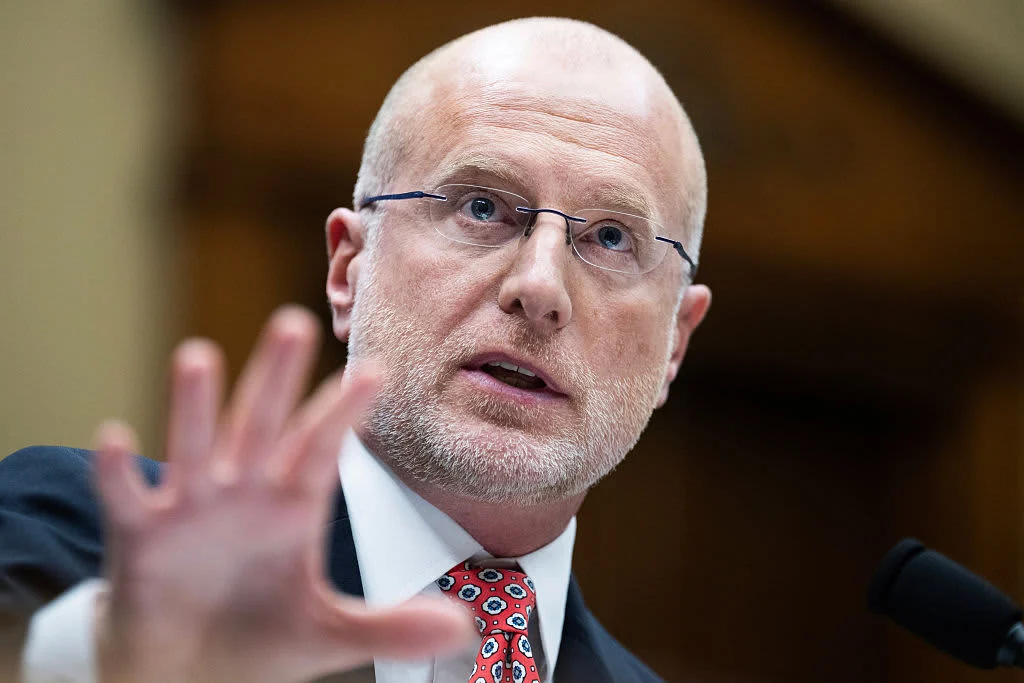
In a move that could reshape the global media landscape, Brendan Carr, the Chairman of the Federal Communications Commission (FCC), has expressed a high degree of confidence in the regulatory viability of Paramount’s multi-billion-dollar acquisition of Warner Bros. Discovery (WBD). Speaking on the sidelines of the Mobile World Congress in Barcelona, Spain, Carr characterized the proposed Paramount-Skydance bid as a "cleaner" alternative to the previously considered Netflix proposal, suggesting that the transaction could navigate the federal approval process with relative speed. Carr’s comments come at a pivotal moment for the entertainment industry, as legacy media titans seek to consolidate in an effort to survive the intensifying competition of the streaming era and the decline of traditional linear television.
The endorsement from the FCC’s top official provides a significant tailwind for Paramount Global and Skydance Media, which recently outmaneuvered Netflix with a revised offer of $31 per share for the entirety of Warner Bros. Discovery. This valuation represents a notable premium over Netflix’s rejected $27.75 per share offer, which was focused primarily on acquiring WBD’s studio assets and its streaming infrastructure. According to Carr, the Netflix-WBD combination would have faced a "very difficult path" due to profound antitrust concerns regarding streaming dominance, whereas the Paramount deal offers what he described as "real consumer benefits" without the same level of market-concentration risk.
The Evolution of the Deal: A Chronology of Consolidation
The path toward a combined Paramount-WBD entity has been marked by intense corporate maneuvering and shifting alliances. The saga began in late 2025 when Warner Bros. Discovery, still navigating the debt-laden aftermath of its own merger between Discovery Inc. and AT&T’s WarnerMedia, began exploring strategic alternatives to bolster its balance sheet.
In December 2025, Netflix emerged as a surprising suitor, aiming to integrate WBD’s massive content library—including the HBO catalog and the DC Universe—into its dominant streaming platform. However, the proposal immediately drew fire from industry watchdogs and politicians alike. By early 2026, the WBD board began cooling on the Netflix offer, citing both regulatory hurdles and financial terms that failed to account for the value of WBD’s linear networks, such as CNN, TBS, and TNT.
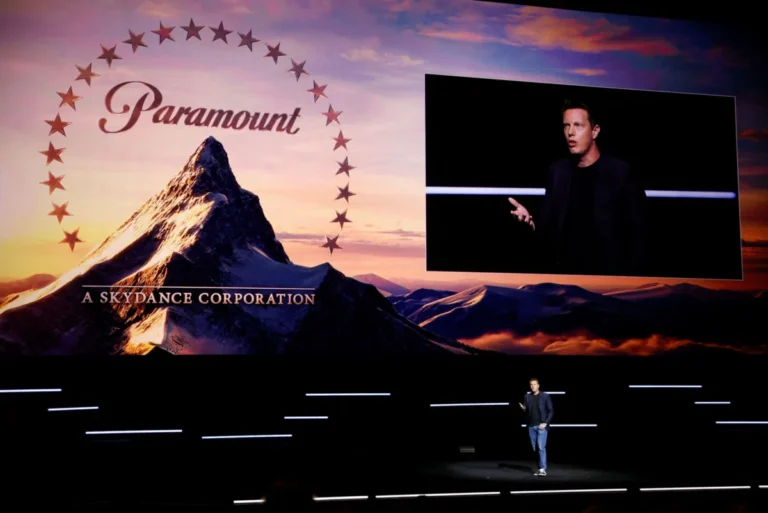
The landscape shifted dramatically last week when Paramount, backed by Skydance Media and bolstered by substantial capital from Gulf state sovereign wealth funds, submitted a revised "superior" offer. This bid sought to acquire the entirety of WBD, including its legacy cable networks, which Netflix had intended to shun. Upon the acceptance of the Paramount-Skydance offer, WBD was required to pay a $2.8 billion breakup fee to Netflix, a cost that Paramount absorbed as part of its acquisition package. To further demonstrate its commitment, Paramount has agreed to a staggering $7 billion breakup fee should the deal fail to clear regulatory hurdles, a signal of high confidence in its legal standing.
Regulatory Hurdles and the "Cleaner" Narrative
The FCC’s role in media mergers typically centers on the transfer of broadcast licenses. Because Paramount owns CBS, one of the nation’s primary broadcast networks, the FCC maintains a significant oversight role that it would not necessarily have held over a pure-play streaming acquisition by Netflix. Chairman Carr noted that while the FCC’s role might be "minimal" in the broader antitrust sense—which is primarily the domain of the Department of Justice (DOJ)—the structure of the Paramount deal avoids the specific "winner-take-all" optics that plagued the Netflix bid.
The primary concern regarding Netflix was the potential for a streaming monopoly. By combining Netflix’s global subscriber base with WBD’s HBO Max (now Max), the resulting entity would have controlled a disproportionate share of the world’s premium digital content. Carr emphasized that such a combination "raised a lot of competition concerns," particularly regarding consumer pricing and the diversity of content production.
In contrast, the Paramount-WBD merger is viewed by some analysts as a "horizontal consolidation" of two companies that are both struggling against the same external pressures. Investment bank Raymond James noted that the political standing of the Paramount-Skydance group with the current U.S. administration appears stronger than that of Netflix. Analysts from the firm argued that while there are new challenges regarding news and international linear networks, the deal is "meaningfully easier" to digest for regulators who are wary of tech-sector dominance.

Financial Architecture and Foreign Investment Scrutiny
The financial structure of the Paramount bid is as complex as its regulatory one. The $31-per-share offer is supported by roughly $24 billion in funding from Middle Eastern sovereign wealth funds. This massive influx of foreign capital has raised eyebrows in Washington, particularly concerning the Committee on Foreign Investment in the United States (CFIUS).
CFIUS is tasked with reviewing transactions that could result in a foreign entity gaining control of a U.S. business, especially those involving critical infrastructure or sensitive media assets. Given that the deal includes CNN—a global news powerhouse—the involvement of Gulf state funds is expected to undergo rigorous vetting. However, Carr’s optimistic timeline suggests that proponents of the deal believe these concerns can be mitigated through "firewall" agreements or non-voting equity structures that limit foreign editorial influence over news divisions.
Industry Implications: Theatrical Releases and Streaming Integration
To appease critics who fear that consolidation leads to a "hollowing out" of Hollywood, Paramount and WBD executives have been proactive in outlining their post-merger vision. On Monday, Paramount announced a commitment to release at least 30 films annually to theaters—15 from each major studio (Paramount Pictures and Warner Bros. Pictures). This move is a direct response to scathing criticism from figures like director James Cameron, who warned that a Netflix-led acquisition would decimate the theatrical industry in favor of a "direct-to-streaming" model.
Furthermore, the companies confirmed plans to merge Paramount+ and Max into a single, unified streaming service. This consolidation is intended to create a platform with the scale necessary to compete with the "big three" of the streaming world: Netflix, Disney+, and Amazon Prime Video. By combining the Star Trek and Mission: Impossible franchises with the worlds of Harry Potter, Game of Thrones, and DC Comics, the new service would boast one of the most formidable intellectual property portfolios in history.
Political Reactions and Public Criticism
Despite Chairman Carr’s optimism, the deal is far from a guaranteed success. The political climate surrounding antitrust enforcement remains volatile. U.S. President Donald Trump, who initially expressed concern that a Netflix-WBD deal "could be a problem," has since deferred the matter to the DOJ. However, his administration’s general stance on media consolidation has historically been unpredictable, often influenced by the perceived political leanings of news outlets like CNN.
On the other side of the aisle, Democratic Senator Elizabeth Warren has emerged as a vocal opponent of the merger. In a public statement, Warren labeled the Paramount-WBD deal an "antitrust disaster" that threatens higher prices and fewer choices for American families. She argued that the consolidation of news and sports under one roof would give the new entity "unprecedented power" to dictate terms to cable providers and advertisers, ultimately hurting the consumer.
Paren Knadjian, a partner at the advisory firm EisnerAmper, echoed some of these concerns, noting that the deal is not yet a "done deal." He pointed out that the concentration of intellectual property under one roof would likely require significant concessions. "The regulatory pressure, the political pressure—those are the things that will certainly delay the deal and will make it more complicated," Knadjian told CNBC. He suggested that regulators might demand the divestiture of certain cable networks or sports rights to ensure a competitive market.
Looking Ahead: A Transformed Media Ecosystem
If the Paramount-WBD merger proceeds according to Chairman Carr’s "quick" timeline, the transaction could be finalized by late 2026 or early 2027. The resulting company would be a media behemoth with a presence in every facet of entertainment: broadcast television (CBS), premium cable (HBO), 24-hour news (CNN), major sports (NFL and NBA rights), and a global film studio.
The success of this merger will likely serve as a litmus test for the future of the industry. As traditional cable revenues continue to evaporate, the "cleaner" path identified by Carr represents a gamble that size and scale are the only defenses against the total disruption of the media landscape. For now, the eyes of the industry remain on Washington, waiting to see if the "meaningfully easier" path for Paramount leads to a definitive green light or a protracted legal battle.