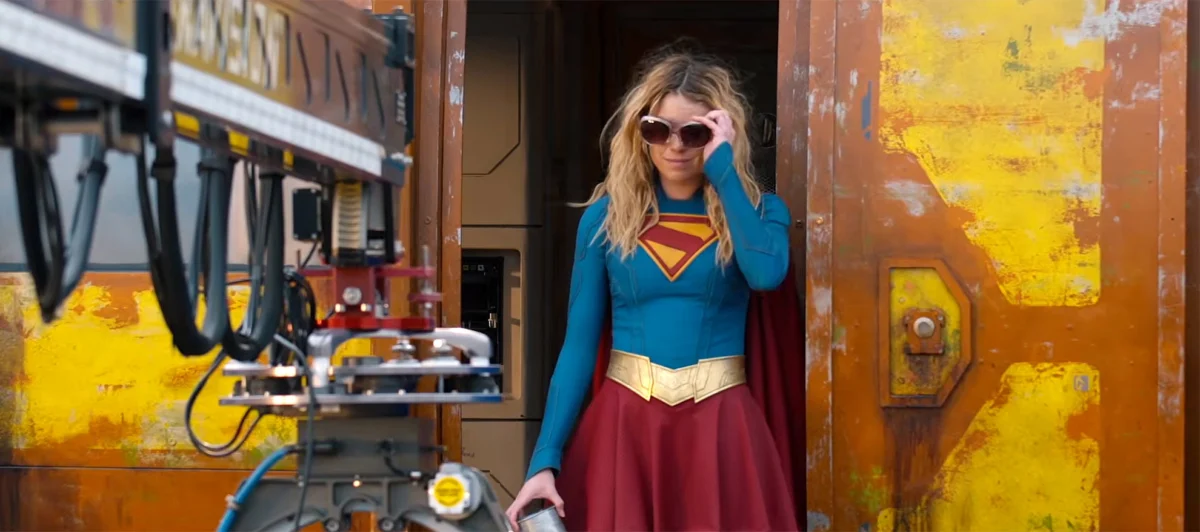
Warner Bros. and DC Studios have released a concise yet impactful behind-the-scenes featurette for the upcoming Supergirl movie, offering audiences an early glimpse into the production and the vision behind its titular hero. Slated for a global theatrical release in June 2026, the film is positioned as a significant follow-up to James Gunn’s Superman, which premiered last year, anchoring the nascent "Gods and Monsters" chapter of the revitalized DC Universe. Directed by Craig Gillespie, known for his critically acclaimed work on character-driven narratives like I, Tonya and Cruella, Supergirl promises to deliver a distinct and compelling adventure within the expansive DC cinematic tapestry.
The recently released promotional video, sourced from YouTube, specifically aims to amplify anticipation for Milly Alcock’s portrayal of Kara Zor-El, emphasizing her embodiment of a "complete force to be reckoned with." This strategic focus on Alcock’s performance and the character’s inherent strength underscores DC Studios’ commitment to presenting a powerful and multifaceted Supergirl for a new generation of viewers. The featurette serves as a vital complement to the full official trailer unveiled earlier in the week, reinforcing the marketing narrative that frames Alcock as an ideal choice for this pivotal big-screen role.
The Visionary Direction of Craig Gillespie
Craig Gillespie’s involvement as director signals a deliberate artistic direction for Supergirl. Gillespie has built a formidable reputation for helming films that delve deeply into complex characters, often with a blend of dark humor, stylistic flair, and emotional authenticity. His previous successes, such as the biographical sports drama I, Tonya (2017), which earned Margot Robbie an Academy Award nomination and Allison Janney an Oscar for Best Supporting Actress, demonstrated his ability to transform real-life figures into compelling cinematic subjects. Similarly, Cruella (2021), starring Emma Stone, reimagined a classic villain with a punk-rock sensibility and critical acclaim, grossing over $233 million worldwide despite a simultaneous streaming release.
Gillespie’s filmography suggests a keen interest in protagonists who defy expectations and navigate challenging circumstances with resilience. This background makes him a particularly intriguing choice for Supergirl, a character often overshadowed by her more famous cousin, Superman, but who possesses her own rich history of heroism, trauma, and self-discovery. Observers anticipate that Gillespie will bring a similar nuanced approach to Kara Zor-El, moving beyond a simplistic heroic archetype to explore the depths of her character, her Kryptonian heritage, and her personal struggles. The "force to be reckoned with" tagline, highlighted in the featurette, aligns perfectly with Gillespie’s track record of portraying strong, determined, and often unconventional female leads. The decision to adapt a comic run known for its emotional depth and mature themes further solidifies the expectation that this Supergirl will be more than just another superhero spectacle, aiming for a narrative richness characteristic of Gillespie’s previous acclaimed works.

Milly Alcock: Embodying the Girl of Steel
The casting of Milly Alcock as Kara Zor-El/Supergirl has been met with considerable excitement. Alcock rose to international prominence with her captivating performance as young Rhaenyra Targaryen in HBO’s critically lauded House of the Dragon. Her portrayal showcased a remarkable blend of youthful vulnerability, nascent power, and fierce determination, qualities that are essential for bringing Supergirl to life. Her ability to command the screen in a demanding fantasy role, navigating complex emotional arcs and political intrigue, undoubtedly played a significant role in her selection for such a high-profile DC character.
For Alcock, Supergirl represents a monumental leap into the realm of blockbuster cinema and a global franchise. Her prior work has often focused on dramatic intensity, and her transition to a superhero role will challenge her to integrate physical prowess with the emotional depth she has previously demonstrated. The featurette’s emphasis on her being "perfect and totally badass" aims to reassure audiences of her suitability for the role, particularly those who might be unfamiliar with her previous work or who hold specific expectations for Supergirl. This strategic marketing move by DC Studios underlines the importance of a strong lead performance in establishing the character’s credibility and connecting with a broad audience. Alcock’s ability to convey both Kara’s alien origins and her journey of self-discovery on Earth will be crucial to the film’s success, building upon the foundations laid by Gillespie’s direction and the screenplay’s thematic depth.
The Narrative Core: "Woman of Tomorrow" and a Quest for Vengeance
The synopsis provided offers crucial insights into the film’s narrative direction, explicitly drawing inspiration from Tom King’s acclaimed comic series, Supergirl: Woman of Tomorrow. This particular storyline is celebrated for its mature themes, intricate character development, and breathtaking cosmic odyssey. The film’s plot centers on Kara Zor-El’s 21st birthday, an occasion that sees her embarking on a galaxy-spanning journey with her loyal canine companion, Krypto. This seemingly celebratory trip takes a dark turn when she encounters Ruthye Marye Knoll and witnesses a tragedy that propels her onto a "murderous quest for revenge," simultaneously seeking to save her beloved dog.
The decision to adapt "Woman of Tomorrow" signals DC Studios’ intention to explore more profound and perhaps darker facets of Supergirl’s character. Tom King’s series is known for its exploration of trauma, justice, and the moral complexities of vengeance, portraying Kara as a powerful but deeply wounded individual driven by a personal sense of right and wrong rather than just a generic superheroic duty. This approach aligns with the current trend in superhero cinema to offer more nuanced and character-driven narratives, moving beyond conventional good-versus-evil paradigms. The involvement of Ruthye Marye Knoll, a key figure from the comic who seeks Supergirl’s help in avenging her father’s death, solidifies the direct influence of King’s work. This partnership promises a dynamic duo, with Kara acting as a reluctant mentor and protector, while Ruthye’s unwavering resolve fuels their shared mission. The inclusion of Krypto, Supergirl’s super-powered dog, adds a touch of classic comic book charm while also serving as a critical emotional anchor for Kara, whose devotion to her pet becomes a driving force in her vengeful quest.
A Stellar Supporting Cast and the Intriguing Presence of Lobo
Beyond Milly Alcock’s central performance, Supergirl boasts an impressive ensemble cast, each member poised to contribute significantly to the film’s rich tapestry. Matthias Schoenaerts, known for his intense and commanding presence in films like Rust and Bone and The Danish Girl, is cast in an undisclosed role. Given the narrative’s focus on Kara reluctantly joining forces with an "unlikely companion," Schoenaerts could potentially portray a grizzled spacefarer or a morally ambiguous figure who aids Kara and Ruthye on their cosmic journey, possibly taking on a role akin to the various alien allies or adversaries from the "Woman of Tomorrow" comic.

Eve Ridley is set to play Ruthye Marye Knoll, a character whose youthful determination and unwavering quest for justice are central to the "Woman of Tomorrow" narrative. Ridley’s portrayal will be crucial in mirroring and challenging Kara’s own moral compass. David Krumholtz and Emily Beecham are also part of the cast, though their specific roles have not yet been revealed. Both actors bring extensive experience in character-driven performances, suggesting that even the supporting roles will be well-developed and integral to the story. Krumholtz has a knack for portraying quirky yet grounded characters, while Beecham often brings a subtle intensity to her roles, as seen in Little Joe.
Perhaps the most electrifying casting announcement, and a significant point of interest for DC fans, is the inclusion of Jason Momoa as Lobo. Momoa, previously known for his portrayal of Aquaman in the former DCEU, stepping into the role of the infamous intergalactic bounty hunter, marks a fascinating strategic decision by DC Studios. Lobo, a fan-favorite anti-hero known for his extreme violence, dark humor, and self-proclaimed title as "The Main Man," offers a chaotic element to the narrative. His presence could serve multiple functions: as a formidable antagonist, a reluctant and unpredictable ally, or a character who challenges Kara’s perceptions of justice and morality in the harsh cosmic landscape. Momoa’s charismatic and physically imposing screen presence makes him an ideal fit for Lobo, promising a memorable performance that could significantly expand the new DC Universe’s cosmic frontier. His appearance also raises questions about the interconnectivity of the new DCU, particularly how characters from previous iterations might be re-introduced or reimagined within the "Gods and Monsters" framework.
The DC Universe Landscape: "Gods and Monsters" and Interconnectivity
Supergirl is a cornerstone of James Gunn and Peter Safran’s ambitious new vision for the DC Universe, formally introduced as the "Gods and Monsters" chapter. This new cinematic era aims to create a cohesive and interconnected storytelling universe across film, television, and animation, starting fresh with a new slate of projects. The film’s placement as a direct follow-up to James Gunn’s Superman highlights its importance in establishing the foundational mythology and tone of this rebooted universe. While details on the exact relationship between Kara and Clark Kent in this new continuity are still emerging, the film is expected to explore Kara’s unique journey as a Kryptonian survivor, distinct from her cousin’s more established heroism.
The "Gods and Monsters" slate, announced in early 2023, includes several key projects designed to introduce a diverse range of DC characters and narratives. Superman (2025) is set to formally kick off the film slate, focusing on a younger Man of Steel. Supergirl will then delve into the story of Kara Zor-El, offering a different perspective on Kryptonian legacy and heroism. Other announced projects, such as The Authority, The Brave and the Bold (featuring Batman and Robin), and Swamp Thing, indicate a varied approach to genre and tone, all unified under Gunn and Safran’s creative oversight. The success of Supergirl will be crucial in demonstrating the viability and appeal of this new, integrated universe, proving that DC can deliver compelling standalone stories that also contribute to a larger, overarching narrative.
Production Timeline and Marketing Strategy
The journey of Supergirl to the big screen has been a meticulously planned process, reflecting DC Studios’ strategic approach to building its new universe. The project was formally announced as part of the "Gods and Monsters" slate in early 2023, with Craig Gillespie’s attachment as director confirmed later that year. The casting of Milly Alcock as Kara Zor-El followed a comprehensive search, underscoring the importance placed on finding the right lead for such a significant character.

While specific filming dates are often kept under wraps, the release of a behind-the-scenes featurette suggests that principal photography has either concluded or is well underway, moving into post-production phases in preparation for its June 2026 release. The marketing campaign for Supergirl has been unfolding strategically:
- First Teaser Trailer: Released in late 2025, offering a cryptic initial look and building early anticipation.
- Full Official Trailer: Launched earlier in the week preceding the featurette, providing a more comprehensive overview of the plot, characters, and visual style.
- Behind-the-Scenes Featurette: The most recent release, designed to personalize the experience by focusing on Milly Alcock’s performance and Craig Gillespie’s vision, creating a deeper connection with the audience and highlighting the authenticity of the production.
This phased release of promotional material is a standard industry practice aimed at maintaining consistent buzz and gradually revealing more about the film as its release date approaches. The featurette’s emphasis on Alcock being "perfect and totally badass" is a direct appeal to both long-time fans and new viewers, promising a Supergirl who is both true to her comic book origins and a fresh, formidable presence in the superhero landscape.
Historical Context and Future Implications
The character of Supergirl has a rich and varied history in DC Comics, first appearing in 1959. Over the decades, she has undergone several reinterpretations, evolving from Superman’s secret weapon to a powerful hero in her own right, often grappling with issues of identity, legacy, and her place in a world that already has a Superman. Her previous live-action adaptations include the 1984 film starring Helen Slater and the popular CW television series featuring Melissa Benoist, both of which garnered their own dedicated fanbases. This new cinematic iteration, however, seeks to carve out a distinct identity, largely by drawing from "Woman of Tomorrow," a story arc that offers a more mature and emotionally complex take on the character.
The success of Craig Gillespie’s Supergirl is not merely about box office numbers; it carries significant implications for the broader DC Universe. As one of the early tentpole films in the "Gods and Monsters" chapter, it must establish a compelling narrative, introduce a charismatic lead, and demonstrate the creative vision of James Gunn and Peter Safran. A strong performance, both critically and commercially, will validate their reboot strategy and build momentum for subsequent projects. Conversely, any missteps could jeopardize audience confidence in the new DCU. The film’s ability to balance its cosmic scope with intimate character moments, its themes of vengeance with heroism, and its connection to the larger DC world while standing on its own, will be pivotal. With a release date of June 26th, 2026, Supergirl stands poised to either soar to new heights for the DC Universe or face the formidable challenges inherent in launching a fresh cinematic saga. The anticipation is palpable, and the stakes for Kara Zor-El, and indeed the entire DC Studios slate, are exceptionally high.