The Udine Far East Film Festival (FEFF), Europe’s premier showcase for East Asian cinema, has officially unveiled the comprehensive lineup for its 28th edition, slated to captivate audiences in the picturesque Italian city from April 24 to May 2, 2026. This eagerly anticipated event continues its legacy of championing the finest and brightest cinematic talents from across Asia, promising an immersive journey through diverse narratives, groundbreaking artistry, and cultural insights. With 76 films meticulously selected for screening – 52 vying for the coveted competition awards and 24 presented out of competition – the festival will feature contributions from 12 distinct countries, underscoring its commitment to a wide-ranging representation of the continent’s dynamic film industries.
A Grand Showcase of Asian Cinematic Excellence
The 28th FEFF, known for its discerning curation and vibrant atmosphere, is set to open on April 24 with the Singaporean family drama We Are All Strangers, directed by the acclaimed Anthony Chen. Chen, a Palme d’Or nominee and recipient of multiple international accolades, brings a poignant narrative that is expected to resonate deeply with the festival’s diverse audience. His work is often characterized by its intimate portrayal of human relationships and social dynamics, making We Are All Strangers a fitting and powerful curtain-raiser for a festival dedicated to exploring the human condition through an Asian lens.
The festival will draw to a close on May 2 with Blood Moon Rite 8, a Vietnamese reimagining of the cult Japanese zombie comedy One Cut of the Dead. Directed by Phan Gia Nhât Linh, this choice highlights FEFF’s embrace of genre films and cross-cultural adaptations, demonstrating the creative interplay and influence within Asian cinema. One Cut of the Dead garnered international acclaim for its innovative meta-narrative and humorous approach to the zombie genre, and its Vietnamese counterpart is poised to offer a fresh perspective while maintaining the spirit of the original.
Spotlight on Emerging and Established Cinemas: Singapore and Vietnam in Focus
FEFF 2026 is poised to cast a significant spotlight on the burgeoning cinematic landscapes of Singapore and Vietnam, nations whose film industries are increasingly gaining international recognition. Beyond Anthony Chen’s opening feature, Singaporean cinema will be further represented by Geck Priscilla Ang’s Ah Girl and Michael Kam’s The Old Man and his Car. These selections signify a growing interest in Singaporean storytelling, which often explores themes of identity, modernity, and heritage within a rapidly evolving society. The inclusion of multiple films from the city-state reflects a strategic effort by FEFF to provide a comprehensive platform for its filmmakers.
Similarly, Vietnamese cinema will make a strong showing with three additional films beyond the closing night feature. Leon Le’s romance drama Ky Nam Inn promises an exploration of intricate human connections, while Ham Tran’s action thriller Hijacked is set to deliver high-octane excitement. Rounding out the Vietnamese contingent is Bùi Thac Chuyên’s Tunnels: Sun in the Dark, a Vietnam War movie that delves into a pivotal period of the nation’s history, offering profound insights and narratives that are both historically significant and emotionally resonant. This robust representation from Vietnam underscores the vibrant creativity and diverse genre offerings emerging from its film industry, which has seen a resurgence in recent years, producing works that are both critically acclaimed and commercially successful domestically.
Japanese Cinema’s Enduring Appeal and Global Acclaim
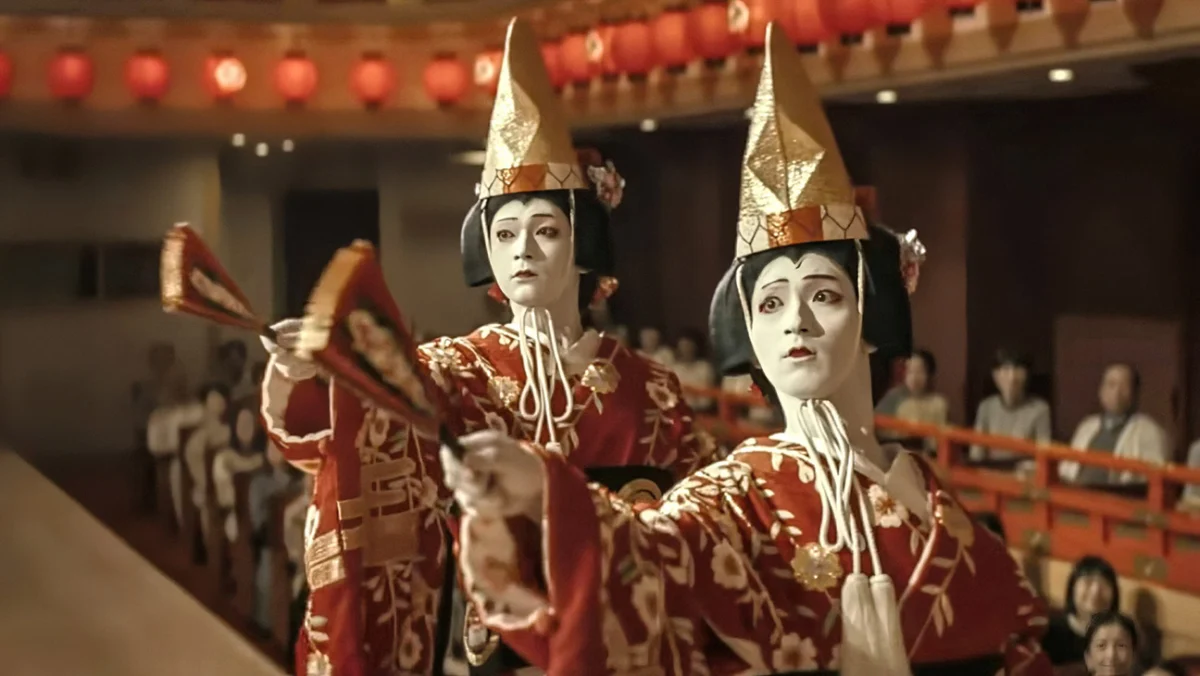
Japanese cinema, a perennial highlight at FEFF, arrives with a formidable slate, spearheaded by Lee Sang-il’s globally lauded Kokuho. This historical drama, centering on the traditional Japanese theatrical art of kabuki, achieved monumental success, becoming Japan’s all-time highest-grossing live-action film and the country’s selection for the Academy Awards. Its screening at FEFF 2026, just days before its highly anticipated debut in Italian theaters, offers a unique opportunity for festival-goers to experience this cultural phenomenon ahead of its broader release. Lee Sang-il himself is confirmed to be in attendance, providing audiences with a rare chance to engage with the visionary behind such a significant work. Kokuho‘s profound impact extends beyond its box office numbers, having reignited public interest in kabuki and demonstrated the power of cinema to preserve and popularize traditional arts.
Other notable Japanese contributions include the world premiere of Fujiko, a female-led drama directed by the multi-talented singer, actress, and tarento Megumi. Her return to Italy for this premiere highlights the strong cultural ties fostered by FEFF and the international appeal of Japanese artistic talent. Fujiko is anticipated to offer a nuanced exploration of contemporary female experiences, a theme increasingly prevalent and celebrated in global cinema.
South Korean Cinema: Innovation and Documentary Breakthrough
South Korean cinema, renowned for its genre mastery and compelling storytelling, will also be prominently featured. FEFF 2026 will screen Jang Hang-jun’s The King’s Warden, a film expected to showcase the country’s prowess in crafting intricate narratives and high-production value features. Of particular note is the inclusion of The Seoul Guardians, a collaborative effort by Cho Chul-young, Kim Jong-woo, and Shin-Wan Kim. This documentary marks a historic moment for FEFF, as it becomes the first documentary ever to enter the main competition in Udine. This decision reflects a growing recognition of the artistic merit and narrative power of documentary filmmaking within the festival’s programming, signaling an expansion of its competitive scope and an embrace of diverse cinematic forms. The film is expected to offer a compelling look into an aspect of Korean society, further enriching the festival’s cultural offerings.
Honoring Legends: Golden Mulberry Lifetime Achievement Awards
A cornerstone of the FEFF experience is the recognition of cinematic titans whose contributions have profoundly shaped Asian cinema. This year, the Golden Mulberry for Lifetime Achievement will be bestowed upon two Asian legends, both enjoying significant career renaissances, underscoring the festival’s appreciation for enduring artistry and renewed creative vigor.
Chinese actress Fan Bingbing, a global icon, will be present in Udine to accept her Golden Mulberry award. Her career, spanning decades, has traversed the spectrum from critically acclaimed arthouse productions to blockbuster commercial successes. Her performances in films like I Am Not Madame Bovary and Ever Since We Love have garnered critical praise for their depth and complexity, showcasing her versatility and profound dramatic capabilities. Simultaneously, her roles in commercial hits such as The White Haired Witch of Lunar Kingdom, League of Gods, and Lady of the Dynasty have cemented her status as a formidable box-office draw. Following a period of hiatus, Fan Bingbing has made a remarkable return to the international stage, exemplified by her recent drama Mother Bhumi, which screened in competition in Tokyo and received an impressive eight Golden Horse nominations. Her award at FEFF not only celebrates a storied career but also acknowledges her resilience and continued artistic relevance in the global film industry.
Joining Fan Bingbing in receiving this prestigious honor is Japanese legend Koji Yakusho. With a career spanning over four decades, Yakusho has established himself as one of Japan’s most respected and versatile actors, gracing a myriad of genres and starring in numerous classics of Japanese cinema. His extensive filmography includes powerful performances in films such as The Blood of Wolves, The Woodsman and the Rain, the Palme d’Or winning The Eel, the iconic Tampopo, the gritty Under The Open Sky, the action-packed 13 Assassins, and the chilling horror masterpiece Cure. Most recently, Yakusho received universal acclaim and the coveted Cannes Best Actor prize for his moving portrayal in Wim Wenders’ critically lauded film Perfect Days. His performance as a Tokyo toilet cleaner, imbued with quiet dignity and profound humanity, captivated audiences worldwide and reaffirmed his status as an actor of unparalleled skill and emotional depth. This Golden Mulberry award celebrates not only the breadth and longevity of his career but also his continuous ability to deliver transformative performances that resonate globally.
FEFF’s Enduring Legacy and Global Impact
The Far East Film Festival, since its inception, has played a pivotal role in bridging cultural divides, fostering cross-cultural understanding, and promoting Asian cinema on the international stage. "We are incredibly proud of this year’s lineup, which truly embodies the vibrant diversity and unparalleled creativity emanating from Asia," stated Sabrina Baracetti, President of the Far East Film Festival, in an inferred statement. "From established masters to groundbreaking new voices, FEFF 2026 offers a unique window into the rich tapestry of Asian storytelling. The festival’s mission has always been to be a gateway for European audiences to discover these cinematic treasures, and this edition reaffirms that commitment with an exceptionally strong and varied program."
Located in Udine, a city steeped in history and culture in Italy’s Friuli-Venezia Giulia region, FEFF provides an intimate yet dynamic setting for film enthusiasts, industry professionals, and filmmakers to connect. The festival’s strategic timing in late April and early May places it as a significant event in the international film festival calendar, often serving as a launchpad for Asian films seeking wider distribution in Europe and beyond. The selection process is rigorous, ensuring that only films of exceptional quality and thematic relevance are chosen, reflecting current trends and future directions in Asian filmmaking.
The inclusion of films from 12 countries, ranging from East Asian powerhouses like Japan and South Korea to emerging markets like Singapore and Vietnam, showcases FEFF’s dedication to a comprehensive regional representation. This diversity not only enriches the viewing experience but also facilitates crucial dialogue and exchange between different cinematic traditions. The historical significance of Kokuho and the groundbreaking nature of The Seoul Guardians in competition further highlight the festival’s commitment to both honoring tradition and embracing innovation.
As the 28th edition of the Far East Film Festival prepares to open its doors, anticipation is high for what promises to be another memorable celebration of Asian cinema’s profound artistry and cultural impact. Through its meticulously curated program, its recognition of cinematic legends, and its unwavering dedication to cultural exchange, FEFF continues to solidify its position as an indispensable platform for bringing the best of the East to the West. The festival is not merely a screening event; it is a vibrant cultural hub, fostering dialogue, sparking inspiration, and forging connections that transcend geographical boundaries, ensuring that the captivating narratives from Asia continue to find their appreciative audiences worldwide.