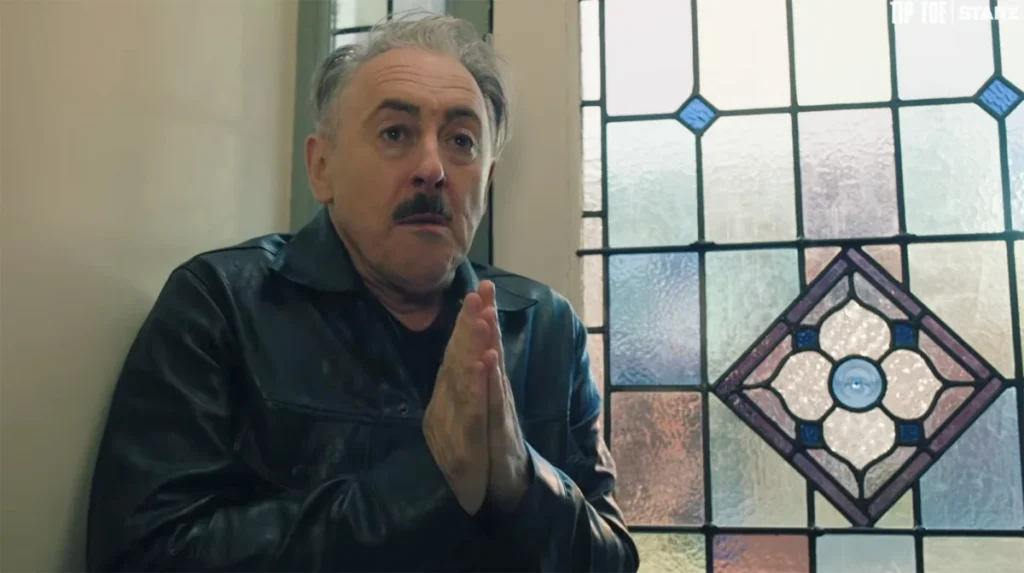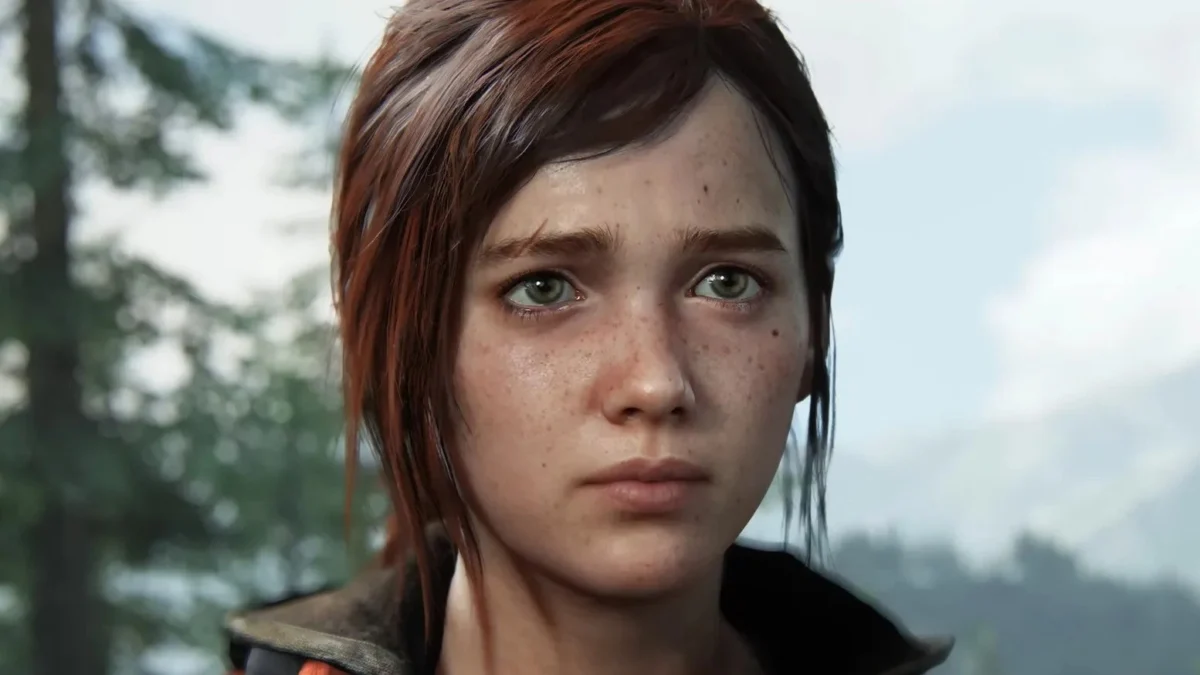
Vinit Agarwal, the former director of the ambitious and ultimately ill-fated The Last of Us multiplayer project, has provided a rare and candid look into the final stages of the game’s development, revealing that the title was approximately 80 percent finished when Sony and Naughty Dog decided to cease production. In a detailed interview on the LelPodcast hosted by Lance E. Lee, Agarwal shared the internal trajectory of the project, the economic pressures that led to its demise, and the personal impact of losing a project that had been in development for seven years. The cancellation, which was officially announced in December 2023, stands as one of the most significant pivots in the recent history of Sony Interactive Entertainment, marking a shift away from a broad live-service strategy toward a renewed focus on the single-player narratives that defined the studio’s legacy.
The Genesis and Scale of the Online Project
The project, colloquially known among fans as "Factions 2," began as a successor to the popular multiplayer mode included in the original 2013 release of The Last of Us. Initially intended to be a component of The Last of Us Part II, the scope of the multiplayer experience grew so significantly that Naughty Dog decided to spin it off into a standalone, live-service title. According to Agarwal, the game was performing exceptionally well during internal testing. The team had successfully translated the tense, resource-driven combat of the single-player experience into a massive online environment that promised to expand the lore of the franchise.
By the time development reached its peak, the project was nearly feature-complete. Agarwal’s estimate of 80 percent completion suggests that the core mechanics, maps, progression systems, and networking infrastructure were largely in place. The remaining 20 percent would have likely involved final polishing, quality assurance, and the preparation of a content roadmap for post-launch support. The revelation that the game was so close to the finish line underscores the magnitude of the decision to cancel it, highlighting that the move was not based on a lack of quality or technical failure, but rather a fundamental change in corporate strategy.
The Economic Correction of the Post-Pandemic Era
The cancellation of The Last of Us online project cannot be viewed in isolation; it was a symptom of a broader contraction within the global video game industry. Agarwal noted that the industry underwent a massive surge during the COVID-19 pandemic in 2020. With global lockdowns in effect, digital engagement skyrocketed, leading to an influx of capital and an aggressive push by major publishers into the live-service sector. Sony, under the leadership of then-CEO Jim Ryan, announced an ambitious plan to launch 12 live-service games by 2026, leveraging its premier first-party studios to capture a share of the recurring revenue market dominated by titles like Fortnite and Apex Legends.
However, as the world transitioned back to office-based work and consumer spending habits normalized in 2022 and 2023, the industry faced a "correction." The massive investments made during the boom years were no longer sustainable as player engagement figures dipped. Agarwal explained that the very forces that propelled the industry to new heights in 2020 became the catalysts for its decline two years later. As capital was pulled out of the sector, companies were forced to "collapse the spending," leading to widespread layoffs and the shuttering of experimental or high-maintenance projects.
Strategic Realignment: Single-Player vs. Live Service
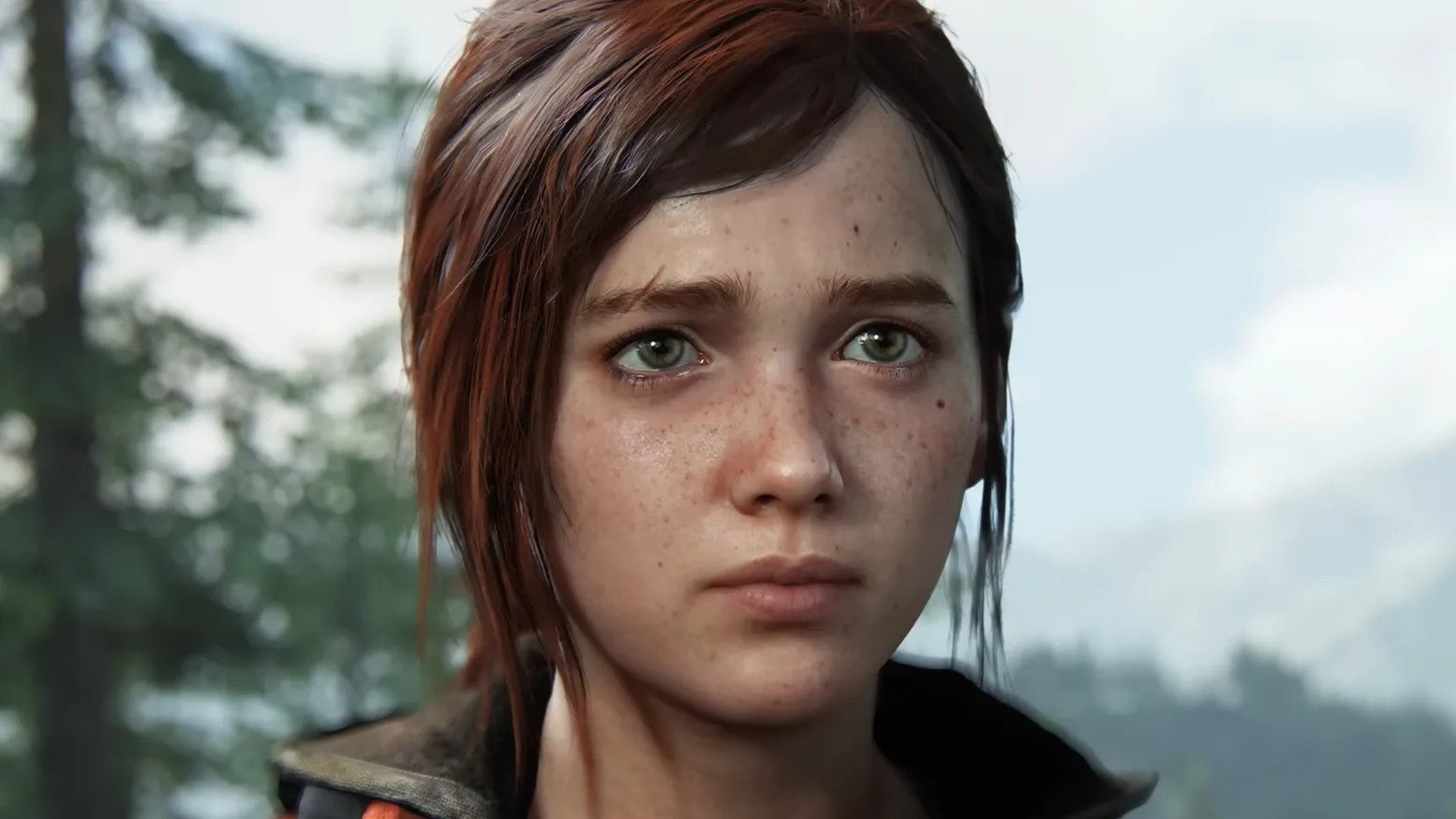
For Naughty Dog, the dilemma was not just financial but structural. Maintaining a successful live-service game requires a dedicated, long-term commitment of resources, including constant content updates, server maintenance, and community management. Internal reports indicated that if Naughty Dog had proceeded with the launch, the studio would have had to dedicate a significant portion of its workforce to the multiplayer game for years to come.
Agarwal detailed that a binary choice eventually emerged: the studio could either become a live-service-focused developer to support the multiplayer title, or it could remain a premier creator of single-player, narrative-driven experiences. "A decision had to be made," Agarwal stated. "Make this game, or make this next game that Neil Druckmann was directing." Ultimately, Naughty Dog chose to protect its "soul bread-and-butter"—the high-budget, cinematic single-player games that have earned the studio dozens of Game of the Year awards.
This decision was reportedly influenced by an internal evaluation conducted by Bungie, the developers of Destiny, whom Sony had acquired in 2022 to act as consultants for its live-service initiatives. Reports from mid-2023 suggested that Bungie had raised concerns about the long-term engagement potential of The Last of Us multiplayer, questioning whether the game could sustain a player base over several years. This external critique, combined with the shifting economic landscape, likely sealed the project’s fate.
The Human Cost and the "Soul Crushing" Announcement
The personal toll of the cancellation on the development team was profound. Agarwal described the experience as "soul crushing," particularly given the length of time he and his colleagues had invested in the project. Having spent seven years working on the game, Agarwal revealed that he was only informed of the final decision to cancel it 24 hours before the news was made public. This tight window was intended to control the messaging of the announcement, but it left the developers with little time to process the loss of their work.
When asked to compare the cancellation to the experience of being laid off, Agarwal remarked that the loss of the game was "10 times more" painful. For many developers, a project of this scale represents a significant portion of their professional lives and creative output. The sudden erasure of that work, despite it being nearly finished, highlights the volatility of modern AAA game development, where even the most prestigious studios are not immune to sudden pivots in corporate direction.
A Chronology of the Project’s Development
To understand the rise and fall of The Last of Us online, one must look at the timeline of its public and private milestones:

- September 2019: Naughty Dog confirms that The Last of Us Part II will not include a multiplayer mode at launch, but hints that an online experience is being developed separately.
- June 2022: During Summer Game Fest, Neil Druckmann reveals the first piece of concept art for the standalone multiplayer game, promising it will be "as big" as the studio’s single-player titles.
- May 2023: Naughty Dog issues a statement acknowledging that the game needs "more time" and that the team is reassessing the project’s direction. Reports emerge regarding Bungie’s negative evaluation of the title.
- October 2023: Reports of layoffs at Naughty Dog surface, primarily affecting contract workers, signaling internal restructuring.
- December 2023: Naughty Dog officially announces the cancellation of the project, citing the need to remain a single-player-focused studio.
- Late 2024: Vinit Agarwal reveals the game was 80 percent complete and discusses the "devastating" impact of its termination.
The Future of Naughty Dog: Intergalactic and Beyond
In the wake of the cancellation, Naughty Dog has refocused its efforts on its traditional strengths. The studio is currently working on multiple projects, the most prominent of which is a new intellectual property titled Intergalactic: The Heretic Prophet. Neil Druckmann, now the president of Naughty Dog, has described this upcoming title as the most "expansive and expensive" game the studio has ever produced. While details remain scarce, the project is expected to leverage the technical prowess of the PlayStation 5 to deliver a new level of narrative depth and visual fidelity.
Furthermore, Druckmann has confirmed that the studio is working on another project alongside this major AAA release. Speculation remains high regarding whether this second project is a third installment in The Last of Us series or another new IP. Regardless, the studio’s trajectory is now firmly set back on the path of prestige single-player gaming, a move that has been welcomed by a large segment of the fanbase that feared the studio’s identity would be diluted by the demands of the live-service model.
Broader Implications for the Gaming Industry
The saga of The Last of Us online serves as a cautionary tale for the industry. It demonstrates that even a franchise with immense brand power and a studio with an unparalleled track record can struggle to navigate the complexities of the live-service market. The 80 percent completion figure revealed by Agarwal suggests that millions of dollars and years of human effort were sacrificed to maintain the strategic integrity of the studio.
This event also reflects a broader trend of "de-risking" among major publishers. As development costs for AAA games soar into the hundreds of millions of dollars, the margin for error has narrowed. Sony’s pivot away from its initial live-service targets indicates a realization that the market cannot support an infinite number of "forever games." For Naughty Dog, the cancellation was a painful but perhaps necessary step to ensure the studio could continue to produce the cinematic epics that defined its reputation. While the 80 percent complete version of The Last of Us multiplayer may never be played by the public, its story will remain a pivotal chapter in the history of Naughty Dog and the evolving landscape of interactive entertainment.