
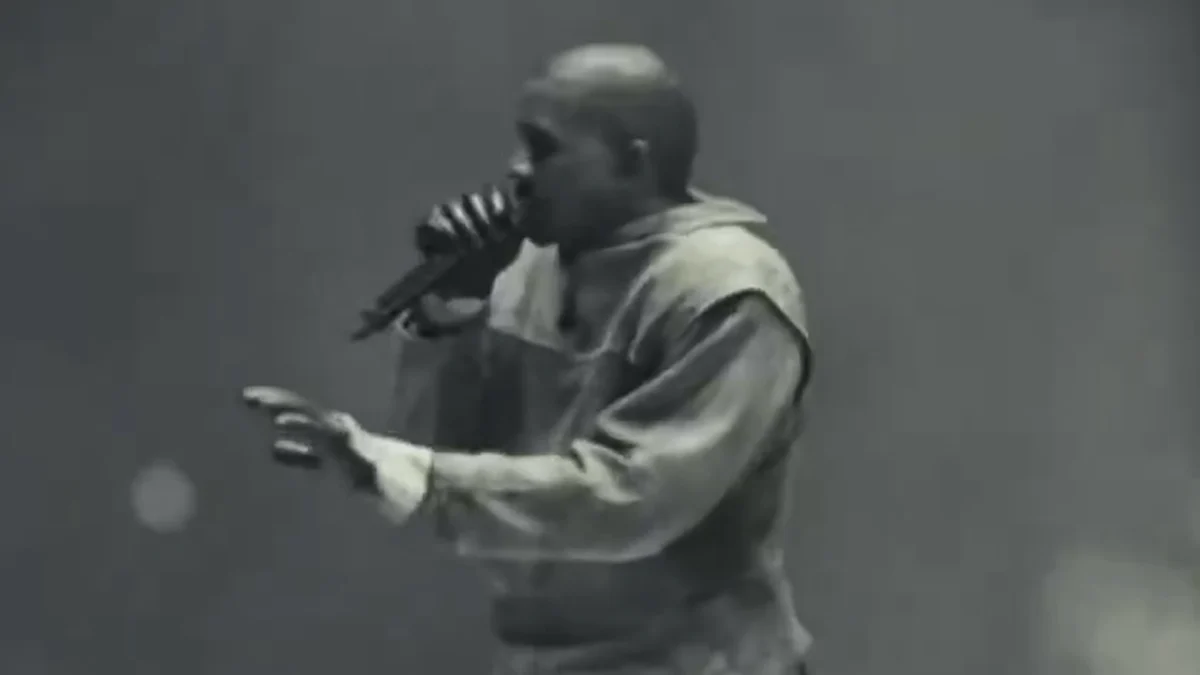
Kanye West, the polarizing yet undeniably influential artist, encountered a significant production snag during his highly anticipated comeback performance in Los Angeles, compelling him to halt the show multiple times to personally address and rectify a persistent lighting issue. The incident, which unfolded at the colossal SoFi Stadium on Wednesday night, April 2, 2026, marked West’s first major concert in Tinseltown in half a decade, drawing a capacity crowd eager to witness the return of one of music’s most enigmatic figures. The evening was intended as a triumphant re-entry into the live performance arena for West, an artist whose career has been punctuated by both groundbreaking musical innovation and public controversy. However, a series of unplanned interruptions during his set quickly became a focal point, illustrating West’s meticulous, some might say demanding, approach to his artistic vision.
The Unfolding Scene: A Chronology of Disruption
The atmosphere within SoFi Stadium was electric as fans, many of whom had waited years for this moment, packed the venue. West, known for his elaborate stage designs and immersive concert experiences, began his performance by delivering a string of his most iconic hits, much to the delight of the fervent audience. The initial segments of the show proceeded without incident, showcasing the artist’s characteristic blend of raw energy and musical prowess. The production was largely seamless, building anticipation for what promised to be a memorable night.
However, the meticulously planned flow of the concert hit an unexpected roadblock during the performance of "Good Life," his chart-topping track from the 2007 album Graduation. Mid-song, West abruptly ceased his performance, signaling for the music to be cut. His attention immediately turned to the production crew, whom he addressed directly from the stage. The artist expressed strong dissatisfaction with the "disco-style lighting" being deployed, asserting that it clashed incongruously with the smoky, atmospheric stage effects he had envisioned. This initial pause, while brief, introduced an element of unforeseen tension into the highly charged environment.
Undeterred by the momentary disruption, West instructed the crew to adjust the lighting and then restarted "Good Life" from the beginning. Yet, mere seconds into the track, he again brought the performance to a halt. This time, his critique was more pointed, labeling the recurring lighting scheme as "corny." The second interruption, coming so quickly after the first, began to register with the audience as more than a minor technical glitch, hinting at a deeper conflict between the artist’s creative demands and the production’s execution.
The third attempt to perform "Good Life" proved equally fruitless. West again pulled the plug, his frustration visibly mounting. From the stage, he challenged the crew with a rhetorical question: "What is this, an ‘SNL’ skit?" This pointed remark underscored his perception of the lighting as amateurish and inappropriate for a high-caliber stadium show. He then doubled down on his demands, explicitly instructing the crew to "Stop doing the vibrating, Vegas lights, bro," and significantly, revealed that these specific issues had already been raised and, presumably, addressed during rehearsals. This revelation added another layer to the incident, suggesting a breakdown in communication or execution following pre-show preparations. The implication was that West’s specific instructions had either been ignored or inadequately implemented.
Finally, after three false starts and a series of direct, on-stage directives, the fourth attempt at "Good Life" proceeded successfully. The lighting adjustments met West’s approval, allowing the song to be performed to completion. The audience, having witnessed the extraordinary sequence of events, responded with enthusiastic cheers, seemingly appreciating West’s unwavering commitment to his artistic vision, even if it meant disrupting the show’s flow. The incident, while unusual, ultimately became a defining moment of the evening, showcasing West’s unique approach to live performance.
Background and Context: The Return of a Maverick
Kanye West’s comeback show in Los Angeles was a highly anticipated event, not merely for its musical offerings but also for its significance within the broader narrative of his career. The five-year absence from Tinseltown stages, a significant period for an artist of his stature, had created a vacuum of expectation. In the interim, West had navigated a turbulent period marked by profound personal changes, high-profile business ventures, and a series of controversial public statements that often overshadowed his musical output.
His recent years have been characterized by a complex interplay of creative ambition and public scrutiny. Following the critically acclaimed yet often controversial Donda albums and associated listening events, West had engaged in high-stakes collaborations with global brands such as Gap and Adidas, both of which ultimately ended in contentious public divorces. These business ventures, alongside his forays into fashion and architecture, demonstrated his expansive creative drive but also highlighted his tendency to clash with corporate structures that he perceived as limiting his artistic freedom. Furthermore, his political endorsements and often unfiltered commentary on social and cultural issues had kept him consistently in the headlines, solidifying his image as an unpredictable and often polarizing figure.
Against this backdrop, the SoFi Stadium concert was viewed by many as an attempt by West to re-center his public image around his core identity as a musical artist. The "comeback" implied a return to form, a reaffirmation of his musical legacy after a period dominated by non-musical controversies. Fans and critics alike were keenly observing whether this performance would signal a more stable, focused artistic phase or if it would continue the pattern of disruption and unexpected turns that has become synonymous with the Kanye West brand. The lighting incident, therefore, immediately tapped into this existing narrative, serving as a vivid reminder of his uncompromising artistic temperament.
The Intricacies of Live Production: A High-Stakes Collaboration
Large-scale stadium concerts, particularly those featuring artists with elaborate creative visions like Kanye West, are monumental undertakings that rely on the seamless coordination of hundreds of professionals. The production of a show at a venue like SoFi Stadium involves an intricate web of technical disciplines, including lighting design, sound engineering, stage management, video production, and special effects. Each element is meticulously planned months in advance, often involving multiple rehearsals and technical run-throughs to ensure every cue is executed precisely.
Lighting, in particular, plays a crucial role in shaping the aesthetic and emotional landscape of a concert. Lighting designers work closely with artists and their creative directors to translate artistic concepts into visual experiences, using sophisticated equipment to create specific moods, highlight performers, and enhance the overall narrative of the show. The choice of lighting style—be it dynamic, atmospheric, minimalist, or flamboyant—is a deliberate artistic decision intended to complement the music and the artist’s persona.
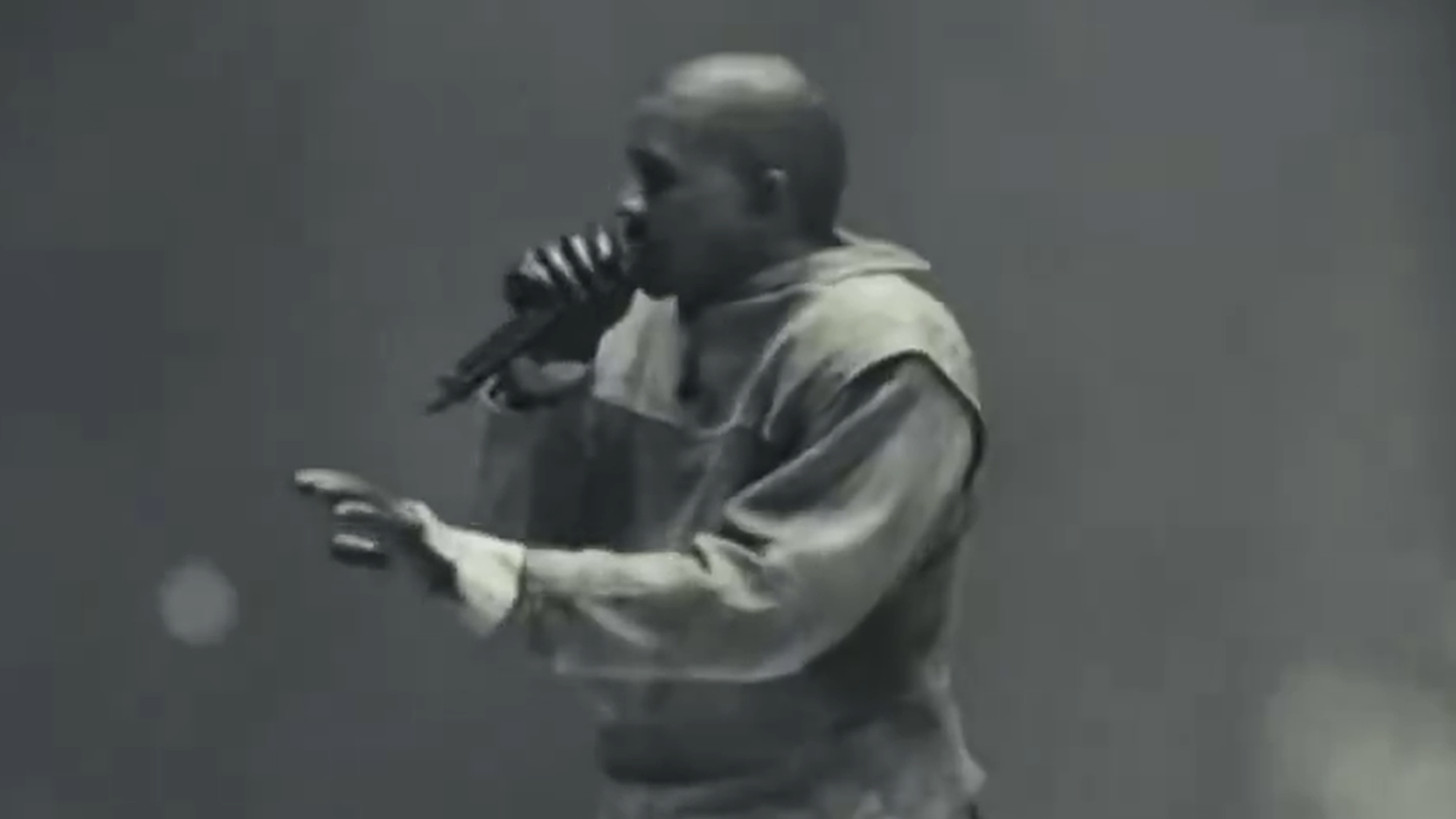
West’s on-stage confrontation highlighted the inherent tension that can arise between an artist’s precise creative vision and the technical execution by the production team. While artists rely heavily on their crews to bring their visions to life, a perceived deviation from those instructions can be a source of significant frustration, especially for an artist known for his perfectionism. In the demanding environment of a live stadium show, where millions of dollars are invested and tens of thousands of fans are present, even minor technical discrepancies can feel amplified, potentially undermining the entire artistic presentation. The incident at SoFi underscored the fact that for West, artistic integrity trumps the smooth, uninterrupted flow of a performance if he feels his vision is not being accurately represented.
Artistic Control vs. Professionalism: A Kanye West Signature
Kanye West’s career has been consistently marked by his fervent belief in absolute artistic control, often leading to clashes with collaborators, executives, and even his own production teams. This incident at SoFi Stadium is not an isolated event but rather fits a long-standing pattern of West asserting his vision uncompromisingly, even if it means disrupting conventional protocols. Throughout his career, he has been known to stop shows, embark on extended monologues, or make last-minute changes to setlists and visuals, all in pursuit of what he perceives as artistic perfection.
This distinctive approach has elicited mixed reactions. For some fans, it is seen as a testament to his authenticity and unwavering commitment to his craft, an artist so dedicated to his vision that he refuses to compromise. They view these interruptions not as unprofessionalism but as an extension of his performance art, a raw and unfiltered glimpse into his creative process. They "ate it up," as the original report states, finding excitement in the unscripted moments.
However, for others, such disruptions can be perceived as unprofessional, disrespectful to the audience, and disruptive to the carefully planned logistics of a large-scale event. Industry veterans often prioritize the smooth, uninterrupted flow of a show, recognizing the immense coordination and financial investment involved. Mid-show halts can complicate timings, affect audience engagement, and potentially lead to logistical headaches. Yet, for Kanye West, the pursuit of his ideal aesthetic consistently appears to outweigh these concerns, solidifying his reputation as a maverick who operates by his own rules. His willingness to confront his crew on stage, rather than address issues privately, further reinforces his public persona as an artist who wears his creative battles openly.
Unexpected Collaborations and Family Moments
Beyond the dramatic lighting incident, the concert featured several notable highlights that contributed to its overall impact. Kanye West brought a handful of surprise guests to the stage, a common practice in his shows, to add dynamic collaborations and elevate the live experience. Among these guests was acclaimed artist Don Toliver, whose appearance was met with enthusiasm from the crowd, showcasing West’s continued influence and collaborative spirit within the music industry.
However, arguably the most poignant and talked-about moment came with the appearance of his eldest daughter, North West. Stepping onto the grand stage alongside her father, North performed "TALKING," a track she features on, and also delivered her original song, "PIERCING ON MY HAND." This performance marked a significant public moment for North, demonstrating her burgeoning talent and confidence. The sight of father and daughter sharing the stage, with North commanding the attention of thousands, added a deeply personal dimension to the comeback show. It offered a glimpse into West’s life as a father and his apparent desire to nurture his children’s artistic inclinations. Social media immediately buzzed with clips and commentary, with many praising North’s poise and stage presence, further cementing the emotional resonance of the evening. The tweet embedded in the original article, showcasing North’s performance, quickly became a viral sensation, amplifying the reach of this heartwarming segment of the show.
Fan Reactions and Media Resonance
The fan reaction to the SoFi Stadium concert, particularly to the lighting dispute, was multifaceted. While some attendees expressed mild frustration at the repeated interruptions, the prevailing sentiment, especially after the successful resolution, appeared to be one of understanding and even admiration for West’s dedication. The original report notes that "Ye’s fans ate it up" when the fourth attempt finally worked, suggesting a collective appreciation for his unwavering pursuit of perfection. This response aligns with the historical relationship between West and his fanbase, who often embrace his eccentricities as part of his artistic genius.
Online, the incident quickly became a trending topic across social media platforms. Videos of West’s on-stage directives went viral, generating a flurry of memes, discussions, and debates. Supporters lauded his commitment to artistic integrity, while critics pointed to the perceived lack of professionalism. The public discourse surrounding the event underscored West’s enduring ability to dominate headlines and command attention, regardless of the nature of the news. The inclusion of North West’s performance further fueled social media engagement, drawing in a broader audience interested in the family aspect of the show.
Broader Implications and Future Outlook
The SoFi Stadium incident, while seemingly a minor technical hiccup in the grand scheme of a stadium concert, carries broader implications for Kanye West’s ongoing career trajectory and the live music industry. For West, it reaffirms his consistent persona as an artist who prioritizes his vision above all else, even if it means confronting his own team publicly. It signals that his "comeback" is not necessarily a quieter, more conventional phase, but rather a continuation of the dynamic and often unpredictable artistic journey his fans have come to expect.
Looking ahead, West has another Los Angeles show scheduled for the following day. It is highly probable that the lighting issues raised during the first SoFi performance will have been meticulously addressed and resolved. The public nature of the critique ensures that the production team will be under intense scrutiny to deliver an experience that perfectly aligns with West’s exacting standards. This incident will likely become a case study within his touring operations, emphasizing the critical importance of pre-show communication and the flawless execution of his specific creative directives.
More broadly, this event serves as a reminder of the intricate and often high-stakes collaboration between artists and their technical crews in the modern era of elaborate live productions. While such on-stage confrontations are rare, West’s actions highlight the power dynamics at play and the profound impact an artist’s vision can have on every aspect of a performance. For Kanye West, this comeback show was not just about performing hits; it was about reasserting his artistic authority and demonstrating that his uncompromising pursuit of perfection remains an indelible part of his identity. The event ensures that his return to the live stage will be remembered not only for the music but also for the dramatic reaffirmation of his unique and often challenging artistic process.