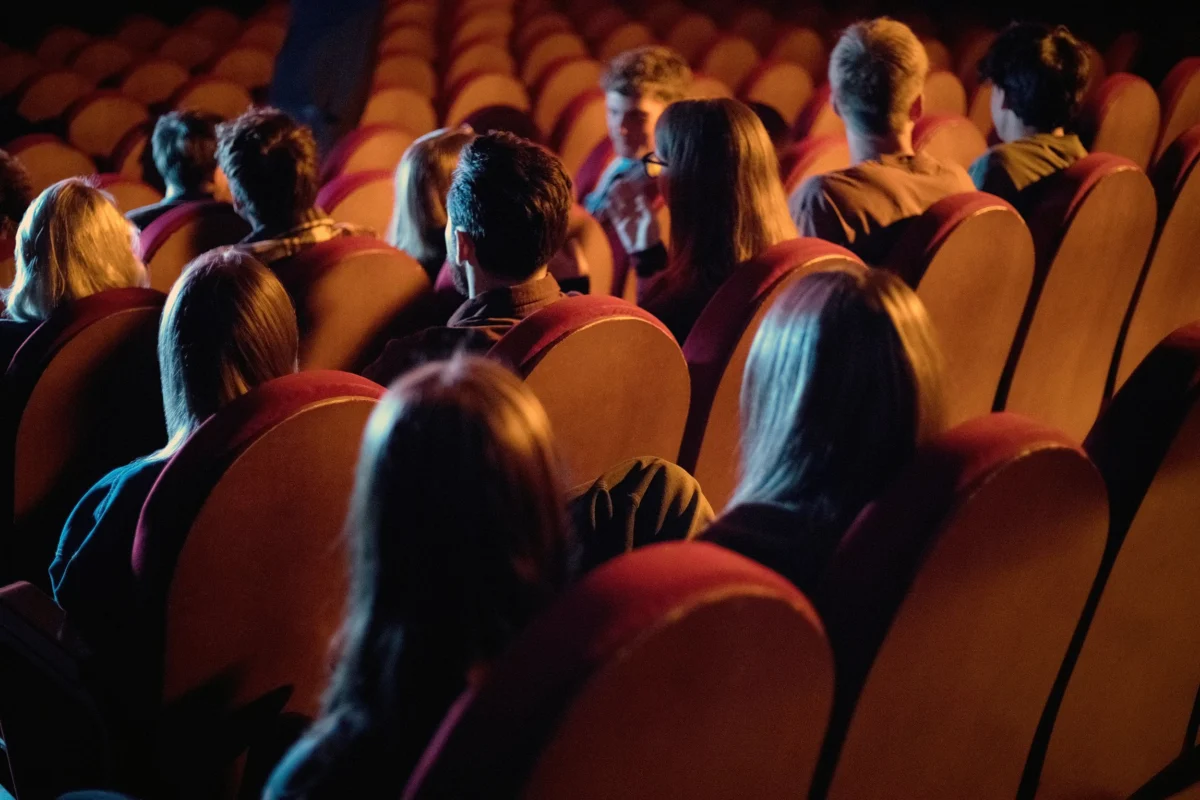
On a recent Saturday in Manhattan, a capacity crowd of over 250 individuals gathered at Film at Lincoln Center for a cinematic engagement that defies contemporary consumption trends: a screening of Béla Tarr’s 1994 masterpiece, Sátántangó. The film, a bleak, monochrome exploration of a failed Hungarian farming collective, demands a continuous commitment of seven and a half hours, or 439 minutes. This screening served as the centerpiece of the "Farewell to Béla Tarr" program, a retrospective honoring the legendary Hungarian director following his retirement from filmmaking and recent commemorative events. Despite the daunting runtime and the "miserabilist" reputation of the work, the event sold out so rapidly that organizers were compelled to schedule additional screenings to meet public demand. The phenomenon highlights a growing counter-cultural interest in "slow cinema" at a time when global attention spans are reportedly in a state of precipitous decline.
Technical Specifications and Narrative Framework
Sátántangó is based on the 1985 novel by László Krasznahorkai and follows the residents of a desolate, rain-slicked agricultural outpost in the wake of the collapse of Communism. The narrative is structured around the return of a charismatic and potentially manipulative figure named Irimiás, whom the villagers had presumed dead. The film’s reputation is built not only on its length but on its formal radicalism. While a standard Hollywood blockbuster features thousands of individual cuts, Sátántangó contains only 171 shots across its entire duration. This results in an average shot length of approximately 2.5 minutes, nearly 60 times the average duration of a shot in modern mainstream cinema.
The film’s aesthetic is defined by long, prowling tracking shots, a haunting score by Mihály Víg, and a commitment to "real-time" depiction. One notable sequence follows a doctor’s laborious process of decanting brandy, while another follows a young girl’s tragic interaction with a cat in a sequence lasting nearly 20 minutes. These segments are designed to force the viewer to confront the passage of time itself, a hallmark of the "slow cinema" movement that includes directors such as Andrei Tarkovsky, Chantal Akerman, and Lav Diaz.
The Attention-Span Crisis: A Statistical Backdrop
The popularity of such a demanding film arrives amidst what sociologists and neurologists describe as a global "attention-span crisis." The screening at Lincoln Center stands in stark contrast to the prevailing digital landscape, where short-form video content—exemplified by platforms like TikTok, Instagram Reels, and YouTube Shorts—has recalibrated human cognitive expectations.
Supporting data underscores the severity of this shift:
- Declining Focus: A study by Microsoft researchers found that the average human attention span has dropped from 12 seconds in 2000 to approximately eight seconds in recent years, a figure frequently cited in discussions regarding digital "brain rot."
- Academic Observations: Film professors at major institutions, including Marymount Manhattan College, have reported that post-pandemic students struggle to remain engaged with standard 90-minute feature films without the distraction of secondary screens.
- Social Media Litigation: The legal landscape is also shifting; several jurisdictions have seen parents successfully sue social media giants, alleging that algorithmic "infinite scrolls" are designed to be intentionally addictive, thereby eroding the capacity for sustained concentration in minors.
- Mainstream Media Adaptation: Industry insiders suggest that streaming services like Netflix have begun mandating "recap" dialogue within episodes to accommodate "second-screen" viewers who are likely to miss plot points while checking mobile devices.
Chronology of the Marathon Screening
The Lincoln Center event was structured to facilitate the endurance required for a 439-minute viewing. The day was divided into three distinct segments, separated by two short intermissions, mirroring the original theatrical presentation of the film in 1994.
- The Morning Session (Chapters 1–3): The audience was introduced to the bleak environment of the collective. Initial reactions were characterized by a period of adjustment as viewers acclimated to the film’s glacial pace and lack of traditional exposition.
- The Afternoon Session (Chapters 4–6): This period included the film’s most challenging sequences, including the controversial and emotionally taxing segment involving the character Estike. It was during this phase that the "meditative" or "trance-like" state, often cited by Tarr’s admirers, began to take hold of the room.
- The Evening Session (Chapters 7–12): The final three hours saw the culmination of the Irimiás plotline. Observers noted that despite the physical toll of sitting for over seven hours, the audience remained largely "rapt," with minimal departures or phone usage.
Perspectives from Curators and Academics
The success of the screening has sparked a dialogue among film historians and programmers regarding the role of the cinema as a "sacred space" for focus. Tyler Wilson, a programmer at Film at Lincoln Center, noted that the event represented a form of "shared discipline." According to Wilson, the theater provides an environment where the social contract prevents the "mindless swiping" common in domestic viewing settings. "We’ve weakened the muscle of sustained attention," Wilson stated, suggesting that films like Sátántangó offer a necessary "workout" for the cognitive faculties.
Lexi Turner, who teaches seminars on slow cinema at Marymount Manhattan College, emphasizes that the genre is not merely about "boredom" but about "contemplation and dignity." Turner argues that by forcing the viewer to watch a character walk across a muddy field for several minutes, Tarr is asserting that the mundane experiences of the working class are worthy of artistic consideration. This "demand of patience" acts as a radical rejection of the "zippy" editing and constant stimulation that define 21st-century media.
Audience Reaction and the "Experiential" Shift
Interviews with attendees, such as 31-year-old Justin Benz, suggest that for many, the appeal of Sátántangó lies in its "experiential" nature. Viewing the film is described not as a passive act of entertainment but as a physical and psychological feat. Benz noted that the collective silence of the theater created a heightened sensitivity to minor sensory details—the sound of rain on a jacket, the texture of the film grain, or the rhythmic breathing of a character on screen.
Furthermore, the demographic of the audience skewed surprisingly young. The presence of Gen Z and Millennial viewers suggests a burgeoning "attention resistance" movement. This aligns with recent cultural trends such as "rawdogging"—a viral term for enduring long flights or waits without any digital entertainment—and the resurgence of interest in long-form literature and analog hobbies. For these viewers, a 7.5-hour movie is not a chore but a "challenge" to be conquered, a way to reclaim cognitive autonomy from the "attention economy."
Broader Cultural Implications and Analysis
The enduring relevance of Béla Tarr’s work, decades after its release, points to a potential fracture in the entertainment market. While the majority of the industry continues to pivot toward shorter, more "snackable" content, there is a clear and underserved demand for "radical" long-form art. This "slow movement"—which has parallels in the "slow food" and "slow fashion" industries—suggests that a segment of the population is actively seeking out experiences that cannot be replicated on a smartphone.
From a journalistic perspective, the Sátántangó phenomenon suggests several key implications:
- The Theater as a Sanctuary: As domestic distractions increase, the physical movie theater may find a new niche as a "distraction-free zone," marketing its inability to be "paused" or "scrolled" as a premium feature.
- The "Merit Badge" of Cinephilia: Watching a marathon film has become a form of cultural capital. In an era where "everything is available," the act of dedicating an entire day to a single work of art serves as a powerful statement of intent.
- Cognitive Re-training: There is an emerging belief that engaging with slow cinema can act as a therapeutic counterweight to the fragmented nature of digital life, helping viewers "re-train" their brains for deep focus.
Conclusion
The sell-out crowds for Sátántangó at Film at Lincoln Center demonstrate that the "attention-span crisis" may not be an irreversible decline but rather a shift in how and where people choose to exert their focus. When provided with a work of sufficient depth and a dedicated environment, audiences remain willing to engage with complex, difficult, and extraordinarily long narratives. As Béla Tarr himself once suggested, his films are not about "stories" but about "life" and "time." In the modern era, time has become the most precious commodity, and for 250 people in Manhattan, spending 15 "Roseannes" worth of it on a single Hungarian masterpiece was a trade worth making. The success of the "Farewell to Béla Tarr" program serves as a reminder that while the world may be moving faster, the human capacity for stillness remains a potent and resilient force.