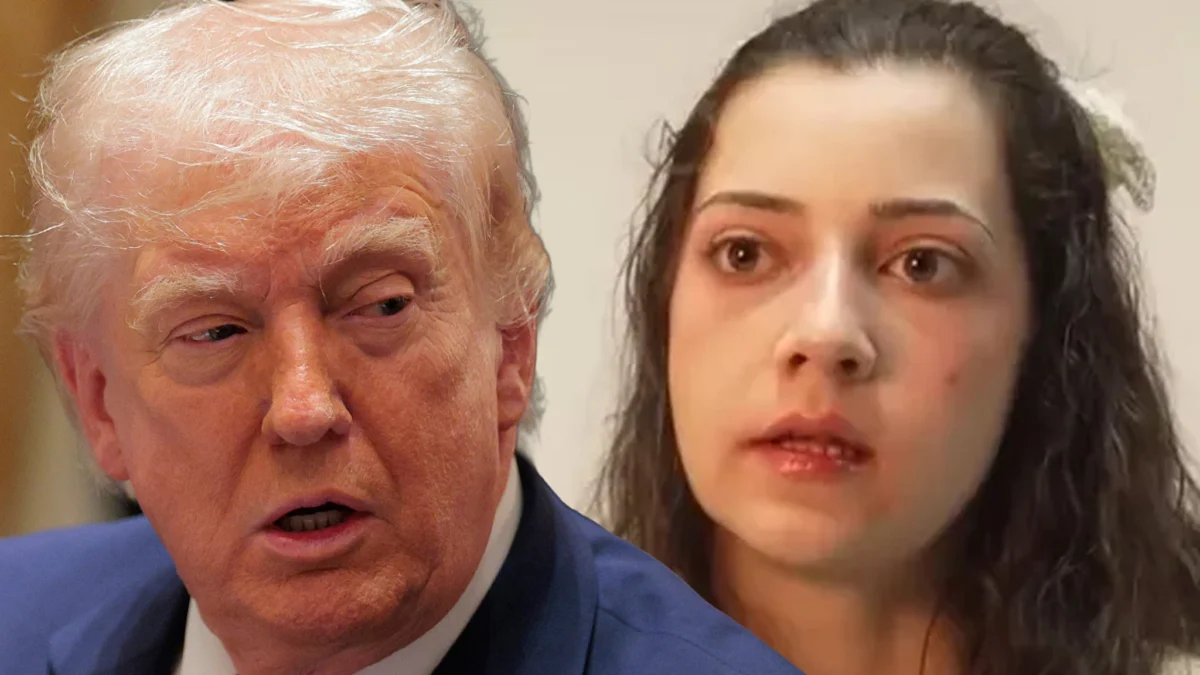
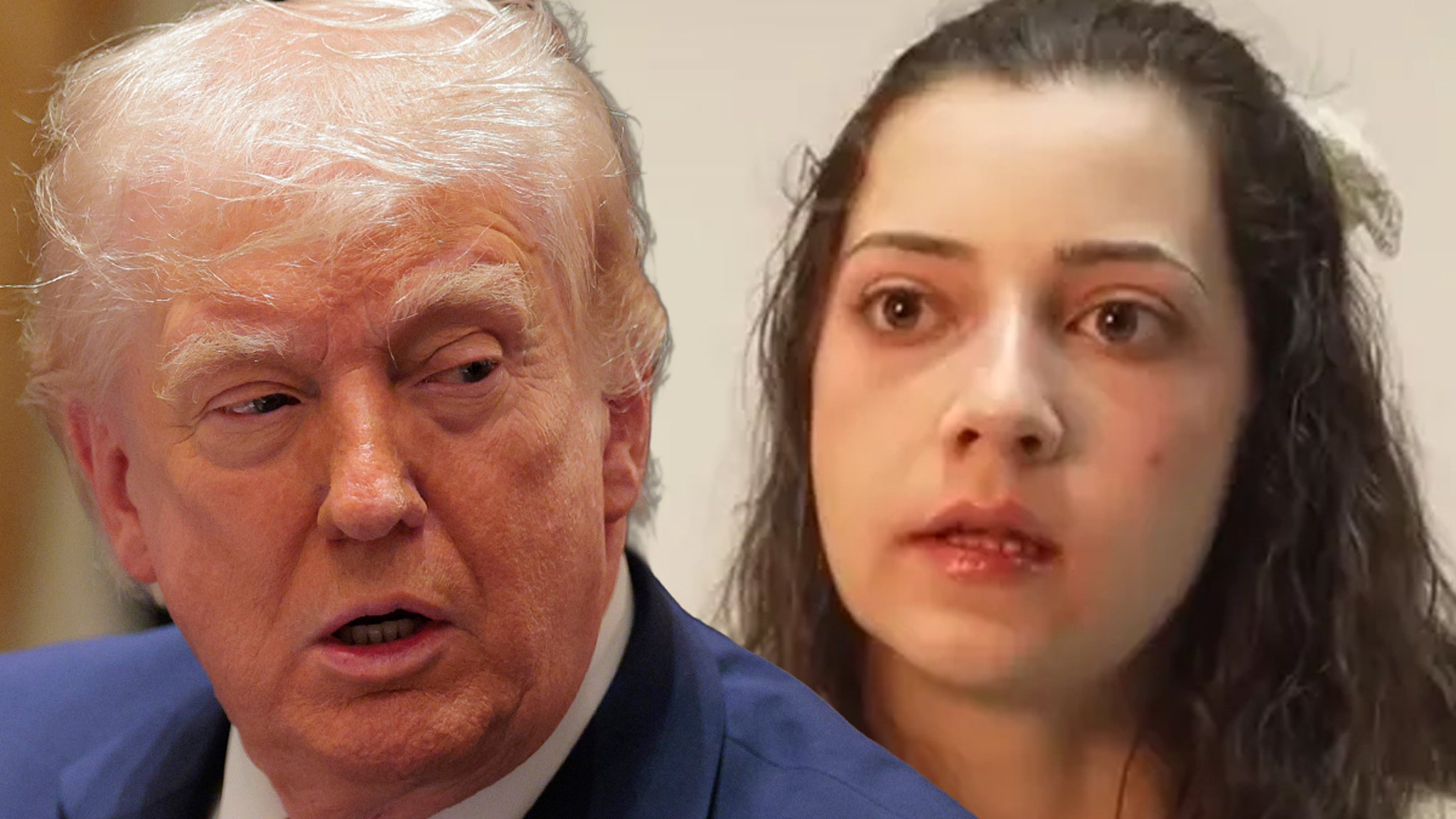
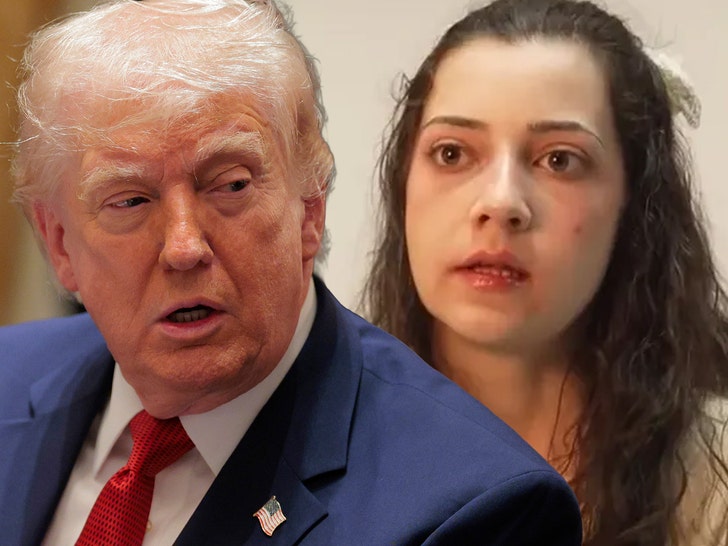
The Trump administration has launched an official inquiry into the voluntary euthanasia of Noelia Castillo Ramos, a 25-year-old Spanish woman whose tragic case has ignited both a domestic debate in Spain and an international diplomatic incident. The United States State Department has reportedly instructed its Embassy in Madrid to open a probe into the circumstances surrounding Castillo Ramos’s death earlier this month, citing "serious concerns" over "many systemic human rights failures" within Spain, particularly regarding its handling of sexual assault cases. This move escalates an already emotionally charged situation, drawing international scrutiny to Spain’s recently enacted euthanasia law and its broader justice system.
A Tragic Choice: The Case of Noelia Castillo Ramos
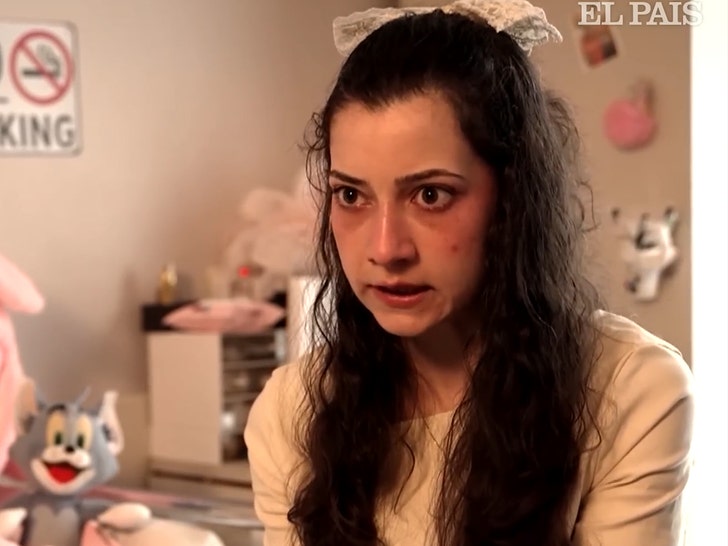
Noelia Castillo Ramos’s decision to undergo medically assisted suicide on March 15, 2026, followed years of profound suffering. Her ordeal began with an alleged sexual assault, which, according to reports, led to a desperate suicide attempt. In a tragic turn of events, Castillo Ramos reportedly jumped from a fifth-floor building, surviving the fall but sustaining injuries that left her paralyzed and in chronic, debilitating pain. For a person of such a young age, the prospect of a life marked by constant physical agony and severe mobility limitations, compounded by the trauma of sexual assault, proved unbearable. Her case quickly became a focal point in Spain, highlighting the complex interplay of mental health, trauma, disability, and end-of-life choices.
The path to voluntary euthanasia in Spain, legalized in March 2021, is stringent, requiring repeated requests, confirmation of an incurable condition causing "intolerable suffering," and approval from multiple medical and legal committees. Castillo Ramos reportedly navigated this process, indicating a considered and deliberate decision. However, her father made a last-minute attempt to halt the procedure, filing a legal request to prevent the medically assisted suicide. This plea was ultimately rejected by a Spanish judge, allowing the euthanasia to proceed as planned. This parental intervention underscores the profound emotional and ethical dilemmas inherent in end-of-life decisions, particularly when family members disagree with a patient’s choice.
Spain’s Euthanasia Law: A Legal and Ethical Landscape
Spain became the seventh country globally to legalize euthanasia and assisted suicide, joining nations like the Netherlands, Belgium, Luxembourg, Canada, New Zealand, and Colombia. The law, formally known as the Organic Law for the Regulation of Euthanasia, allows adults with "serious and incurable diseases" or "serious, chronic, and incapacitating conditions" that cause "intolerable suffering" to request medical aid in dying. Key provisions include:
- Repeated Requests: The patient must make two written requests, at least 15 days apart, to end their life.
- Medical Assessment: Two doctors must independently assess the patient’s condition and capacity to make the decision.
- Review Committee: A regional committee, composed of medical and legal experts, must approve the request.
- Informed Consent: The patient must be fully informed about their medical condition, prognosis, and alternative palliative care options.
- Conscientious Objection: Medical professionals have the right to refuse participation in the procedure on grounds of conscientious objection.
The law aims to provide a dignified end for individuals experiencing extreme and untreatable suffering, emphasizing patient autonomy. However, its implementation has sparked considerable debate within Spain, particularly from conservative groups, religious organizations, and disability advocates who argue for enhanced palliative care options and question the moral implications of state-sanctioned end-of-life procedures. Castillo Ramos’s case, with its layers of past trauma and the reported parental objection, brought these debates into sharp public focus.
The Trump Administration’s Diplomatic Intervention
The intervention by the Trump administration through the U.S. State Department marks a significant diplomatic development. According to reports from The New York Post, a leaked cable instructed the U.S. Embassy in Madrid to initiate a probe, signaling that Washington harbors "serious concerns" over "many systemic human rights failures" in Spain. This broad accusation reportedly encompasses two main areas:
- Handling of Sexual Assaults: The administration reportedly intends to scrutinize how Spanish law enforcement investigates and prosecutes sexual assault cases. The context here is Noelia Castillo Ramos’s alleged sexual assault, which preceded her initial suicide attempt and subsequent paralysis. The implication is that systemic deficiencies in Spain’s justice system regarding such sensitive crimes may have contributed to her despair and ultimate decision. This aspect of the probe suggests a focus on victim support, investigative thoroughness, and judicial outcomes in sexual violence cases.
- Circumstances of Euthanasia: More specifically concerning Castillo Ramos’s death, the State Department reportedly claims she voiced concerns about proceeding with the euthanasia procedure in her final hours, and these concerns were allegedly "ignored." This assertion, if substantiated, would raise profound questions about the integrity of the Spanish euthanasia protocol, particularly the critical aspect of informed and continuous consent. The Spanish law explicitly requires that patients be fully aware and voluntarily consenting up to the moment of the procedure. Any alleged deviation from this standard would constitute a grave breach of human rights and medical ethics.
The decision by a U.S. administration to formally probe the internal legal and medical practices of an allied nation, especially concerning a highly sensitive issue like euthanasia, is unusual and could strain diplomatic relations. While the U.S. regularly issues human rights reports on various countries, a direct, targeted probe into an individual case within a democratic ally’s sovereign jurisdiction is a more assertive form of engagement. It implies a perceived failure so significant that it warrants direct diplomatic pressure.
Broader Implications and International Human Rights Framework
The U.S. has a long-standing policy of advocating for human rights globally, often using its diplomatic leverage to address concerns in other nations. However, the U.S. itself does not have a federal law permitting voluntary euthanasia or medically assisted suicide. While some U.S. states have legalized physician-assisted dying (e.g., Oregon, Washington, California), the practice remains contentious at a national level. This disparity could complicate the U.S.’s moral authority in critiquing Spain’s euthanasia framework, although the probe’s focus on alleged procedural failures and human rights violations within the existing Spanish legal system provides a specific diplomatic angle.
The State Department’s framing of the issue as "systemic human rights failures" suggests a broader concern beyond just Castillo Ramos’s individual case. It could imply that the U.S. believes Spain’s systems for protecting vulnerable individuals, particularly victims of sexual violence, are inadequate, and that its euthanasia protocols may not sufficiently safeguard against coercion or unaddressed last-minute reservations. Such an accusation could potentially lead to calls for international bodies, such as the United Nations Human Rights Council, to examine Spain’s compliance with international human rights standards.
Public and Celebrity Reactions
Prior to the Trump administration’s official probe, Noelia Castillo Ramos’s case had already garnered significant international attention, particularly from prominent public figures. Social media platforms became arenas for impassioned debate, with many weighing in on the ethical, moral, and legal dimensions of her death.
Notable figures such as tech mogul Elon Musk, actor Kevin Sorbo, and influencer Tristan Tate publicly "slammed Spain" over Castillo Ramos’s death. While the specifics of their criticisms varied, their collective outrage underscored a prevalent sentiment among certain segments of the global public that Spain’s euthanasia law, or its application in this particular instance, was problematic. These reactions often centered on arguments about the sanctity of life, the availability of alternative care, and the potential for vulnerable individuals to be pressured or not adequately supported in their darkest moments. Their vocal opposition helped amplify the story beyond Spain’s borders, contributing to the international pressure now being exerted by the U.S. administration.
These celebrity interventions, while not official diplomatic statements, reflect a growing global discourse around end-of-life ethics, particularly when intertwined with issues of trauma, mental health, and the role of the state. Their influence often shapes public opinion and can, in turn, exert indirect pressure on governments and international bodies.
The Road Ahead: Investigations and Diplomatic Fallout
The U.S. Embassy in Madrid will now embark on its investigative mission, likely engaging with Spanish government officials, medical professionals involved in the case, legal experts, and potentially even Castillo Ramos’s family, if permitted. The findings of this probe, whether made public or communicated privately through diplomatic channels, could have several ramifications:
- Bilateral Relations: Depending on the findings and Spain’s cooperation, U.S.-Spanish relations could face strain. Spain, as a sovereign nation, may view the probe as an unwarranted interference in its internal affairs.
- Internal Scrutiny in Spain: Even without direct U.S. pressure, the international attention and the specific allegations raised by the State Department could prompt Spain to conduct its own internal reviews of its euthanasia protocols and sexual assault handling procedures.
- Human Rights Dialogue: The case could become a focal point in broader international human rights discussions, influencing how other nations approach similar legislative and ethical dilemmas.
- Precedent Setting: The U.S. administration’s willingness to intervene in a specific euthanasia case could set a precedent for future engagements concerning end-of-life care in other countries.
The tragic death of Noelia Castillo Ramos has transcended a personal tragedy to become a complex international incident, intertwining deeply personal choices with national legal frameworks, medical ethics, human rights concerns, and the intricate dynamics of international diplomacy. The Trump administration’s probe ensures that the global spotlight will remain firmly fixed on Spain’s legal and ethical landscape, demanding answers and potentially shaping future policy debates on these profoundly sensitive issues worldwide.
If you or someone you know is struggling or in crisis, help is available. Call or text 988 or chat 988lifeline.org.