


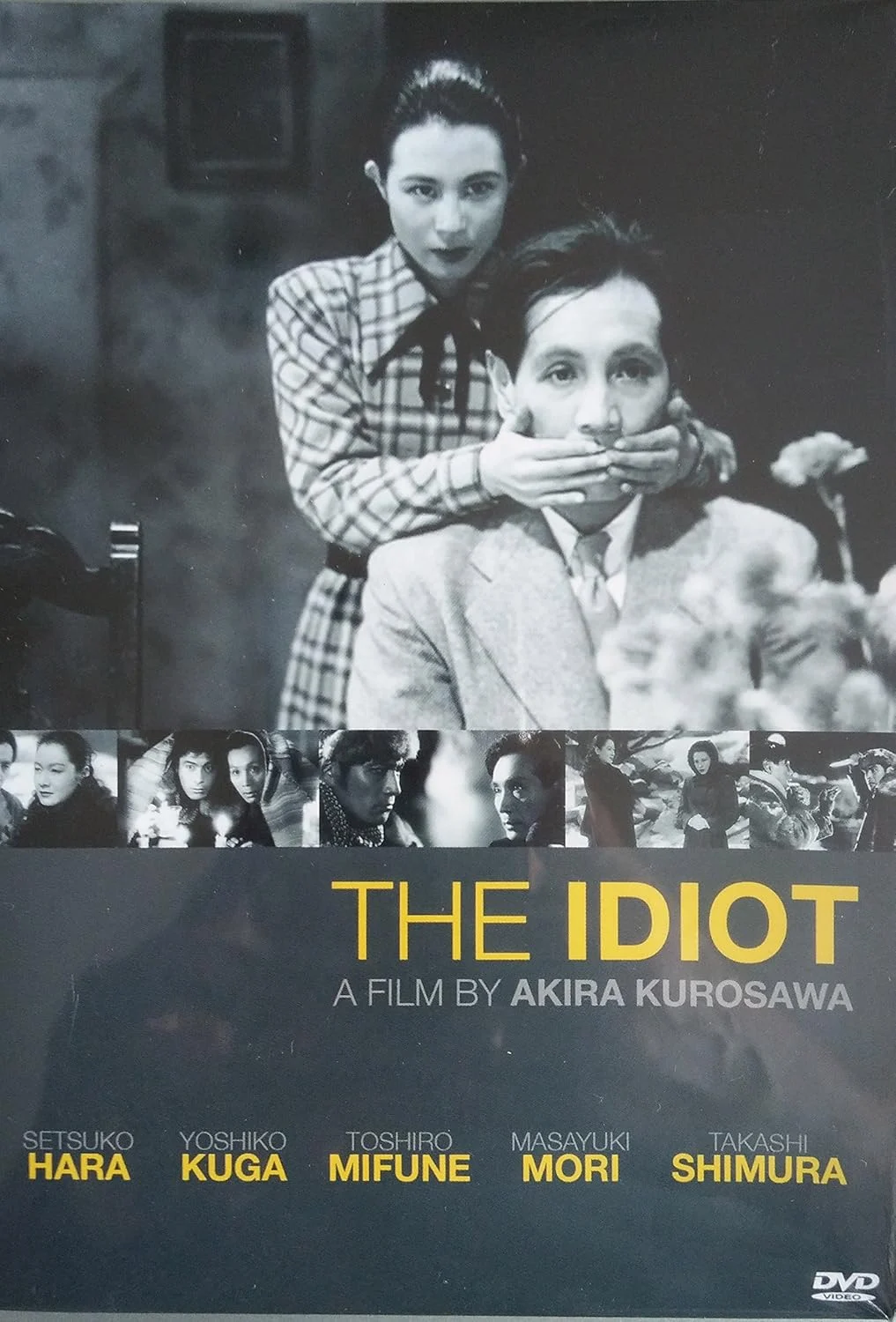
Akira Kurosawa’s 1951 cinematic adaptation of Fyodor Dostoevsky’s monumental novel, The Idiot, stands as a unique entry in the celebrated director’s filmography. While Kurosawa would later achieve global acclaim for his samurai epics and his innovative narrative structures, The Idiot represents a deeply personal, albeit challenging, endeavor to translate the profound psychological and philosophical depths of Russian literature to the screen. This adaptation, Kurosawa’s second for the Shochiku Company, followed his critically successful Scandal (1950), which was based on real-life events. However, The Idiot drew its inspiration from a far more introspective and literary source, a testament to Kurosawa’s lifelong admiration for Dostoevsky, whom he considered his favorite author and the most honest chronicler of the human condition.
Kurosawa’s profound connection to Dostoevsky’s work predates his filmmaking career. In a revealing interview conducted for the "Masters of Cinema" DVD series years later, he confessed, "I wanted to make The Idiot long before Rashomon. Since I was little I’ve liked Russian literature, but I find that I like Dostoevsky the best and had long thought that this book would make a wonderful film. He is still my favourite author, and he is the one who writes most honestly about human existence." This deep-seated ambition, however, resulted in The Idiot being his sole cinematic engagement with the works of the Russian literary titan. The film’s genesis was rooted in Kurosawa’s desire to explore Dostoevsky’s complex portrayal of innocence and goodness within a morally compromised world, a theme that resonated deeply with the director.
The Genesis of a Vision: Kurosawa’s Artistic Journey
The decision to adapt The Idiot was not a casual one. Kurosawa’s early career at Shochiku was marked by a series of films that demonstrated his burgeoning directorial prowess, often drawing from contemporary Japanese life and literary sources. Scandal, his debut for the studio, was a stark, realistic drama that tackled the sensationalism of celebrity culture and its devastating impact on individuals, proving Kurosawa’s ability to craft compelling narratives from topical events. Following this success, the director turned his attention to a more ambitious literary undertaking. The Idiot, published in 1869, presented a formidable challenge due to its intricate character studies, sprawling plot, and profound exploration of themes such as faith, sin, love, and redemption.
Kurosawa’s fascination with Dostoevsky stemmed from a shared interest in the darker, more complex aspects of human psychology and societal hypocrisy. Dostoevsky’s novels, including Crime and Punishment, The Brothers Karamazov, and Notes from Underground, are renowned for their unflinching examinations of the human soul, often through characters grappling with moral dilemmas and existential crises. For Kurosawa, The Idiot, with its titular character Prince Myshkin, a man of Christ-like purity and profound empathy, offered a fertile ground for cinematic exploration. The novel’s central premise—the "positively good man" attempting to navigate a corrupt and self-serving society—posed a question that Kurosawa evidently felt compelled to answer visually.
Cinematic Translation: Setting and Adaptation Choices
Kurosawa’s adaptation of The Idiot involved significant departures from Dostoevsky’s original setting. The novel, steeped in the social and political milieu of 19th-century St. Petersburg, was transposed to post-World War II Japan. The bleak, snow-laden landscapes of Hokkaido replaced the bustling, often suffocating, urban environment of the Russian capital. This geographical and temporal shift was not merely cosmetic; it served to amplify the film’s central themes and Kurosawa’s specific interpretation of Dostoevsky’s message.
The protagonist, Kinji Kameda, portrayed by Masayuki Mori, is a war veteran who has endured a near-fatal encounter with a firing squad. This traumatic experience leaves him with a profound mental breakdown, mirroring Prince Myshkin’s epilepsy and his perceived "idiocy" in the novel. Kameda’s journey to Hokkaido is an exile, both literal and metaphorical, as he seeks solace and a sense of belonging in a nation grappling with the aftermath of devastating conflict and societal upheaval. The snowy, isolated setting of Hokkaido provides a stark, unwelcoming backdrop that underscores Kameda’s internal and external struggles. The cold, both literal and figurative, permeates the film, reflecting the harsh realities of post-war Japan and the morally compromised society Kameda encounters.
While the film deviates from the source material in its setting and some narrative details, Kurosawa remained committed to the novel’s core thematic concern: the collision of profound innocence with a society driven by greed, self-interest, and moral ambiguity. The film explicitly states its intent through an opening inter "Dostoevsky wanted to portray a genuinely good man. It may seem ironic, choosing a young idiot as his hero, but in this world, goodness and idiocy are often equated." This declaration sets the stage for the film’s central conflict, positioning Kameda as an anomaly in a world that struggles to comprehend or accommodate genuine altruism.
Thematic Resonance and Narrative Structure
The Idiot explores the challenging consequences of placing an individual with an unblemished moral compass at the heart of a society that operates on different principles. Kameda, despite his apparent mental fragility, possesses a deep well of empathy and a genuine desire to connect with others. However, his inability or unwillingness to engage in the calculated machinations of the people around him leads to his ostracization and the tragic unraveling of relationships.
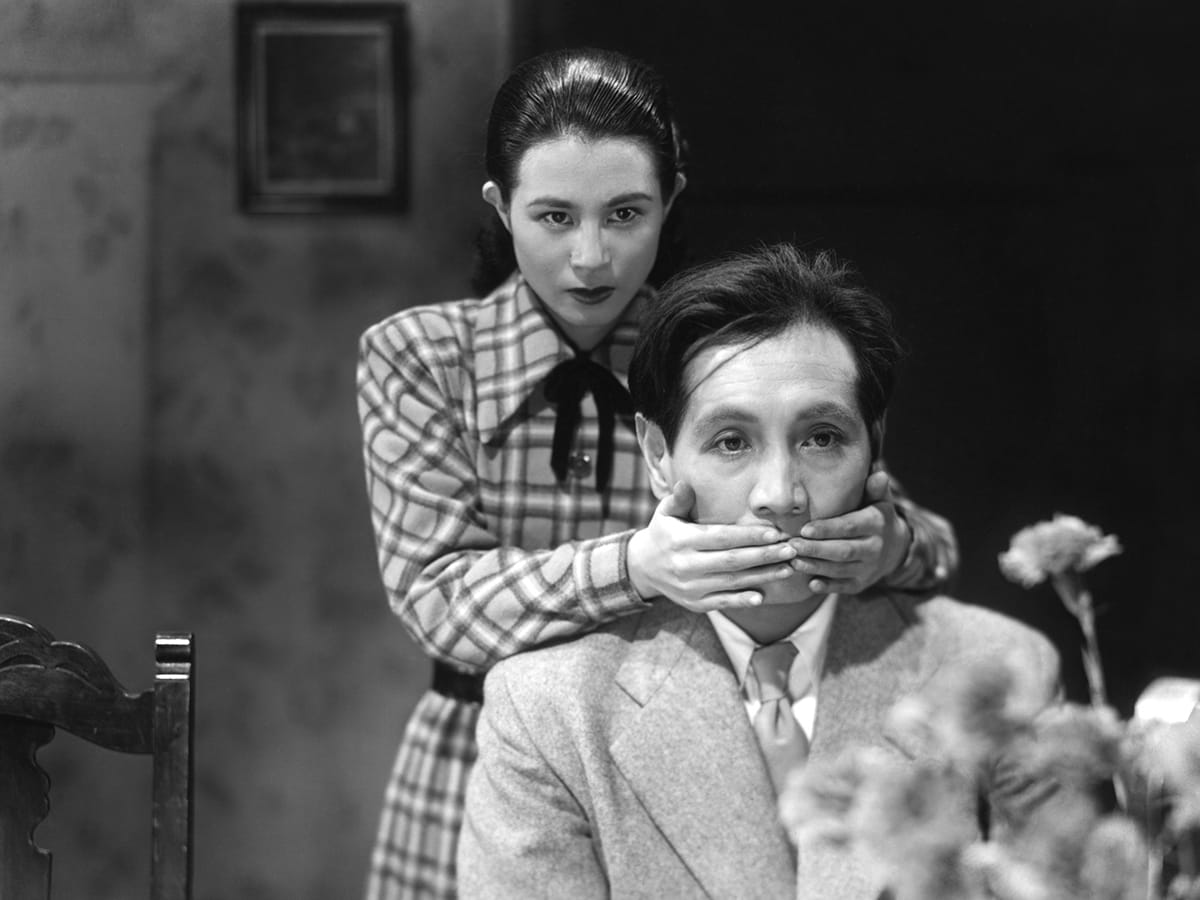
The film grapples with the concept of "idiocy" not as a literal intellectual deficiency, but as a social construct. In Kurosawa’s interpretation, Kameda is considered an "idiot" precisely because he does not conform to the prevailing societal logic, which values pragmatism, material gain, and often, a degree of cynicism. His inherent goodness, his naivety, and his inability to participate in the world’s deceptions render him vulnerable and misunderstood. This central theme is reiterated throughout the narrative, prompting the audience to question who the "real idiot" is: the protagonist who embodies selfless virtue, or the society that fails to recognize or appreciate it.
While this persistent exploration of the theme is central to Dostoevsky’s novel, Kurosawa’s cinematic approach sometimes leads to a sense of monotony. The film establishes its core ideas early on, and subsequent events, while driven by character interactions, often feel like variations on the same thematic point. This can test the viewer’s patience, particularly in the film’s extended running time. The question of "who is the real idiot?" is posed in various scenarios, but the underlying message remains consistent, leading to a narrative that, at times, feels less about evolving plot and more about reinforcing a singular, albeit profound, idea.
Visual Aesthetics and Performances
One of the undeniable strengths of Kurosawa’s The Idiot lies in its striking visual presentation. Cinematographer Toshio Ubukata masterfully utilizes the bleak Hokkaido landscape to create an atmosphere that is both visually arresting and thematically resonant. The stark, black-and-white imagery captures the cold, unwelcoming reality of the setting, both literally and figuratively. The expansive, desolate vistas serve as a powerful visual metaphor for Kameda’s isolation and the emotional barrenness of the society he inhabits. The cinematography is not merely observational; it is expressive, carefully composed to reflect the psychological states of the characters and the oppressive mood of the narrative.
Against this somber canvas, the actors deliver performances that are often described as theatrical, yet compelling. Masayuki Mori embodies Kinji Kameda with a quiet intensity, conveying the character’s vulnerability, his inherent goodness, and his profound inner turmoil without resorting to overt melodrama. He effectively portrays a man out of sync with his surroundings, a gentle soul adrift in a harsh world.
The film also features two of the most significant actors of Japanese cinema in memorable supporting roles: Toshiro Mifune and Setsuko Hara. Mifune, known for his dynamic and often volatile portrayals, plays Denkichi Akama, a character whose emotional intensity adds a significant layer of complexity to the narrative. Setsuko Hara, revered for her grace and subtle emotional depth, portrays Taeko Nasu, a woman entangled in a complex web of relationships and desires. The romantic entanglement between Akama and Nasu, and their interactions with Kameda, inject a much-needed dynamism and unpredictability into the film, offering glimpses of passion and conflict amidst the prevailing somberness. Their performances, while perhaps more conventional in their emotional expression compared to Mori’s understated portrayal, provide crucial counterpoints and drive significant plot developments.
Critical Reception and Lasting Legacy
Despite Kurosawa’s deep admiration for Dostoevsky and his evident dedication to capturing the essence of the novel, The Idiot did not achieve the same critical or commercial success as many of his other films. The director himself acknowledged a potential lack of perspective during the shooting process, perhaps a consequence of his intense personal investment. The film’s length, a common criticism, also contributed to its reception. Originally envisioned as a considerably longer film, with reports suggesting a version running as long as 265 minutes, the studio significantly cut the runtime for its theatrical release. The single screening of the full version remains a point of interest for cinephiles, with speculation about what Kurosawa’s uncompromised vision might have entailed.
Even in its shortened form, The Idiot can feel overlong, with its narrative pacing sometimes struggling to sustain the viewer’s engagement over its duration. The film’s deliberate, contemplative style, while consistent with its thematic concerns, can be challenging for audiences accustomed to more propulsive storytelling. However, for those willing to immerse themselves in its deliberate rhythm and profound thematic exploration, The Idiot offers a unique cinematic experience.
The film’s enduring legacy lies not in its mainstream popularity, but in its status as a significant artistic statement by one of cinema’s greatest directors. It represents Kurosawa’s bold attempt to grapple with complex literary material and explore universal themes of human nature, morality, and the search for meaning. While The Idiot may not be the most accessible of Kurosawa’s films, its visual artistry, powerful performances, and unwavering commitment to its challenging subject matter secure its place as a notable, if somewhat divisive, masterpiece. It stands as a testament to Kurosawa’s artistic ambition and his profound respect for the literary giants who shaped his worldview, offering a poignant cinematic interpretation of Dostoevsky’s enduring exploration of the human heart. The film continues to be studied and appreciated by scholars and cinephiles for its unique artistic vision and its brave engagement with a literary classic.