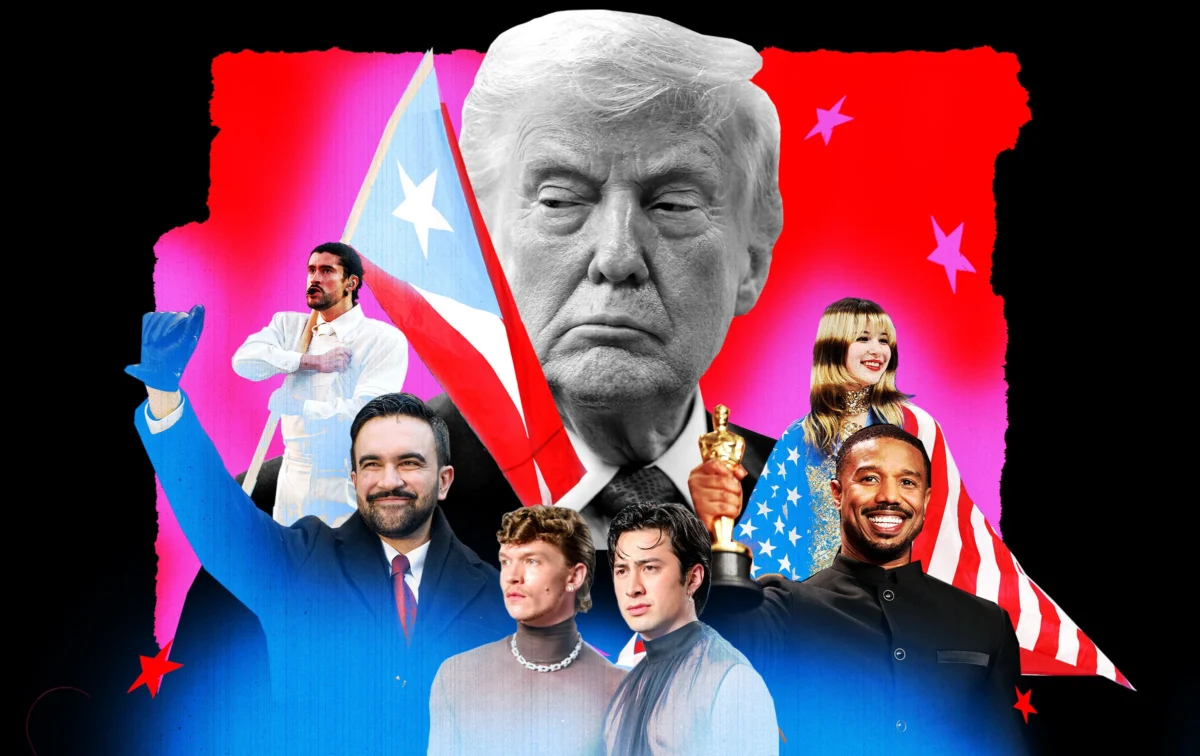
The 2024 United States presidential election, culminating in the victory of Donald Trump, was framed by his supporters as more than a political transition; it was heralded as a definitive cultural purge. For the MAGA movement, the electoral results signaled the final collapse of "woke" ideology, a term that had become the central antagonist in the American cultural narrative. However, as the new administration begins to implement its policy agenda—ranging from mass deportations to radical shifts in geopolitical strategy—a counter-phenomenon is emerging. Termed "Woke 2" by activists, commentators, and social media theorists, this nascent movement represents a strategic and often more aggressive evolution of social justice advocacy, arising from the perceived ashes of its predecessor.
The Linguistic Evolution: From AAVE to Political Weapon
To understand the emergence of Woke 2, one must analyze the original term’s trajectory. "Woke" originated within African-American Vernacular English (AAVE) as early as the 1930s, notably appearing in Lead Belly’s lyrics as a warning to stay "woke" to the dangers of racial prejudice in the Jim Crow South. By the mid-2010s, following the Ferguson protests and the rise of the Black Lives Matter movement, the term transitioned into the mainstream, denoting an active awareness of systemic injustice and social inequities.
However, between 2020 and 2024, the term underwent a radical semantic shift. It was co-opted by right-wing strategists who stripped it of its specific social justice context, transforming it into a pejorative catch-all for any progressive policy or cultural shift involving race, gender, or sexuality. By the time of the 2024 election, "anti-woke" rhetoric had become a cornerstone of the Republican platform, utilized to mobilize a base that felt alienated by rapidly changing social norms.
The 2024 Mandate and the "New Dawn" of Unfiltered Speech
The immediate aftermath of the 2024 election saw a triumphalist shift in public discourse among the victors. The prevailing sentiment among the Trump coalition was that the "fear of cancellation" had been permanently lifted. This sentiment was echoed in financial sectors and social circles alike. A Wall Street banker, speaking to the Financial Times, described the post-election atmosphere as a "new dawn" where individuals felt empowered to use language—including slurs regarding disability and gender—that had previously been marginalized in professional and public spaces.
This shift was not merely rhetorical. It reflected a broader belief that the federal government would no longer prioritize diversity, equity, and inclusion (DEI) initiatives. Early executive actions aimed at dismantling DEI programs in federal agencies and the military served as the legislative manifestation of this "anti-woke" mandate.
The Birth of Woke 2: A Counter-Cultural Response
Despite the declaration of its demise, progressivism did not vanish; instead, it began to reorganize under the banner of "Woke 2." Unlike the first iteration, which was often criticized for performative gestures—such as corporate branding changes or symbolic political acts—Woke 2 is characterized by a more cynical, battle-hardened, and strategically aggressive posture.
The phenomenon gained traction on digital platforms and in grassroots organizing. Analysts point to the "No Kings" protests, which saw millions of participants nationwide, as the first physical manifestation of this resurgence. Data from Gallup and other polling organizations suggest that the "anti-woke" mandate may be narrower than initially thought. Recent surveys indicate that key demographics, including independents, young men, and segments of the working class, have begun to distance themselves from the administration’s more radical cultural policies, creating a vacuum that Woke 2 seeks to fill.
Quantitative Analysis of Cultural Representation and Market Success
While the political landscape remains dominated by the Trump administration, market data suggests that the "woke" cultural appetite remains robust. A 2025 UCLA Hollywood Diversity Report revealed that movies with diverse casts continue to outperform their less diverse counterparts at the box office, suggesting a disconnect between political rhetoric and consumer behavior.
Several cultural artifacts have been cited as evidence of Woke 2’s market dominance:
- Media and Entertainment: The Super Bowl halftime show featuring Bad Bunny, performed almost entirely in Spanish, achieved record-breaking viewership despite organized boycotts from conservative groups.
- Television: Shows like Heated Rivalry, a gay romance set in the world of professional hockey, and The Pitt, a medical drama focused on healthcare inequities, have dominated streaming charts.
- Film: Projects such as Sinners and One Battle After Another, which deal directly with America’s history of racial violence, received both critical acclaim and commercial success, defying the "go broke, stay woke" narrative.
The Material Contradiction: Cultural Gains vs. Political Realities
Despite these cultural successes, the proponents of Woke 2 face a sobering reality. The political apparatus of the United States is currently moving in the opposite direction of their cultural victories. Immigration and Customs Enforcement (ICE) has intensified operations, including high-profile interventions at major airports. Economic reports from organizations like the Economic Policy Institute suggest that current deregulatory trends are widening the wealth gap, pushing vulnerable populations into deeper poverty.
Furthermore, the administration’s foreign policy—most notably the escalation of tensions with Iran—has created a state of global volatility. Edward Ongweso Jr., a researcher with Security in Context and cohost of This Machine Kills, notes that the excitement surrounding Woke 2 can sometimes serve as a psychological coping mechanism. "The reality is, every single day, more and more horrors reveal themselves and we are increasingly powerless to thwart them," Ongweso observed. He argues that while cultural shifts are notable, they do not substitute for the hard work of organizing workplaces and communities.
Strategic Evolution: From Performance to Retribution
A defining characteristic of Woke 2 is its rejection of the "polite" activism of the 2010s. Influencers and activists like Mohammad Abbasi argue that the new movement must be "meaner" to be effective. This involves using the same rhetorical tools—mockery, memes, and social pressure—that the right-wing used to dismantle Woke 1.
Abbasi points to the "retribution" theme of the Trump campaign as a template for the left. When public figures associated with the administration face professional or social setbacks, Woke 2 proponents are quick to celebrate, often using the language of "cancellation" as a weapon of counter-offense. This tactical shift represents a departure from the "when they go low, we go high" philosophy of the Obama era, moving instead toward a model of direct rhetorical combat.
Chronology of the Transition (2024–2025)
- November 2024: Donald Trump wins the presidency; conservative commentators declare the "end of wokeness."
- December 2024: Massive "No Kings" protests are organized via social media in response to proposed executive overreach.
- January 2025: Inauguration Day; the administration announces the dismantling of federal DEI offices.
- February 2025: Bad Bunny’s Super Bowl performance serves as a flashpoint for cultural resistance; Woke 2 begins trending as a concept.
- March 2025: UCLA diversity study confirms that inclusive media remains the most profitable sector of the entertainment industry.
- April 2025: Local elections, such as the mayoral victory of Zohran Mamdani in New York City, signal a shift toward millennial socialist leadership in urban centers.
Broader Impact and Future Implications
The long-term viability of Woke 2 remains a subject of debate among political scientists. June Sternbach, a writer for The Onion and podcast host, suggests that the most effective manifestation of this movement would be a pivot toward strategic, class-based organization. She argues that for Woke 2 to move beyond a "vibe shift" and into a meaningful political force, it must secure federal protections for vulnerable groups, such as transgender rights, and address the underlying economic anxieties that fueled the 2024 results.
The current landscape is one of deep contradiction. While the federal government is controlled by an administration that has built its identity on the destruction of "woke" ideology, the cultural and social momentum of that very ideology appears to be evolving into something more resilient and less prone to corporate co-option.
Ultimately, Woke 2 may be less of a cohesive movement and more of a psychological defensive posture—a way for a marginalized opposition to maintain hope and a sense of agency in a period of significant political loss. Whether this cultural energy can be translated into legislative power in the 2026 midterms or the 2028 general election remains the critical question for the American left. Without control of the Supreme Court, Congress, or the White House, the "thrillingly vivid" promise of Woke 2 remains, for now, a phenomenon of the streets, the screens, and the cultural periphery.