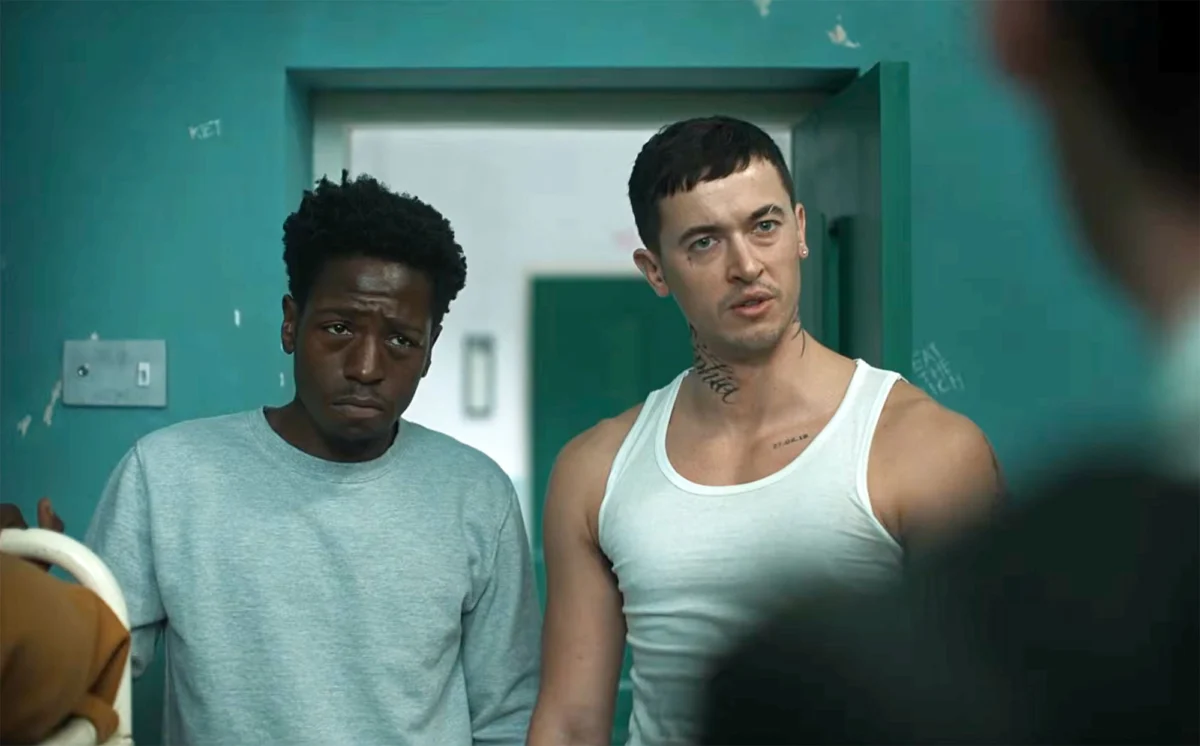
Vertigo Releasing and Sunrise Films have officially unveiled the highly anticipated US trailer for Wasteman, the critically lauded independent prison drama that captivated audiences at the 2025 Toronto International Film Festival (TIFF) and the London Film Festival. This marks a significant step towards its North American debut, slated for April 17, 2026, in select theaters, following its successful premiere in the United Kingdom earlier this year. The film, which has garnered considerable buzz for its intense narrative and exceptional performances from lead actors David Jonsson and Tom Blyth, is positioned as a powerful and intimate exploration of the British penal system.
The Unveiling of the US Trailer and its Narrative Core
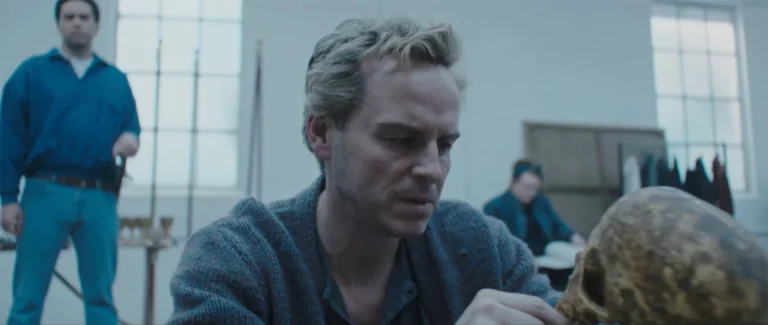
The newly released US trailer, sourced directly from YouTube, provides an unvarnished glimpse into the brutal and claustrophobic world of Wasteman. It immediately establishes a tone of grim realism, characteristic of compelling British thrillers, punctuated by moments of raw human vulnerability. The trailer masterfully introduces Taylor, portrayed by David Jonsson, a convict on the cusp of parole, whose yearning to reconnect with his son is palpable through the poignant line, "I just wanna see my boy again…" This emotional anchor sets the stage for the dramatic conflict that unfolds with the arrival of Dee, played by Tom Blyth, a new, ruthlessly violent cellmate. The visual language of the trailer is stark, utilizing dim lighting and confined spaces to amplify the sense of imprisonment and foreboding. Quick cuts juxtapose moments of camaraderie and growing tension between Taylor and Dee with flashes of brutal violence, hinting at the difficult choices Taylor must face. The escalating stakes are evident as Taylor’s hopes for a fresh start are directly threatened by Dee’s rebellious nature and entanglement in vicious inmate rivalries. The trailer suggests a profound exploration of loyalty, survival, and the corrupting influence of power dynamics within a carceral environment, compelling viewers to question how far one would go to protect their freedom or another. The use of a somber, impactful score further enhances the dramatic weight, promising a film that is not only thrilling but also emotionally resonant.
A Deep Dive into the Synopsis and Thematic Resonance
Wasteman delves into the intricate psychological landscape of its characters, set against the unforgiving backdrop of a UK prison. The narrative meticulously follows Taylor, whose journey toward an early release is meticulously documented. Having spent years incarcerated, missing crucial developmental stages of his son’s life, his impending parole represents a beacon of hope for redemption and paternal reunion. This fragile hope, however, is severely jeopardized by the arrival of Dee. Dee, a character imbued with a volatile spirit and a readiness for confrontation, quickly draws Taylor into a perilous web of inmate feuds. The film’s brilliance lies in its nuanced portrayal of their evolving relationship. Initially, Dee appears to take Taylor "under his wing," a gesture that could be interpreted as protection or manipulation. This ambiguous dynamic forms the crux of the story, testing the boundaries of their bond.
The central dilemma arises following a vicious attack within the prison walls. Taylor is thrust into an impossible situation, forced to choose between safeguarding Dee, with whom he has formed a complex connection, and preserving his own meticulously earned chances for parole. This ethical quandary is the heart of Wasteman, exploring universal themes of morality, self-preservation, and the profound impact of one’s environment on personal choices. The film is not merely a recounting of prison life but a character study that examines how individuals navigate an ecosystem designed to strip them of agency and hope. It probes the concept of justice, both within the formal legal system and the informal codes governing incarcerated populations, and the societal implications of incarceration on families and communities. The raw intensity and claustrophobic atmosphere promised by the narrative aim to immerse the audience in Taylor’s harrowing predicament, making his struggle for freedom and integrity deeply personal and universally relatable.
Cal McMau’s Directorial Debut: A Visionary Filmmaker Emerges

Wasteman marks the feature film debut of director Cal McMau, an artist and graphics designer whose prior work primarily involved video projects. This transition from visual design to feature filmmaking is often challenging, yet McMau’s initial foray has been met with significant critical acclaim, signaling the arrival of a distinctive new voice in cinema. His background in visual arts likely contributes to the film’s striking aesthetic and its effective use of visual storytelling, elements that are crucial in conveying the oppressive atmosphere of a prison setting. Directors with a strong visual arts background often bring a unique perspective to framing, composition, and the overall visual grammar of a film, which can elevate the narrative beyond conventional approaches.
The decision to tackle a brutal British thriller as a debut is ambitious, requiring a keen understanding of character development, pacing, and the ability to elicit powerful performances. McMau’s success in this genre suggests a director with a clear vision and a mature understanding of dramatic tension. The film’s description as an "intense & claustrophobic portrait of a merciless prison eco-system" further underscores McMau’s ability to craft an immersive and authentic experience. For a debut feature to premiere at prestigious festivals like TIFF and LFF and receive such positive early reception is a testament to McMau’s talent and the strength of the material. It positions him as a filmmaker to watch, potentially paving the way for a career marked by thought-provoking and visually compelling narratives. His journey exemplifies the potential for independent cinema to discover and champion new directorial talent, offering fresh perspectives on established genres.
The Powerhouse Performances of David Jonsson and Tom Blyth
A significant factor contributing to Wasteman‘s "breakout indie" status and critical praise is the "two terrific performances" from its lead actors, David Jonsson and Tom Blyth. Both actors are rising stars in the British and international acting landscape, and Wasteman appears poised to further solidify their reputations.
David Jonsson, known for his compelling work, was notably seen in Francis Lawrence’s The Long Walk, a film that also garnered critical attention for its emotional depth. In Wasteman, Jonsson embodies Taylor, a character burdened by the weight of his past and the fragility of his future. His portrayal is tasked with conveying a complex spectrum of emotions: hope, fear, paternal longing, and the internal conflict born from his impossible choices. The early praise suggests Jonsson delivers a performance of profound vulnerability and strength, making Taylor’s struggle relatable and deeply moving. His ability to anchor the film emotionally is crucial, as the audience’s investment in Taylor’s fate drives the narrative.
Tom Blyth, whose star has been steadily ascending, takes on the role of Dee, the new cellmate whose arrival disrupts Taylor’s precarious existence. Blyth’s portrayal of Dee is described as ruthlessly violent and rebellious, a challenging role that requires balancing menace with a nuanced understanding of the character’s motivations within the prison hierarchy. This role likely demands a physicality and intensity that contrasts with Jonsson’s more introspective performance, creating a dynamic and volatile on-screen chemistry. The "standout performances" attributed to both actors indicate a powerful synergy, where their individual talents amplify the dramatic impact of their shared scenes. Their work in Wasteman is not merely about acting but about inhabiting complex characters within a high-stakes environment, demonstrating their range and commitment to their craft. Such strong leading performances are often the bedrock of successful independent films, drawing audiences and critics alike.
A Journey Through Prestigious Film Festivals: From Toronto to London
The trajectory of Wasteman through the international film festival circuit has been a key indicator of its quality and potential impact. Its premiere at the 2025 Toronto International Film Festival (TIFF) immediately positioned it on a global stage. TIFF is renowned as one of the most significant film festivals worldwide, often serving as a launchpad for Oscar contenders and critically acclaimed independent features. A premiere at TIFF, particularly one that garners "acclaimed" status, signals to distributors, critics, and audiences that a film possesses artistic merit and significant storytelling prowess.

Following its successful debut at TIFF, Wasteman also graced the screens of the London Film Festival (LFF) later in 2025. LFF is a prestigious event in the United Kingdom, celebrated for showcasing the best of British and international cinema. Its inclusion and positive reception at LFF further cemented its standing, particularly within its home territory. Playing at these two major festivals within the same year not only validates the film’s artistic achievements but also creates crucial industry buzz, generating reviews, discussions, and a strong foundation for subsequent distribution deals. The festival circuit is a vital ecosystem for independent films, providing platforms for exposure, critical evaluation, and the opportunity to connect with target audiences before a wider commercial release. For Wasteman, this journey through TIFF and LFF was instrumental in establishing its reputation as a "gem" and a "breakout indie."
The Strategic Rollout: UK Success and Anticipated US Release
The distribution strategy for Wasteman reflects the typical journey of many acclaimed independent films, involving staggered releases across different territories. Having already opened in the UK earlier in 2026, the film has had an opportunity to build momentum and critical mass in its home market. This initial UK release provides valuable insights into audience reception and box office performance, which can inform the marketing and release strategies for other regions. The positive reception in the UK likely played a role in Vertigo Releasing and Sunrise Films securing the US distribution rights.
The decision to bring Wasteman to select US theaters starting April 17, 2026, is a strategic move to tap into the American independent cinema market. This market, while niche compared to mainstream blockbusters, is robust and appreciative of high-quality, character-driven dramas, particularly those with a strong festival pedigree. The release in "select US theaters" suggests a targeted approach, likely focusing on major metropolitan areas with a strong arthouse cinema culture and audiences receptive to international films. This approach allows distributors to gauge demand, potentially expanding to more screens if initial performance is strong. For a British indie, a successful US theatrical run can significantly broaden its international appeal, open doors for its cast and crew in Hollywood, and enhance its overall cultural impact. The US release is not just about box office numbers; it’s about extending the film’s reach and solidifying its place within the global cinematic landscape.
The Enduring Allure of British Prison Dramas
Wasteman joins a distinguished lineage of British prison dramas, a subgenre known for its raw authenticity, psychological depth, and unflinching portrayal of life behind bars. The UK has a rich tradition of producing compelling narratives set within correctional facilities, often reflecting societal issues, class struggles, and the human condition under duress. Films like Alan Clarke’s Scum (1979), Starred Up (2013) directed by David Mackenzie, and even elements of television series such as Bad Girls or Porridge have explored various facets of the prison experience, from the brutality of the system to the complex hierarchies among inmates.
These films often resonate deeply with audiences due to their ability to humanize prisoners, challenge preconceived notions, and shed light on the realities of incarceration. They are frequently lauded for their strong performances, gritty realism, and capacity to provoke thought about justice, rehabilitation, and the societal cost of imprisonment. Wasteman‘s description as an "intense & claustrophobic portrait of a merciless prison eco-system" aligns perfectly with this tradition. By contributing to this established genre, McMau’s debut is not just a standalone film but part of a larger cinematic conversation that continually examines the moral and ethical complexities of confinement. The genre provides a powerful lens through which to explore themes of power, survival, loyalty, and the quest for redemption, making Wasteman a timely addition to this enduring and impactful cinematic tradition. Its success at festivals and its impending US release indicate a continued appetite for these challenging and thought-provoking narratives.
The Creative Minds Behind the Script and Production

Beyond the director and lead actors, the success of Wasteman is also attributed to the collaborative efforts of its creative team, particularly screenwriters Hunter Andrews and Eoin Doran, and producers Sophia Gibber and Myles Payne. The strength of any film, especially a character-driven drama like Wasteman, lies fundamentally in its script. Andrews and Doran are responsible for crafting the intricate plot, the nuanced character arcs of Taylor and Dee, and the compelling dialogue that brings the prison world to life. The early praise for the film’s intensity and emotional depth suggests that the screenplay provides a robust foundation for the performances and directorial vision. Writing a prison drama requires meticulous research into the realities of prison life, an understanding of psychological dynamics under extreme pressure, and the ability to build suspense and moral dilemmas effectively.
Producers Sophia Gibber and Myles Payne played a crucial role in bringing McMau’s vision to fruition. In independent cinema, producers are often the driving force, responsible for securing financing, managing logistics, assembling the crew, and navigating the complex challenges of production, especially for a debut feature set in a demanding environment. Their ability to successfully shepherd Wasteman from script to screen, and through the rigorous festival circuit, speaks to their dedication and expertise. The collaboration between writers, producers, director, and cast is paramount in independent filmmaking, where resources are often limited, and every decision holds significant weight. The collective talent of this team is evident in the polished quality and critical reception of Wasteman, highlighting the collaborative nature of cinematic artistry.
Anticipation and Broader Implications for Independent Cinema
As Wasteman prepares for its US theatrical release on April 17, 2026, anticipation within the independent film community is palpable. The film represents a significant moment for its director, Cal McMau, whose acclaimed debut signals a promising career. For David Jonsson and Tom Blyth, Wasteman is poised to be a pivotal film, further cementing their status as formidable talents capable of delivering profound performances in challenging roles. The film’s journey, from its festival premieres to its staggered international releases, underscores the enduring vitality of independent cinema and its capacity to unearth powerful stories and fresh voices.
The success of films like Wasteman has broader implications for the industry. It demonstrates that audiences are hungry for authentic, character-driven narratives that eschew the conventional trappings of mainstream blockbusters. It reinforces the value of film festivals as essential platforms for discovery and validation, and it highlights the crucial role of specialized distributors like Vertigo Releasing and Sunrise Films in bringing diverse cinematic voices to wider audiences. Furthermore, Wasteman‘s exploration of themes such as redemption, loyalty, and the harsh realities of the penal system ensures its relevance beyond mere entertainment, sparking important conversations and offering a mirror to societal structures. As spring approaches, film enthusiasts in the US await the opportunity to experience this "gem" of British independent cinema, expecting a brutal yet deeply moving cinematic experience that will resonate long after the credits roll.