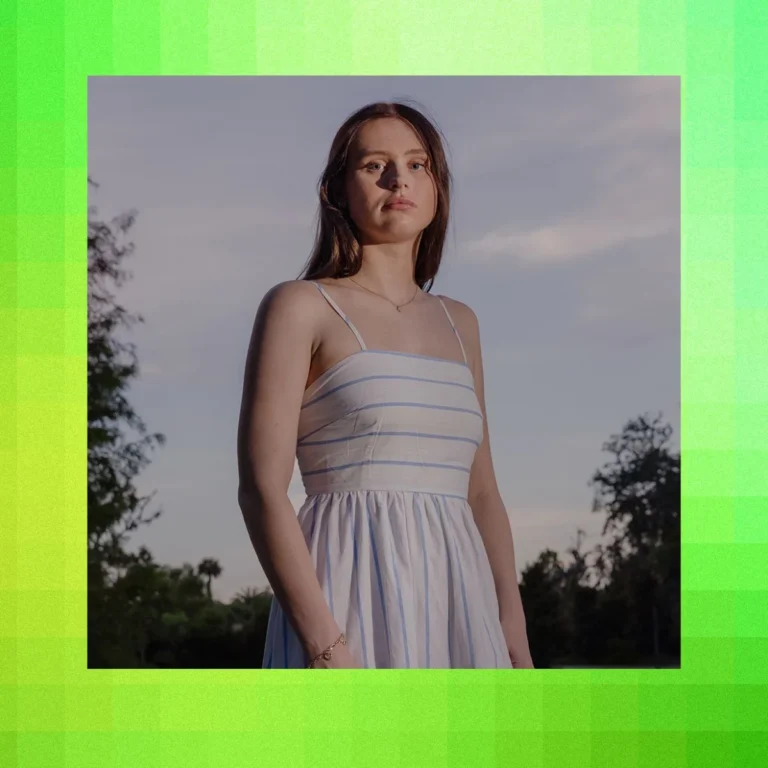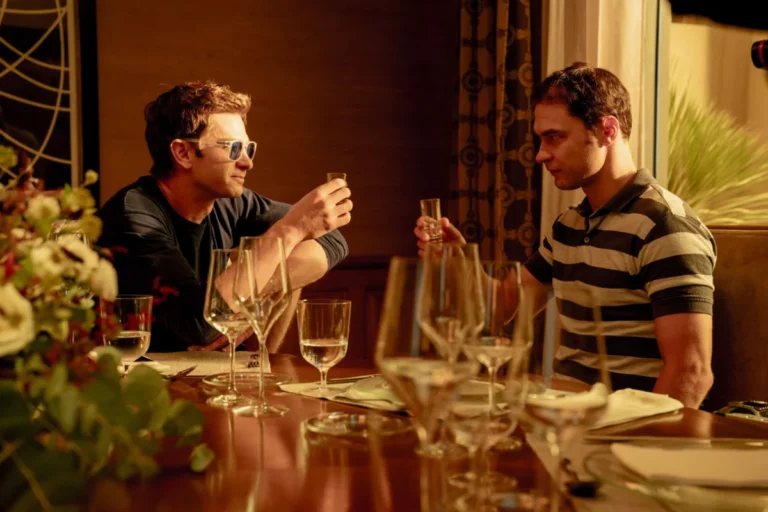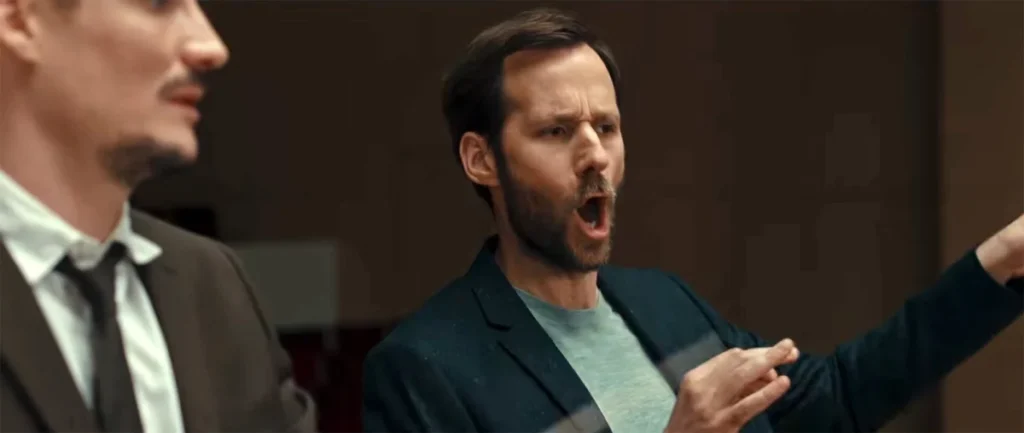



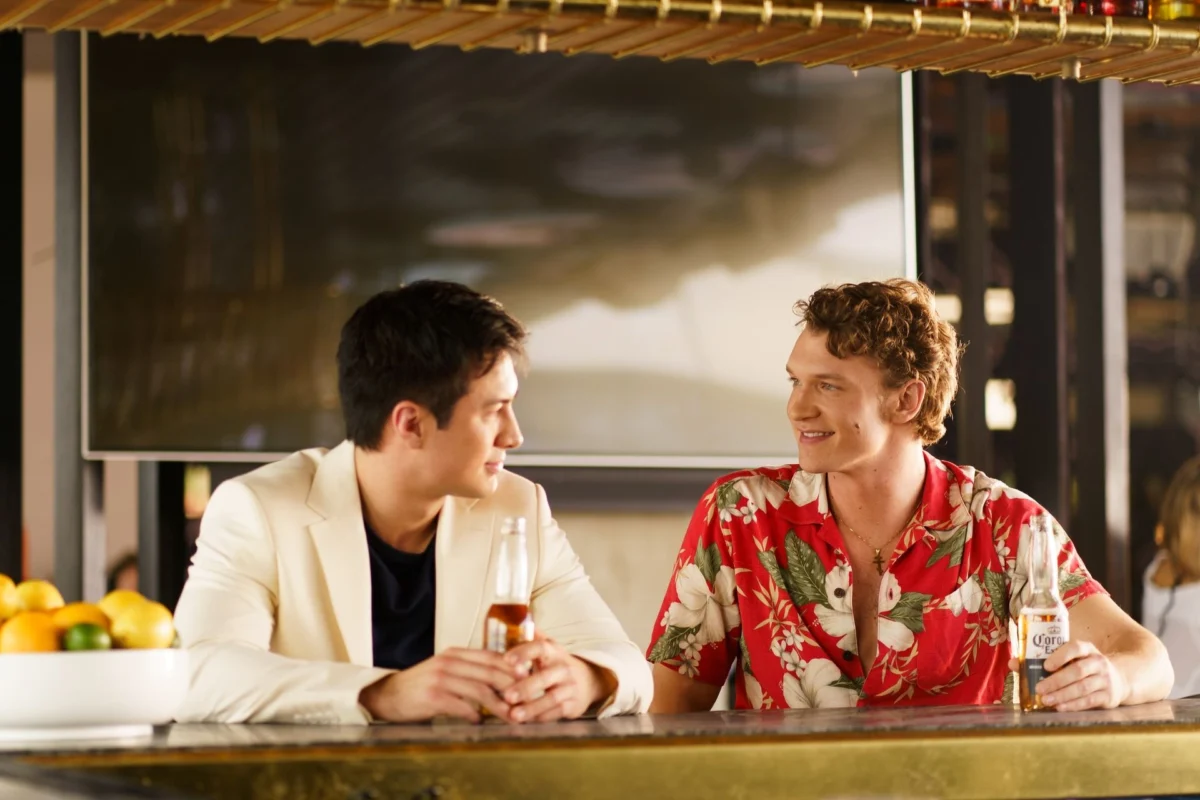
The digital landscape of fan culture is currently undergoing a significant realignment, driven by a combination of prestige television adaptations, shifting platform algorithms, and a growing fatigue with the adversarial nature of mainstream social media. In late November, a user known as Emily—a veteran of the 2010s "Golden Age" of Tumblr—returned to the platform after a multi-year hiatus. Her return was prompted by a singular cultural catalyst: Heated Rivalry, the breakout series from Crave based on Rachel Reid’s best-selling queer hockey romance novels. The series, which depicts a decade-long secret romance between two rival NHL stars, has done more than just achieve high viewership; it has served as a homing beacon for a "lost generation" of fans who had previously migrated to Twitter (now X) and TikTok.
Emily’s trajectory reflects a broader demographic shift within internet subcultures. Throughout the early 2010s, she was a fixture in the Tumblr ecosystems of Gossip Girl, Glee, and Sherlock, eventually moving into "bandom"—a subculture dedicated to pop-punk and alternative rock groups. As she entered her twenties and sought to distance herself from the perceived "immaturity" of fandom, she joined the mass exodus to Twitter. However, the release of Heated Rivalry triggered a digital homecoming. "Old friends that I hadn’t spoken to in years started popping back online," Emily told reporters. "Tumblr has been, I would say, revitalized. It has really, truly healed the fandom spaces."
The Origins and Impact of Heated Rivalry
To understand the intensity of this resurgence, one must look at the unique DNA of the source material. Heated Rivalry began its life as a series of queer hockey romance novels by Rachel Reid, the first of which was published in 2019. The story follows Shane Hollander and Ilya Rozanov, two elite athletes whose professional rivalry masks a complex, clandestine romantic entanglement.
Crucially, the series itself has roots in transformative fandom. Investigative reports, including those from The Mary Sue, have traced the origins of the story back to "slash" fanfiction—specifically within the Marvel Cinematic Universe fandom—before it was reworked into original fiction. This "pro-to-fan" pipeline is a hallmark of modern publishing, similar to the trajectories of Fifty Shades of Grey or The Love Hypothesis. Because the characters were built on the tropes and emotional beats favored by long-term fanfiction readers, the Crave adaptation arrived with a pre-built audience that understood the specific "shorthand" of the genre.
The adaptation has been a "smash hit" for Crave, tapping into a demographic that values high-production-value queer storytelling. However, as the show’s popularity surged, it collided with the increasingly volatile discourse of mainstream social media, leading to a stark divergence in how different platforms process fan content.
The Fandom Diaspora: A Timeline of Platform Migration
The current state of digital fandom is the result of a decade-long fragmentation. Between 2011 and 2018, Tumblr was the undisputed hub of global fan activity. Its "reblog" structure allowed for the curation of aesthetics, the sharing of long-form meta-analysis, and the hosting of explicit fan art and fiction.
The decline of this era can be traced to a specific chronological sequence:
- November 2018: Apple removed Tumblr from the App Store after the discovery of child sexual abuse material (CSAM).
- December 2018: In an effort to return to the App Store and appease advertisers, Tumblr implemented a comprehensive "porn ban," which used automated "adult content" filters. These filters notoriously flagged non-explicit art, medical photos, and even classical statues.
- 2019–2021: A massive migration occurred. Displaced users moved to Twitter for its real-time interaction, TikTok for its video-based community building, and Archive of Our Own (AO3) for hosting actual fiction.
- October 2022: Elon Musk acquired Twitter, rebranding it as X and implementing algorithmic changes that prioritized "Blue Check" subscribers and engagement-driven controversy.
- 2023–2024: Tumblr began "softening" its stance on nudity, allowing for more artistic expression, though strict pornographic content remains prohibited.
Amanda Brennan, a meme librarian and fandom expert who worked at Tumblr during its peak, notes that this migration "seismically changed the internet." According to Brennan, the dispersion created "different worlds" that no longer "bump into each other," leading to a loss of shared cultural norms and an increase in platform-specific toxicity.
The Vulture Controversy and the Crisis of Media Literacy
The tension between these "worlds" reached a breaking point following the publication of a feature in Vulture by E. Alex Jung. The article explored the popularity of Heated Rivalry among women and addressed the "fujoshi" culture—a Japanese term, often used pejoratively but sometimes reclaimed, for women who consume and create media centered on male-male romance.
Jung’s piece was nuanced, eventually concluding that women writing such fiction are often exploring their own identities and desires rather than fetishizing gay men in a vacuum. However, the reaction on X was overwhelmingly hostile. Fans accused Jung of "outing" the community to a judgmental public and "prying" into a safe space. The backlash was so severe that Vulture eventually removed a link to a popular fanfiction piece mentioned in the article.
Allegra Rosenberg, a writer and fandom historian, argues that this backlash is rooted in "psychic memory." Fans remember the "PotterWars" of the early 2000s, where studios sued fans for copyright infringement, and the era where fan art was routinely mocked on late-night television. "As a journalist, I’m like, ‘Guys, this Vulture writer is not the enemy,’" Rosenberg said.
Experts suggest that the hostility on X was exacerbated by a lack of media literacy. Because the Vulture article was behind a paywall, many participants in the "discourse" reacted solely to the headline or to out-of-context screenshots shared by accounts looking to generate engagement. Brennan notes that this is a "common thread in media consumption right now," where the algorithm favors the fastest, angriest take over the most informed one.
The Algorithmic Divide: X vs. Tumblr
The most significant driver of the migration back to Tumblr appears to be the fundamental difference in how X and Tumblr function as technologies. Under Elon Musk’s ownership, X has shifted toward a "reactionary" model. The "For You" page often pushes content designed to provoke anger, as outrage is the most reliable metric for keeping users on the app.
A viral post on X responding to the Heated Rivalry phenomenon illustrated this shift. The post, which received over half a million views, dismissed the fans as "massively insecure women" who "can’t handle seeing another woman on screen." This post did not come from a member of the fandom but from a "normie" account with a blue verification checkmark that frequently posted right-wing and xenophobic content.
"I think X just sucks," Rosenberg stated bluntly. "It exists to make people angry, and the algorithm is designed to make you angry."
In contrast, Tumblr’s lack of a dominant, engagement-based algorithm—and its chronological "Following" feed—allows users to curate their experience. For fans of Heated Rivalry, this has created a "walled garden" where they can discuss the show’s emotional nuances without being harassed by "culture war" tourists or reactionary pundits.
Broader Impacts and the Future of Fan Spaces
The "revitalization" of Tumblr by the Heated Rivalry fandom suggests a growing desire for "slow social media." While X remains the place for breaking news and political debate, it has become increasingly inhospitable for the vulnerable, identity-focused discussions that characterize modern fandom.
Data from market research firms indicates that while X’s overall user base has fluctuated, its "affinity groups"—communities based on shared hobbies or interests—have seen a marked decline in quality of life. This has led to the rise of alternatives like Meta’s Threads. Interestingly, Heated Rivalry has found a foothold there as well, particularly among a demographic Emily describes as "wives and mothers in their thirties" who are experiencing fandom for the first time.
The implications of this shift are two-fold:
- Platform Specialization: We are likely to see a permanent split where "mainstream" discourse happens on X or Threads, while "transformative" and "identity-based" discourse returns to insular spaces like Tumblr, Discord, or private Mastodon instances.
- The Professionalization of Fandom: As more creators like Rachel Reid move from fanfiction to professional success, the boundary between "the fan" and "the creator" will continue to blur, necessitating more sophisticated media coverage that respects the community’s history without being intimidated by its protective instincts.
For users like Emily, the return to Tumblr represents a return to a more comfortable form of digital existence. "As you get older, you realize that liking to watch something because you find it hot… it’s not a big deal," she says. "Tumblr is more comfortable with digging into that stuff."
As Heated Rivalry continues its run on Crave, the "healing" of Tumblr serves as a reminder that digital spaces are not just code and algorithms; they are communities. When those communities feel threatened by the "truth nukes" and "reactionary discourse" of the modern web, they will inevitably seek out the familiar architecture of the past to build a more sustainable future.