


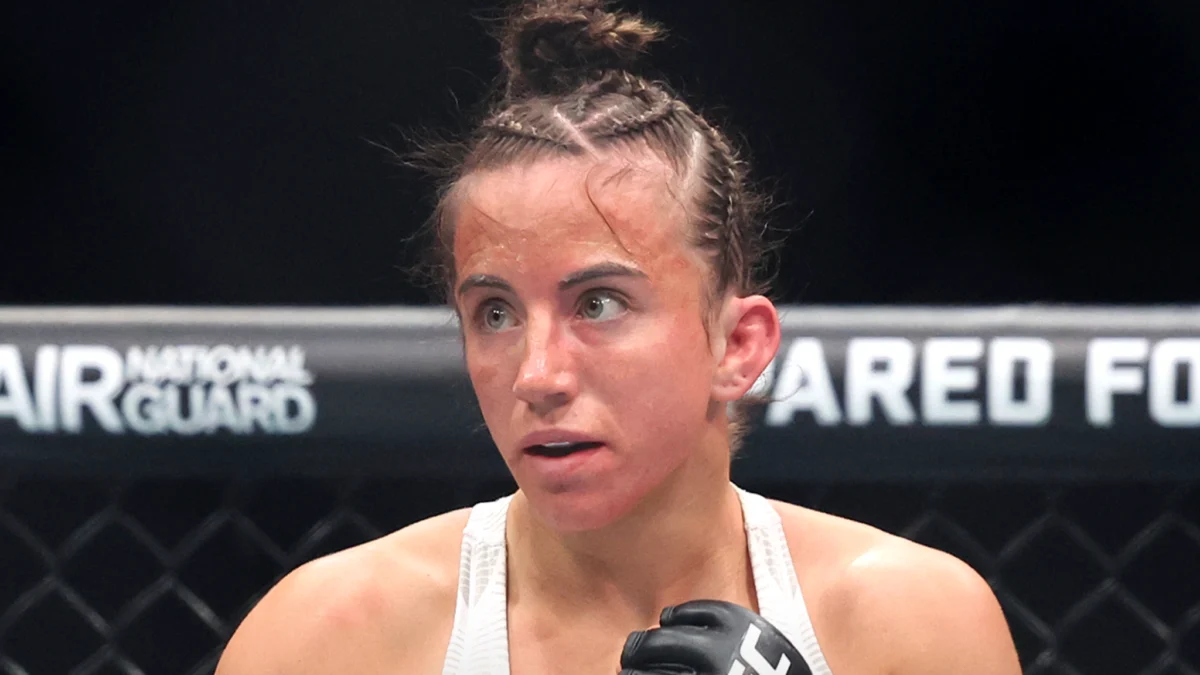
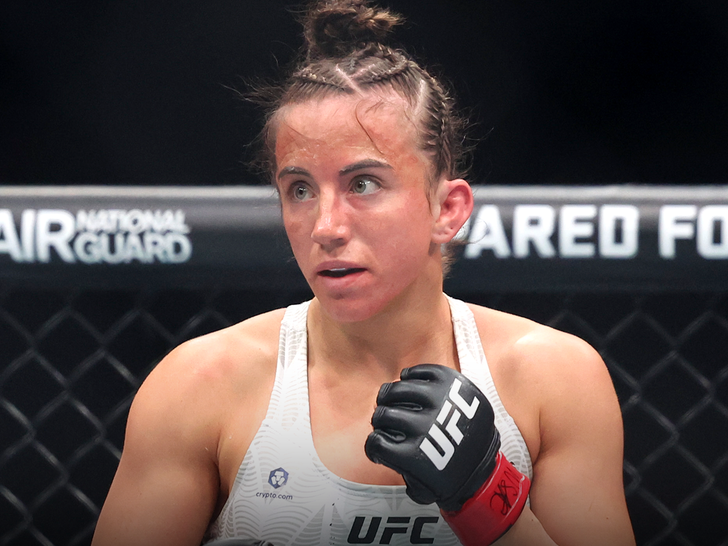
Mixed Martial Arts fighter Maycee Barber recently offered a harrowing account of her condition following a brutal knockout loss to Alexa Grasso, describing herself as appearing "dead" on the canvas. The candid reflection, shared via social media, provided a raw insight into the physical and emotional toll of professional combat sports, even as Barber vowed a swift and determined return to the Octagon. The high-stakes flyweight bout, which culminated in a dramatic first-round finish, has ignited discussions surrounding fighter safety, resilience, and the relentless competitive spirit inherent in the Ultimate Fighting Championship (UFC).
The Confrontation: UFC Fight Night in Seattle
The highly anticipated flyweight contest between Maycee Barber and Alexa Grasso took place on Saturday night, March 29, 2026, at a packed Climate Pledge Arena in Seattle. This event, part of a larger UFC Fight Night card, drew significant attention as it pitted two of the division’s rising stars against each other, each vying for a clearer path towards title contention. Barber, known by her moniker "The Future," entered the bout with a professional record reflecting her aggressive, forward-moving style, often characterized by powerful striking and relentless pressure. Her journey through the UFC ranks had been marked by both impressive victories and challenging setbacks, making this fight crucial for solidifying her position in the top tier of the 125-pound division.
Alexa Grasso, a Mexican native with a background in boxing, brought a contrasting, more technical striking approach to the cage. Her precision, footwork, and counter-striking ability had earned her a formidable reputation, and she was seen by many as a legitimate threat to the division’s elite. Both fighters had undergone rigorous training camps, fine-tuning their skills and strategizing for what was expected to be a closely contested battle. The atmosphere in Seattle was electric, with fans anticipating a showcase of skill and determination from two athletes at the peak of their physical prowess. The stakes were clear: a decisive victory for either fighter would propel them significantly up the rankings, bringing a championship opportunity within tantalizing reach.
A Brutal Finish: The Fight Chronology
From the opening bell, the tension in the arena was palpable. The first round saw both Maycee Barber and Alexa Grasso adopting cautious yet aggressive strategies, each probing for openings. Barber, true to her style, attempted to close the distance, aiming to initiate grappling exchanges or land her heavy power shots. Grasso, however, utilized her superior footwork and head movement to maintain distance, circling and looking for opportunities to counter. The initial exchanges were competitive, with both fighters landing sporadic but significant strikes, testing each other’s defenses and establishing their rhythm.
Approximately midway through the first round, the complexion of the fight dramatically shifted. As Barber pressed forward, attempting to unleash a combination, Grasso capitalized on a momentary defensive lapse. With surgical precision, Grasso unleashed a powerful, perfectly timed left hand that connected flush with Barber’s jaw. The impact was immediate and devastating. Barber’s legs buckled beneath her, and she dropped to the canvas, falling like a "sack of potatoes" as she later described, her body going limp.
Sensing the opportunity, Grasso followed up with the instinct of a seasoned finisher. She swarmed Barber, quickly securing a chokehold – a rear-naked choke, though some early reports mistook it for a guillotine given the speed of the transition – that tightened around Barber’s neck. With Barber already dazed from the initial punch, the choke rapidly rendered her unconscious. Referee Herb Dean, recognizing Barber’s unresponsive state and the immediate danger, swiftly intervened, waving off the fight at 3 minutes and 12 seconds of the first round. Grasso was declared the winner by knockout, a decisive and emphatic victory that sent shockwaves through the flyweight division.
The immediate aftermath was somber. Barber lay motionless on the canvas for several moments, a "blank stare in her eyes," as reported by onlookers and captured in subsequent social media videos. Medical personnel quickly entered the Octagon to attend to her, initiating standard concussion protocols and ensuring her vital signs were stable. The sight of a fighter rendered unconscious is always a stark reminder of the inherent risks of MMA, and the crowd, initially roaring with excitement for Grasso’s victory, quieted with concern for Barber’s well-being.
Barber’s Candid Reflection: The Aftermath
In the wake of her devastating loss, Maycee Barber took to her X (formerly Twitter) account on Sunday night, March 30, 2026, to share a remarkably candid and emotional update with her fans. The video post quickly garnered widespread attention, offering a rare glimpse into a fighter’s immediate post-fight experience, particularly after such a brutal finish.
Barber began her message by openly admitting to a significant memory gap regarding the fight itself. "I couldn’t remember a whole lot," she stated, her voice tinged with emotion. She explained that her primary recollection of the event came from reviewing social media footage, where she repeatedly saw videos of herself "looking dead" lying on the canvas. This disconnect between experiencing the event and witnessing its aftermath through external media highlighted the profound impact of the knockout, where the brain temporarily ceases to record new memories due to the trauma. The phrase "I looked like a corpse," which became the focal point of her reflection, underscored the severity of her unconscious state and the visceral shock of seeing herself in such a vulnerable condition.
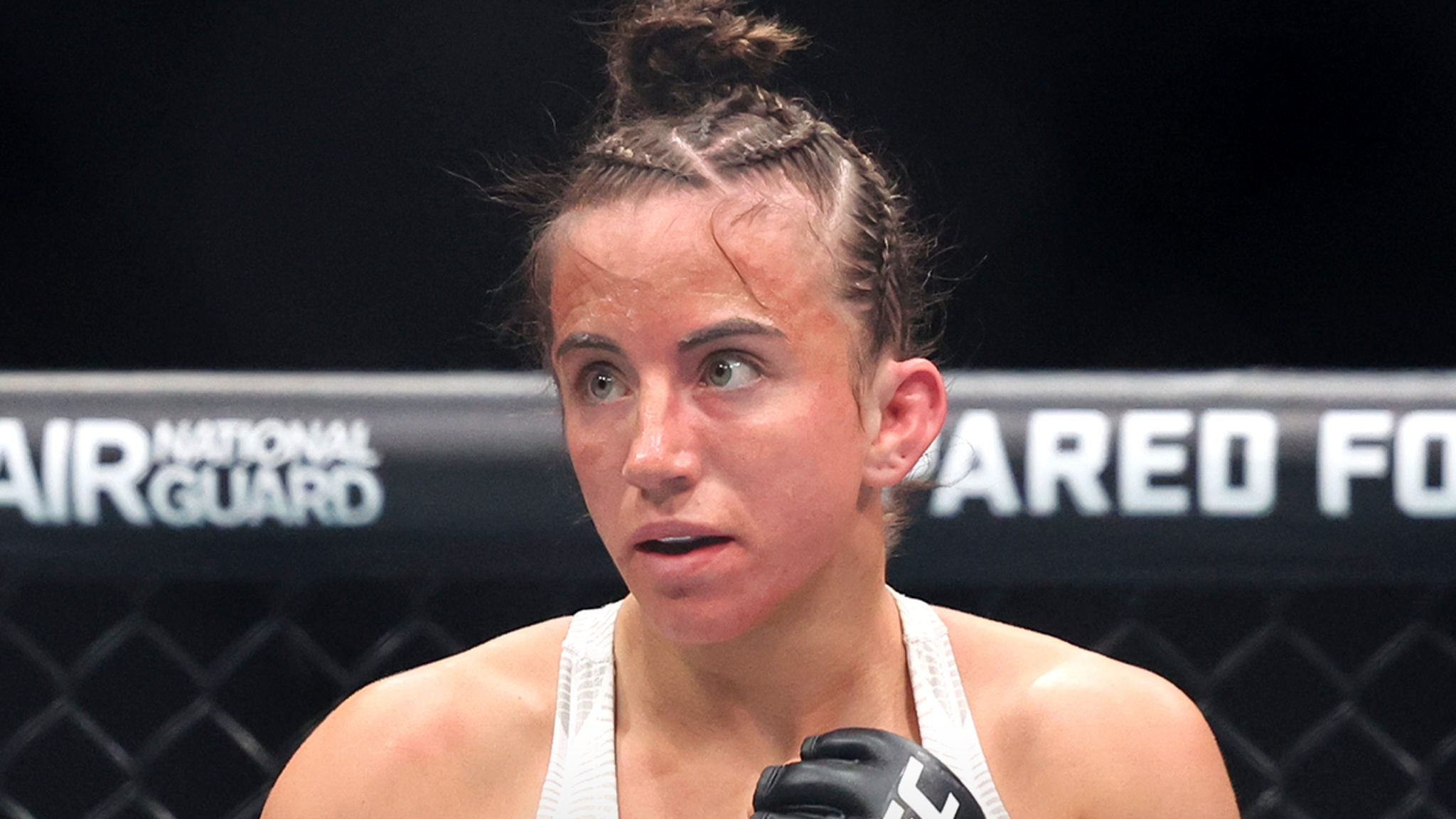
Despite the evident emotional difficulty in recounting the experience, Barber’s primary motivation for posting was to reassure her fanbase. "So, she hopped on X to tell everyone she’s doing okay," the report noted. Her message was clear: while the physical and mental recovery would require time, she was medically cleared and committed to her future in the sport. This immediate public address is crucial for fighters, as it quells speculation and allows them to control their own narrative after a high-profile loss.
Beyond her physical well-being, Barber also used the platform to reaffirm her unwavering dedication to her craft. She explicitly "vow[ed] to return to the Octagon to continue her ‘fighting journey.’" This declaration of resilience is a hallmark of elite athletes who face setbacks; the desire to overcome adversity and return stronger often fuels their continued pursuit of greatness.
Perhaps most striking, and somewhat paradoxical to many observers, was Barber’s statement that, despite the "bone-crushing loss," her fight with Grasso was still "one of the greatest days of my life." This sentiment, while initially puzzling, speaks volumes about the unique psychology of professional fighters. For many, the opportunity to compete at the highest level, to test their limits against another formidable athlete, and to push through immense challenges is an experience valued above the outcome. It suggests that the fulfillment comes from the act of participation, the intense preparation, and the personal growth derived from facing such a formidable challenge, regardless of the ultimate result. It transforms a painful defeat into a significant learning experience and a testament to her passion for the sport. This perspective, though perhaps difficult for non-fighters to fully grasp, is a common thread among those who dedicate their lives to combat sports.
Official Reactions and Broader Commentary
The dramatic conclusion of the Maycee Barber vs. Alexa Grasso bout not only left an impression on Barber but also drew significant commentary from key figures within the UFC. UFC President Dana White, known for his often hyperbolic but always passionate assessments of fights, went "one step further during a press conference," hailing the contest as "one of the greatest in sports history, let alone this year, tonight or whatever."
White’s effusive praise, while potentially aimed at promoting the event and the athletes involved, also underscored the sheer excitement and decisive nature of the finish. Even if the fight itself was short-lived, the intensity of the build-up, the clash of styles, and the sudden, brutal knockout created a memorable moment that resonated deeply with fans and critics alike. For White, a fight that ends with such a definitive, highlight-reel finish often transcends the technical aspects and becomes a testament to the raw, unpredictable drama of MMA. It’s the kind of moment that captures mainstream attention and contributes to the sport’s growing popularity.
From the victorious corner, Alexa Grasso’s post-fight comments, while not detailed in the original snippet, would have undoubtedly reflected a mix of elation and respect. Typically, winning fighters acknowledge the toughness of their opponent and express gratitude for the opportunity to compete. Grasso’s victory was a significant milestone, solidifying her status as a legitimate contender and potentially positioning her for a shot at the UFC Flyweight Championship. Her performance, characterized by precision and opportunistic finishing, would have been celebrated by her team and fans as a testament to her disciplined training and strategic execution. She would likely emphasize her preparation and her respect for Barber’s warrior spirit, a common courtesy in the sport despite the intense competition.
Coaches from both camps would also have offered their perspectives. Barber’s coaching staff would likely be focused on her recovery and the strategic adjustments needed for her next outing. They would emphasize the learning experience, analyzing where the game plan faltered and how to prevent similar outcomes in the future. Grasso’s coaches, conversely, would be celebrating a perfectly executed strategy, particularly the timing of the left hand and the swift transition to the choke, validating their pre-fight preparations. The broader MMA community, including analysts and fellow fighters, would also weigh in, dissecting the technical aspects of the knockout and discussing its implications for the flyweight division’s hierarchy.
The Medical Realities of Combat Sports
Maycee Barber’s vivid description of looking "like a corpse" after being knocked out serves as a stark reminder of the inherent medical risks in mixed martial arts. Knockouts and chokes, while thrilling to spectators, involve significant physiological trauma that demands serious attention and rigorous medical protocols.
A knockout, or technical knockout (TKO), occurs when a fighter is rendered unable to continue dueately to strikes. In the context of a clean knockout like Barber’s, the brain experiences a sudden, forceful acceleration and deceleration within the skull. This impact can cause the brain to collide with the inside of the cranium, leading to a temporary disruption of normal brain function. This disruption can manifest as loss of consciousness, disorientation, memory loss, and a blank stare – precisely what Barber described. Medically, this is often categorized as a concussion, a mild traumatic brain injury (TBI). While "mild" in medical terms compared to more severe TBIs, repeated concussions or even a single severe one can have cumulative and long-lasting effects.
Chokeholds, on the other hand, operate by restricting blood flow to the brain or airflow to the lungs. In a blood choke, like the rear-naked choke often seen in MMA, pressure is applied to the carotid arteries in the neck, which supply blood to the brain. When blood flow is significantly reduced, the brain is deprived of oxygen, leading to rapid loss of consciousness. This mechanism is often considered "safer" than a blunt force knockout in the short term, as it doesn’t involve direct brain trauma from impact, but prolonged or improperly applied chokes can still be dangerous. The rapid unconsciousness from a blood choke can be disorienting upon regaining consciousness, but the immediate impact on the brain is different from a concussive blow. Barber’s sequence involved both a concussive punch and a subsequent choke, amplifying the trauma.
The UFC, in conjunction with athletic commissions, has established stringent medical protocols to protect fighters. Immediately following a knockout, fighters undergo an assessment by cageside doctors. This includes neurological evaluations to check for responsiveness, memory, and coordination. Following the event, fighters are typically subjected to mandatory medical suspensions, the length of which depends on the severity of the knockout or injury. For a clean knockout, a fighter might receive a minimum 30-day suspension from competition and training, with longer suspensions (up to 60 or 90 days) often mandated for head trauma, along with a requirement for advanced neurological imaging (MRI, CT scans) and consultations with specialists before being cleared to compete again.
Barber’s recovery will be closely monitored. Her candid admission of memory loss is a critical symptom of concussion and necessitates a cautious return. Adherence to these recovery protocols – which include complete physical and cognitive rest, followed by a gradual return to activity – is paramount to minimizing the risk of long-term neurological damage, such as chronic traumatic encephalopathy (CTE), a degenerative brain disease associated with repeated head trauma. While the allure of the Octagon is strong, prioritizing a fighter’s long-term health is a responsibility shared by the fighter, their team, and the sport’s governing bodies.
Implications for the Flyweight Division and Fighter Trajectories
The decisive knockout victory for Alexa Grasso over Maycee Barber has significant ramifications for both fighters’ careers and the broader landscape of the UFC’s competitive flyweight division.
For Maycee Barber, this loss represents a significant setback on her path to a championship. Prior to this bout, Barber was on an upward trajectory, having strung together several impressive wins that had propelled her into the top echelon of the division. Her "The Future" moniker, once a symbol of her seemingly inevitable ascent, now faces a moment of reckoning. A brutal knockout, particularly one that leaves a fighter feeling "like a corpse," can have profound psychological effects in addition to the physical recovery. Fighters must not only heal their bodies but also rebuild their confidence and confront the memory of such a definitive defeat. This loss will likely drop Barber several spots in the official UFC rankings, meaning her next fights will be crucial opportunities to prove she can bounce back and still contend with the division’s best. Her promised return to her "fighting journey" will now involve a more challenging climb, potentially against lower-ranked opponents or other contenders looking to make a name for themselves. The mental fortitude required to return from such a setback is immense, and Barber’s ability to process and learn from this experience will define the next chapter of her career.
Conversely, for Alexa Grasso, this victory is a monumental career highlight. It solidifies her position as a top contender and likely propels her into immediate consideration for a title shot against the reigning flyweight champion, Valentina Shevchenko, or whatever champion holds the belt at that time. Grasso’s performance was not just a win, but a statement: she showcased her striking precision, her ability to capitalize on openings, and her killer instinct to finish a fight decisively. This kind of dominant performance against a highly-ranked opponent is exactly what the UFC looks for in potential title challengers. Her stock has risen dramatically, and her next fight could very well be the biggest of her career, potentially headlining a major event or co-main eventing a pay-per-view. The victory places her firmly in the conversation for the next contender, and the momentum is now squarely on her side.
The UFC Flyweight Division itself is significantly impacted. With Grasso’s emphatic win, the championship picture becomes clearer, with a strong new contender emerging. It creates a fresh dynamic at the top, potentially setting up exciting matchups and new rivalries. The division, already known for its talent, now has another compelling narrative to follow. Other fighters in the top 5 and top 10 will be watching Grasso’s trajectory closely, understanding that a clear path to the title now runs through her. This shift at the top adds intrigue and competitiveness, which is ultimately beneficial for the sport and its fans.
The Enduring Allure and Brutality of MMA
The narrative surrounding Maycee Barber’s knockout loss to Alexa Grasso encapsulates the complex and often contradictory nature of mixed martial arts. On one hand, it highlights the raw, undeniable brutality of combat sports, where moments of unconsciousness are a stark reality. Barber’s description of looking "like a corpse" is a visceral reminder of the physical cost exacted from athletes who push their bodies to the absolute limit. It forces a contemplation of fighter safety, the long-term consequences of head trauma, and the ethical responsibilities of promoting such intense competition. The sight of a fighter lying limp, even momentarily, elicits a collective gasp and concern, underscoring the inherent danger that lies beneath the spectacle.
Yet, simultaneously, this event reinforces the enduring allure of MMA. Dana White’s proclamation of the fight being "one of the greatest in sports history" speaks to the unique drama, unpredictability, and high-stakes excitement that the sport consistently delivers. It is a testament to the unparalleled athleticism, skill, and courage displayed by fighters like Barber and Grasso. Barber’s paradoxical statement that it was "one of the greatest days of my life," despite the crushing defeat, offers a profound insight into the fighter’s psyche. It reveals a deep-seated passion for competition, a desire for self-improvement, and an appreciation for the journey itself, rather than solely the outcome. For many fighters, the Octagon is a crucible where character is forged, and challenges are embraced as opportunities for growth.
The Maycee Barber story, therefore, becomes a microcosm of the sport’s broader appeal: a captivating blend of extreme physical contest, mental fortitude, and profound human drama. It is a constant negotiation between the primal urge to compete and the modern understanding of human physiology. As Barber prepares for her promised return, her journey will not only be about regaining her standing in the division but also about demonstrating the resilience and indomitable spirit that define the very essence of a mixed martial artist. Her experience serves as a powerful reminder of both the grave risks and the profound rewards found within the unforgiving confines of the cage.