The global independent film circuit has recently witnessed the rapid ascent of Alice Maio Mackay, a 21-year-old Australian filmmaker whose prolific output has challenged traditional production timelines and redefined the parameters of queer genre cinema. Her latest feature, The Serpent’s Skin, arrives as a cornerstone of her burgeoning filmography, marking her seventh completed project before reaching the age of 22. The film, a supernatural romance centered on two queer women, has secured a robust international presence, appearing at prestigious festivals in London and Montreal before making its American debut at the Alamo Drafthouse in Brooklyn. This transition from lo-fi independent roots to recognized festival darling signals a significant shift in the accessibility and visibility of DIY queer narratives within the broader horror and fantasy landscapes.
Narrative Structure and Thematic Innovation
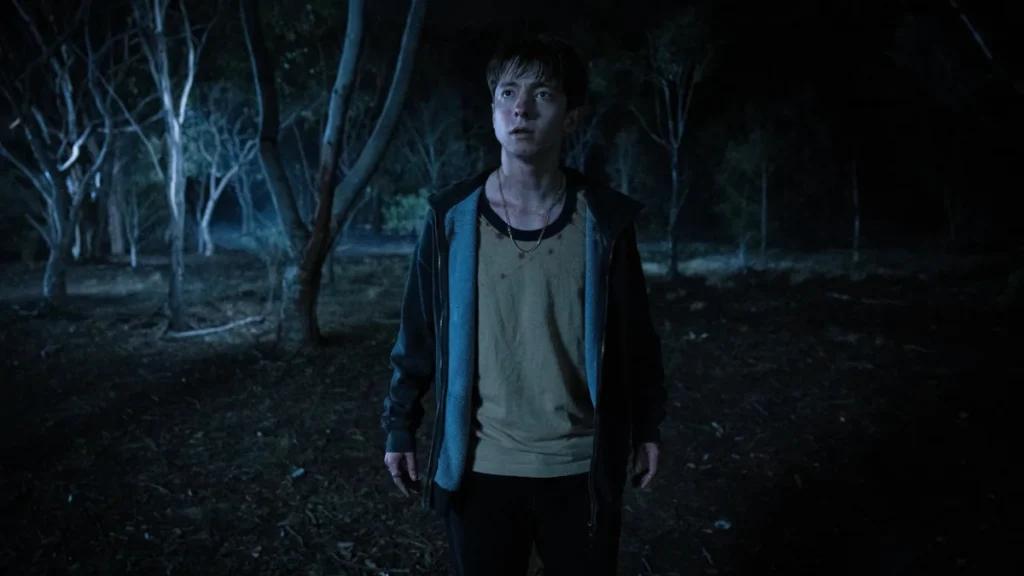
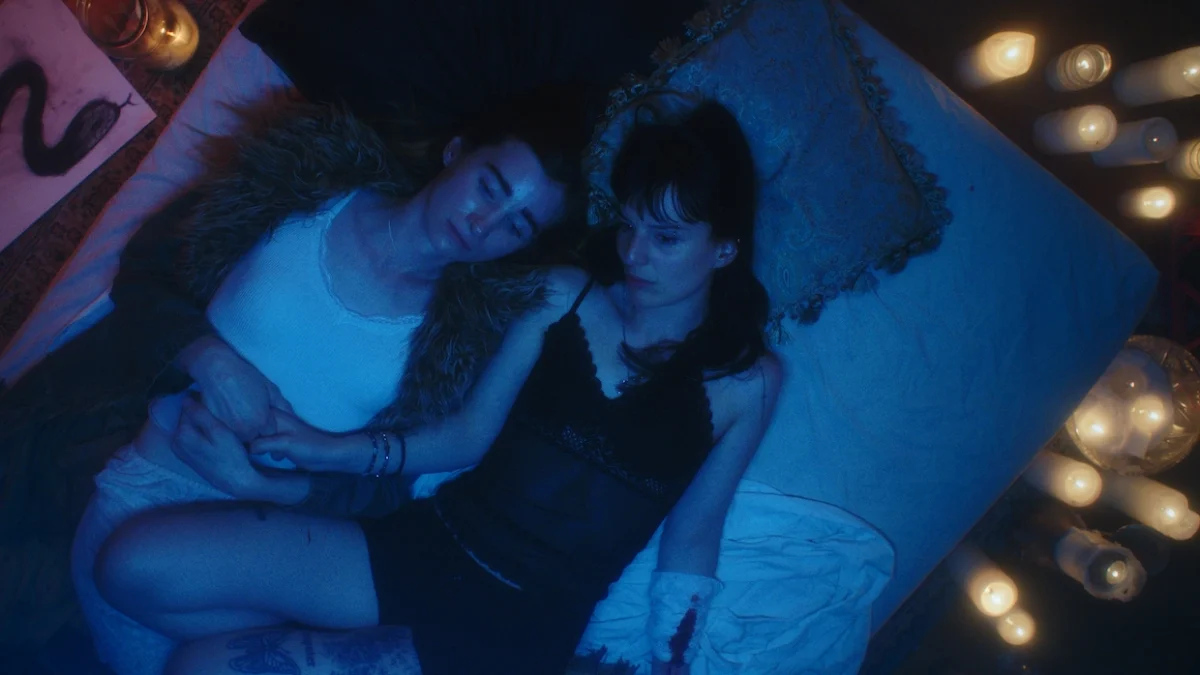
The Serpent’s Skin follows the story of Anna, portrayed by Alexandra McVicker, a newcomer navigating a new environment who encounters Jen, a mysterious goth tattoo artist played by filmmaker Avalon Fast. The plot diverges from traditional supernatural tropes by grounding its magical elements in a queer romance. As the protagonists discover their shared magical abilities, they are forced to confront a demonic entity possessing Danny (Jordan Dulieu), an "alt-boy" who represents a subversion of the modern progressive male archetype.
Mackay’s narrative strategy involves a deliberate deconstruction of toxic masculinity within "progressive" spaces. While her previous works often featured overt, bigoted antagonists, The Serpent’s Skin explores the nuances of the 2000s-era "progressive" male who nevertheless embodies patriarchal toxicity. By centering the conflict on the reclamation of power by queer women, the film moves beyond the subtextual representations common in 1990s television, such as the relationship between Willow and Tara in Buffy the Vampire Slayer, and instead presents queerness as a primary, foundational element of the text.
A Chronology of Prolific Production
The trajectory of Alice Maio Mackay’s career is characterized by an unprecedented speed of production that mirrors the digital age’s demand for constant creative output. Her filmography represents a focused exploration of genre through a queer lens, beginning in her late teens and accelerating through the early 2020s.
- Early Features (2021-2022): Mackay gained initial recognition with works like So Vam and Bad Girl Boogey, which established her interest in blending slasher aesthetics with social commentary and trans identity.
- Expansion and Collaboration (2023): With Carnage for Christmas, Mackay expanded her reach, utilizing a "throwback" style reminiscent of Nancy Drew and Columbo. During this period, she solidified her place within a global network of indie creators.
- The Serpent’s Skin and Beyond (2024): The production of The Serpent’s Skin coincided with the completion of her next untitled project. The film’s festival run in London, Montreal, and New York marks her most significant commercial and critical exposure to date.
This timeline illustrates a shift from localized DIY projects to internationally distributed features, a feat rarely achieved by directors in their early twenties.
Influences and Aesthetic Foundations
The aesthetic of The Serpent’s Skin is a complex tapestry of 1990s and early 2000s media, filtered through a modern, independent sensibility. Mackay cites the "operatic nature" of Meatloaf’s Bat Out of Hell trilogy as a primary atmospheric influence, seeking to capture the grandiosity of emotion present in rock-opera formats. This is complemented by her background in classical music and theater; a former bassoonist and competitive dancer, Mackay approaches filmmaking with a theatrical rigor.
The film’s visual and tonal language also draws heavily from the "teen witch" boom of the late 90s. References to Charmed, Buffy the Vampire Slayer, and the literary "boom" of supernatural young adult fiction (such as Twilight and The Mortal Instruments) provide a nostalgic framework. However, Mackay’s work is not merely a tribute to nostalgia. She utilizes these familiar structures to "correct" the limitations of the past, specifically the lack of overt queer representation and the often-problematic tropes associated with the creators of that era.
Collaborative Networks in the Queer Indie Scene
A defining characteristic of Mackay’s success is her integration into a highly collaborative community of independent filmmakers. This "creative giants" network includes:

- Vera Drew: The director and editor of The People’s Joker, who served as the editor for The Serpent’s Skin. Drew’s involvement brings a seasoned perspective on transgressive, satirical cinema to Mackay’s work.
- Avalon Fast: A Canadian filmmaker known for the lo-fi hit Honeycomb, who transitions from behind the camera to a lead acting role in Mackay’s film.
- Louise Weard: Director of the experimental Castration Movie, in which Mackay has also performed, highlighting a reciprocal relationship between actors and directors in the underground scene.
- Annapurna Sriram: An actor and filmmaker (Fucktoys) who appears in Mackay’s upcoming projects, further bridging the gap between various sectors of the indie genre world.
This ecosystem of artists allows for high-quality production values on limited budgets, as resources, talent, and technical expertise are shared across projects. It represents a "new wave" of queer cinema that prioritizes community over traditional studio hierarchies.
Supporting Data: The Rise of Queer Genre Film
The success of Mackay and her contemporaries coincides with a documented increase in the demand for queer-led genre content. According to industry reports on independent cinema, "genre" films (horror, sci-fi, and fantasy) are currently the most viable path for low-budget filmmakers to achieve international distribution.
Furthermore, data from organizations such as GLAAD suggests that while LGBTQ+ representation in major studio films remains inconsistent, the independent horror sector has seen a 25% increase in queer-coded or overtly queer narratives over the last five years. This trend is driven by Gen Z and Millennial audiences who seek stories that reflect their identities without sacrificing the escapism and excitement of traditional genre tropes. The Serpent’s Skin sits at the intersection of this demographic shift, utilizing the "Alamo Drafthouse" model of exhibition to reach dedicated cinephiles and genre enthusiasts.
Analysis of Implications and Broader Impact
The emergence of Alice Maio Mackay signifies a broader democratization of film production. By utilizing accessible digital technology and social networking to build a global audience, she has bypassed the traditional "gatekeeping" of the Australian and international film industries.
The Serpent’s Skin also reflects a shift in how nostalgia is utilized in modern media. Unlike many mainstream reboots that rely on the intellectual property of the 90s, Mackay’s work adopts the feeling and vibe of the era to build entirely new worlds. This "vibe-based" filmmaking is increasingly prevalent among Gen Z directors who view genre as a fluid space for identity exploration.
The film’s focus on "textual queerness"—where the identity of the characters is central and undisputed—marks the end of the "subtext era" of queer cinema. For contemporary audiences, the importance of seeing queer joy and magical empowerment, rather than just trauma or hidden signals, cannot be overstated. Mackay’s ability to weave these themes into a "sweet, sharply witty romp" demonstrates a sophisticated understanding of audience needs in the 2020s.
Future Outlook
As The Serpent’s Skin continues its festival circuit and prepares for wider distribution, Alice Maio Mackay shows no signs of decelerating. With her eighth film already in post-production and a growing reputation as a mainstay of the queer horror community, she is positioned to become a significant voice in the next generation of global filmmakers.
The success of this film serves as a blueprint for other young creators: it emphasizes that prolificacy, combined with a strong community network and a clear, uncompromising vision, can lead to a sustainable career in an increasingly competitive industry. The Serpent’s Skin is not just a film about magic; it is a testament to the real-world magic of DIY filmmaking and the enduring power of queer storytelling.