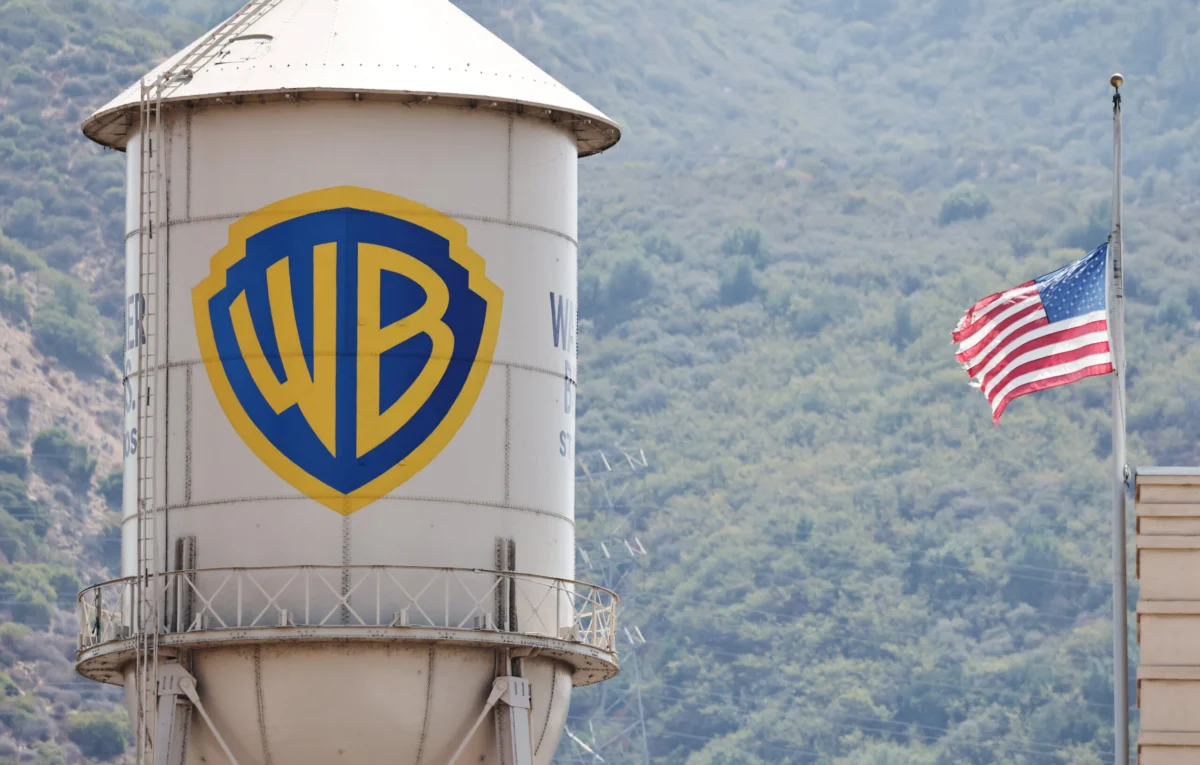
The board of directors at Warner Bros. Discovery (WBD) has formally moved toward a transformative merger with Paramount Skydance, selecting its $31-per-share acquisition offer over a competing $27.75-per-share bid from Netflix. While the decision signals a potential windfall for shareholders, it has ignited a wave of apprehension across the company’s global workforce. The choice highlights a strategic preference for consolidation within the traditional media landscape, even as employees express deep-seated fears regarding job security, cultural shifts, and the long-term viability of a combined entity saddled with significant debt.
As of late February 2026, the media industry is bracing for what could be one of the most complex integrations in entertainment history. The deal, valued at an enterprise level of approximately $111 billion, would unite two of the "Big Five" Hollywood studios, effectively redrawing the competitive map against tech giants like Apple and Amazon. However, the path to closure remains fraught with regulatory hurdles and internal resistance.
The Financial Tug-of-War: Paramount Skydance vs. Netflix
The WBD board’s decision was ultimately driven by the immediate valuation offered by David Ellison’s Paramount Skydance. At $31 per share, the offer represented a significant premium over the $27.75 proposed by Netflix. For institutional investors and high-level shareholders, the math was clear. However, for the rank-and-file employees at WBD, the financial victory for the board feels like a precarious omen for their professional futures.
Internal sentiment gathered from various divisions—ranging from theatrical production to cable news—suggests a strong preference for the Netflix offer, despite its lower price point. The rationale among staff was rooted in the lack of operational overlap. Netflix co-CEO Ted Sarandos had reportedly messaged a "hands-off" approach, intending to keep WBD’s theatrical business and the Max streaming service as independent entities. Furthermore, Netflix had no interest in acquiring WBD’s linear cable assets, such as CNN, TNT Sports, and the Discovery networks. Under a Netflix deal, these divisions would have likely been spun off into a standalone public company, preserving existing management structures and headcounts.
In contrast, the Paramount Skydance merger is built on the premise of "synergy"—a corporate euphemism that often translates to massive layoffs. Paramount executives have already signaled an intent to cut $6 billion in costs by eliminating "duplicative operations" across back-office, finance, legal, and technology departments.
A Chronology of the Consolidation
The road to this merger has been marked by a series of rapid-fire negotiations and shifting alliances over the past several months:
- September 2025: Warner Bros. Discovery begins exploring strategic alternatives as its stock price struggles under the weight of post-merger debt and a declining linear TV market.
- December 2025: Paramount Skydance submits a hostile bid for WBD, prompting Netflix to enter the fray as a potential "white knight" suitor.
- January 2026: WBD CEO David Zaslav holds a series of meetings with David Ellison and Netflix leadership to weigh the merits of content-sharing versus total acquisition.
- February 17, 2026: Netflix formalizes its $27.75-per-share offer, emphasizing a "preservationist" approach to WBD’s prestige brands like HBO.
- February 24, 2026: Paramount Skydance raises its bid to $31 per share, including a commitment to absorb a significant portion of WBD’s existing debt.
- February 26, 2026: The WBD board officially accepts the Paramount Skydance offer, triggering a mandatory regulatory review process.
- February 27, 2026: David Zaslav addresses employees in an all-hands meeting, acknowledging the "whiplash" felt by the staff while defending the board’s fiduciary duty.
Leadership Concerns and the Future of CNN
One of the most contentious aspects of the deal involves the future of CNN. Under the proposed merger, the leadership structure of the news giant is expected to undergo a radical transformation. While Mark Thompson currently oversees CNN, there is widespread speculation that Bari Weiss, the editor-in-chief at CBS News (a Paramount asset), could see her purview expanded to include the cable news network.
The prospect of Weiss taking the helm has caused significant friction within CNN’s editorial ranks. Reports surfaced in December 2025 suggesting that David Ellison had discussed making "sweeping changes" to CNN’s tone and anchor lineup in conversations with former President Donald Trump. Employees fear that the network’s traditional journalistic mission could be compromised by a shift toward a more ideologically driven or populist format.
Mark Thompson attempted to calm these fears in a recent internal memo, urging staff not to "jump to conclusions." However, the anxiety remains palpable. The profitability of CNN is a key factor; as media reporter Brian Stelter noted, the network remains a cash-flow positive business, and any drastic changes that alienate its core audience could pose a financial risk to the new parent company.

The Sports Landscape: A Clash of Demographics
The merger also presents a unique set of challenges and opportunities for the sports divisions of both companies. TNT Sports, led by Luis Silberwasser, has successfully pivoted toward a younger, digitally-native audience through investments in Bleacher Report and House of Highlights. Conversely, CBS Sports has historically catered to an older, broadcast-oriented demographic.
While the two units have a history of cooperation—most notably their long-standing joint production of the NCAA March Madness tournament—the integration of their full portfolios could lead to cultural clashes. Questions remain regarding how the "edgy" branding of TNT Sports will mesh with the "prestige" tradition of CBS Sports.
Optimists point to the combined portfolio as a powerhouse in the sports rights market. Following WBD’s loss of NBA rights in the previous season, the merger would grant it access to CBS’s crown jewels, including the NFL and the Masters. This would instantly restore WBD’s status as a top-tier player in sports broadcasting, albeit as a subsidiary of the broader CBS-Paramount infrastructure.
The $64 Billion Debt Burden
A recurring theme in employee dissent is the staggering debt load the combined company will carry. The deal includes approximately $64 billion in debt as part of the $111 billion enterprise value. WBD has spent the last several years aggressively cutting costs to service its existing debt, a process that has already resulted in thousands of lost jobs and the cancellation of several high-profile projects.
Employees expressed a sense of "deja vu," fearing that the new entity will be forced into a perpetual cycle of austerity to satisfy creditors. This stands in stark contrast to the perceived stability of Netflix, which boasts a market capitalization exceeding $400 billion and a relatively lean balance sheet. Paramount Skydance, with a market valuation of roughly $15 billion, is viewed by some as a smaller fish attempting to swallow a larger one, potentially creating a top-heavy and unstable corporate structure.
Regulatory Roadblocks and the "Breakup Fee"
The merger is far from a "done deal." California Attorney General Rob Bonta has already signaled that the transaction will face intense scrutiny. Regulators in both the United States and Europe are expected to examine the deal for potential antitrust violations, particularly regarding the concentration of movie studio power and the impact on the streaming marketplace.
WBD CEO David Zaslav has remained pragmatic about these hurdles. In leaked audio from a recent town hall meeting, Zaslav noted that if the deal fails to gain regulatory approval, WBD is entitled to a $7 billion breakup fee. "The deal may not close. If it doesn’t close, we get $7 billion, and we get back to work," Zaslav told employees, attempting to frame a potential regulatory block as a win-win scenario for the company’s liquidity.
Fact-Based Analysis of Market Implications
The WBD-Paramount Skydance merger represents the latest chapter in the "Great Re-bundling" of the media industry. For a decade, the trend was toward fragmentation and the rise of niche streaming services. Now, the high cost of content production and the cooling of the "streaming wars" have forced legacy players to seek safety in size.
If the deal proceeds, the industry will see:
- Increased Bargaining Power: A combined entity will have more leverage when negotiating carriage fees with cable providers and advertising rates with global brands.
- Content Library Consolidation: The merger would bring the libraries of Warner Bros., HBO, Turner, Paramount, and Nickelodeon under one roof, creating a massive "must-have" offering for consumers.
- Streamlined Tech Stacks: The integration of Max and Paramount+ could solve the profitability issues currently plaguing both services, though at the cost of consumer choice.
However, the human cost remains the primary narrative within the halls of WBD. As the legal and regulatory machinery begins to churn, the 10,000+ employees across the various divisions find themselves in a state of professional limbo, waiting to see if the board’s pursuit of shareholder value will ultimately come at the expense of the company’s creative and operational heart.