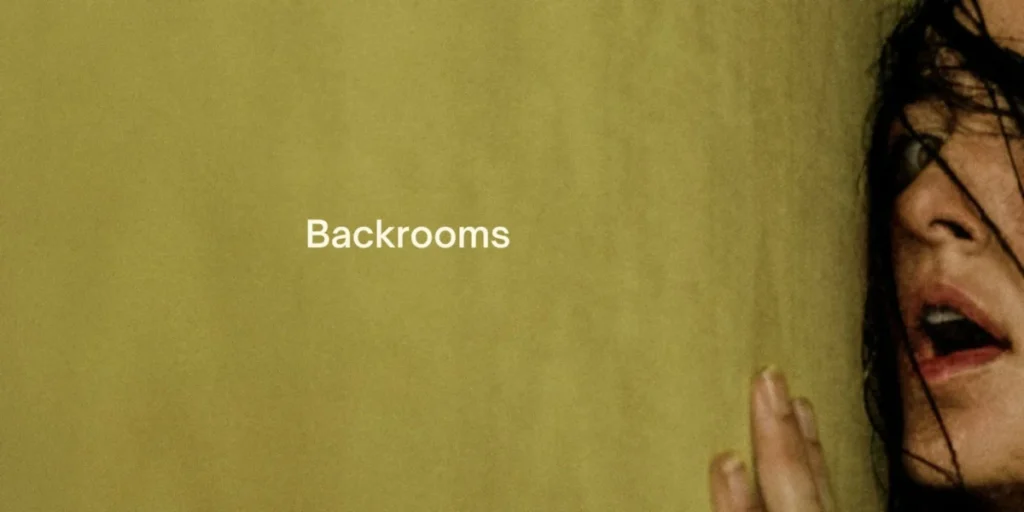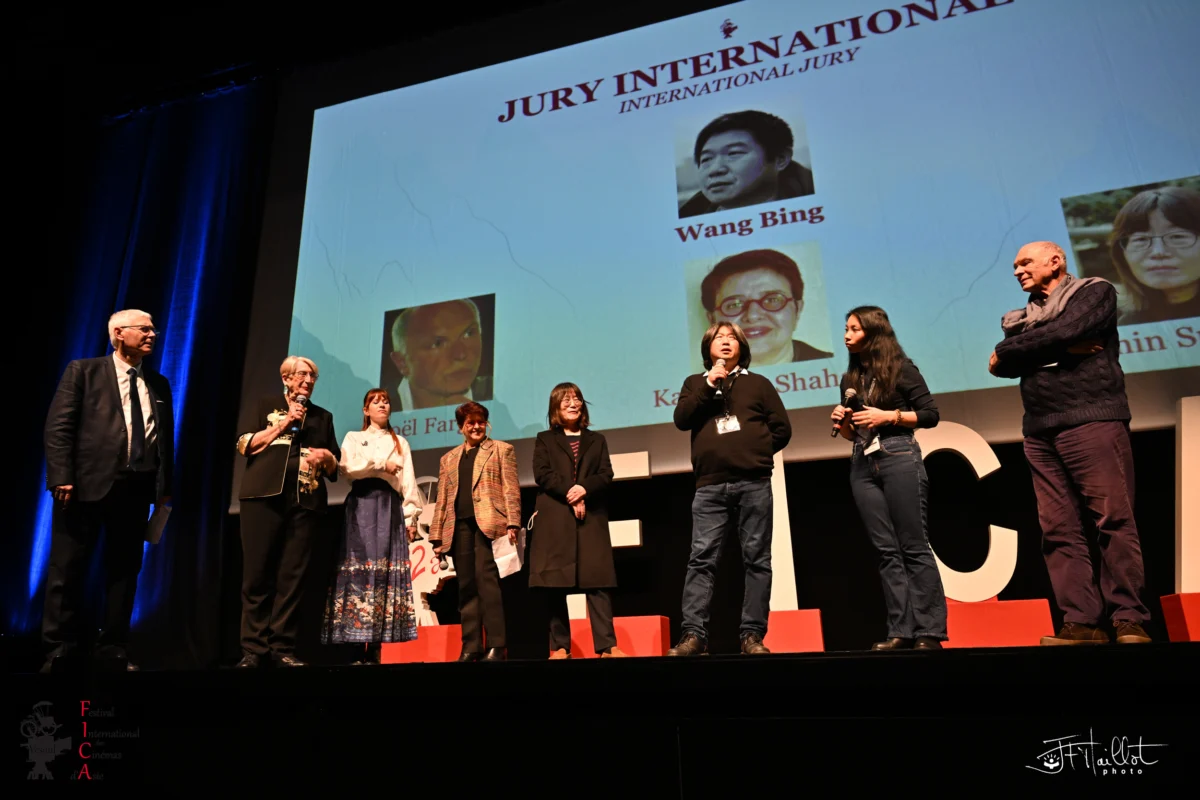
The reverberating silence that descended upon the theater following the screening of Lee Kwang-kuk’s Beautiful Dreamer was a palpable testament to the profound impact of Korean cinema at the 32nd edition of the Vesoul International Film Festival of Asian Cinemas. This annual cinematic gathering, which ran from January 27 to February 3, 2024, dedicated a significant portion of its program to the vibrant and increasingly influential cinema of South Korea, showcasing eight compelling films. The resonance of these narratives, often tackling complex societal issues with remarkable depth, left audiences deeply moved, sparking animated discussions that lingered long after the credits rolled.
The festival’s commitment to showcasing new cinematic voices was evident in the premiere status of three of the featured Korean films. Beautiful Dreamer, directed by Lee Kwang-kuk, made its international debut, offering a nuanced exploration of profound human experiences. Cherin Lee’s My Old Me received its world premiere, introducing a fresh perspective to the festival’s audience. Furthermore, Park Huiju’s Welcome Home Freckles was presented for the first time in France, broadening the exposure of this particular work. The prominent presence of these films, particularly with such significant premiere statuses, was interpreted by festival organizers as a strong indicator of Korean cinema’s enduring appeal and its growing global reach. Jean-Marc Thérouanne, the festival’s general delegate and co-founder, commented on this observation, stating, "It’s a strong signal for Korean cinema and its reach among audiences – it shows once again that it appeals." This sentiment was echoed by the palpable emotional responses witnessed during and after the screenings, with attendees often seen discreetly wiping away tears or remaining in contemplative silence, a clear sign of their engagement with the cinematic offerings.
The Power of Addressing Difficult Themes with Precision
The hallways of the Vesoul festival buzzed with post-screening conversations, particularly after the showing of Beautiful Dreamer. The film’s ability to provoke such intense viewer interpretation, even at midday when lunch might typically be a priority, highlighted its thematic richness. Questions regarding the protagonist’s fate – whether she had died or committed suicide – were debated with an earnestness that revealed the audience’s deep investment in the narrative. One attendee, Sophie, noted the film’s capacity to engage each viewer on a personal level, observing, "Each viewer brings their own perspective, and sometimes you notice details you hadn’t thought of."
Director Lee Kwang-kuk expressed his surprise and pleasure at the profound reactions his film elicited. "I didn’t expect viewers to reflect so much and come up with such different interpretations," he admitted with a smile. He further elaborated on his artistic intent, stating, "But that’s why I make films – to make people think, to address difficult themes." Lee’s previous work, Romance Joe (2012), also delved into themes of loneliness and malaise. With Beautiful Dreamer, he escalates this exploration by directly confronting the issue of death and suicide, a pressing concern within South Korean society. Lee explained the societal context behind this focus, noting, "It’s the leading cause of death in Korea. Social pressure is very strong, and the school and professional systems are extremely competitive."
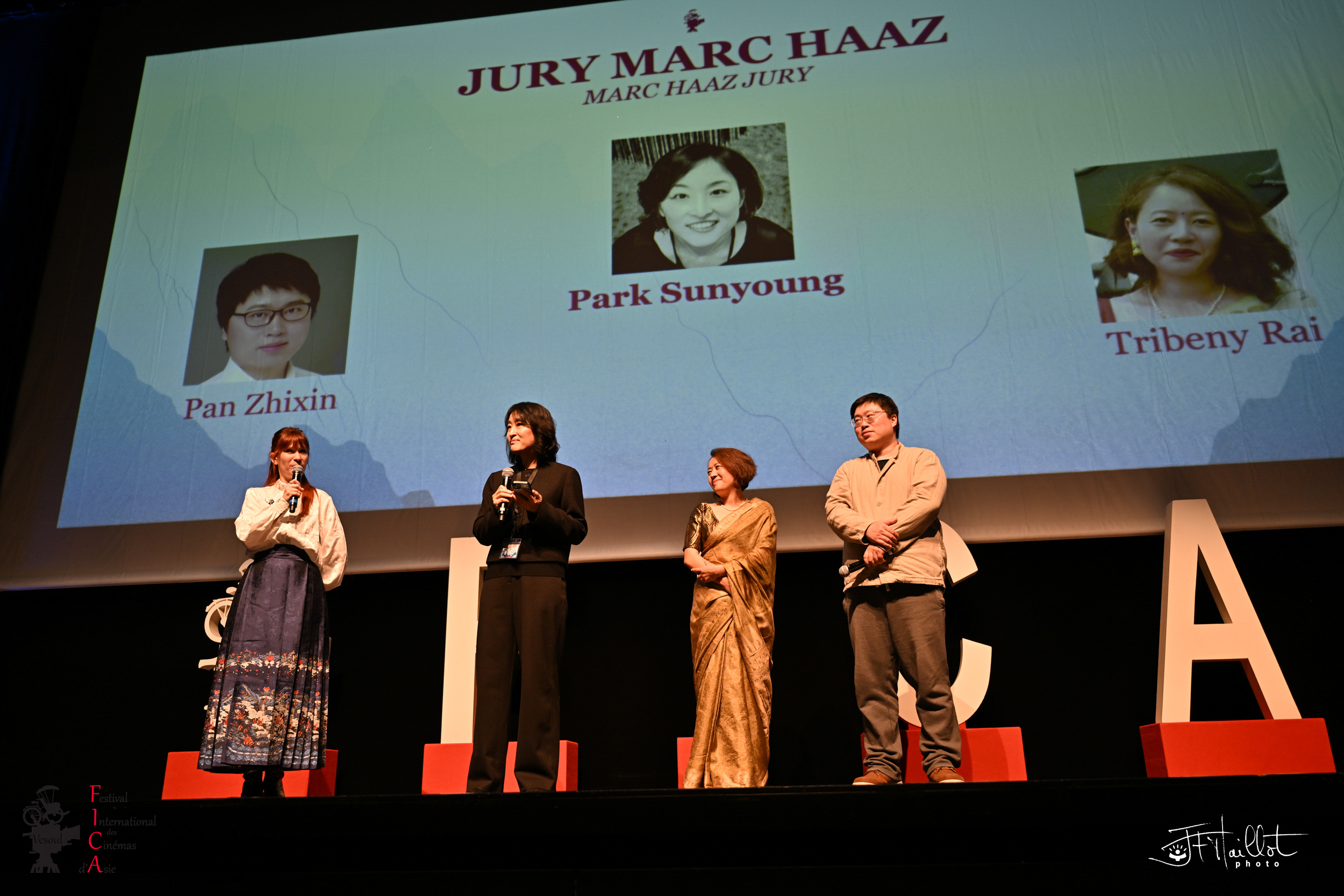
This thematic preoccupation with the pressures faced by young Koreans was also a central element in the work of filmmaker Shin Su-won, a distinguished member of the 2024 festival jury. Her 2014 film, Suneung, named after the highly competitive Korean college entrance examination, offers an unflinching look at the daily lives of teenagers navigating immense stress, cutthroat competition, and profound isolation. Shin recounted the inspiration behind her film, sharing, "At the time, I was a teacher. Every day, I saw students sleeping in class; some had completely given up. I thought: this has to become a film, this distress must be portrayed." The success of Suneung led to its screening at the 21st edition of the Vesoul Festival in 2015, underscoring the festival’s consistent support for Korean cinema’s exploration of vital social issues. Shin articulated what she perceives as the core strength of contemporary Korean cinema: "The strength of Korean cinema lies in addressing difficult themes with precision, while still connecting with audiences."
The Evolving Landscape of Korean Independent Cinema
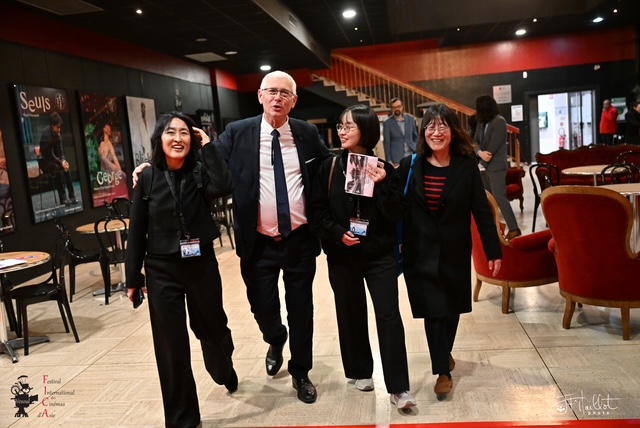
Shin Su-won also highlighted the role of the burgeoning independent film scene in South Korea’s cinematic evolution. She observed a shift in production following the COVID-19 pandemic, noting, "With the Covid-19 pandemic, there was a real crisis in South Korean cinema – we went from 100 to 20 films produced each year. There are fewer big productions, but more personal works." This trend towards more intimate and personal storytelling has resonated particularly well with audiences seeking authentic and emotionally resonant narratives.
This appreciation for the personal and the powerful was clearly demonstrated by dedicated festival attendees like Christiane, a 68-year-old film enthusiast. Christiane and her group of friends make an annual pilgrimage to Vesoul, a tradition they have upheld for the past decade, renting the same accommodation each year to immerse themselves in cinema. Their commitment is substantial, with each member typically watching six films per day. By February 27th, the opening day of the festival, Christiane had already viewed an impressive 36 films. She articulated her particular affinity for Korean cinema, stating, "Korean films are the ones that leave the biggest impression on me – they move me, I can’t quite explain why." This sentiment was echoed by Élise, a 30-year-old attendee who traveled from Paris. She emphasized the compelling nature of Korean storytelling, noting, "The stories are powerful, they reflect real life. And there are many Korean films that are unreleased and don’t necessarily make it to theaters." This observation underscores the crucial role of festivals like Vesoul in providing a platform for films that might otherwise struggle to reach a wider audience.
A Legacy of Support and a Promising Future
The Vesoul International Film Festival of Asian Cinemas has a long-standing history of championing Korean cinema. Since its inception in 1995, the festival has screened over 140 Korean films and recognized the talents of 25 Korean directors with various awards. This consistent dedication to the "Land of the Morning Calm" has cultivated a loyal following and a deep understanding of its cinematic output among festival-goers.
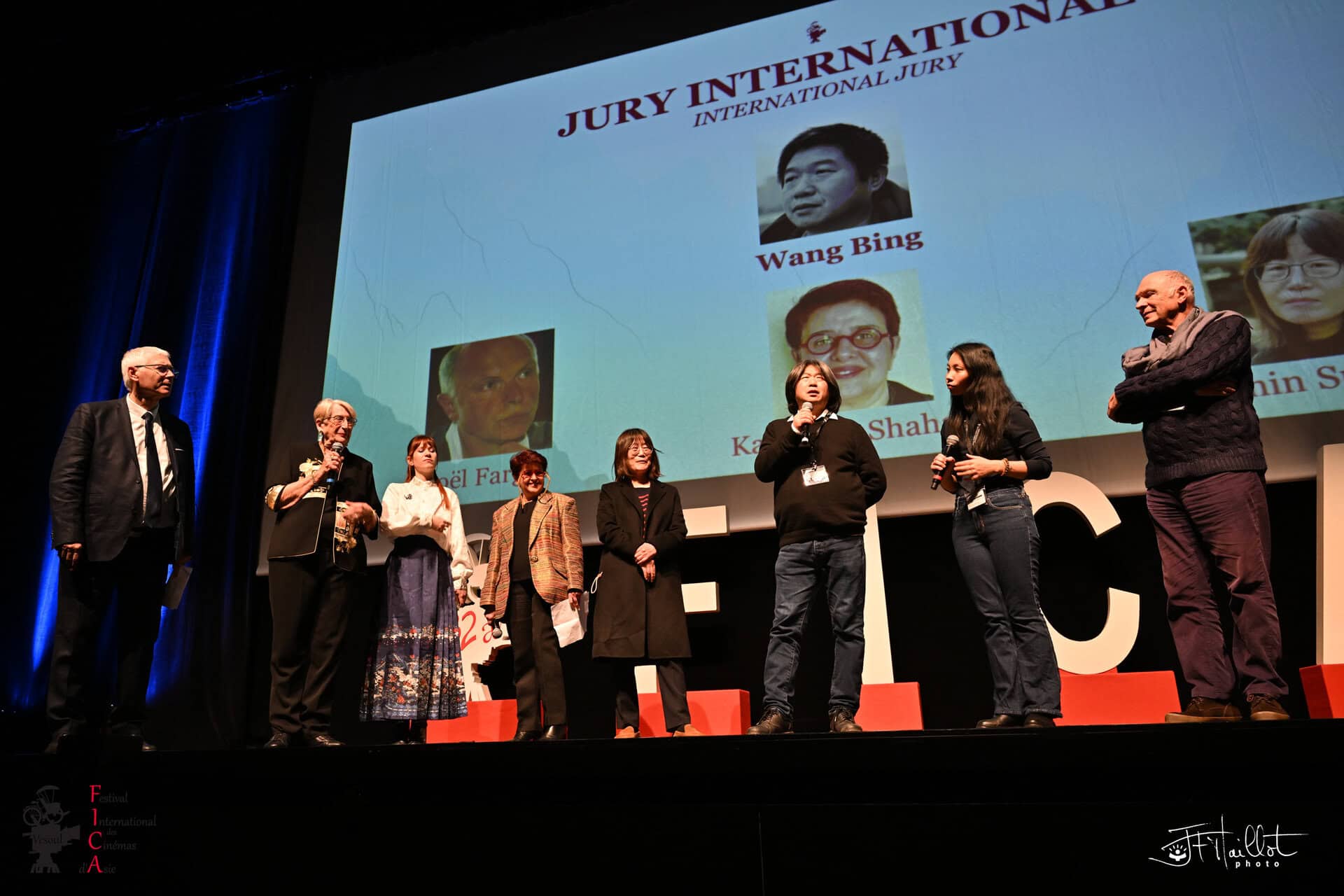
Looking ahead, Jean-Marc Thérouanne expressed unwavering confidence in the sustained relevance and growth of Korean cinema on the global stage. He stated, "Korean cinema is not a passing trend or a fad – it is here to stay. There are talented filmmakers, original scripts, and a loyal audience. Korean cinema has a bright future ahead." This optimistic outlook is supported by the consistent quality of films presented, the innovative storytelling emerging from the region, and the demonstrable passion of audiences worldwide who are increasingly drawn to the unique perspectives and profound emotional depth offered by Korean filmmakers. The 32nd edition of the Vesoul festival served as a compelling testament to this enduring and evolving cinematic force.