
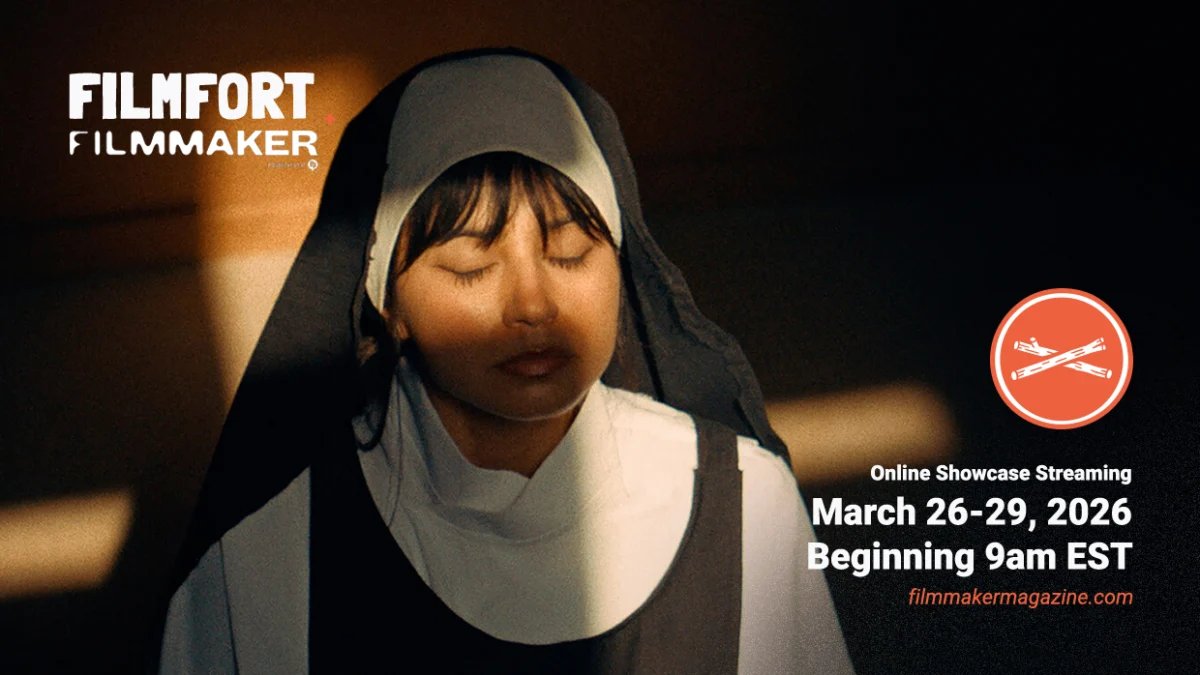
The 2026 edition of the Filmfort Film Festival has officially commenced in Boise, Idaho, marking the latest iteration of a significant cultural collaboration between the regional festival and Filmmaker Magazine. As part of an ongoing annual partnership designed to amplify the reach of independent cinema, Filmmaker is serving as the exclusive digital host for a curated selection of six short films from this year’s lineup. These films, representing a diverse array of narrative styles and directorial visions, will remain accessible to a global audience through the publication’s digital platform until the festival’s conclusion at midnight on March 29, 2026. This initiative highlights a growing trend in the film industry where traditional festival circuits integrate with established media outlets to provide emerging creators with a broader stage than physical screenings alone can offer.
The Strategic Integration of Filmfort and Treefort Music Fest
Filmfort operates as a vital component of the larger Treefort Music Fest, a multi-disciplinary event that has transformed Boise into a significant cultural hub in the Pacific Northwest. Since its inception, Treefort has expanded from a music-centric gathering into a massive ecosystem of "forts," including Hackfort, Foodfort, and Filmfort. This integrated model allows for a cross-pollination of audiences, where attendees of musical performances are encouraged to engage with independent cinema.
The 2026 festival occurs at a time when regional film festivals are increasingly recognized for their role in the "discovery" phase of a filmmaker’s career. While major festivals like Sundance or Toronto remain the primary targets for high-budget acquisitions, festivals like Filmfort provide the essential groundwork for emerging talent. The partnership with Filmmaker Magazine further solidifies this trajectory, as the publication has a long-standing reputation for identifying "New Faces" in the industry. By hosting these shorts, the magazine provides a seal of professional approval that can assist directors in securing future funding or representation.
Chronology of the 2026 Festival and Digital Showcase
The 2026 Filmfort schedule is structured to maximize both local engagement and digital accessibility. The festival opened with a series of marquee screenings in Boise, featuring high-profile independent features that have already garnered attention on the national circuit.
- Opening Day (March 25, 2026): The festival kicked off with the Boise premiere of Joybubbles, directed by Rachel J. Morrison. The documentary arrived at Filmfort following a successful premiere at the Sundance Film Festival. Simultaneously, the digital portal on Filmmaker Magazine’s website went live, allowing viewers worldwide to stream the six selected short films.
- Mid-Festival Highlights: The screening of The Scout, directed by Paula González-Nasser, served as a focal point for the mid-week programming. González-Nasser’s involvement is particularly noteworthy as she was recognized in Filmmaker’s "25 New Faces of Independent Film" in the preceding year, illustrating the cyclical nature of talent development within this partnership.
- Closing Sequence (March 29, 2026): The festival concludes with an awards ceremony recognizing excellence in short and feature-length storytelling. The digital window for the hosted shorts closes at midnight, marking the end of the public viewing period.
Analysis of the 2026 Short Film Selection
The six short films selected for the 2026 digital showcase represent a cross-section of contemporary independent aesthetics, ranging from experimental narratives to genre-blending comedies.
Narrative Explorations of Grief and Absurdity
My Dead Dad’s Funeral, directed by Jamie Manelis, offers a 13-minute exploration of the complexities of estrangement and mourning. The film follows a protagonist named Riley as she attempts to fulfill a final request to spread her father’s ashes at his childhood home. The narrative shifts from a somber reflection on familial bonds to a bizarre, unexpected turn, showcasing Manelis’s ability to navigate tonal shifts within a condensed runtime.
Similarly, The Deliveryboy by Michael Bernieri utilizes a 25-minute runtime to blend elements of suburban malaise with high-stakes tension. Set in Massachusetts, the film centers on a grieving protagonist whose return to his hometown leads to an unintended confrontation with a figure from his past. The film’s "cat-and-mouse" structure suggests a sophisticated approach to pacing that elevates it beyond standard short-form drama.
Social Dynamics and Experimental Forms
Julia Bales’s Public Freakout provides a concentrated 10-minute study of social friction. By focusing on an argument among strangers at a gas station, the film captures the volatility of modern public life. The brevity of the film emphasizes the intensity of the encounter, reflecting a trend in short filmmaking that prioritizes "slice-of-life" realism over traditional three-act structures.

In contrast, Someone to Steal Horses With, directed by Dylan Pailes-Friedman, adopts an experimental and poetic approach. The film utilizes a radio broadcast and the voice of a horse to transport the viewer across temporal and geographical boundaries. This 10-minute piece explores themes of ancestral memory and the longing for connection, utilizing the setting of Los Santos to investigate abandoned histories. It represents the "avant-garde" wing of the Filmfort selection, challenging viewers to engage with non-linear storytelling.
Identity and Historical Binding
Karina Lomelin-Ripper’s There’s a Devil Inside Me examines the intersection of religious identity and adolescent rebellion. The 15-minute film follows a teenager who is mistaken for a nun after a Catholic confirmation class. The film utilizes a "devilish" protagonist to explore the rigidity of religious institutions, a theme that resonates with contemporary discussions regarding youth and tradition.
Finally, Winter After Winter, directed by Brandon Kaufman, brings a Canadian perspective to the lineup. The 11-minute film focuses on a chance reunion in Toronto between two old friends, Nell and Jackie. The narrative centers on the "buried history" that resurfaces during a single day together, emphasizing the enduring impact of past relationships on present identity.
Supporting Data: The Economic and Cultural Impact of Filmfort
The growth of Filmfort reflects broader statistical trends in the independent film sector. According to data from the Independent Film & Television Alliance (IFTA), regional festivals have seen a 15% increase in attendance over the last five years, as audiences seek out curated experiences that differ from mainstream multiplex offerings.
In the context of Boise, the Treefort Music Fest (of which Filmfort is a part) contributes an estimated $10 million to $12 million annually to the local economy. This influx of capital supports local businesses and provides a platform for Idaho-based filmmakers to network with industry professionals from Los Angeles, New York, and Toronto. The partnership with Filmmaker Magazine adds a layer of "media value" to the festival, providing participating filmmakers with press coverage that is often difficult to secure for short-form content.
Industry Implications and Future Outlook
The collaboration between a niche film festival and a major industry publication serves as a model for the future of film distribution. As streaming platforms become increasingly crowded, the role of the "curator" becomes paramount. Filmmaker Magazine acts as a trusted intermediary, filtering the vast output of independent shorts to present a selection that meets a high standard of artistic merit.
Industry analysts suggest that this hybrid model—physical screenings paired with limited-time digital windows—is likely to become the standard for festivals of all sizes. It addresses the primary challenge of the short film format: accessibility. By removing the geographical barrier of Boise, the festival allows these six directors to reach industry scouts and cinephiles who are unable to travel to Idaho.
The inclusion of directors like Paula González-Nasser and Rachel J. Morrison further elevates the festival’s status. Morrison, an Academy Award-nominated cinematographer, brings a level of prestige to the documentary category with Joybubbles, while González-Nasser’s The Scout reinforces the festival’s commitment to nurturing talent that has been previously identified by Filmmaker Magazine.
As the 2026 Filmfort Film Festival progresses toward its March 29 conclusion, the industry will be watching closely to see how these digital screenings translate into future opportunities for the featured filmmakers. For now, the partnership stands as a testament to the resilience and adaptability of the independent film community in an ever-evolving digital landscape. Through the synergy of local festival programming and national media reach, Filmfort and Filmmaker Magazine continue to ensure that the next generation of cinematic voices is heard.