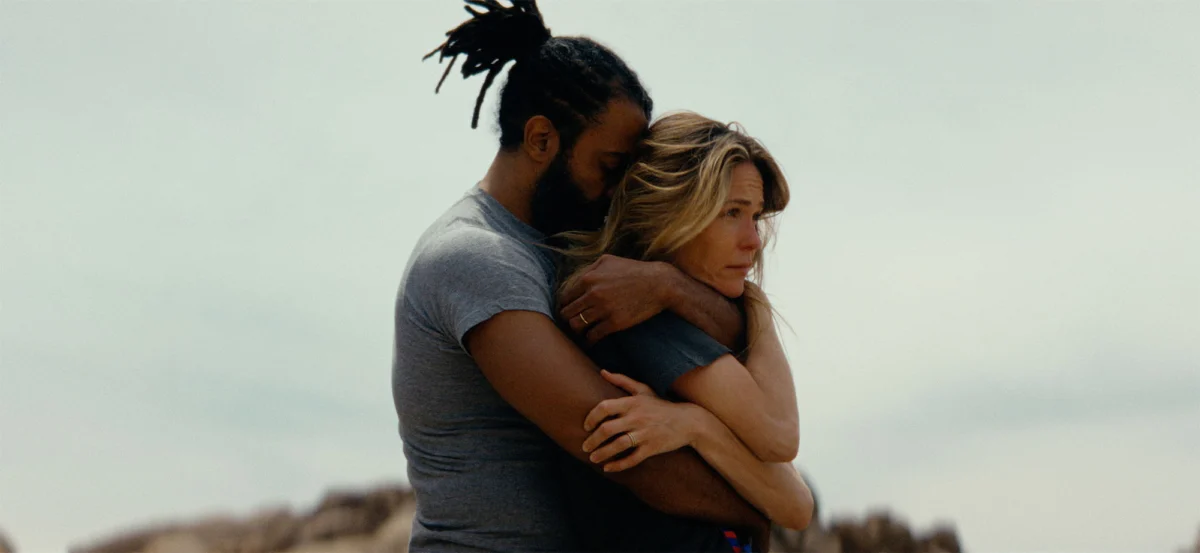
Greenwich Entertainment has unveiled the inaugural official trailer for Magic Hour, an independent drama described as an emotional thriller, set to explore the intricate dynamics of a relationship under duress in an isolated desert locale. The film, which garnered significant attention during its extensive 2025 film festival circuit, is slated for a limited theatrical release commencing May 15th, 2026. Starring critically acclaimed talents Daveed Diggs and Katie Aselton, who also directs and co-writes, Magic Hour emerges from the prolific production stable of the Duplass Brothers, promising a nuanced and potentially groundbreaking examination of modern romance.
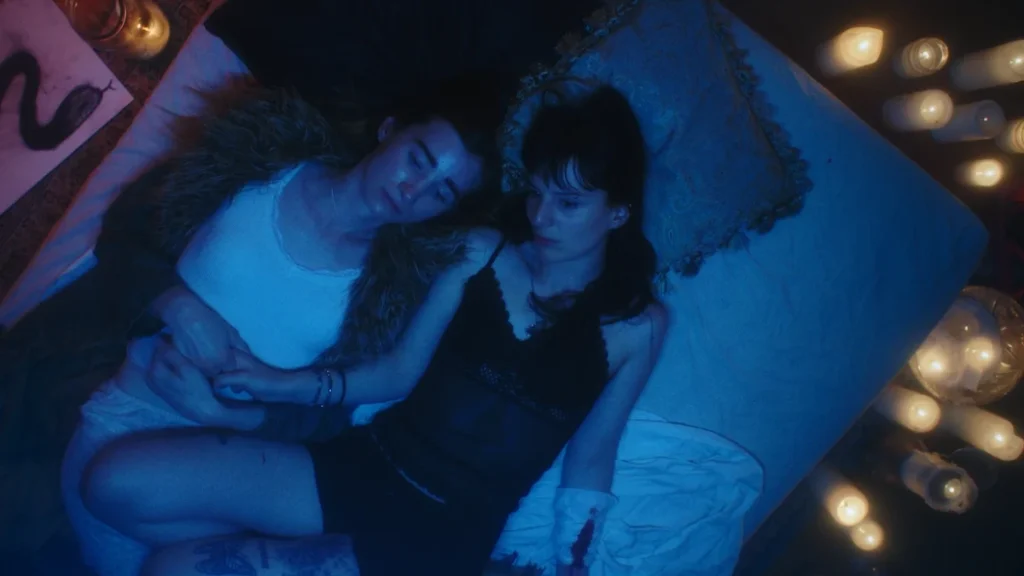
The initial glimpse offered by the trailer presents Charlie (Daveed Diggs) and Erin (Katie Aselton) as a couple retreating to the stark beauty of the desert, ostensibly to navigate an unforeseen and profoundly challenging phase of their relationship. The tagline, "We were so good. We were happy!" reverberates with an underlying tension, hinting at a past happiness now fractured by an unspecified crisis. Early reviews from its festival run have lauded the film as "a fresh look at what it takes to make love work, with an ambitious twist to spare," suggesting a narrative that transcends conventional relationship dramas. The involvement of Mark Duplass, known for his distinctive contributions to independent cinema, has already piqued the interest of industry observers and cinephiles alike.
Thematic Core and Narrative Intrigue
At its heart, Magic Hour appears to delve into the universal yet deeply personal struggles inherent in long-term relationships, particularly when faced with significant upheaval. The desert setting itself serves as more than just a backdrop; it is a character, its vast, unforgiving expanse mirroring the emotional isolation and internal landscapes of Charlie and Erin. The title, Magic Hour, commonly refers to the golden hour in cinematography – a brief period just after sunrise or before sunset when natural light is soft, warm, and often magical. This choice of title, however, carries a double entendre, suggesting not only a specific visual aesthetic but perhaps a fleeting, pivotal moment for the couple, a last chance to either rekindle their connection or confront its irreparable breakdown.
The film’s categorization as an "emotional thriller" implies a blend of intense psychological drama with elements of suspense, where the primary tension arises from the characters’ internal conflicts and their interactions rather than external threats. This subgenre often explores the fragility of the human psyche and the hidden complexities within intimate partnerships, pushing characters to their emotional limits. The "ambitious twist" teased in early reviews is a key element contributing to this thriller aspect, promising a narrative turn that recontextualizes the entire story and challenges audience expectations regarding what constitutes a relationship drama. This structural daring is a hallmark of many Duplass Brothers productions, which often subvert genre conventions while remaining deeply rooted in character.
Katie Aselton: A Director’s Evolving Vision
Magic Hour marks a significant entry in the directorial filmography of Katie Aselton. Known initially for her compelling performances as an actress in independent cinema and television, Aselton has steadily cultivated a reputation as a distinctive filmmaker. Her previous directorial efforts include The Freebie (2010), a mumblecore-esque exploration of a couple’s experimental attempt to reignite their spark; Black Rock (2012), a survival horror thriller; and Mack & Rita (2022), a comedy-drama starring Diane Keaton. This diverse portfolio showcases her versatility across genres, yet a common thread often runs through her work: an intimate focus on human relationships and personal identity.

With Magic Hour, Aselton not only directs but also co-writes the screenplay alongside Mark Duplass and stars in the lead role of Erin. This multi-hyphenate approach is a testament to her profound connection to the material and her comprehensive vision for the project. Directing oneself in a demanding dramatic role presents unique challenges, requiring an exceptional balance of self-awareness and objective artistic control. Aselton’s experience on both sides of the camera, coupled with her nuanced understanding of performance, is expected to lend a particular authenticity and depth to the character of Erin and the film’s overall emotional landscape. Her previous films, while varied in genre, often received praise for their character development and the naturalistic performances she elicits, attributes that are likely to be on full display in Magic Hour.
Daveed Diggs: Expanding a Versatile Career
Co-starring opposite Aselton is Daveed Diggs, an artist whose meteoric rise from the Broadway stage to a multifaceted career in film, television, and music has been nothing short of remarkable. Best known for his dual roles as Marquis de Lafayette and Thomas Jefferson in the Broadway phenomenon Hamilton, Diggs has since proven his immense versatility. His film credits include Blindspotting (2018), which he also co-wrote and produced, earning critical acclaim for its timely social commentary and his powerful performance. He has also lent his voice to animated features and starred in television series such as Snowpiercer.
Diggs’s involvement in Magic Hour underscores his commitment to diverse and challenging roles that allow him to explore complex emotional territories. His ability to convey a wide range of emotions, from intense vulnerability to simmering frustration, makes him an ideal choice for the character of Charlie, navigating the turbulent waters of a relationship crisis. The opportunity to work with an independent filmmaker like Katie Aselton and producers like the Duplass Brothers also aligns with Diggs’s consistent support for projects that offer artistic depth and narrative innovation, often outside the traditional studio system. His presence is expected to draw a broad audience, eager to witness his dramatic prowess in an intimate, character-driven setting.
The Duplass Brothers’ Enduring Influence on Indie Cinema
The Duplass Brothers, Mark and Jay, have been instrumental figures in the independent film movement for over two decades. Pioneers of the "mumblecore" genre, their distinctive approach to filmmaking emphasizes naturalistic performances, improvised dialogue, low budgets, and intimate, character-focused narratives. Their production company has been a launchpad for numerous acclaimed independent films and filmmakers, consistently championing authentic storytelling and unconventional voices.
Mark Duplass’s co-writing credit and the Duplass Brothers’ production involvement in Magic Hour signal a project deeply aligned with their cinematic philosophy. Their films often explore the awkwardness, humor, and pain of human connection with an unflinching honesty that resonates deeply with audiences. Their support for Magic Hour not only lends significant credibility but also suggests that the film will embody the qualities that have made their brand synonymous with quality independent cinema: strong character development, emotional sincerity, and a willingness to explore uncomfortable truths. Their collaborative history with Katie Aselton, particularly in the mumblecore era, further solidifies the film’s roots in a tradition of raw, relatable storytelling.
The Festival Journey: A Testament to Critical Acclaim
Magic Hour embarked on its festival journey with a highly anticipated premiere at the 2025 SXSW Film Festival. SXSW, held annually in Austin, Texas, is renowned as a premier platform for independent film, often serving as a launchpad for films that go on to achieve critical and commercial success. Its selection for SXSW is a strong indicator of the film’s artistic merit and its potential to resonate with both critics and audiences.

Following its debut, Magic Hour continued its impressive festival run, securing screenings at prestigious events such as the Nantucket Film Festival, Nashville Film Festival, Newport Beach Film Festival, and the Woodstock Film Festival, among "many others." This extensive circuit is crucial for independent films, as it builds critical momentum, generates industry buzz, and helps secure distribution deals. Each festival stop provides an opportunity for new audiences and critics to engage with the film, contributing to a growing chorus of positive reviews. The consistent programming across such a diverse range of festivals underscores the film’s broad appeal and its ability to connect with different demographics, from cinephiles to general audiences seeking compelling storytelling. Such a robust festival trajectory often culminates in awards consideration and enhanced visibility during the general release. While specific awards or nominations from these festivals were not detailed in the initial announcement, the sheer volume of invitations suggests a high level of critical endorsement and programmer enthusiasm.
Greenwich Entertainment and the Distribution Strategy
The acquisition of Magic Hour by Greenwich Entertainment for its North American release is a strategic move that aligns the film with a distributor known for its discerning taste in independent cinema. Greenwich Entertainment has established itself as a significant player in the indie landscape, successfully releasing critically acclaimed documentaries and narrative features. Their approach often involves a carefully planned limited theatrical release, strategically targeting key markets and arthouse cinemas, before expanding to digital and on-demand platforms.
The scheduled limited theatrical debut on May 15th, 2026, reflects a common strategy for independent films of this caliber. This approach allows the film to build word-of-mouth organically, capitalize on its festival acclaim, and potentially qualify for end-of-year awards consideration. For a film like Magic Hour, which relies on critical endorsement and a thoughtful audience, a phased release ensures that it reaches its target demographic effectively. Following its theatrical run, the film is expected to transition to various digital platforms, making it accessible to a wider audience and maximizing its reach. This multi-platform strategy is essential in today’s competitive distribution environment, particularly for independent features.
The Independent Film Landscape in 2026: Challenges and Opportunities
The release of Magic Hour occurs within a dynamic and often challenging independent film landscape. While the rise of streaming services has opened new avenues for distribution, it has also intensified competition for audience attention. Independent films frequently grapple with limited marketing budgets compared to studio blockbusters, making festival recognition and strong critical reviews even more vital for their success.
Despite these challenges, the independent sector continues to thrive as a crucible for innovative storytelling and a platform for diverse voices. Films like Magic Hour, which prioritize character development and thematic depth over spectacle, find a dedicated audience seeking more nuanced and thought-provoking cinematic experiences. The enduring appeal of relationship dramas, particularly those infused with psychological tension, ensures a niche but committed viewership. Moreover, the critical success of films like Magic Hour can often translate into significant cultural impact, influencing broader conversations about filmmaking, relationships, and human psychology. The industry’s continued embrace of talents like Katie Aselton and Daveed Diggs, who straddle both mainstream and independent projects, also helps to bridge the gap between these two worlds, bringing independent narratives to a wider public consciousness.
Visual Storytelling and Craftsmanship
The visual aesthetic of Magic Hour, as hinted by the trailer and its title, is expected to play a crucial role in its storytelling. Cinematography by Sarah Whelden, focusing on a "desert house" setting, likely utilizes the stark, natural light of the environment to evoke feelings of isolation, vulnerability, and introspection. The concept of "magic hour" lighting, characterized by its soft, diffused quality, can imbue scenes with an ethereal beauty, contrasting with the intense emotional turmoil unfolding between the characters. This interplay between striking visuals and raw emotional performance is often a hallmark of compelling independent cinema.

The film’s poster, also revealed alongside the trailer, offers a further clue to its narrative. While the article notes that it "kinda gives away what’s happening," this often indicates a deliberate choice by the filmmakers to create intrigue rather than outright spoil. A poster that hints at a core mystery or twist without fully disclosing it can effectively draw viewers in, encouraging them to seek out the film for its full revelation. This careful balance of revelation and concealment in promotional materials is a sophisticated approach to building anticipation.
Anticipated Impact and Legacy
Magic Hour stands poised to make a notable contribution to contemporary cinema, particularly in its exploration of the complexities of modern relationships. By blending the intimacy of a relationship drama with the suspense of an emotional thriller, the film has the potential to spark significant conversations about love, commitment, psychological resilience, and the unforeseen challenges that test the strongest bonds.
For Katie Aselton, Magic Hour could further solidify her standing as a director with a distinct and powerful voice, capable of eliciting profound performances and crafting narratives that resonate deeply. For Daveed Diggs, it offers another opportunity to showcase his extraordinary dramatic range, reaffirming his status as one of the most versatile actors of his generation. The collaboration with the Duplass Brothers ensures a foundation of authentic, character-driven storytelling that has long been their signature. As Magic Hour prepares for its theatrical debut, it carries the weight of strong critical endorsements and the promise of an emotionally charged cinematic experience, ready to captivate audiences and leave a lasting impression on the independent film landscape.